


US Pharma Licensing Rules Ease China Restrictions | $115B Market Opens for Sellers
- Treasury permits most US-China drug licensing deals except bioweapons/pathogens; $115B licensing market in 2025 creates supply chain opportunities for health/wellness sellers sourcing ingredients and finished goods from Chinese biotech partners





Overview
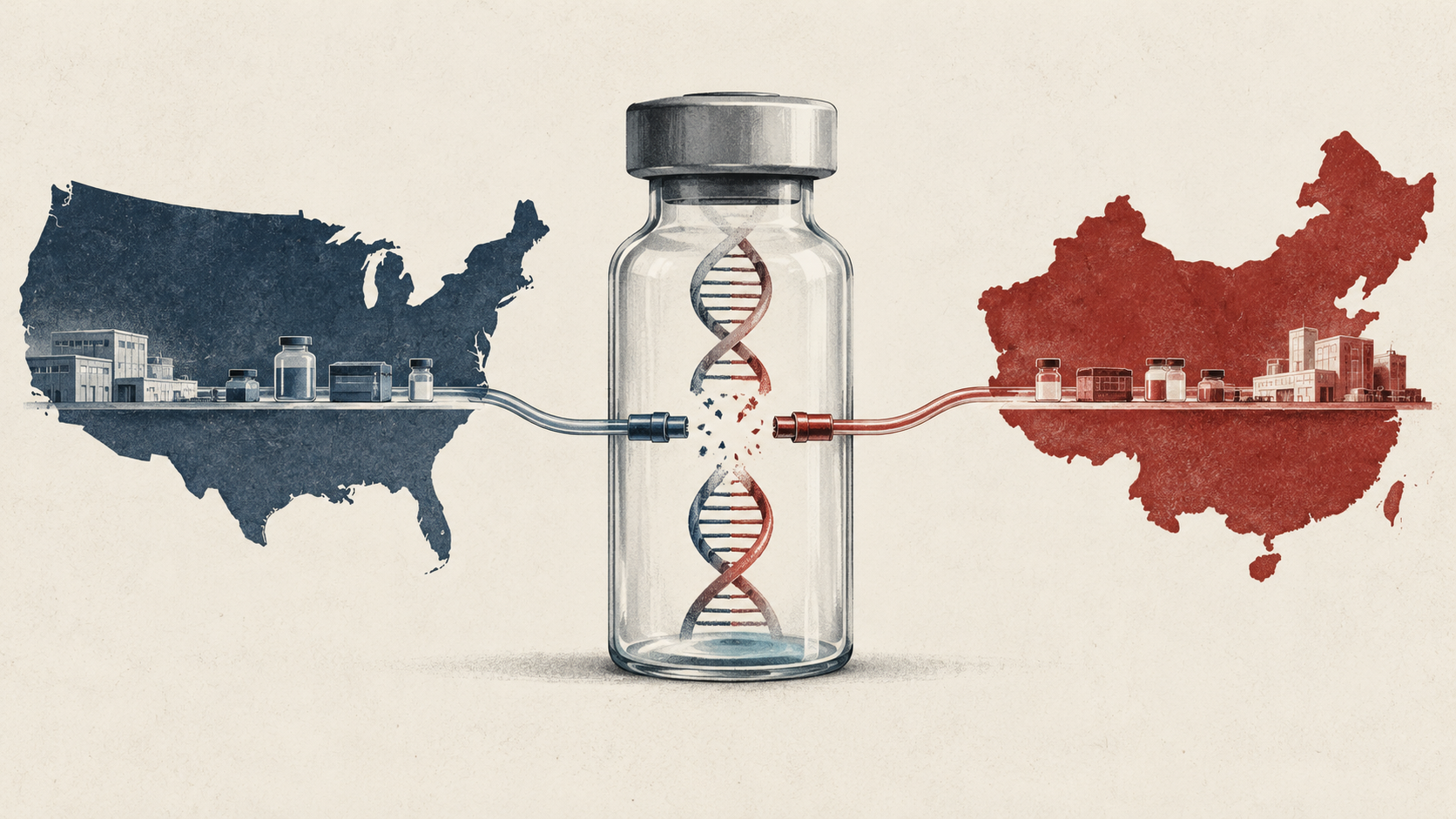
The US Treasury Department is drafting regulatory rules that would permit most pharmaceutical licensing deals between American and Chinese companies, marking a significant policy shift from broader Trump administration restrictions. The proposed framework allows US drugmakers to invest in Chinese pharmaceutical development except for areas involving pathogens or weaponizable biotechnology. This decision reflects intense lobbying by major pharmaceutical companies—Pfizer ($10.5B collaboration with Innovent Biologics covering 12 cancer programs) and Bristol Myers Squibb ($15.2B partnership with Jiangsu Hengrui Pharma)—which argue that restricting such deals cuts American firms off from rapidly growing innovative medicine sources.
For cross-border e-commerce sellers, this policy shift creates three distinct opportunities: First, the $115 billion in Chinese biotech licensing deals in 2025 (with nearly 50% of US inbound licensing involving Chinese partners) signals accelerated pharmaceutical innovation pipelines that will generate downstream demand for health/wellness product categories—vitamins, supplements, medical devices, and wellness equipment. Sellers in these categories can expect increased consumer interest as new Chinese-developed medicines gain FDA approval and market awareness. Second, the policy's carve-out for "pathogens and weaponizable biotechnology" creates a clear compliance framework that reduces regulatory uncertainty for sellers sourcing pharmaceutical ingredients, nutraceuticals, and health-tech products from Chinese manufacturers. Third, the licensing framework's emphasis on non-security-sensitive medicines opens supply chain opportunities for sellers to source finished pharmaceutical products, OTC medications, and health supplements from Chinese biotech firms at lower costs than traditional Western suppliers.
However, regulatory uncertainty remains high. Republican Representatives John Moolenaar and Debbie Dingell are co-sponsoring legislation proposing tighter Treasury regulation of biotechnology investments with Chinese entities, while Ginkgo Bioworks CEO Jason Kelly has urged restrictions citing strategic dependence concerns. The COINS Act (2025 national security law) could be weaponized to restrict pharmaceutical transactions. Conversely, Democratic Rep. Jake Auchincloss argues containment is futile given China's $100 billion biotechnology spending. The rules remain unfinalised and subject to change if President Trump intervenes, creating a 3-6 month window of policy uncertainty. For sellers, this means sourcing decisions made now could face retroactive compliance issues if restrictions tighten. The immediate opportunity window is narrow—sellers should lock in supplier relationships and negotiate long-term contracts with Chinese biotech partners before potential policy reversals.
Questions 8
How can sellers leverage the $115B Chinese biotech licensing market to grow their health product business?
The $115 billion in Chinese biotech licensing deals in 2025 signals accelerated innovation pipelines and consumer awareness growth. Sellers can capitalize by: (1) Sourcing finished health supplements and OTC medications from Chinese biotech partners at lower costs than Western suppliers; (2) Creating content marketing around new Chinese-developed medicines gaining FDA approval (e.g., cancer treatments from Innovent Biologics); (3) Expanding Amazon Health & Household and Shopify health categories with complementary products (vitamins, wellness equipment) that benefit from increased consumer interest; (4) Negotiating exclusive distribution agreements with Chinese suppliers for US market access. The policy's clarity on non-security-sensitive medicines reduces supplier uncertainty and enables longer-term partnership discussions. Pfizer's $10.5B and Bristol Myers Squibb's $15.2B deals demonstrate major pharma's commitment to Chinese innovation—smaller sellers can follow this trend by sourcing from the same Chinese biotech partners. The 3-6 month window before potential policy reversals creates urgency to establish supplier relationships and secure favorable pricing before competitors catch on.
What are the key differences between the Treasury's permissive approach and the COINS Act restrictions?
The Treasury's proposed rules permit most US-China pharmaceutical licensing deals except those involving pathogens or weaponizable biotechnology—a narrow carve-out focused on national security. The COINS Act (proposed by Rep. Moolenaar) would impose broader restrictions on biotechnology transactions with China, potentially covering non-security-sensitive medicines. The Treasury approach reflects lobbying by Pfizer and Bristol Myers Squibb, who argue licensing medicines poses no national security threat. The COINS Act reflects concerns from smaller biotech firms (Ginkgo Bioworks) and lawmakers about strategic dependence on Chinese pharmaceuticals. For sellers, the Treasury approach creates a 3-6 month opportunity window to source from Chinese biotech partners with reduced regulatory uncertainty. If the COINS Act prevails, restrictions could be retroactively applied, creating compliance risk for sellers who commit to Chinese sourcing now. Democratic Rep. Auchincloss argues containment is unlikely given China's $100 billion biotech spending, suggesting the permissive policy may ultimately prevail. Sellers should monitor both policy tracks and prepare contingency plans for either outcome.