


Oil Price Volatility & Iran Tensions | Critical Supply Chain Risk for E-Commerce Sellers
- Oil surges above $100/barrel amid US-Iran conflict; shipping costs rise 8-15% for cross-border sellers; Bab al-Mandab Strait disruptions threaten Asia-US logistics corridors




Overview
JP Morgan's unprecedented admission of forecasting inability signals extreme market volatility that directly impacts e-commerce seller profitability across all categories. The investment bank publicly stated "we simply don't know how to model the endgame" regarding oil prices amid escalating US-Iran tensions—a rare confession reflecting genuine uncertainty in energy markets. Oil has surged above $100 per barrel (up from JP Morgan's $90 fair value estimate in September), with no clear de-escalation timeline. This volatility creates immediate operational challenges for cross-border sellers relying on air freight, ocean shipping, and last-mile delivery networks.
Shipping cost compression is the primary e-commerce impact. Fuel surcharges on major carriers (FedEx, UPS, DHL) typically increase 8-15% when crude exceeds $100/barrel. For sellers shipping 1,000+ units monthly via FBA or 3PL networks, this translates to $200-400 additional monthly costs per fulfillment center. Amazon FBA sellers in electronics, home goods, and apparel categories face immediate margin pressure, as fuel surcharges are passed through logistics networks within 2-4 weeks. Sellers with thin margins (5-10% net) in commodity categories (basic apparel, home décor) will see profitability drop below break-even thresholds.
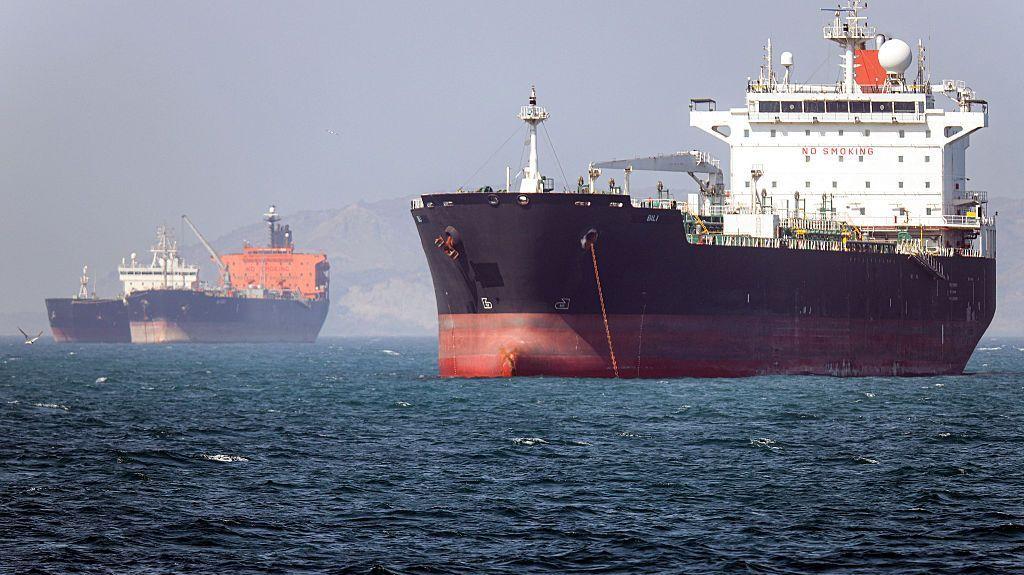
The Bab al-Mandab Strait disruption creates critical supply chain risk. Yemen's Houthis—backed by Iran—control this critical chokepoint connecting the Red Sea to the Indian Ocean, forcing shipping lines to reroute around Africa's Cape of Good Hope. This adds 10-14 days to Asia-US transit times and increases ocean freight costs 15-25% for containerized goods. Sellers sourcing from Vietnam, India, and Bangladesh (apparel, electronics, home goods) face extended lead times and higher landed costs. The Federal Reserve's interest rate increase—cited as inflation-driven by elevated energy costs—also raises working capital costs for sellers financing inventory through credit lines.
Market uncertainty extends beyond November 2024 elections. Trump administration policy decisions regarding Iran remain unpredictable, preventing sellers from locking in long-term shipping contracts. This creates a 6-12 month window of elevated logistics costs and supply chain risk. Sellers must immediately reassess inventory positioning, consider nearshoring to Mexico/Central America for US-bound goods, and evaluate 3PL providers with diversified shipping routes avoiding the Red Sea corridor.
Questions 8
Should I lock in long-term shipping contracts now or wait for oil prices to stabilize?
JP Morgan's public admission that it 'simply doesn't know' how to forecast oil prices reflects genuine uncertainty extending beyond November 2024 elections. Trump administration policy decisions regarding Iran remain unpredictable, preventing reliable long-term forecasting. Rather than locking in contracts at current elevated rates, negotiate 3-6 month agreements with price adjustment clauses tied to fuel surcharge indices. Diversify your 3PL provider network across multiple carriers and routes to hedge against single-corridor disruptions. Consider splitting shipments: 60% via traditional ocean routes (accepting longer transit) and 40% via nearshore 3PL in Mexico for faster replenishment. This balanced approach protects against both price spikes and supply chain bottlenecks.
What is the impact of Bab al-Mandab Strait disruptions on Asia-to-US shipping?
The Houthi-controlled strait forces shipping lines to reroute around Africa's Cape of Good Hope, adding 10-14 days to transit times and increasing ocean freight costs 15-25% for containerized goods. Sellers sourcing from Vietnam, India, and Bangladesh (apparel, electronics, home goods) face extended lead times and higher landed costs. A standard 40-foot container from Shanghai to Los Angeles now costs $3,500-4,200 (up from $2,800-3,200 pre-disruption). This impacts inventory turnover and working capital efficiency. Sellers should immediately contact their freight forwarders to explore alternative routes via the Suez Canal (if politically feasible) or nearshore sourcing from Mexico, which offers 2-3 week transit times to US ports.