



Rising Treasury Yields & Rate Hikes Hit Cross-Border Seller Financing Costs
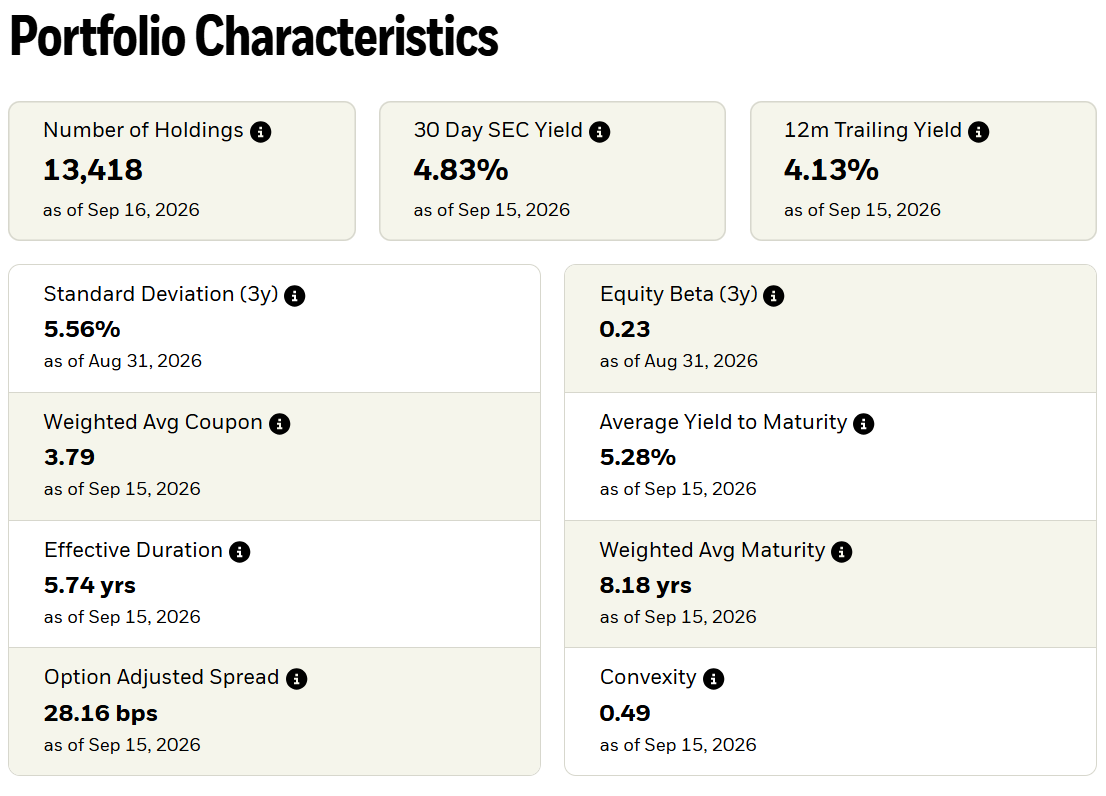
- 5% Treasury yields increase working capital financing by 150-200 bps; 55.4% probability of October Fed hike pressures inventory loans and payment processing fees for 2M+ e-commerce sellers



Overview
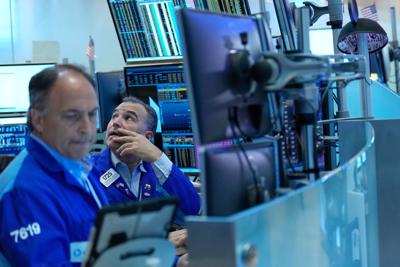
Global interest rate tightening is fundamentally reshaping cross-border seller economics. With US Treasury yields surpassing 5% for the first time in this cycle and the Federal Reserve signaling a 55.4% probability of another rate hike in October (up from 42.5% the previous week), sellers face immediate cost pressures across three critical financial levers: working capital financing, payment processing fees, and FX hedging expenses.
Working Capital Financing Impact: Sellers relying on inventory loans, purchase order financing, and invoice factoring will see APR rates increase 150-200 basis points within 30-60 days. For a mid-sized seller with $500K in monthly inventory financing, this translates to $6,250-$8,333 in additional monthly interest costs. Platforms like Amazon Lending and third-party providers (Clearco, Fundbox, Kabbage) are already repricing their products upward. Sellers should lock in fixed-rate financing NOW before October rate decision; variable-rate products become significantly more expensive post-hike.
Payment Processing & Cross-Border Costs: Higher rates increase payment processor funding costs, which cascade to seller fees. Stripe, PayPal, and 2Checkout typically pass through 20-40% of rate increases to cross-border payment fees within 60 days. For sellers processing $100K monthly in international transactions, expect $200-400 additional monthly costs. Additionally, elevated oil prices ($100+/barrel) directly pressure DHL, FedEx, and UPS shipping rates—diesel surcharges typically increase 8-12% when crude exceeds $100/barrel, affecting logistics costs for electronics, apparel, and home goods categories.
FX Risk & Hedging Costs: Central banks globally (Bank of Japan at 31-year high rates, ECB tightening, Bank of England signaling future increases) are creating currency volatility. Sellers with EUR, GBP, or JPY exposure face higher hedging costs. Forward contracts and currency options now cost 40-60% more than 90 days ago. Sellers with 30-40% of revenue in EU/UK markets should consider locking in FX rates for Q4 2024 inventory purchases immediately.
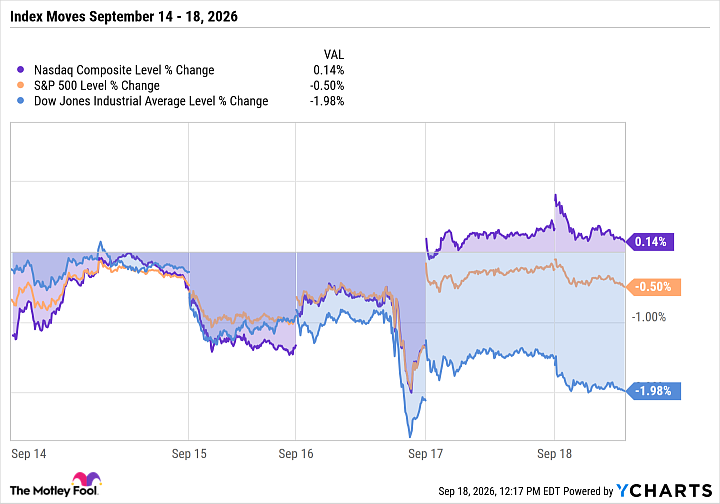
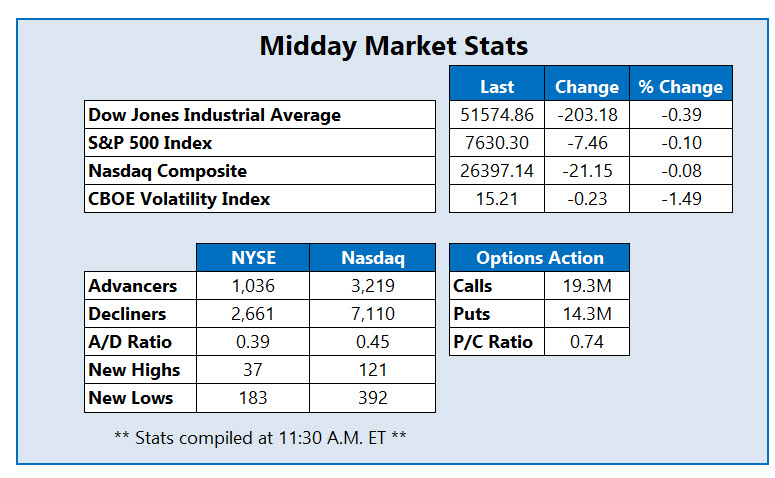
Semiconductor & Tech Stock Volatility: The news reports semiconductor stocks drove Nasdaq gains (+0.40%), but underlying weakness (346 new lows vs. 92 new highs on NYSE) signals selective strength. Electronics sellers should monitor component supply chains—rate hikes typically reduce manufacturing investment, potentially easing chip shortages but also signaling softer demand ahead. Cryptocurrency-linked firms gained 9.1-16.4% as Bitcoin jumped 5.9%, indicating some sellers are hedging rate risk through crypto exposure, though this carries regulatory and volatility risks.
Immediate Actions Required: (1) Review all financing agreements for rate adjustment clauses; lock in fixed rates before October Fed decision. (2) Audit payment processor contracts—negotiate volume discounts to offset fee increases. (3) For sellers with >25% international revenue, implement FX hedging strategy using forward contracts or options. (4) Evaluate 3PL providers for fuel surcharge transparency; some offer fuel-neutral pricing models. (5) Monitor inventory levels—higher carrying costs make excess stock more expensive; optimize turnover velocity.
Questions 8
What is the connection between crude oil prices above $100/barrel and my shipping costs?
Crude oil prices settling above $100/barrel directly increase diesel surcharges applied by **DHL**, **FedEx**, and **UPS**. When crude exceeds $100/barrel, fuel surcharges typically rise 8-12%, adding $200-400 monthly to sellers processing 1,000+ shipments. The news reports oil prices reversed earlier session gains but remain elevated due to geopolitical tensions (Houthi attacks on Saudi infrastructure). **Action**: Review your 3PL contracts for fuel surcharge clauses; negotiate volume discounts or switch to providers offering fuel-neutral pricing models within 14 days.
How will the 5% Treasury yield and potential October Fed rate hike affect my inventory financing costs?
Treasury yields at 5% and a 55.4% probability of another Fed rate hike in October will increase inventory loan APRs by 150-200 basis points within 30-60 days. For a seller with $500K monthly inventory financing, this means $6,250-$8,333 in additional monthly interest costs. Amazon Lending, Clearco, and Fundbox are already repricing products upward. **Action**: Lock in fixed-rate financing immediately before the October decision; variable-rate products will become significantly more expensive post-hike. Contact your lender within 7 days to secure rates.