


Russia Asset Seizures Escalate | Critical Risk for Cross-Border Food & Consumer Goods Sellers
- Putin's September 2024 decree seizes $50B+ in foreign assets; 1,000+ companies already exited; sellers face supply chain disruption, payment processing risks, and inventory exposure in Russian market
















Overview
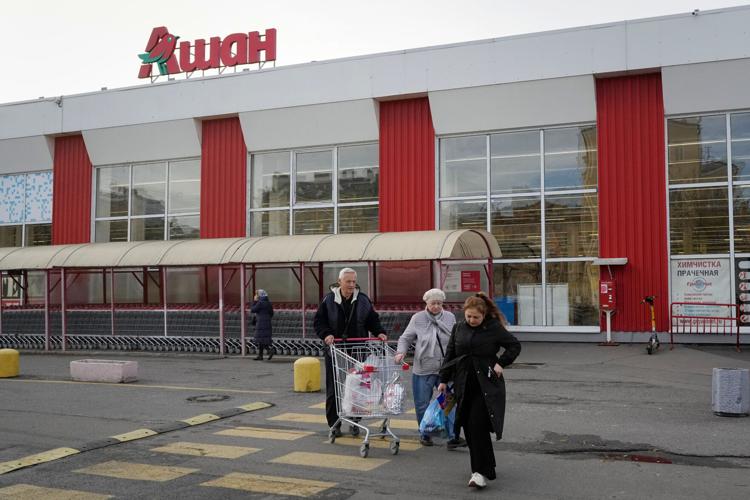
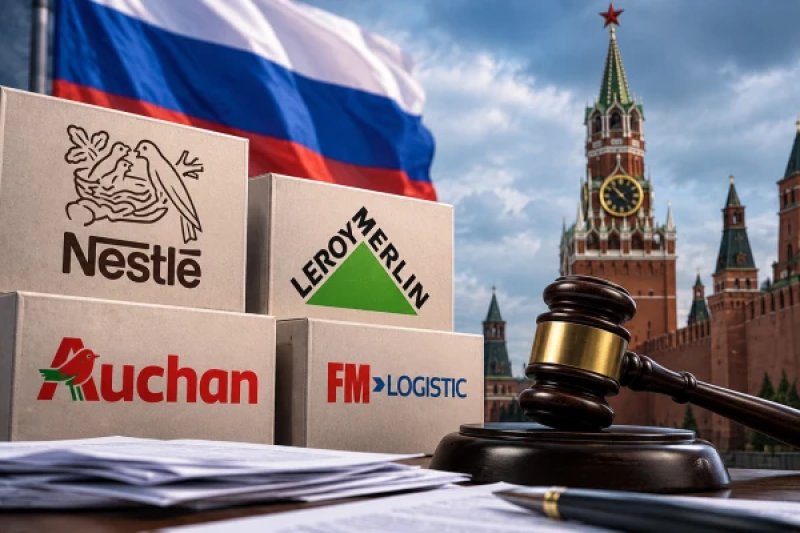
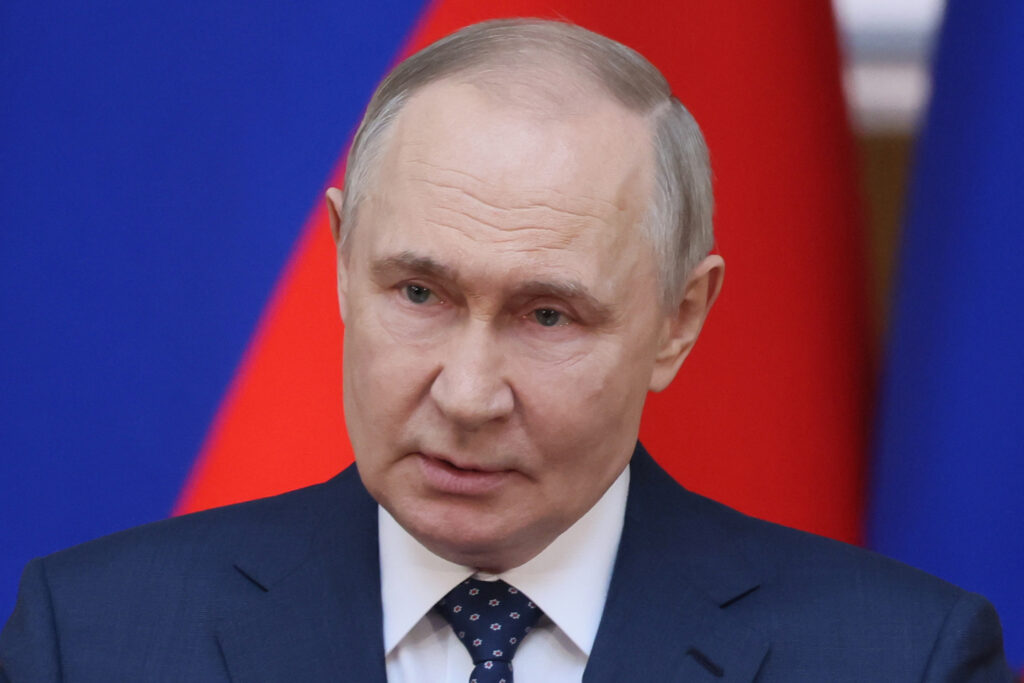
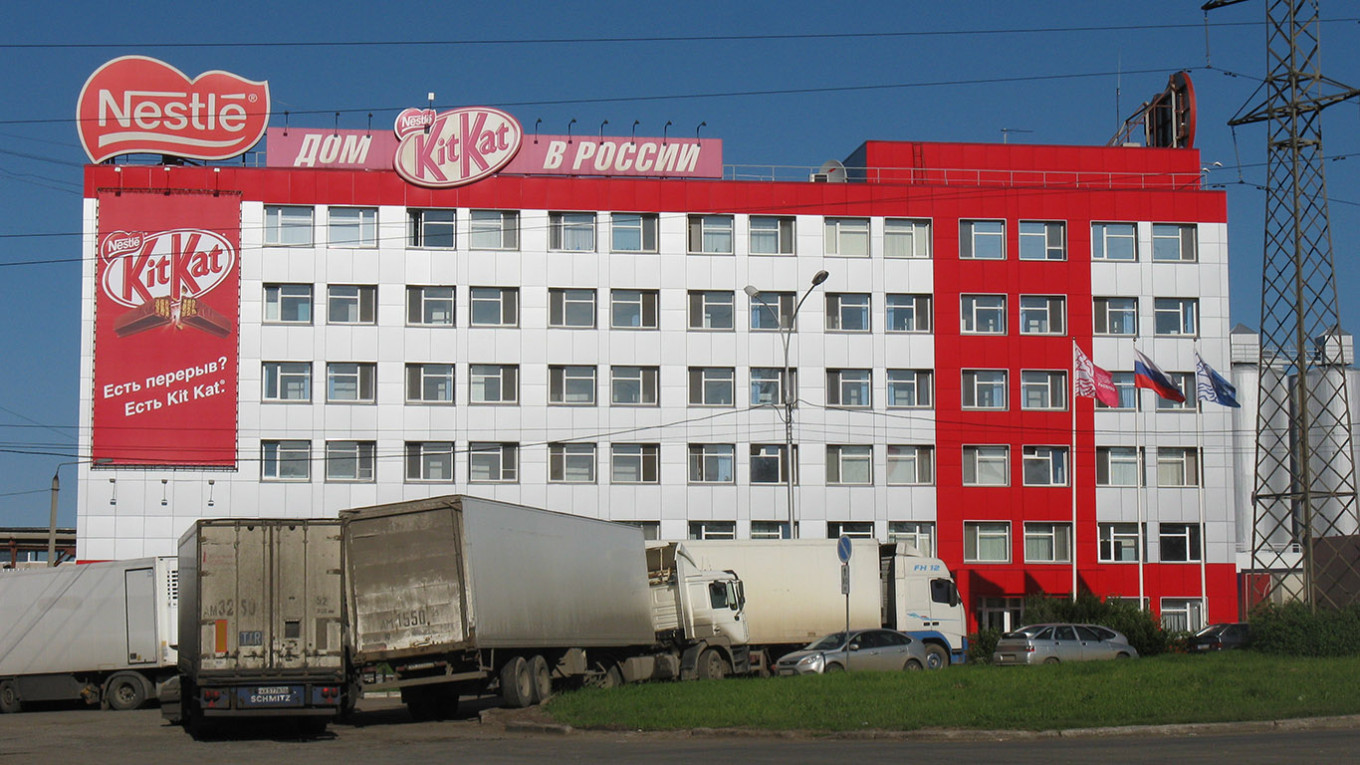
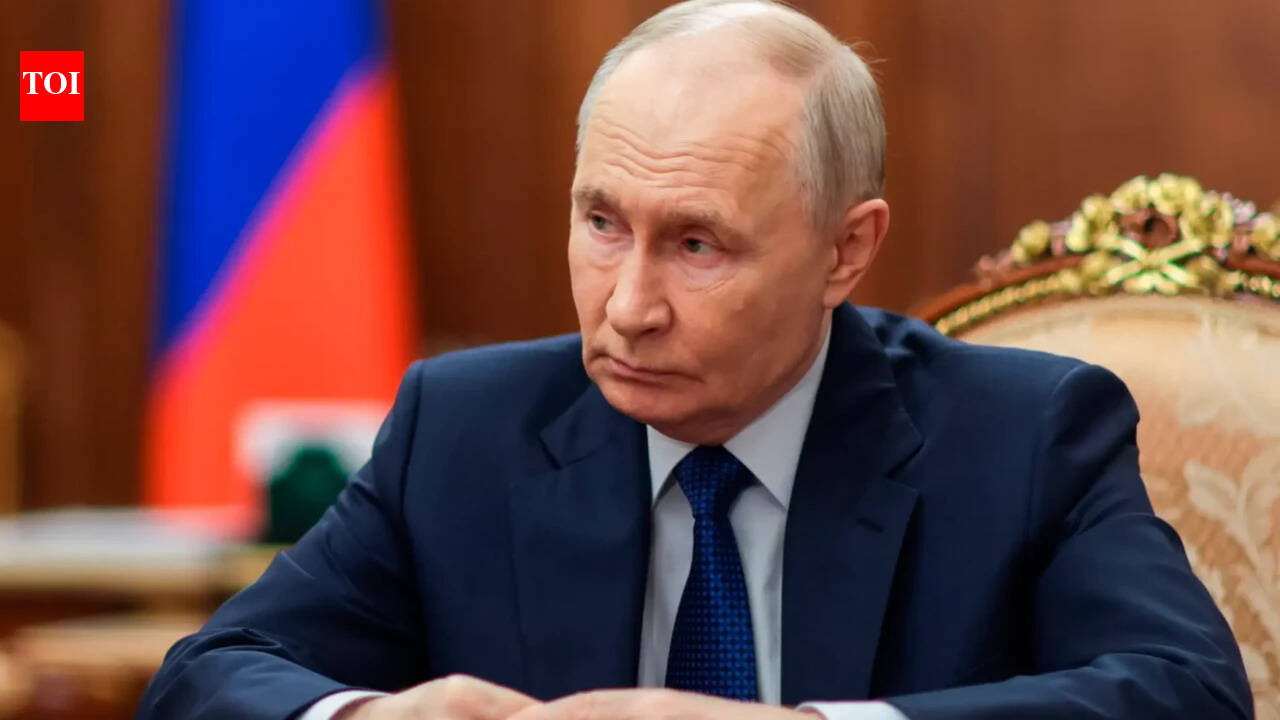
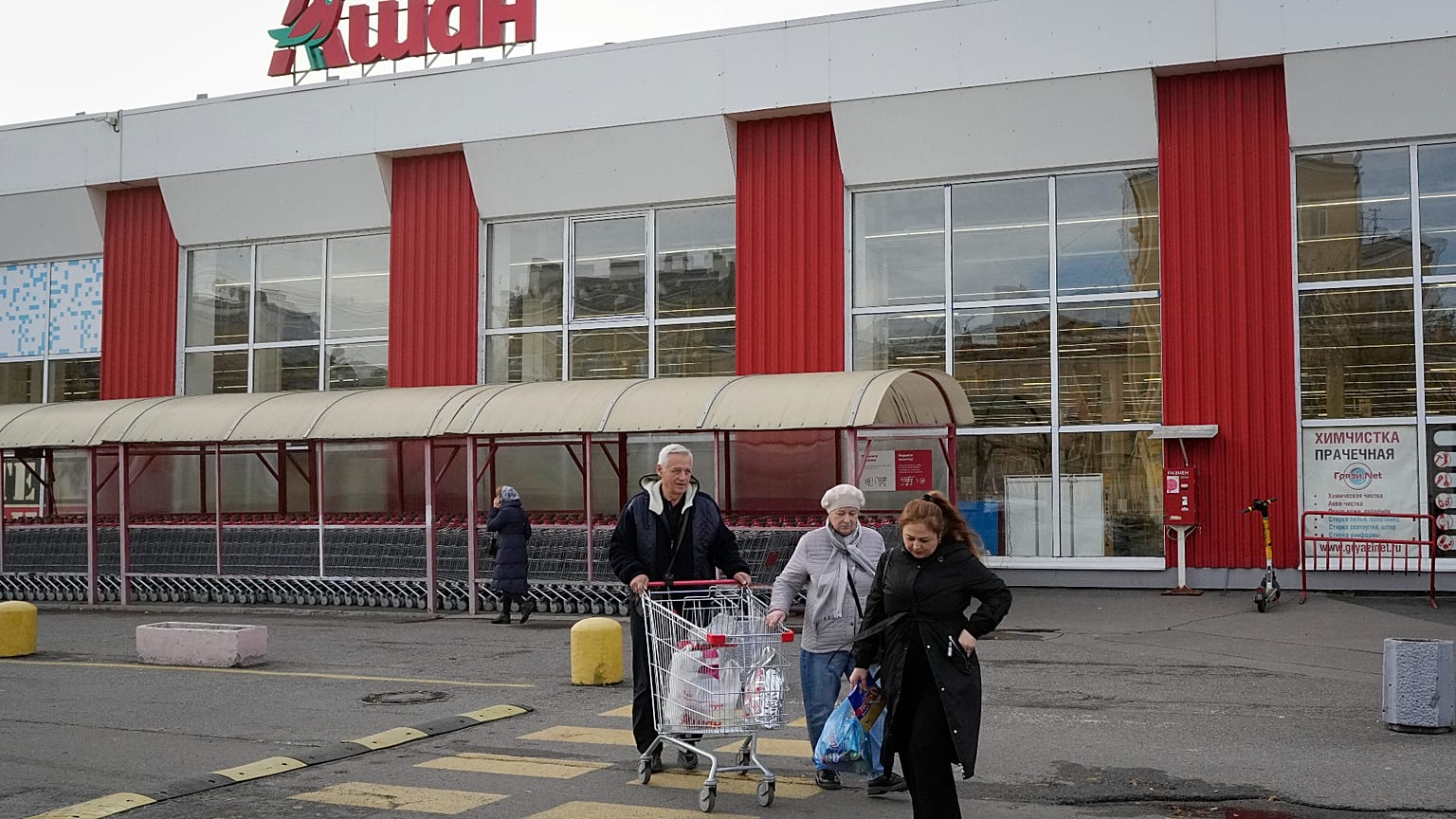
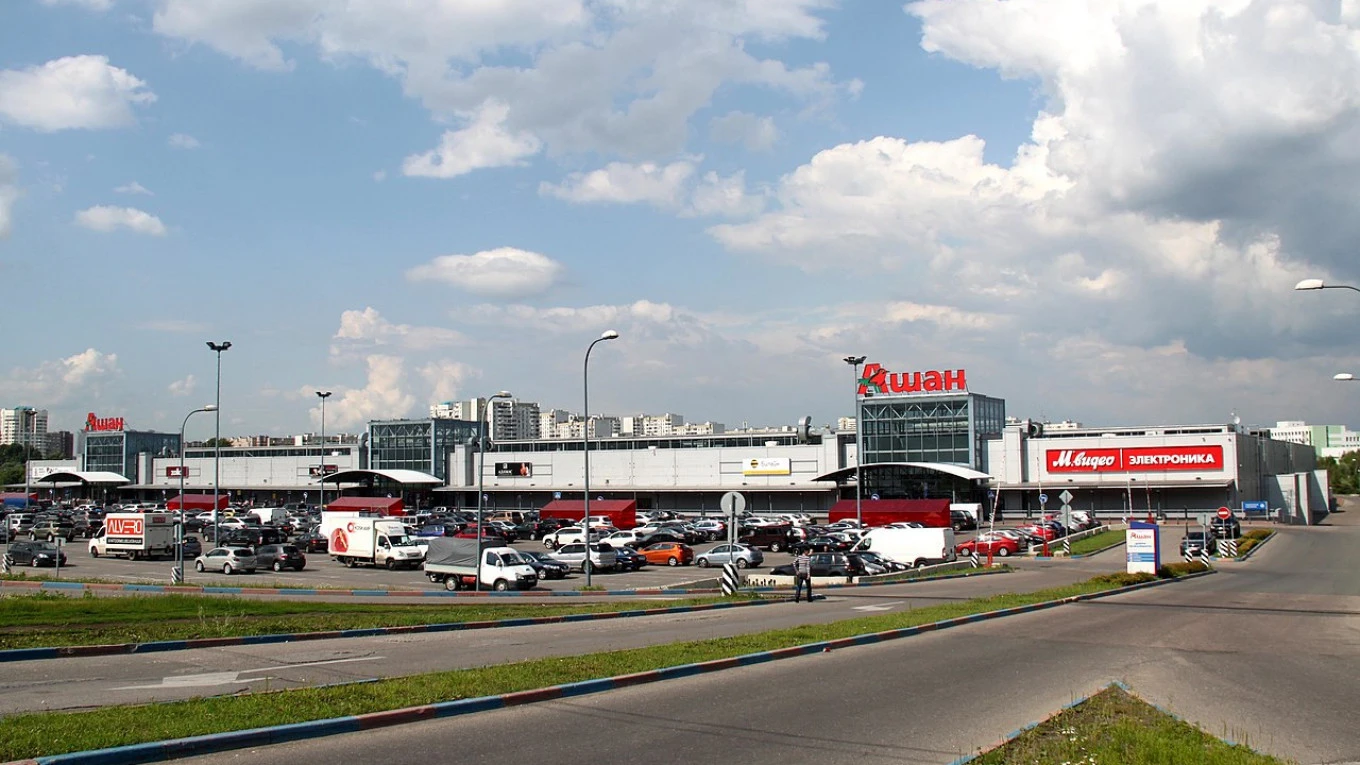
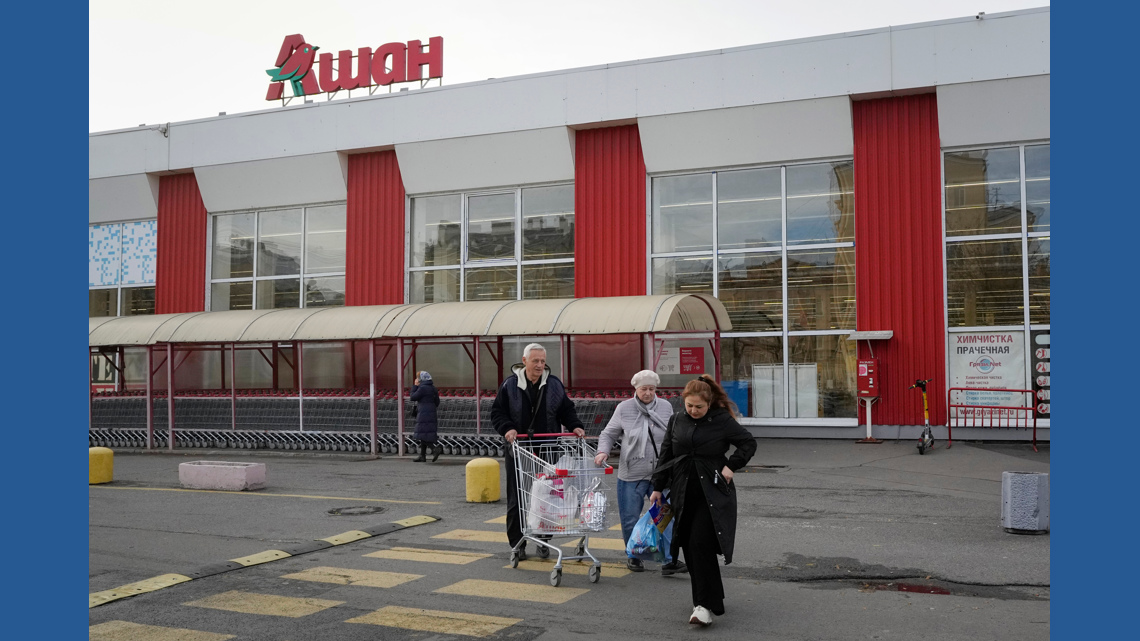
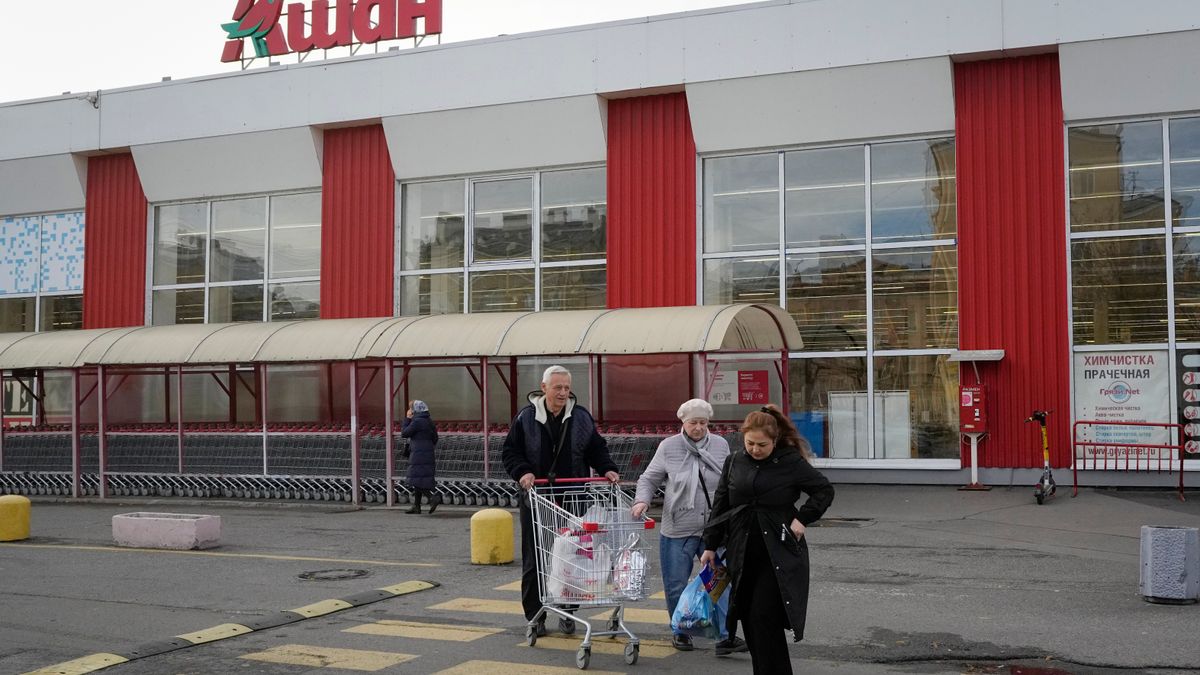
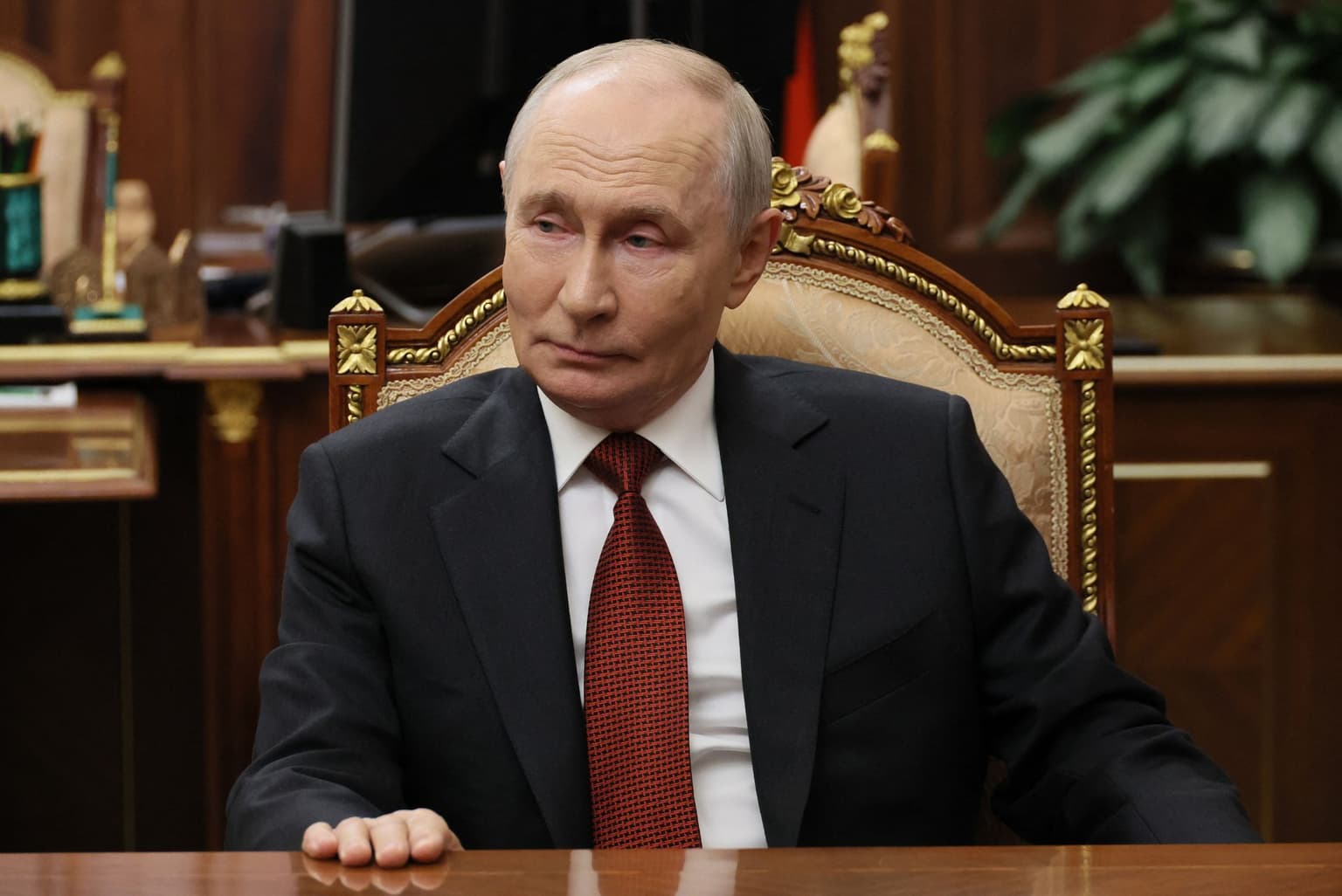
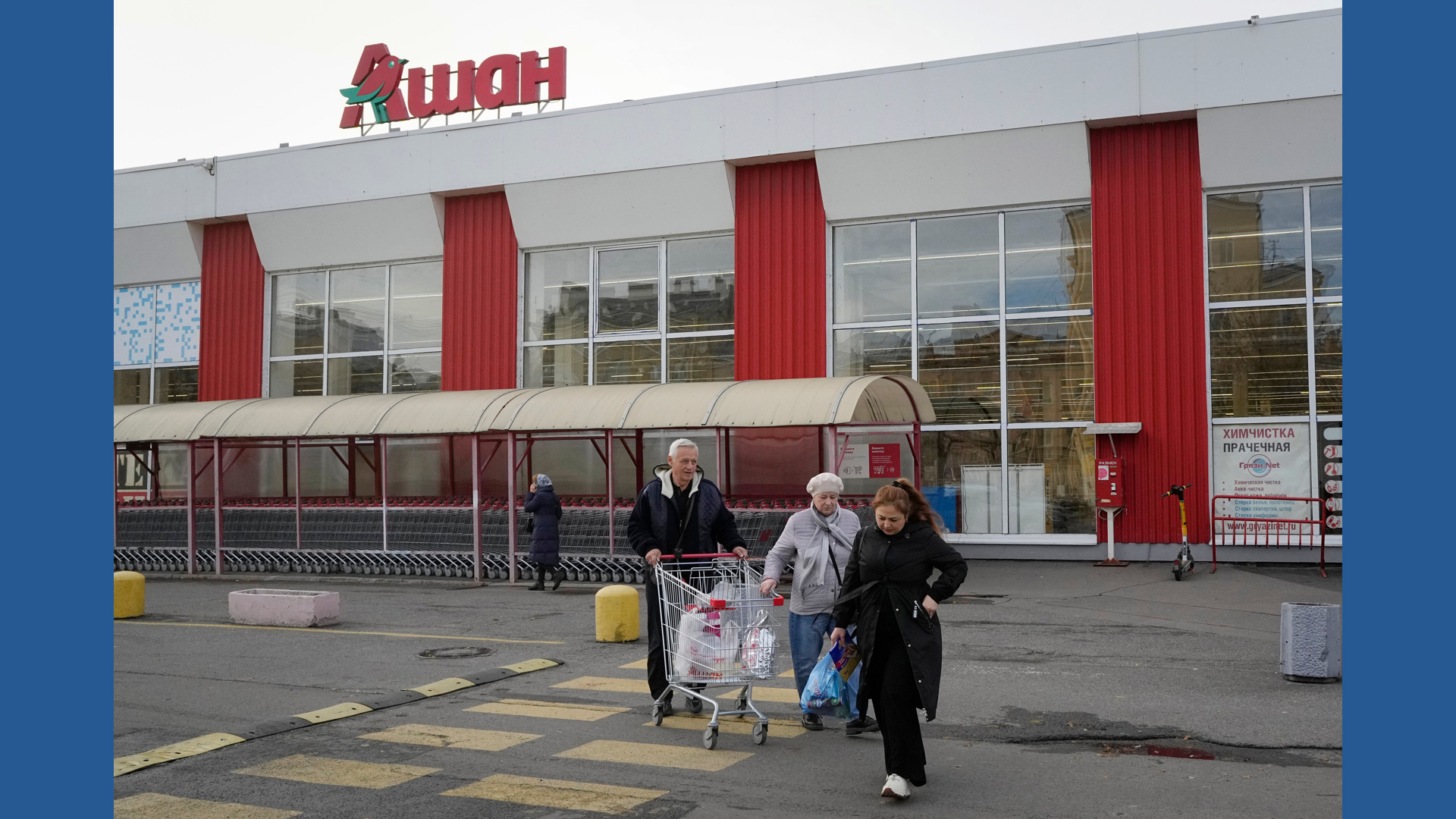
Russia's September 18, 2024 presidential decree represents a watershed moment for cross-border e-commerce sellers with Russian market exposure. President Putin ordered Nestlé's six Russian factories and Auchan's 230 stores plus online operations placed under temporary state administration via L.E.V. Management—a Kremlin-linked entity. This follows Russia's seizure of over $50 billion in foreign private property since the 2022 Ukraine invasion, including prior takeovers of Danone and Carlsberg subsidiaries. For sellers, this signals an irreversible shift: temporary administration frameworks consistently precede full state expropriation with minimal compensation prospects.
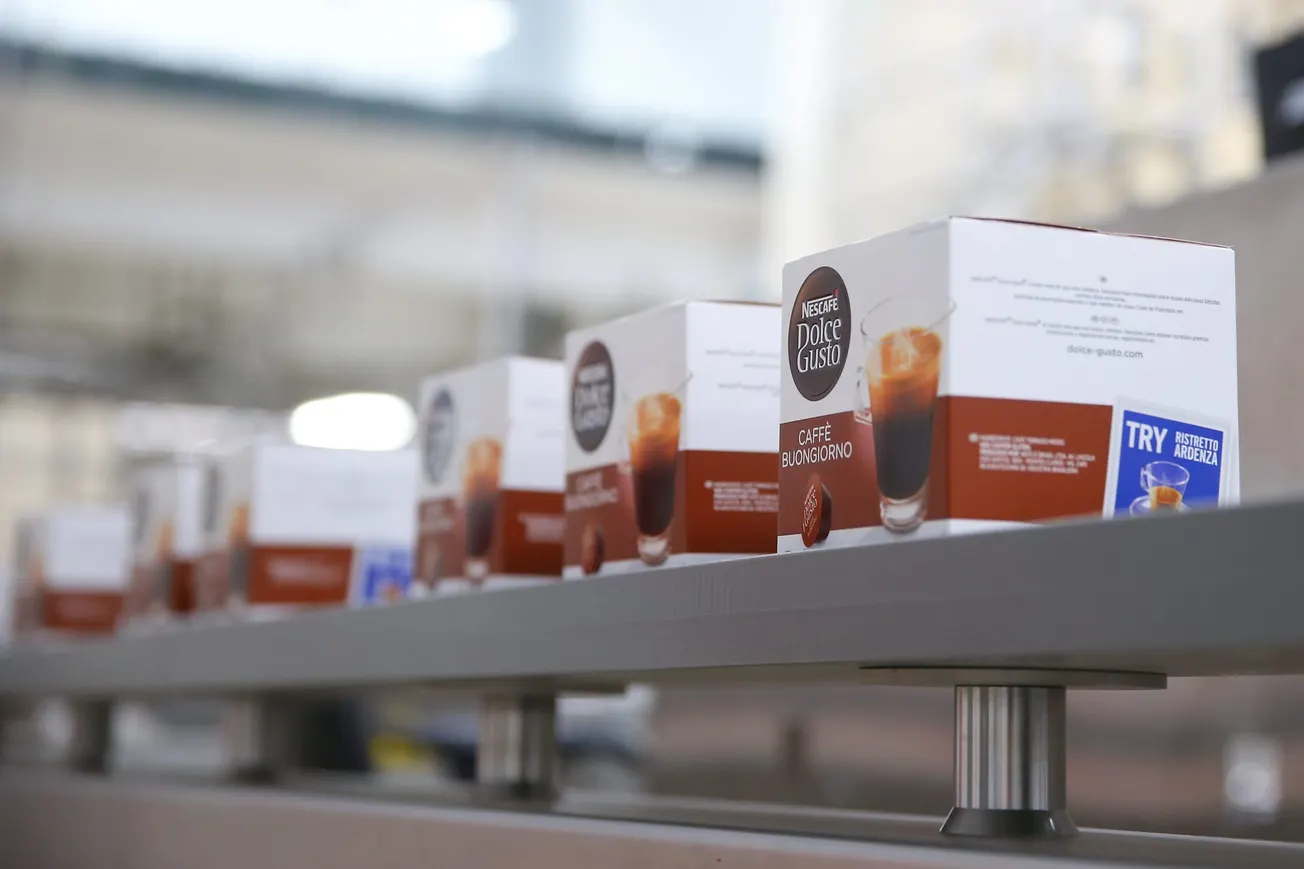
The operational impact on cross-border sellers is immediate and multifaceted. Nestlé's Russian operations generated approximately 2.4 billion Swiss francs (roughly $2.6B USD) in 2024 sales across six manufacturing sites employing 7,000+ people, producing coffee, pet care products, and infant formula—categories with significant cross-border e-commerce demand. Auchan's 230 physical stores plus online presence employed 30,000 workers. The seizure demonstrates that even partial market presence (Nestlé's Russia represented only 2% of group revenue) triggers government intervention. For sellers exporting food products, pet supplies, and consumer goods to Russia, this creates three critical risks: (1) Supply chain disruption—seized manufacturing facilities may redirect output to state-controlled distribution, cutting off independent seller sourcing; (2) Payment processing collapse—Western payment processors have already withdrawn from Russia, and state seizures accelerate this exodus; (3) Inventory exposure—sellers with Russian warehousing or consignment inventory face potential confiscation without legal recourse.
The competitive landscape is shifting decisively toward Russian domestic sellers and state-approved suppliers. Over 1,000 foreign companies voluntarily exited Russia post-2022 invasion, but this decree signals that even reduced operations no longer provide protection. Nestlé had already scaled back its Russian product range significantly post-invasion, yet faced seizure anyway—demonstrating that compliance and operational minimization offer no shield against nationalization. Moscow law firm NSP estimates Russia has seized $50+ billion in private property since 2022, with temporary administration serving as a revenue-raising mechanism for the state while rewarding Kremlin-connected insiders. Sellers must recognize this as a structural market closure, not a temporary disruption. The timing—announced during State Duma elections where Putin's United Russia Party secured overwhelming parliamentary majority—signals political consolidation enabling further asset seizures without domestic opposition.
For sellers currently operating in or trading with Russia, the window for orderly exit is closing. Switzerland's formal diplomatic protest and pledge to support Nestlé's reversal efforts suggest minimal near-term resolution prospects. Bank Vontobel projects marginal financial impact for Nestlé despite asset impairment, while Kepler Cheuvreux warns of permanent asset loss with minimal compensation. Sellers should immediately audit Russian market exposure: inventory levels, payment receivables, supplier dependencies, and logistics partnerships. Categories most at risk include pet supplies (Purina seizure), coffee products, infant formula, and packaged foods—all high-margin cross-border categories. The precedent is now established: Western companies face expropriation regardless of operational scale or compliance efforts.
Questions 8
What does Russia's seizure of Nestlé and Auchan mean for sellers exporting to Russia?
Russia's September 18, 2024 decree placing Nestlé's six factories and Auchan's 230 stores under state administration signals permanent market closure for Western sellers. Nestlé operated 7,000+ employees across Russian manufacturing sites generating ~$2.6B in annual sales, yet faced seizure despite scaling back operations post-invasion. This demonstrates that operational presence—regardless of scale or compliance—triggers expropriation. Sellers exporting food, pet supplies, and consumer goods should immediately halt new Russian shipments, liquidate existing inventory, and redirect supply chains to alternative markets. The precedent is now established: temporary administration precedes full state expropriation with minimal compensation prospects.
How much foreign property has Russia seized since 2022?
Russia has seized over $50 billion in foreign private property since the 2022 Ukraine invasion began, according to Moscow law firm NSP. This includes Nestlé's Russian operations (valued at ~$2.6B annually), Auchan's 230-store retail network, plus prior seizures of Danone and Carlsberg subsidiaries. Over 1,000 foreign companies voluntarily exited Russia post-invasion, but this decree demonstrates that even reduced operations no longer provide protection. The seizure scale is unprecedented since Soviet Union collapse, representing systematic asset redistribution to Kremlin-connected entities. Sellers should recognize this as structural market closure, not temporary disruption. The $50B+ seizure total indicates Russia is using asset confiscation as a state revenue mechanism while consolidating political control.