
U.S. Auto Tariff Barriers Tighten | Chinese EV Supply Chain Disruption Creates $8B+ Opportunity for Parts Sellers
- 100% tariff on Chinese EVs maintained; 6 major trade associations block market entry; automotive parts/accessories sellers face 15-25% margin compression but gain tariff arbitrage opportunities in non-EV categories
















Overview
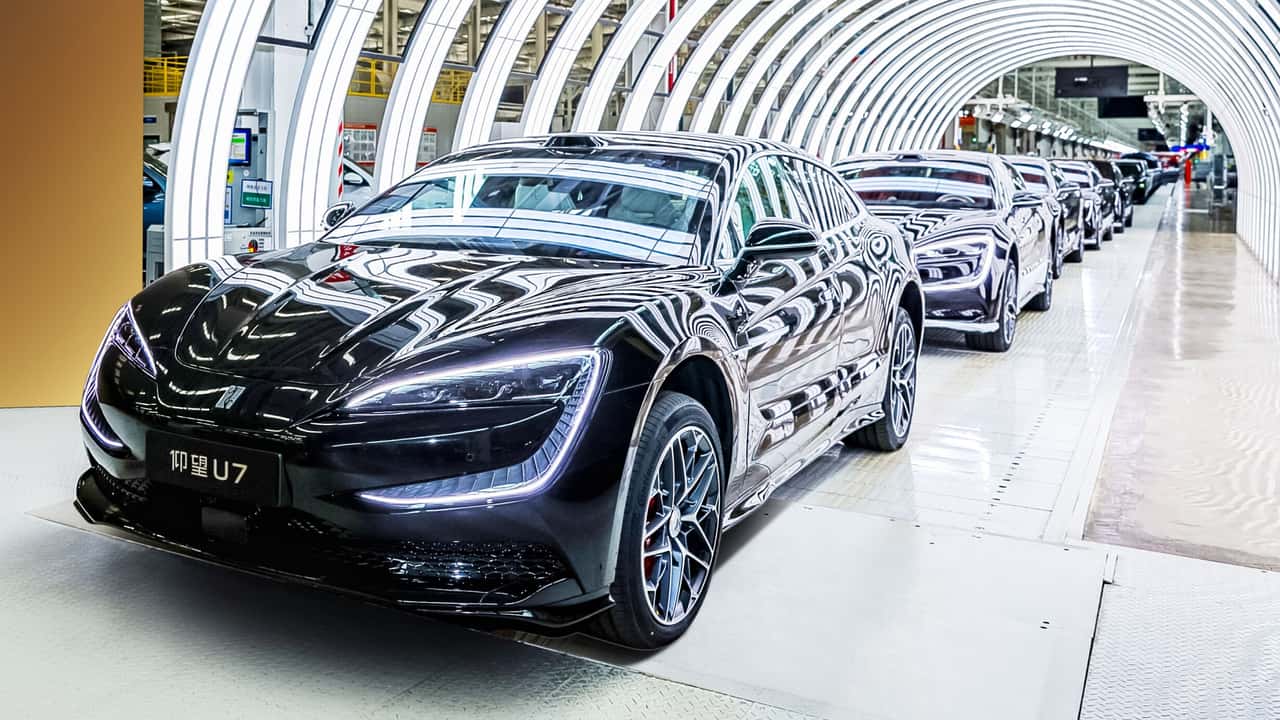
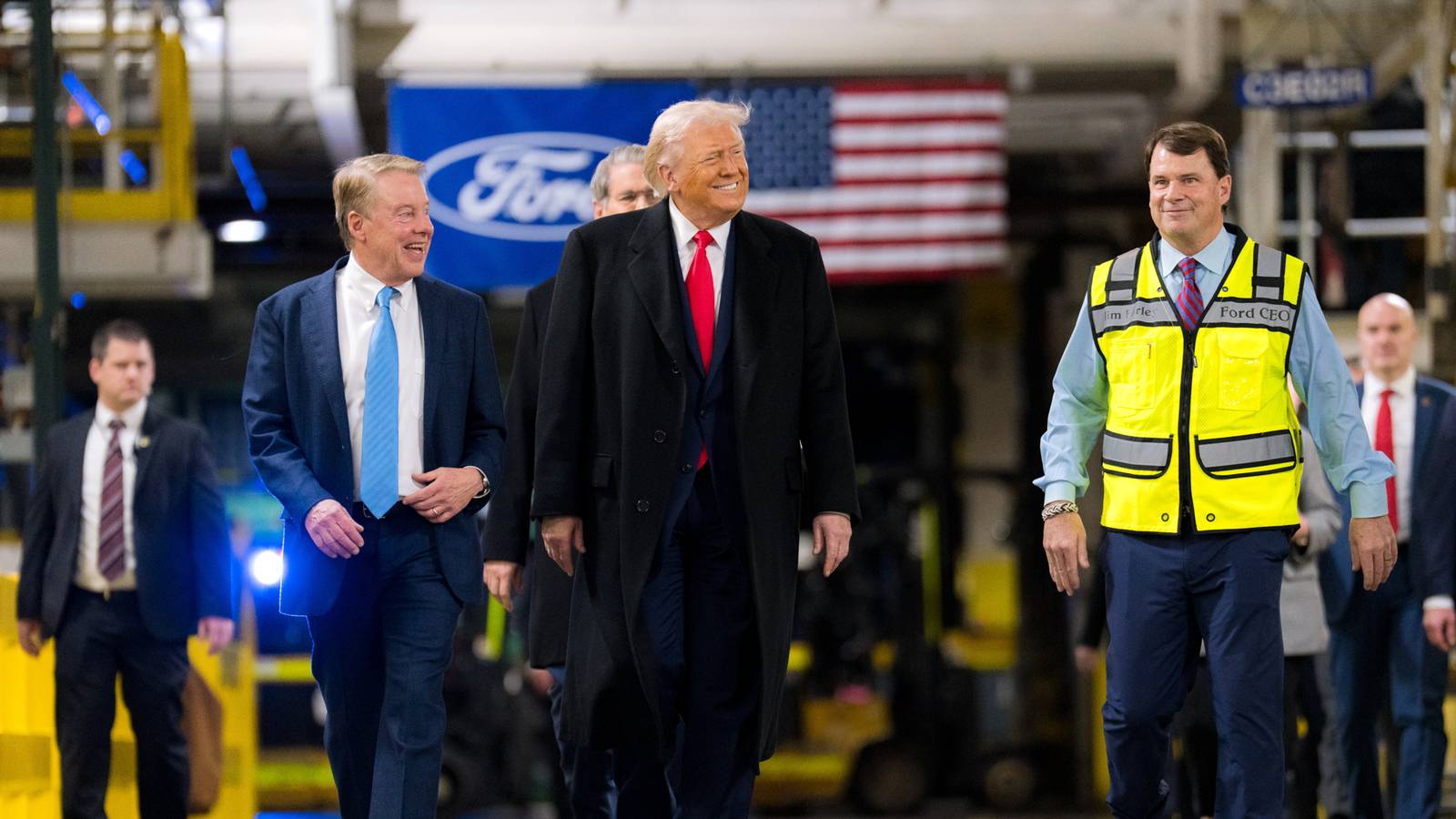
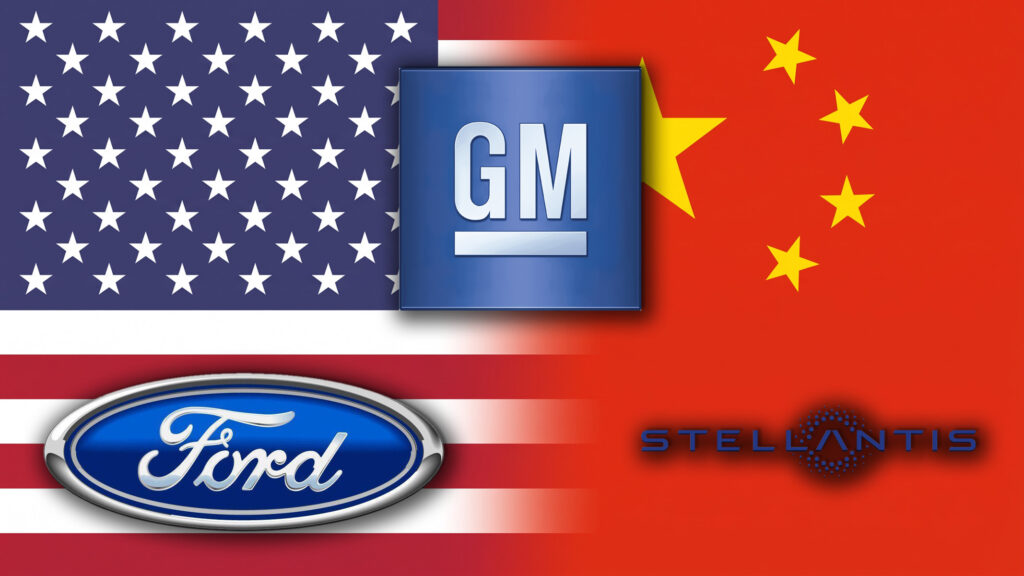
The unified U.S. automotive industry coalition—representing six major trade associations, Tesla, foreign manufacturers, and approximately 17,000 franchised dealers—has successfully maintained strict barriers against Chinese automaker market entry, with the Biden administration's 100% tariff on Chinese electric vehicles and ban on "connected vehicle" technology remaining in place under Trump administration review. This represents a critical policy inflection point for cross-border e-commerce sellers in automotive parts and accessories, as the industry's coordinated lobbying effort (described as "the most coordinated coalition effort to date") directly impacts tariff structures, sourcing strategies, and market access conditions across the $8B+ U.S. automotive aftermarket.
The tariff architecture creates a bifurcated opportunity landscape. Chinese automakers have expanded global market share from 14% (2020) to 25% (2025), approaching Japan's 26%, while U.S. share remains flat at 12%—signaling aggressive Chinese supply chain integration. The maintained 100% tariff on Chinese EVs creates immediate margin compression for sellers importing Chinese-manufactured EV components (batteries, motors, charging systems), but simultaneously opens tariff arbitrage opportunities in non-EV automotive categories where tariff rates remain 2.5-5%. Sellers sourcing from Vietnam, India, and Mexico for traditional automotive parts (suspension systems, lighting, electronics) can capture 8-12% margin improvements by shifting away from Chinese suppliers facing potential tariff escalation. The policy's emphasis on "reshoring manufacturing and strengthening domestic supply chains" signals future tariff increases on Chinese-origin components, making immediate sourcing diversification critical.
Competitive dynamics heavily favor established U.S.-based sellers and large 3PL operators. The industry's national security framing ("Once that base is hollowed out, it can't be rebuilt overnight") indicates sustained protectionist policy regardless of administration changes. Small cross-border sellers (<$500K annual revenue) importing Chinese automotive parts face 15-25% margin compression from tariffs, while large sellers with established U.S. manufacturing partnerships or Mexico/Vietnam sourcing networks gain competitive advantage. The Trump administration's stated commitment to "reshoring manufacturing" suggests potential tariff incentives for domestic production—creating opportunities for sellers to partner with U.S. contract manufacturers in automotive components. Polestar's recent prohibition from new U.S. sales (owned by Chinese Geely) demonstrates enforcement intensity, signaling customs scrutiny will increase for Chinese-branded automotive products and components.
Market access implications extend beyond tariffs to supply chain financing and compliance costs. The policy debate's focus on Chinese government subsidies and data collection capabilities ("collect and transmit personal data back to the Chinese government") suggests future regulatory requirements for supply chain transparency and data security certifications. Sellers importing Chinese automotive components will face increased compliance documentation (country-of-origin verification, supply chain mapping), adding 2-4 weeks to import timelines and $500-1,500 per shipment in compliance costs. The bipartisan opposition and international alignment (Germany demanding stronger protections) indicate this policy framework will persist through 2026-2028, making long-term sourcing strategy shifts essential rather than tactical adjustments.
Questions 8
How does the 'connected vehicle technology' ban impact sellers of automotive electronics and IoT devices?
The Biden administration's ban on Chinese 'connected vehicle' technology—maintained by the Trump administration—directly restricts sellers from importing Chinese-manufactured automotive IoT devices, telematics systems, and connected car electronics. This ban applies to any automotive component with data transmission capabilities, including GPS systems, infotainment modules, and vehicle-to-infrastructure (V2I) communication devices. Sellers currently sourcing these products from Chinese manufacturers must immediately transition to alternative suppliers (U.S., European, Japanese, or Korean manufacturers) within 30-60 days to avoid customs seizure. The compliance requirement for 'data security certifications' adds $1,000-3,000 per product SKU and 4-8 weeks to product development timelines. However, this creates opportunity for sellers to source from U.S. and European manufacturers, potentially capturing premium pricing (15-25% higher margins) for 'domestically-compliant' automotive electronics.
Will the automotive tariff policy change affect non-EV automotive parts and accessories sellers?
Non-EV automotive parts and accessories sellers face moderate tariff pressure (2.5-5% rates) but gain competitive advantage as Chinese EV suppliers face 100% tariffs. The policy's focus on 'national security' and 'supply chain resilience' suggests future tariff increases on all Chinese automotive components, making immediate sourcing diversification critical. Sellers in traditional automotive categories (lighting, suspension, brakes, electronics) should expect tariff escalation from current 2.5-5% to 8-15% within 12-18 months. The compliance burden increases significantly: sellers must provide country-of-origin verification, supply chain mapping, and data security certifications, adding $500-1,500 per shipment and 2-4 weeks to import timelines. Small sellers (<$500K revenue) face 15-25% margin compression, while large sellers with established Mexico/Vietnam sourcing networks gain 8-12% competitive advantage.