




Fed Rate Hikes 2024-2027 | Cross-Border Sellers Face Higher Financing Costs
- 3-4 additional rate hikes expected by 2027, pushing borrowing costs up 150-200 basis points for inventory and working capital financing


Overview
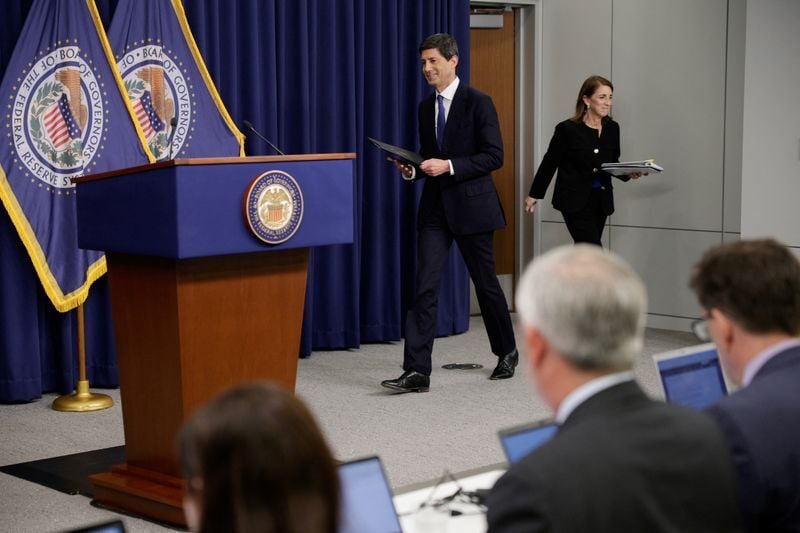
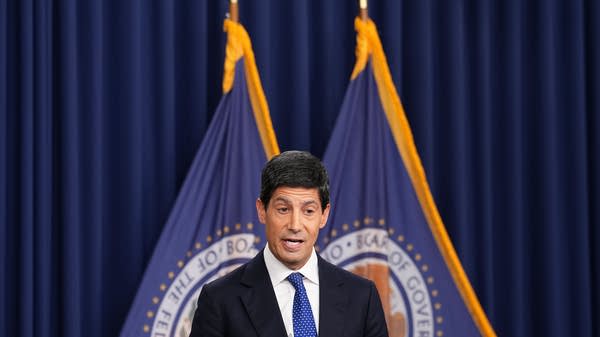
Federal Reserve Chairman Kevin Warsh's recent 0.25% rate increase on Wednesday marks the first hike since 2023, with his deliberate framing of "removing accommodation" signaling a more aggressive hiking cycle ahead. Market expectations have shifted dramatically: Goldman Sachs and Bank of America both added October rate hike forecasts, with CME FedWatch odds jumping from 42% to 58% within one week. Futures markets are pricing in a fed funds rate near 4.635% by end-2027, implying three to four additional hikes beyond the current 3.75-4% range.
For cross-border e-commerce sellers, this monetary policy shift creates immediate financing headwinds. Working capital financing costs will rise 150-200 basis points over the next 24-36 months, directly impacting inventory loans, purchase order financing, and invoice factoring—the three primary financing mechanisms for sellers managing cash conversion cycles. Sellers currently accessing inventory financing at 8-10% APR should expect rates climbing to 9.5-12% by Q4 2024 and potentially 11-14% by end-2027. This translates to $2,000-5,000 additional annual costs for mid-sized sellers carrying $100K-300K inventory positions.
Payment processing and cross-border financing corridors face structural cost increases. Higher Fed rates typically cascade through banking systems within 4-6 weeks, affecting: (1) Cross-border payment provider pricing—platforms like Wise, Remitly, and OFX will likely increase spreads on USD/EUR, USD/GBP, and USD/CNY pairs by 15-25 basis points; (2) Trade finance products—letters of credit, supply chain financing, and PO financing will see 1-2% APR increases; (3) FX hedging costs—forward contracts and currency options will become 20-30% more expensive as volatility premiums rise. Sellers with significant China-to-US or EU-to-US supply chains should lock in hedging positions immediately before costs escalate further.
Cash conversion cycle deterioration is the critical operational risk. With tighter monetary conditions, supplier payment terms may compress from 60-90 days to 30-45 days, while buyer payment delays could extend 5-10 days as consumer credit tightens. This creates a 15-20 day working capital gap that sellers must finance at higher rates. Sellers with $500K+ annual revenue should immediately evaluate: (1) Invoice factoring at current rates (typically 1.5-3% monthly) before rates climb; (2) Inventory financing lock-ins for Q4 2024 holiday season stock; (3) FX hedging strategies for major currency pairs to lock in current spreads.
Questions 8
Should I hedge my currency exposure before rates rise further?
Yes—FX hedging costs will increase 20-30% as volatility premiums rise with Fed tightening. Forward contracts and currency options are currently cheaper than they will be in 6-12 months. Sellers with $100K+ monthly cross-border payments should immediately implement hedging strategies for major currency pairs (USD/EUR, USD/GBP, USD/CNY). A 90-day forward contract locked in now at 1.5-2% cost is preferable to waiting and paying 2-2.5% in 3 months.
What payment corridors will see the biggest fee increases from higher Fed rates?
Cross-border payment providers like Wise, Remitly, and OFX will increase spreads on major currency pairs by 15-25 basis points as Fed rates rise. USD/EUR, USD/GBP, and USD/CNY pairs are most affected since these corridors have the highest trading volumes. A seller sending $50K monthly to China suppliers will see payment costs increase $75-125 per transaction. Locking in forward contracts now at current rates before volatility premiums spike is critical for sellers with regular international payments.