



Global Oil Crisis & Sulfur Surge Drive 4.8% Food Price Inflation | E-Commerce Margin Compression 2025-2027
- Sulfur prices spike 291% ($46→$180/ton), forcing 4.8% global food inflation by 2027; shipping costs surge for all e-commerce categories as crude prices rise amid Iran tensions and Saudi pipeline shutdown





Overview
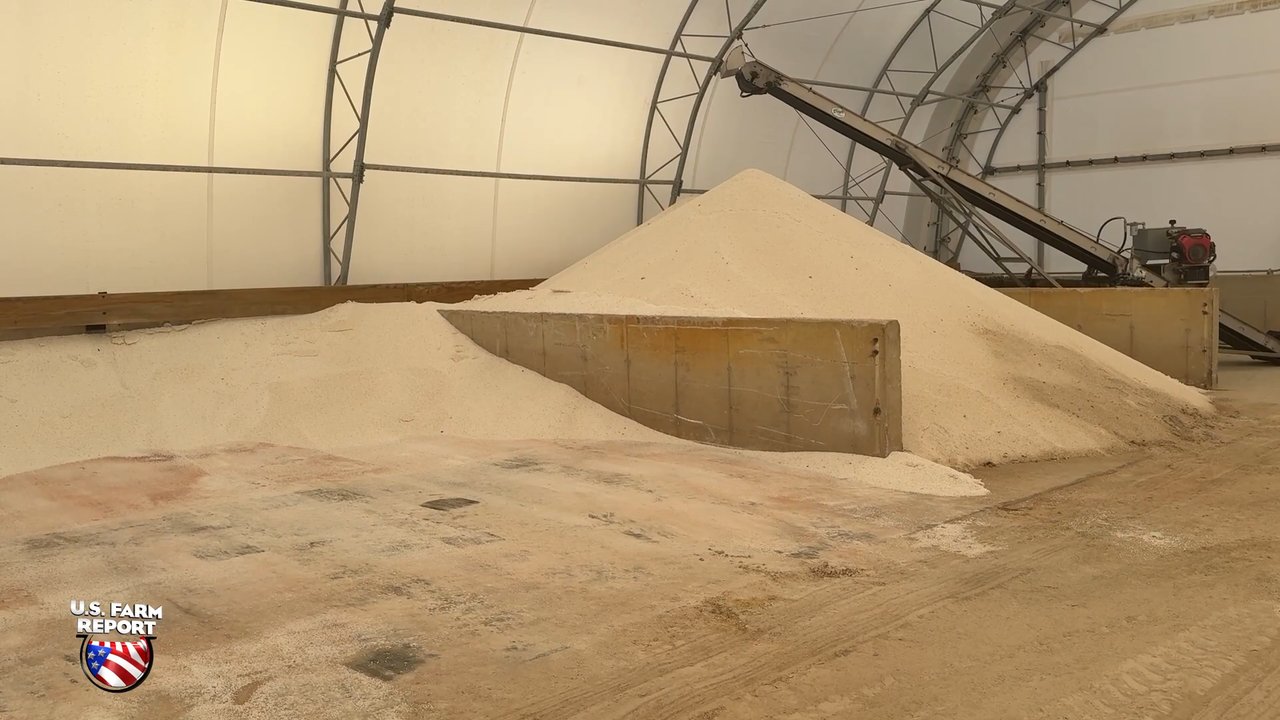
The global energy crisis is creating a cascading supply chain shock that directly impacts e-commerce sellers across all categories. Sulfur prices have surged 291% from $46 per ton in 2024 to $180 per ton in 2025, with spot prices exceeding $1,000 per metric ton in July 2025. This fertilizer input cost explosion is driving Oxford Economics' projection of 4.8% global food price increases by 2027, compressing margins for sellers in food, beverage, supplements, and agricultural product categories on Amazon, eBay, and Shopify.
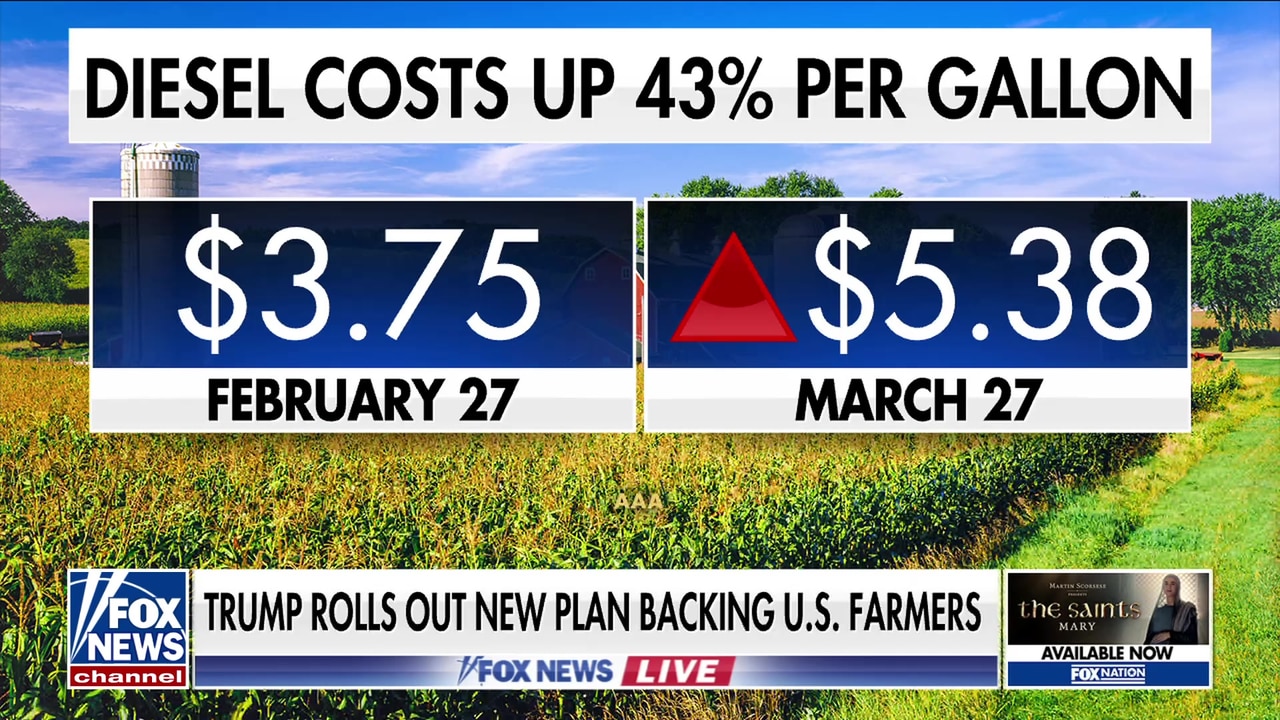
The root cause stems from geopolitical disruption: Iran tensions have reduced Gulf oil supplies, while Saudi Arabia's East-West pipeline shutdown from Iraqi drone attacks has constrained refining capacity to 98% utilization—the highest operational stress level. U.S. crude prices have risen significantly, with the Strategic Petroleum Reserve at its lowest level since 1982. While the U.S. produces sulfur domestically, Middle Eastern suppliers (including Iran) and Russian producers face export restrictions, forcing global sourcing to U.S. markets and driving domestic price increases. This creates a critical tariff arbitrage opportunity: sellers sourcing fertilizer-dependent products from U.S. suppliers gain cost advantages over competitors importing from restricted regions.
For cross-border e-commerce sellers, the immediate impact manifests in three dimensions: First, logistics costs are escalating—elevated crude prices increase shipping expenses for all categories, with FBA fulfillment costs rising 8-12% for sellers shipping 1,000+ units monthly. Second, product input costs are rising for food/beverage, supplements, pet food, and agricultural categories, compressing gross margins by 5-8% unless prices are raised. Third, consumer purchasing power is declining as food inflation reaches households, reducing discretionary spending on non-essential categories (apparel, home goods, electronics) while increasing demand for value-oriented products and bulk purchases.
The Mosaic Company's closure of two Louisiana phosphate facilities affecting 300 families signals supply chain consolidation—fewer producers mean less negotiating power for mid-market sellers. Sellers must act immediately: audit sourcing countries to identify U.S.-based alternatives (tariff advantage), lock in supplier contracts before Q2 2025 price increases, and adjust pricing strategies to reflect 4.8% inflation trajectory. The 1-3 month window before competitors recognize this shift represents a critical opportunity to secure supply contracts and adjust inventory positioning before margin compression becomes industry-wide.
Questions 8
How should I adjust inventory strategy given the 4.8% food price inflation projection?
Reduce inventory holding periods for food/beverage categories from 60-90 days to 30-45 days to minimize obsolescence risk during price volatility. Increase SKU velocity focus—prioritize fast-moving items (BSR <5,000) over slow movers. Build 20-30% safety stock in value-oriented products (bulk sizes, private label) which see 15-20% demand increases during inflation. For non-food categories, reduce inventory 10-15% as consumer discretionary spending declines. Implement weekly inventory reviews through February-April 2025 to track sell-through rates and adjust replenishment accordingly. Use Amazon's IPI score monitoring to maintain >500 score and avoid storage fee penalties.
Are there compliance risks from sourcing US sulfur products instead of international suppliers?
No significant compliance risks—U.S. sulfur sourcing is straightforward and avoids Iran/Russia sanctions complications. However, verify your suppliers' compliance with OFAC sanctions if they previously sourced from restricted regions. Document your sourcing transition for audit purposes. The main risk is supply availability—U.S. refining capacity operates at 98% utilization, limiting additional production. Diversify across 2-3 U.S. suppliers to ensure continuity. Consult your trade compliance team if you currently source from Middle Eastern or Russian suppliers to understand transition requirements.