


Toys 'R' Us 120-Store Expansion | O2O Opportunity for Toy Sellers
- Physical retail comeback signals $2B+ wholesale demand; sellers can capture B2B supply contracts and test pop-up locations in expansion markets





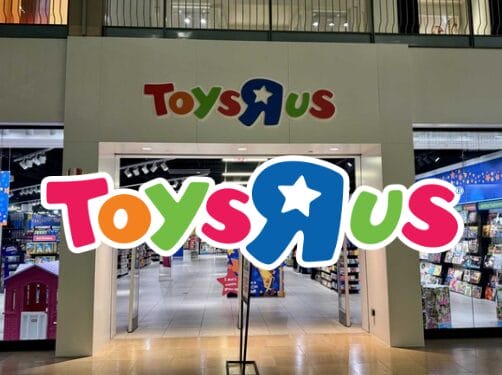

Overview
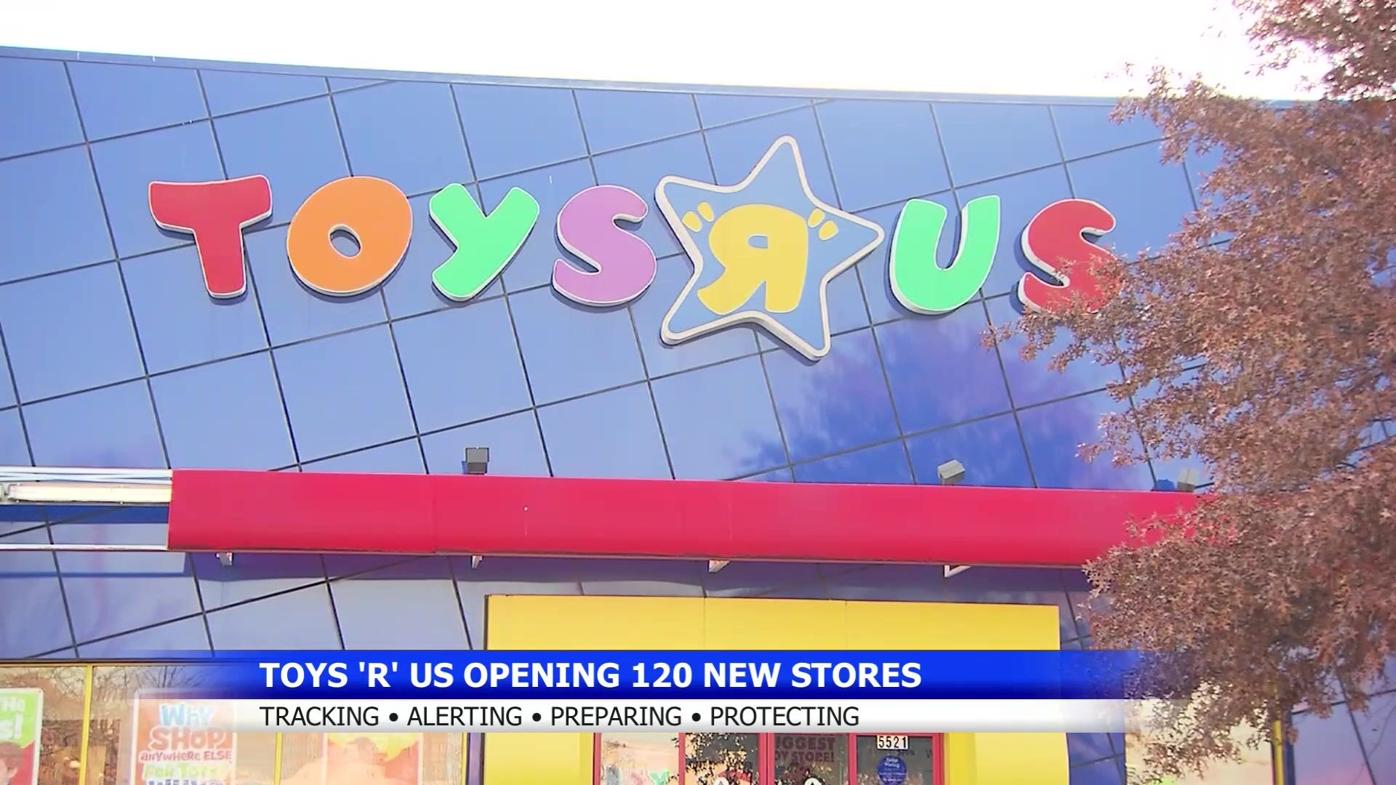
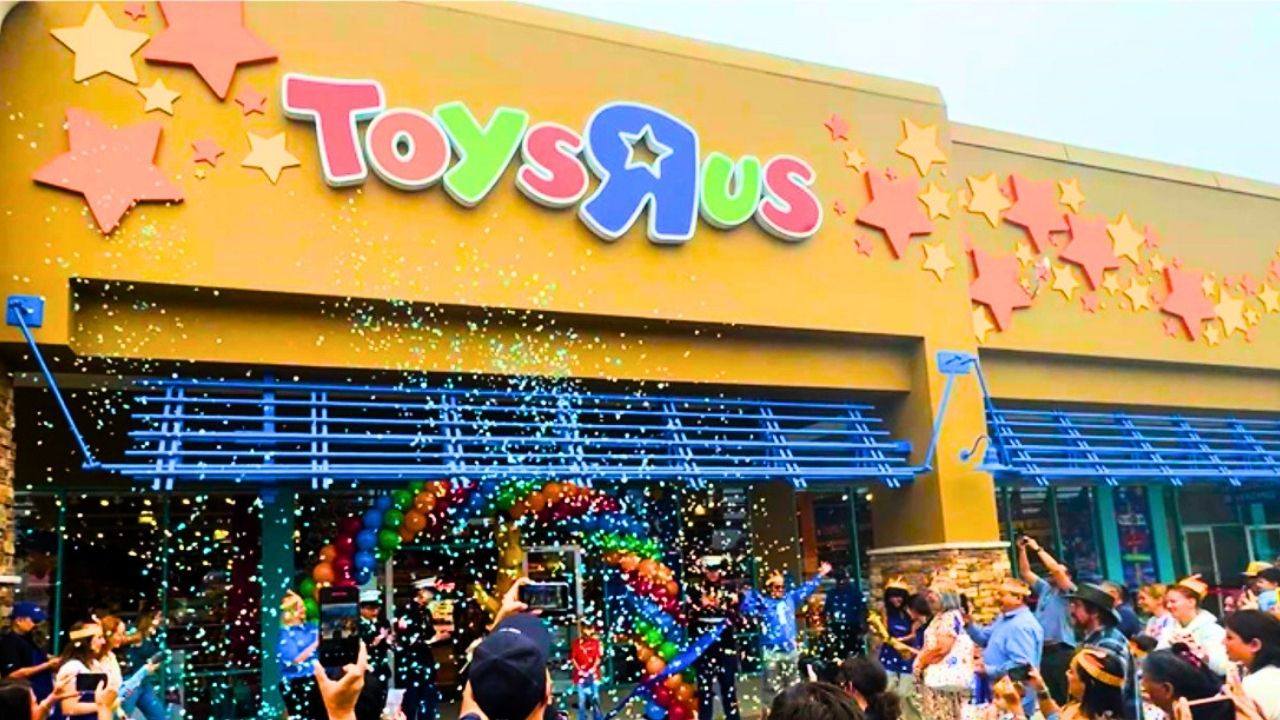
Toys 'R' Us's announcement of 120 new standalone stores across the United States represents a major shift in retail strategy and a significant O2O (Online-to-Offline) opportunity for cross-border toy sellers. This expansion, following the company's previous bankruptcy and restructuring, signals renewed confidence in physical retail for toy shopping—a category where hands-on product evaluation drives purchase decisions. The 120-store rollout will require substantial inventory replenishment, estimated at $2-4B in wholesale toy procurement over 18-24 months, creating direct B2B supply opportunities for sellers currently operating on Amazon, eBay, and Shopify.
For e-commerce sellers, this development presents three distinct O2O strategies: First, wholesale supply partnerships with Toys 'R' Us offer margin expansion beyond marketplace channels. Sellers with established toy SKUs (action figures, building sets, educational toys, collectibles) can approach Toys 'R' Us's procurement teams to negotiate wholesale contracts at 40-50% discounts, converting high-volume online sales into B2B revenue streams. Second, pop-up and showroom opportunities emerge in Toys 'R' Us expansion markets. High-demand cities like Austin, Nashville, Denver, and Phoenix—likely targets for the 120-store rollout—represent ideal locations for temporary retail presence. Sellers can test brand awareness and customer LTV through 4-8 week pop-ups in these markets before Toys 'R' Us opens, capturing early demand and building local brand equity. Third, omnichannel integration becomes critical. Toys 'R' Us's physical expansion will strengthen its online presence and marketplace listings, intensifying competition on Amazon and eBay. Sellers must differentiate through exclusive product variants, enhanced packaging, and experiential content (unboxing videos, assembly guides, play demonstrations) that justify premium pricing online.
Competitive pressures are equally significant. Toys 'R' Us's return to physical retail strengthens its negotiating position with suppliers and logistics partners, potentially increasing fulfillment costs for independent sellers by 8-12% as demand for toy logistics capacity rises. The company's omnichannel strategy—linking physical stores to online channels—will capture price-sensitive customers who previously shopped exclusively on Amazon. Sellers competing in bestselling toy categories (LEGO, action figures, board games, educational toys) should monitor Toys 'R' Us's expansion timeline and location announcements to identify geographic markets where offline presence becomes essential. The toy retail sector's consolidation suggests market conditions have stabilized, with Toys 'R' Us's comeback indicating improved consumer spending on discretionary items and renewed confidence in experiential retail for family-oriented categories.
Questions 8
What is the expected wholesale margin for toy suppliers to Toys 'R' Us?
Typical wholesale toy margins range from 40-50% off retail price, meaning a $20 retail toy sells to Toys 'R' Us at $10-12 wholesale. For sellers currently selling on Amazon at $18-20 (after 15% referral fees and fulfillment costs), wholesale contracts offer lower per-unit revenue but higher volume and reduced fulfillment complexity. A seller moving 10,000 units/month to Toys 'R' Us at 45% discount generates $90-110K monthly revenue with minimal logistics overhead, compared to $140-160K on Amazon but with 25-30% cost structure. The trade-off: volume certainty vs. margin compression. Sellers should evaluate whether wholesale contracts reduce Amazon Buy Box competition and allow inventory reallocation to higher-margin categories.
How can toy sellers on Amazon and eBay capitalize on Toys 'R' Us's 120-store expansion?
Sellers should pursue three immediate strategies: (1) Contact Toys 'R' Us procurement teams to negotiate wholesale supply contracts for established SKUs—the company will need 5-8M units annually to stock 120 stores, creating $500M-$1B in wholesale opportunities. (2) Identify expansion markets (likely Austin, Nashville, Denver, Phoenix based on retail trends) and test pop-up locations 4-8 weeks before store openings to capture early brand awareness and build customer LTV. (3) Enhance Amazon/eBay listings with exclusive variants, premium packaging, and experiential content (unboxing videos, assembly guides) to differentiate from Toys 'R' Us's direct-to-consumer offerings. Sellers who secure wholesale contracts can reduce Amazon dependency while maintaining online presence.