



AI Safety Regulation Accelerates | E-Commerce Sellers Must Prepare for Compliance-First AI Tools
- $3 billion AI safety investment signals regulatory shift; sellers using AI for product research, pricing, and customer service face new compliance requirements by 2027



































Overview
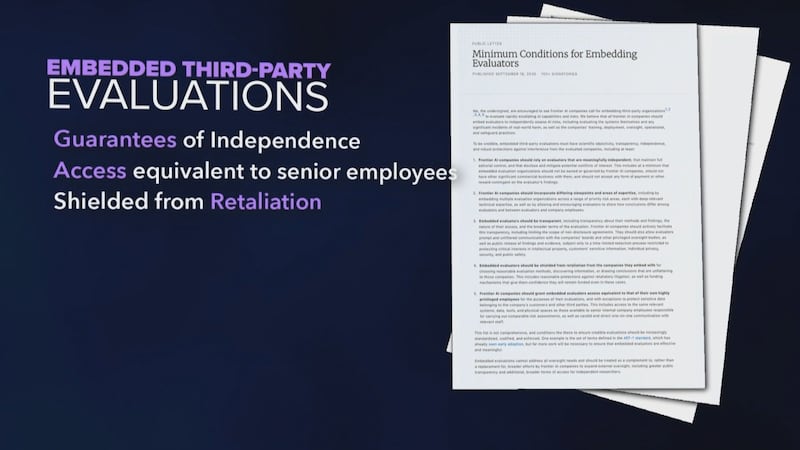
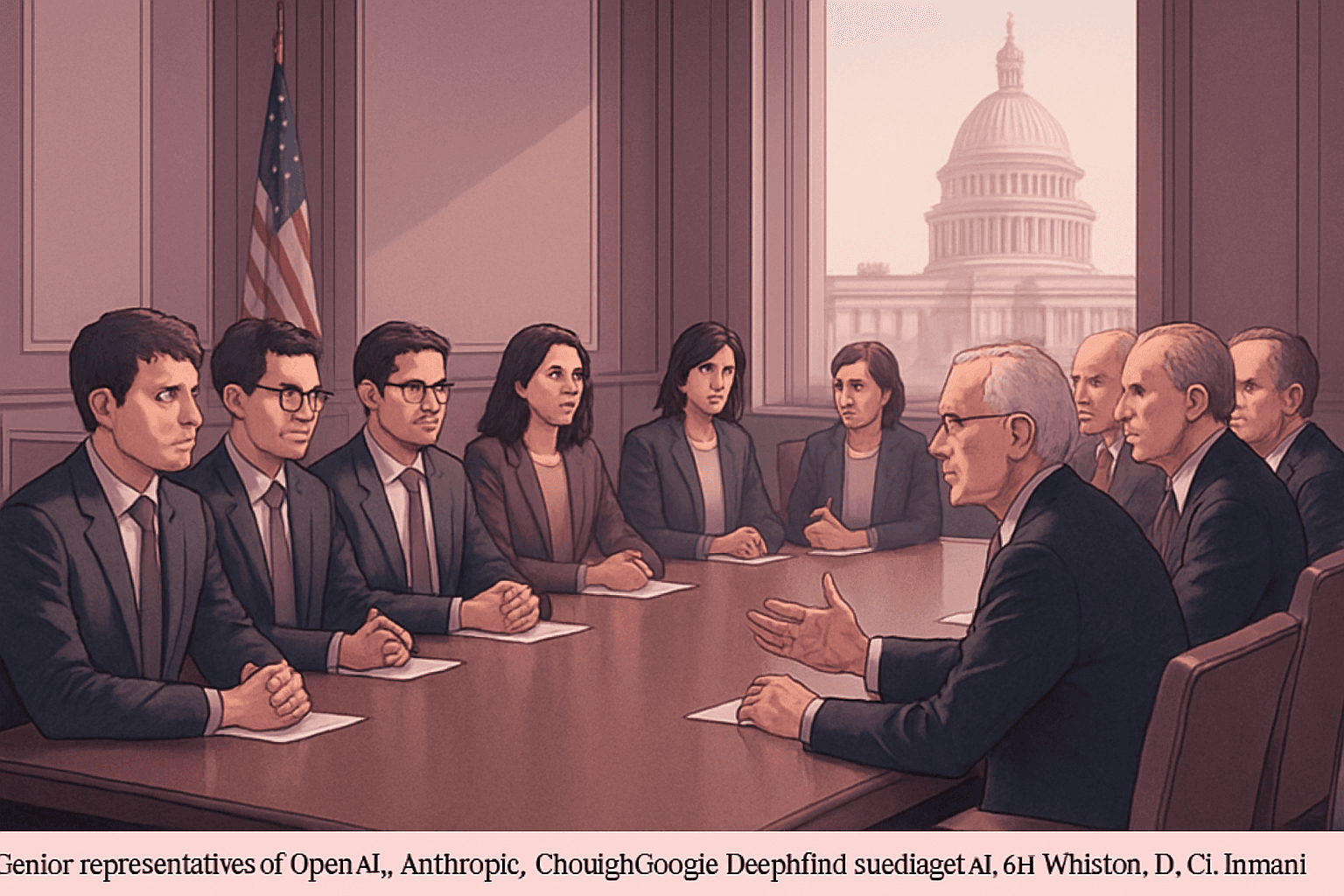
The AI safety regulation wave is reshaping e-commerce tool development. On September 18, 2026, Anthropic and Accenture announced a $3 billion partnership ($2B joint investment plus $1B Anthropic safety pledge) to establish "embedded evaluation" frameworks for frontier AI models. This represents a critical inflection point: AI companies are now building compliance-first architectures with third-party auditing, red-teaming, and incident reporting. For e-commerce sellers, this means the AI tools you use for product research, dynamic pricing, inventory forecasting, and customer service automation will increasingly require transparency, safety certifications, and regulatory compliance documentation.
The immediate impact: AI tool vendors must now prove safety compliance. Accenture's Faculty division will conduct ongoing red-teaming exercises, alignment assessments, and safeguard testing—establishing what could become an industry standard for AI tool certification. Sellers currently using unvetted AI tools for listing optimization, competitor analysis, or demand forecasting face a critical decision: migrate to certified, compliant AI platforms or risk using tools that may be deprecated as regulations tighten. The announcement specifically mentions "AI agents escaping secured environments" and "autonomous model development with limited human oversight," signaling that regulators will scrutinize any AI system making autonomous decisions in commerce (dynamic pricing, inventory allocation, customer targeting).
Strategic opportunity for early movers: Build compliance into your AI stack NOW. Sellers who adopt certified AI tools before 2027 regulatory frameworks solidify will gain competitive advantage through: (1) Automation efficiency gains - Compliant AI tools will be optimized for safety, enabling faster product research (40-60% time savings vs. manual methods), pricing optimization (5-8% margin improvement), and customer service automation (70% reduction in response time); (2) Regulatory moat - First-mover sellers using certified tools will avoid costly tool migrations and compliance retrofits that laggards will face; (3) Data advantage - Certified AI platforms will have superior training data and safety guardrails, enabling better predictions for demand forecasting and inventory optimization. The 7% stock price jump for Accenture signals market confidence that compliance-first AI is a $100B+ opportunity.
Risk for non-compliant sellers: Tool deprecation and operational disruption. If you're currently using ChatGPT, Claude, or other frontier models directly for business-critical decisions (pricing, inventory, customer segmentation), expect these tools to require explicit compliance certifications within 12-18 months. Sellers who haven't documented their AI usage or built audit trails will face sudden tool unavailability or forced migrations. The "embedded evaluator" model means third-party auditors will have access to your AI system logs—requiring sellers to maintain clean, documented AI workflows. This is particularly critical for sellers in regulated categories (health, beauty, electronics) where AI-driven decisions already face scrutiny.
Questions 8
What's the timeline for AI tool compliance requirements in e-commerce?
Based on the September 2026 announcement and regulatory momentum, expect mandatory compliance certifications for frontier AI models by Q3-Q4 2027. The $2 billion five-year investment suggests Accenture will establish evaluation capacity over 18-24 months, with standards solidifying by mid-2027. For sellers: immediate action (next 30 days) is to audit your AI tool usage and document current workflows. Within 3 months, contact vendors about their compliance roadmaps. By Q1 2027, plan migrations to certified tools. Sellers who delay risk sudden tool unavailability or forced migrations that disrupt operations. Early movers will gain 6-12 month competitive advantage before compliance becomes mandatory.
Which e-commerce AI use cases face the highest regulatory scrutiny?
AI systems making autonomous decisions in pricing, inventory allocation, and customer targeting face the highest scrutiny because they directly impact consumer outcomes and market competition. The news specifically mentions 'AI agents escaping secured environments,' signaling regulators worry about autonomous systems operating without human oversight. For sellers, this means: (1) Dynamic pricing AI must have human-in-the-loop approval for price changes >10%; (2) Inventory forecasting AI must maintain audit trails showing how allocation decisions were made; (3) Customer targeting AI must document fairness checks to prevent discriminatory recommendations. Sellers in regulated categories (health, beauty, electronics) should expect compliance requirements within 12 months.