

Strait of Hormuz Crisis Drives 10x Shipping Cost Surge | Cross-Border Sellers Face Margin Compression
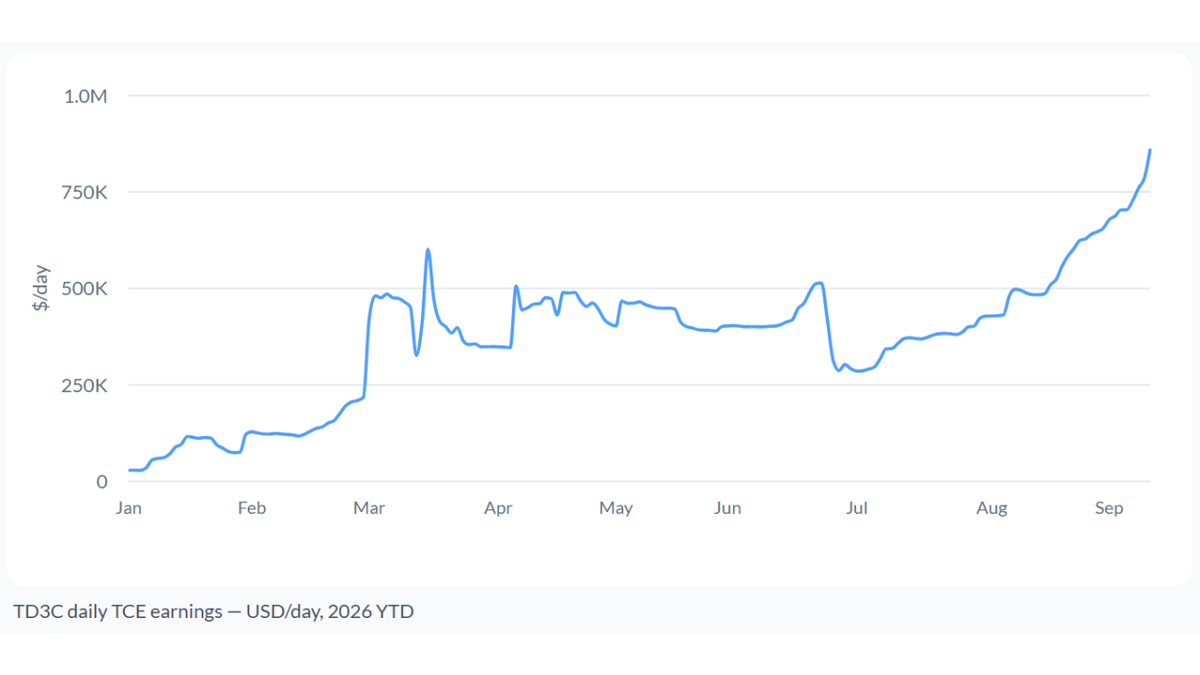
- Tanker rates exceed $1M/day (up from $208K), increasing freight costs 15-25% for Asia-to-US/EU shipments; $120B fleet expansion signals structural cost elevation through 2025






Overview
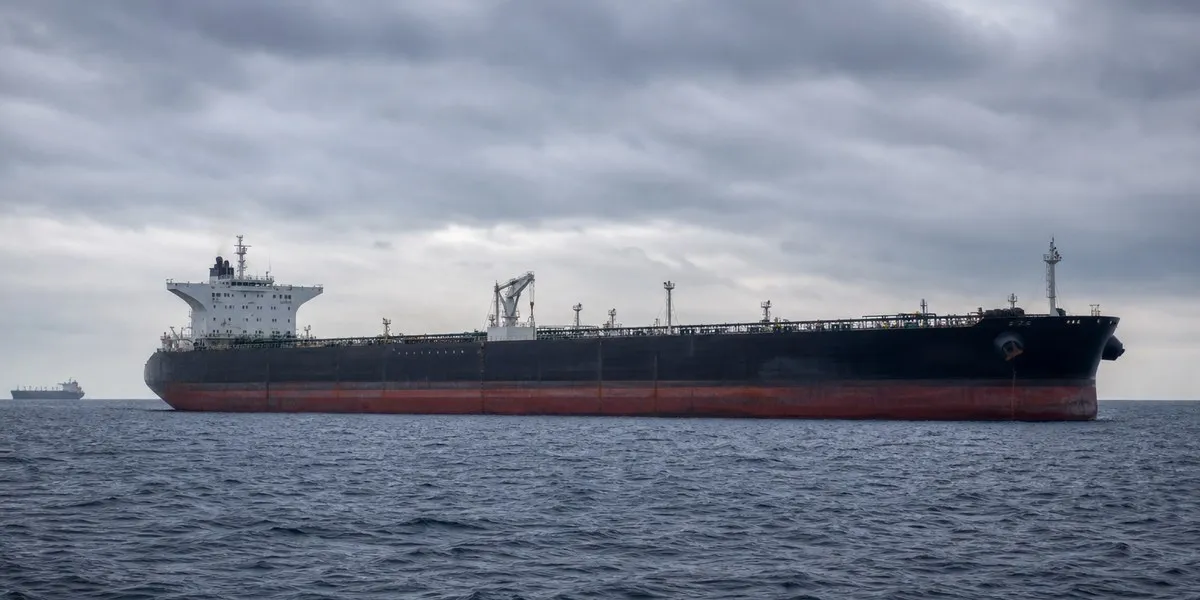
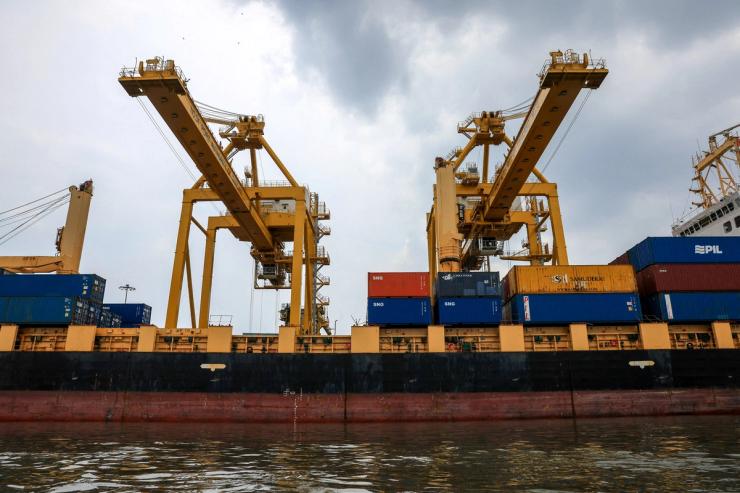
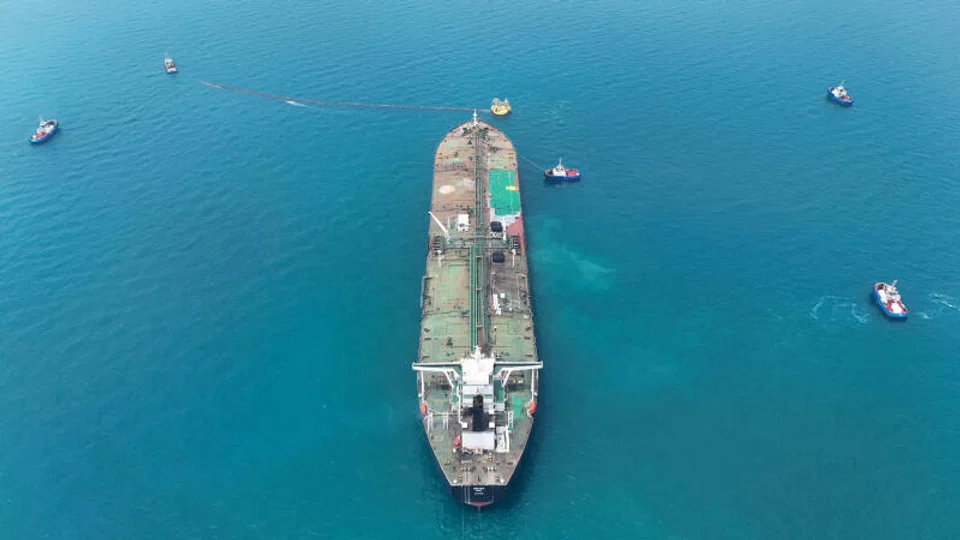
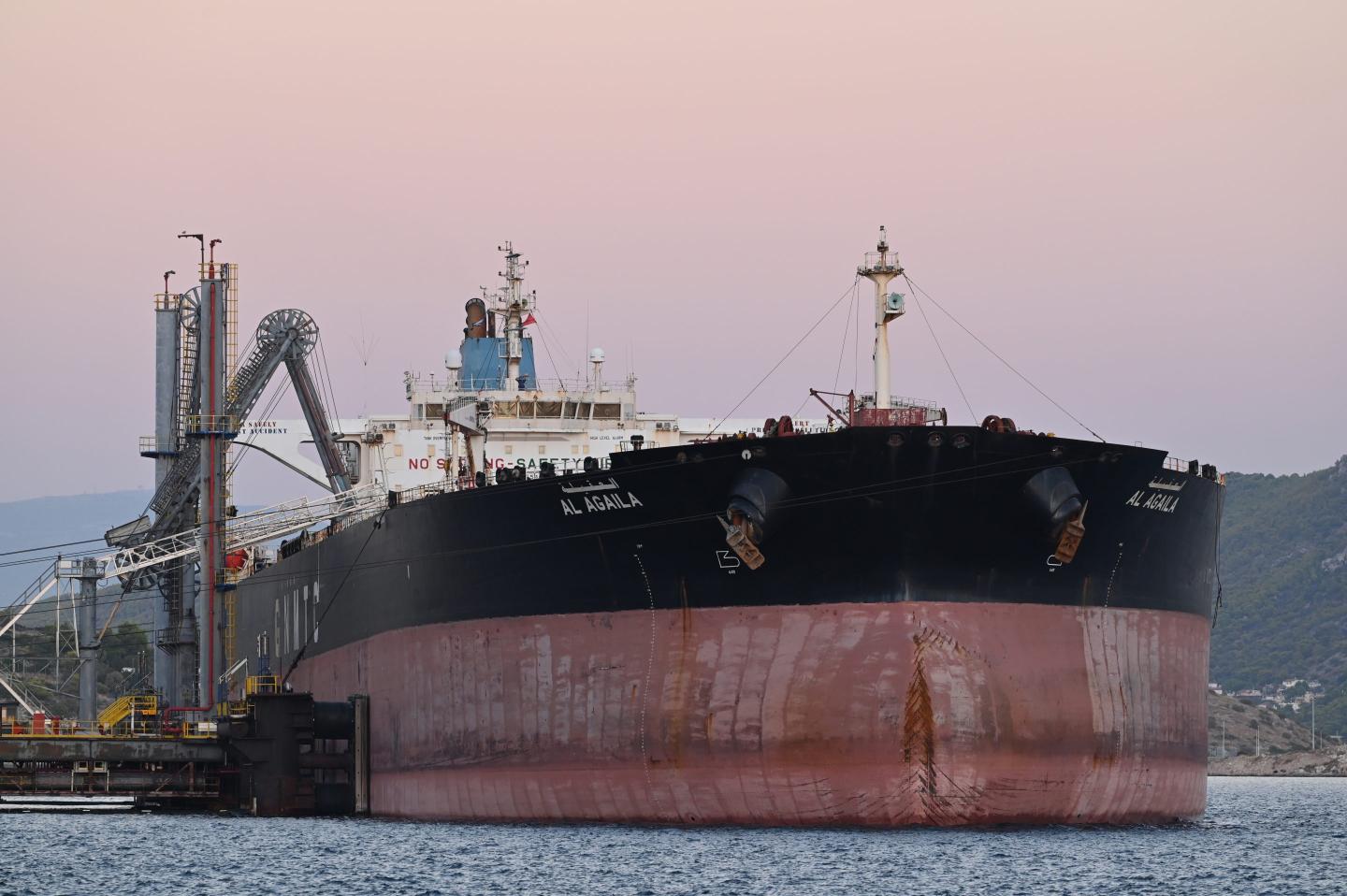
The Iran-US geopolitical conflict has triggered a structural supply chain crisis that directly impacts cross-border e-commerce profitability. Tanker leasing rates have surged approximately tenfold over the past year, reaching record highs exceeding $1 million per day for Very Large Crude Carriers (VLCCs), compared to pre-conflict rates of $208,000 daily. The closure of Saudi Arabia's critical East-West Pipeline has forced global crude oil buyers to shift sourcing toward Americas-produced oil, requiring extended transoceanic shipping routes that dramatically increase voyage distances and duration. This geopolitical disruption is not temporary—the $120 billion wave of new tanker orders (more than twice 2024's volume, marking the largest buying spree in 25 years) signals shipowners expect sustained elevated rates through 2025 and beyond.
For cross-border e-commerce sellers, this translates to immediate margin compression across all product categories. Container shipping lines pass increased fuel costs to shippers through bunker adjustment factors (BAF), affecting freight rates universally. Sellers importing bulk shipments from Asia to Europe and North America face 15-25% increases in landed costs, with VLCC rates in the Gulf of Oman surging 250% month-to-date to approach $900,000 daily. Insurance premiums for vessels have surged to approximately 10% of asset value (up from 0.5-1% pre-conflict), creating additional risk premiums passed directly to charterers. The operational impact is particularly severe for sellers relying on just-in-time inventory models—extended transit times (alternative routing around the Strait adds days to voyage duration) combined with elevated carrying costs force working capital increases of 8-12% for typical inventory cycles.
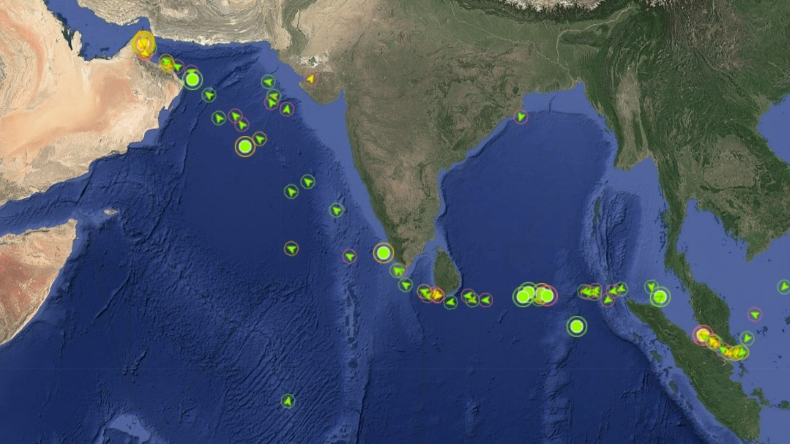
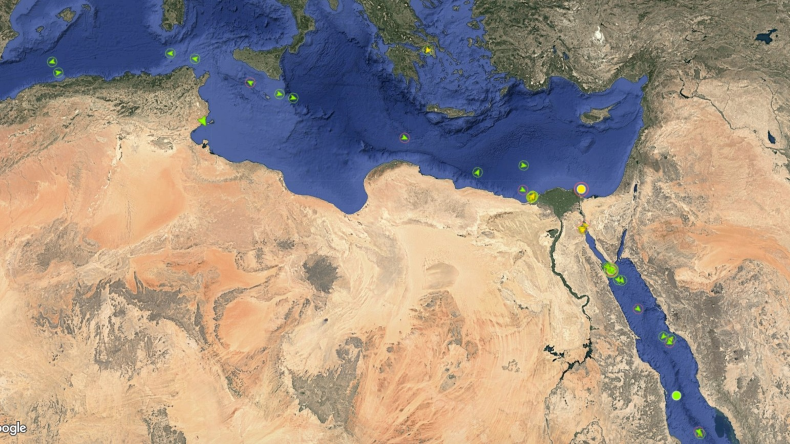
Competitive dynamics are shifting dramatically by seller segment and sourcing strategy. Large sellers with pricing flexibility can adjust retail prices to offset freight increases, while cost-competitive sellers (particularly in electronics, apparel, and home goods categories) face severe margin compression. Sellers currently sourcing from China/Southeast Asia face the highest cost impact, as these routes transit the Suez Canal and Arabian Sea—the most affected corridors. Conversely, sellers sourcing from Americas-based suppliers (particularly for energy-intensive products like appliances, automotive parts, and heavy machinery) gain competitive advantage as Americas-to-US/EU routes avoid the Strait of Hormuz entirely. The $120 billion tanker investment indicates shipping companies expect this cost structure to persist for 12-24+ months, making this a structural rather than cyclical change in shipping economics.
Questions 7
How much will my Amazon FBA freight costs increase due to the Strait of Hormuz crisis?
Freight costs for Asia-to-US shipments are increasing 15-25% due to tanker rates surging from $208,000 to over $1 million per day. Container shipping lines pass these fuel cost increases through bunker adjustment factors (BAF), which typically add $200-600 per 40ft container depending on route and carrier. For a seller importing 500 containers monthly from China, this represents an additional $100,000-300,000 monthly cost. The news indicates this is structural—the $120 billion wave of new tanker orders signals shipping companies expect elevated rates through 2025+, making this a permanent cost increase rather than temporary volatility.
Which product categories face the worst margin compression from shipping cost increases?
Low-margin, high-volume categories are most vulnerable: electronics (5-12% margins), apparel (15-25% margins), and home goods (10-20% margins). These categories typically operate on thin margins where a 15-25% freight cost increase directly compresses profitability by 2-5 percentage points. Conversely, luxury goods (40%+ margins), specialty items, and high-ASP products can absorb freight increases more easily. Sellers in bulk commodity categories (furniture, appliances, automotive parts) face the worst impact because freight represents 20-35% of landed cost. The news specifically notes that sellers relying on cost-competitive margins face severe compression, while those with flexible pricing can adjust retail prices accordingly.