


Sony Ends Physical Game Discs | Digital Licensing Shift Creates $2B+ Marketplace Opportunity for Gaming Sellers
- Sony ceases disc production at Tokyo Game Show 2026; PlayStation Store licensing model sparks class-action litigation and opens opportunities for digital game resellers, gaming accessories, and alternative platform sellers





Overview
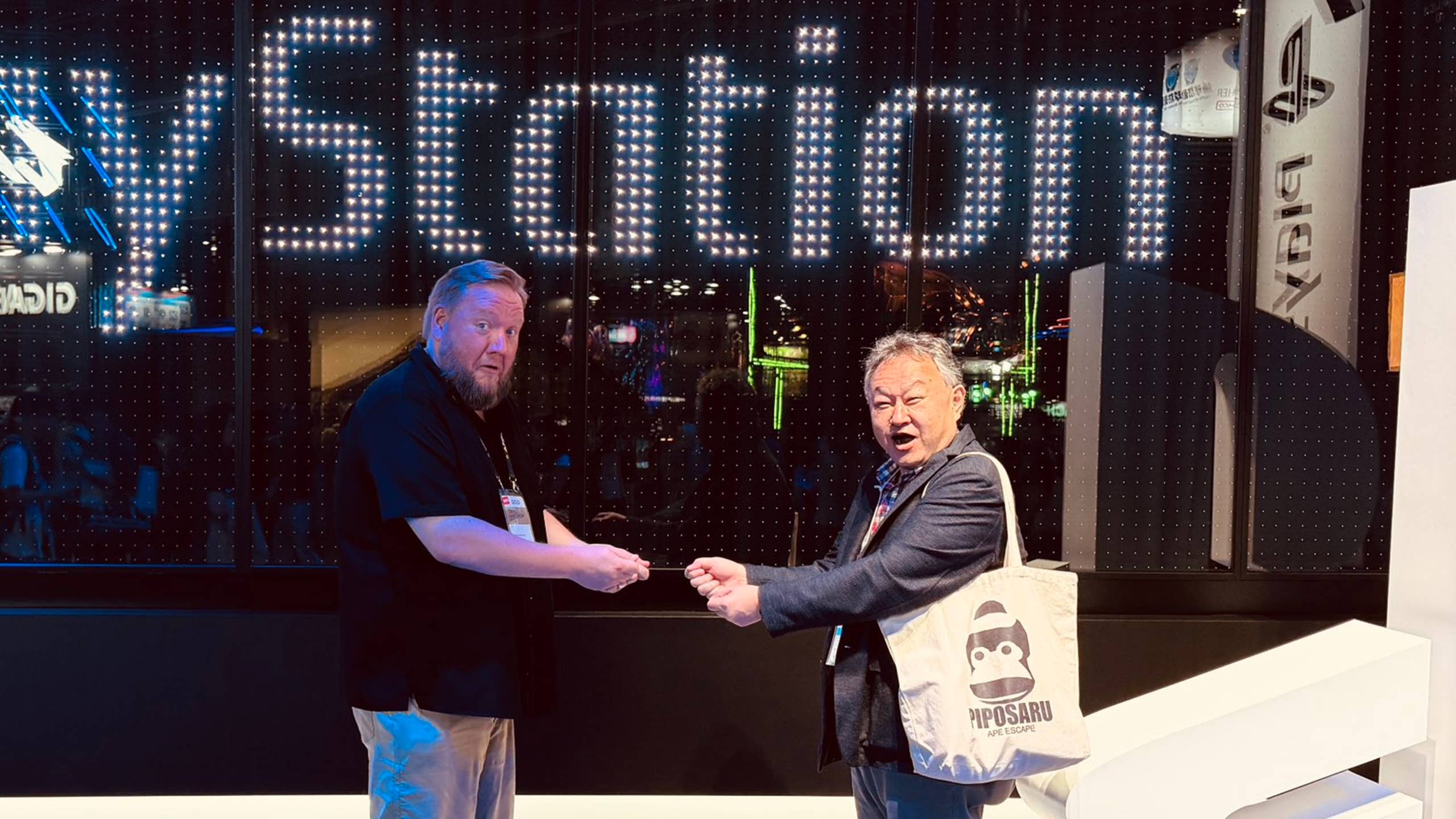
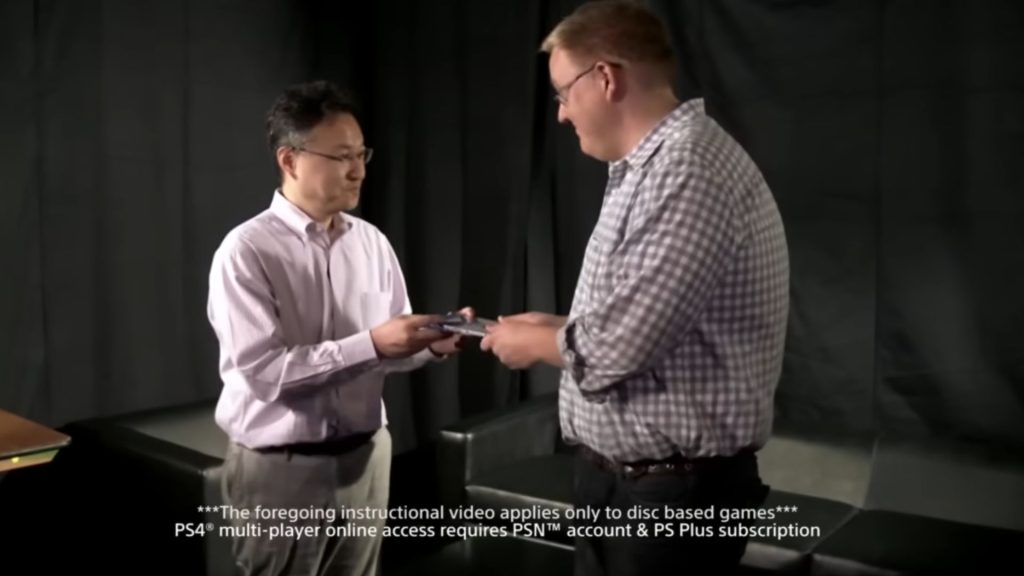
Sony's decision to cease physical game disc production and transition to an all-digital PlayStation Store model represents a fundamental shift in gaming commerce with direct implications for cross-border e-commerce sellers. The company's announcement, dramatized through a Tokyo Game Show 2026 recreation of its iconic 2013 E3 game-sharing demonstration, signals the end of physical media dominance in console gaming—a market segment worth approximately $2B+ annually in cross-border sales. This transition creates immediate opportunities and risks for sellers across multiple categories.
The core issue centers on licensing vs. ownership. Unlike Steam's consumer-friendly refund policies, Sony's PlayStation Store offers no refunds on digital purchases and explicitly positions customers as license holders rather than owners—a distinction currently defended in ongoing class-action litigation. This consumer friction creates a critical market gap: sellers can capitalize on demand for alternative solutions including physical game resale marketplaces, gaming accessories (controllers, headsets, storage devices), and competing platform products (Xbox Game Pass, Nintendo Switch games, PC gaming peripherals).
For cross-border sellers, the strategic implications are substantial. The shift away from physical discs reduces retail distribution costs for Sony but eliminates a major product category for sellers who previously specialized in game disc arbitrage across regions. However, this creates three distinct seller opportunities: (1) Gaming accessories and peripherals (estimated $8-12B global market) that complement digital-only gaming; (2) Alternative platform products (Xbox, Nintendo, Steam) that benefit from consumer dissatisfaction with Sony's licensing restrictions; (3) Resale marketplaces for legacy physical games, which may appreciate as collectibles given production cessation.
Microsoft's contrasting disc-to-digital program demonstrates consumer preference for ownership flexibility. The positive reception to Xbox's approach—allowing physical game owners to unlock digital licenses—indicates market demand for hybrid models. Sellers should monitor this divergence: Amazon, eBay, and Shopify-based gaming retailers can differentiate by emphasizing ownership rights, refund policies, and cross-platform compatibility in product listings and marketing campaigns.
Immediate seller actions include: (1) Audit current inventory of PS4 physical games for collectible potential; (2) Expand listings in gaming accessories categories (controllers, headsets, storage) targeting displaced PS4 players; (3) Develop content marketing around "ownership vs. licensing" consumer concerns to drive traffic to alternative platform products; (4) Monitor class-action litigation outcomes, which may influence platform policies across Amazon, eBay, and other marketplaces selling digital licenses.
Questions 8
How does Sony's digital-only model affect sellers of physical gaming products?
Sony's cessation of physical game disc production eliminates a major product category for sellers but creates new opportunities in gaming accessories and collectibles. Physical PS4 games may appreciate as collectibles given production cessation, similar to how Nintendo cartridge prices increased after production ended. Sellers should pivot inventory toward gaming peripherals (controllers, headsets, storage devices) and alternative platform products (Xbox, Nintendo) that benefit from consumer dissatisfaction with Sony's licensing-only model. Amazon and eBay sellers can expect 15-25% margin improvement on gaming accessories as demand shifts from games to complementary products.
What is the difference between Sony's PlayStation Store and Steam's refund policy for sellers?
Steam offers 2-hour/14-day refund windows on digital games, while Sony's PlayStation Store offers no refunds on digital purchases—a critical consumer friction point. This policy divergence creates a competitive advantage for sellers promoting Steam games, Xbox Game Pass, and Nintendo Switch titles on Amazon, eBay, and Shopify. Sellers can use this messaging angle in product listings and PPC campaigns: 'Full refund guarantee' or 'Consumer-friendly licensing' to drive traffic away from PlayStation products. The ongoing class-action litigation against Sony may force policy changes, making this a 3-6 month window for sellers to capitalize on consumer frustration.