


Smart Glasses Privacy Regulations | Sellers Face Global Compliance Wave 2025
- France, UK, Germany, Australia impose recording restrictions; Meta's 76% market dominance faces €45K penalties; compliance-ready sellers gain competitive moat


























Overview
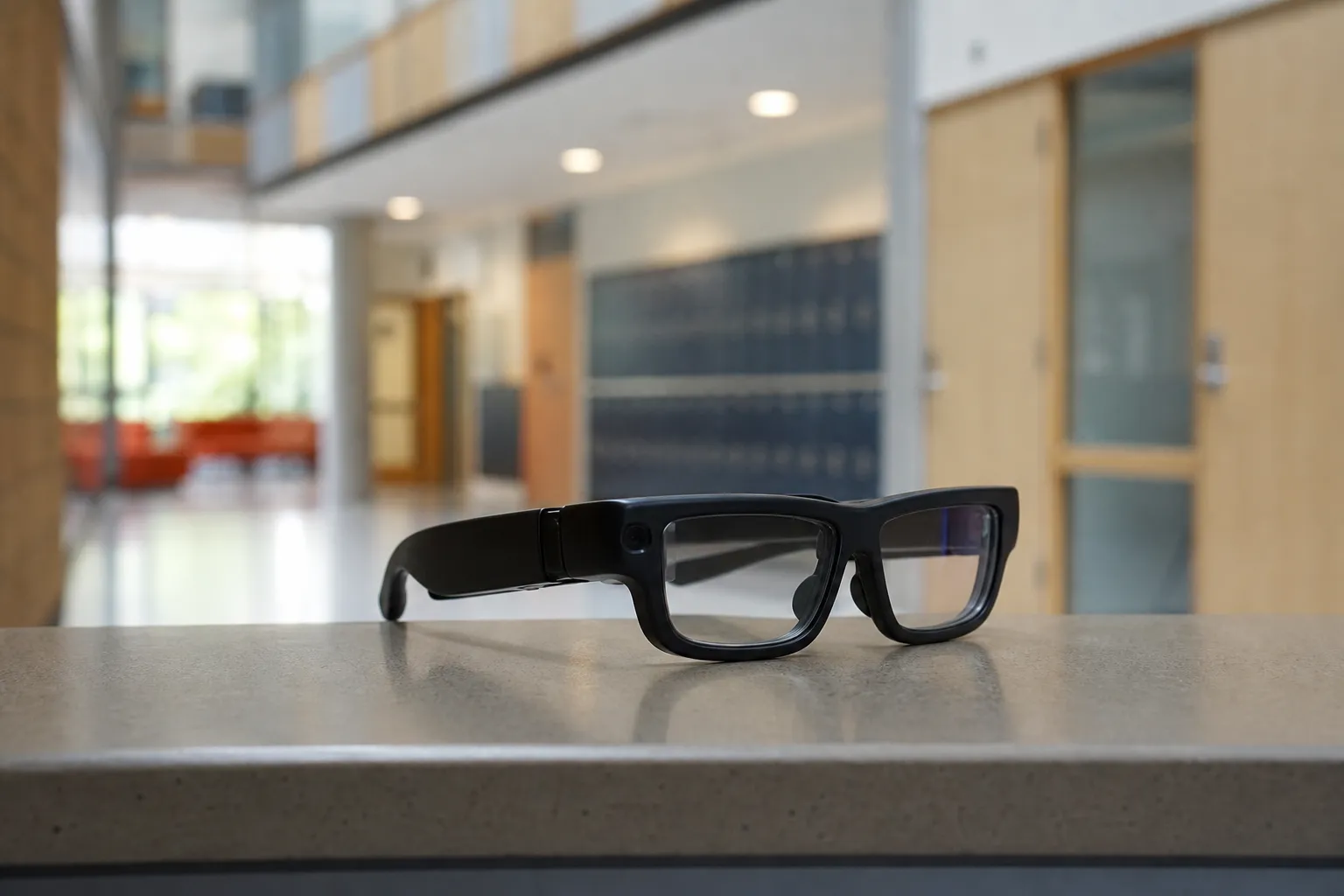
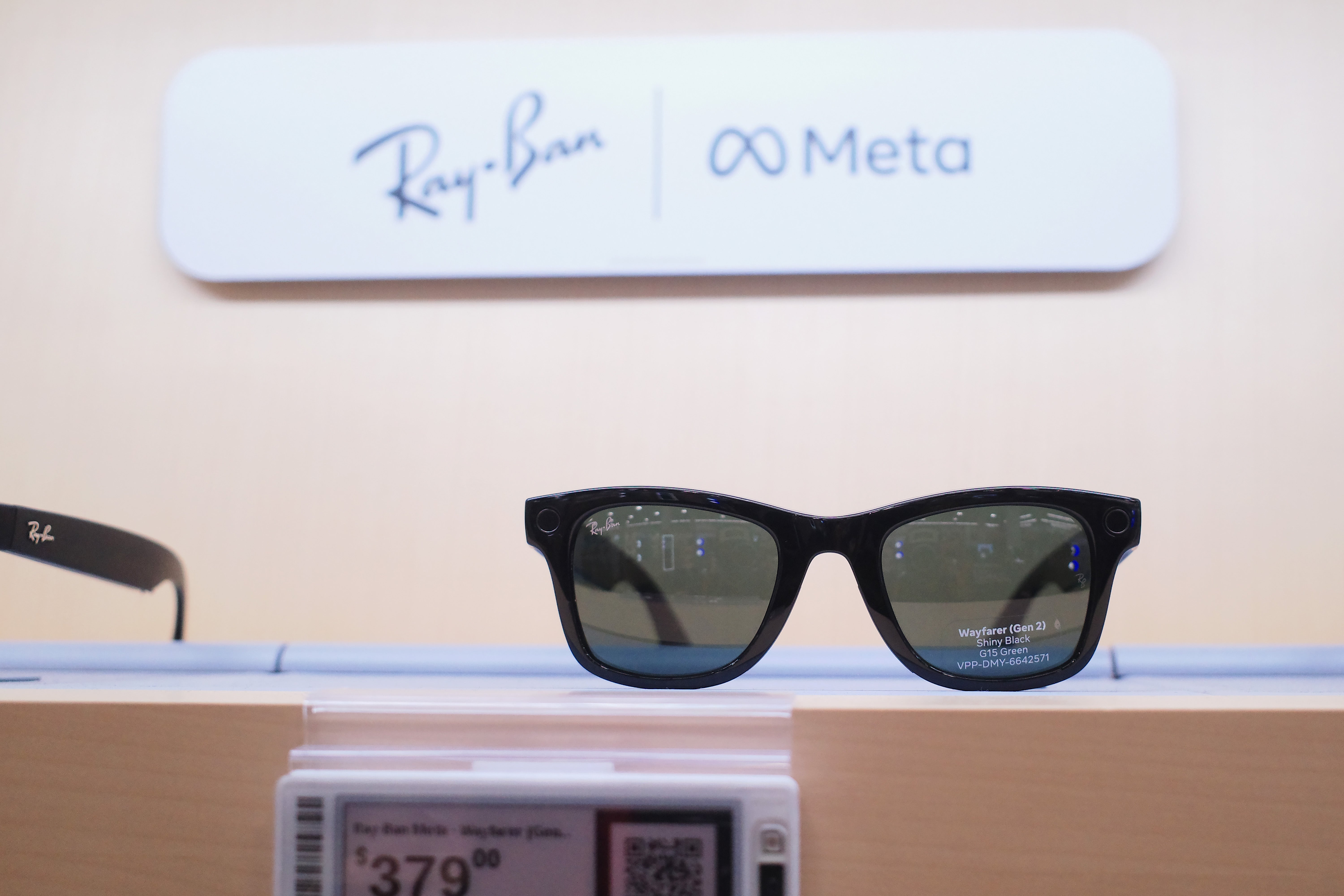
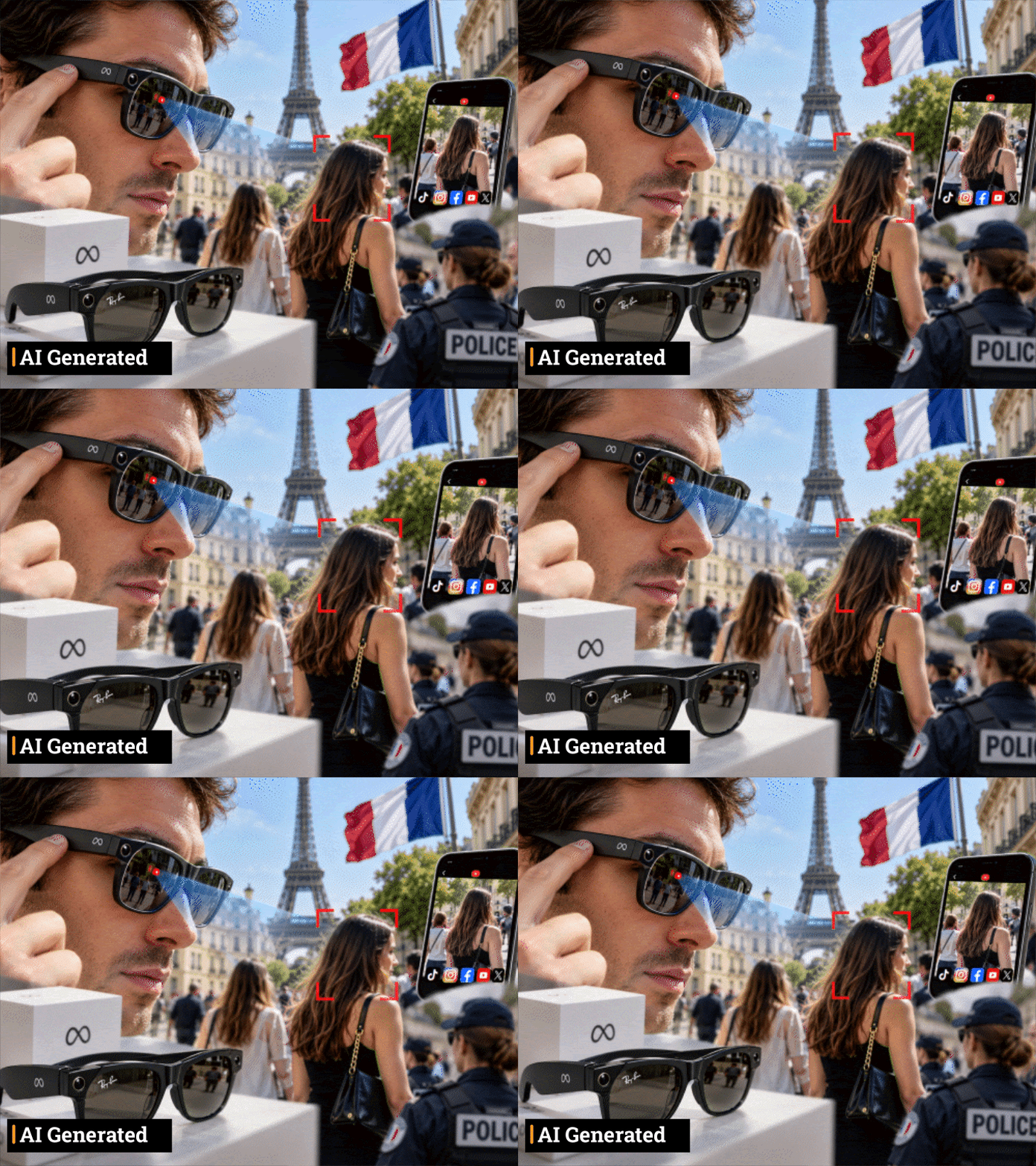
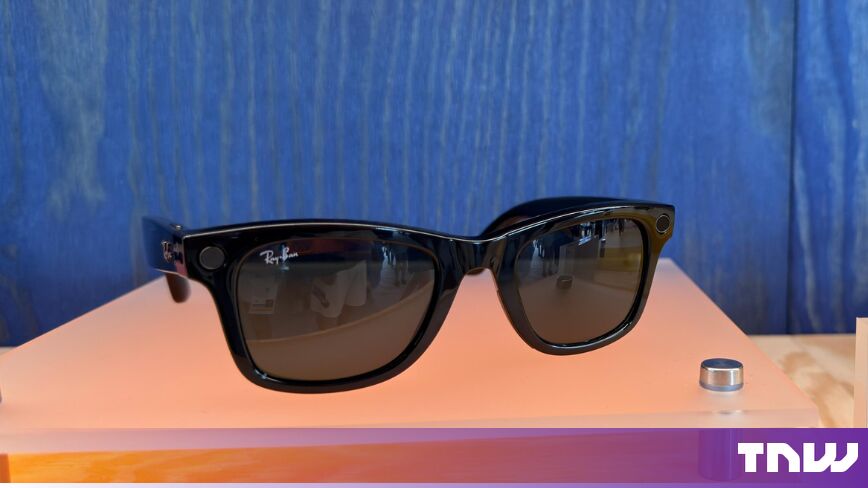
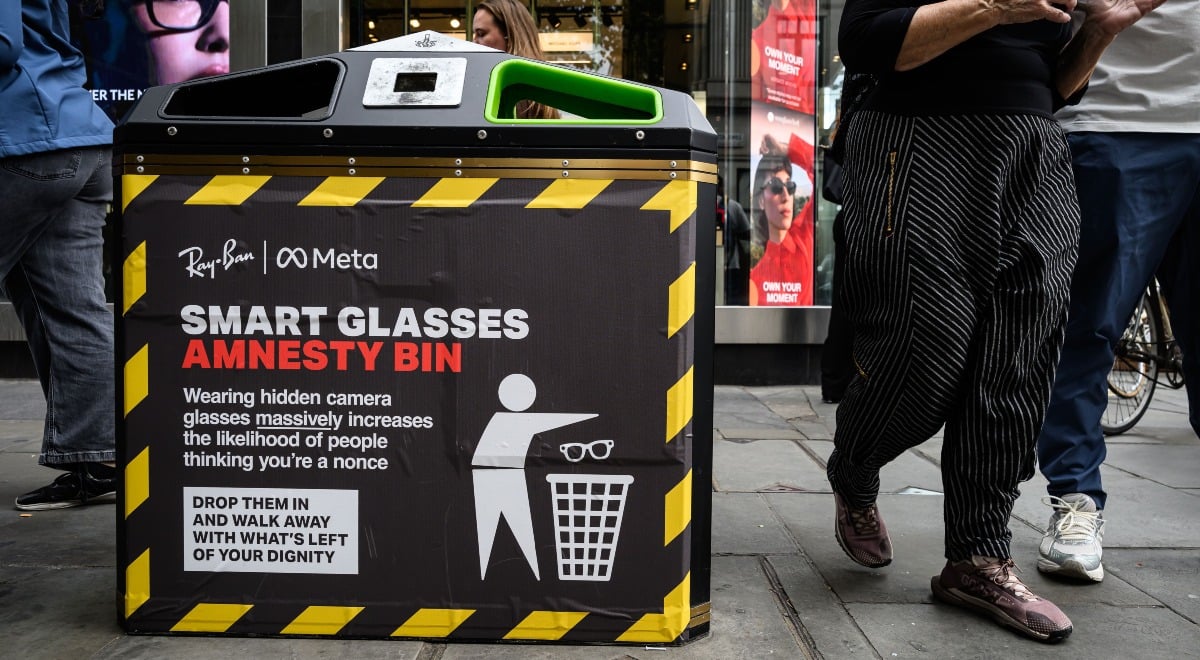
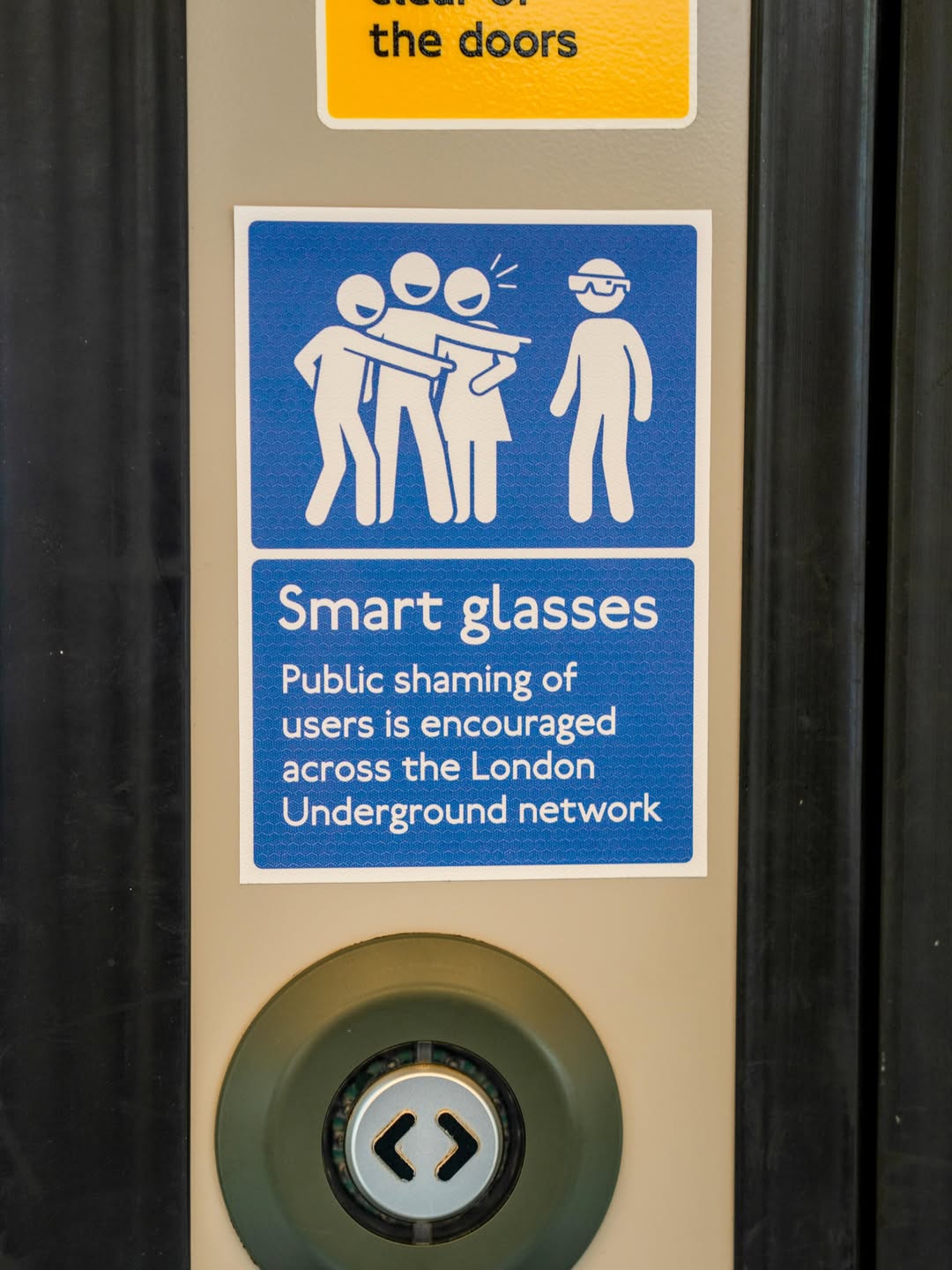
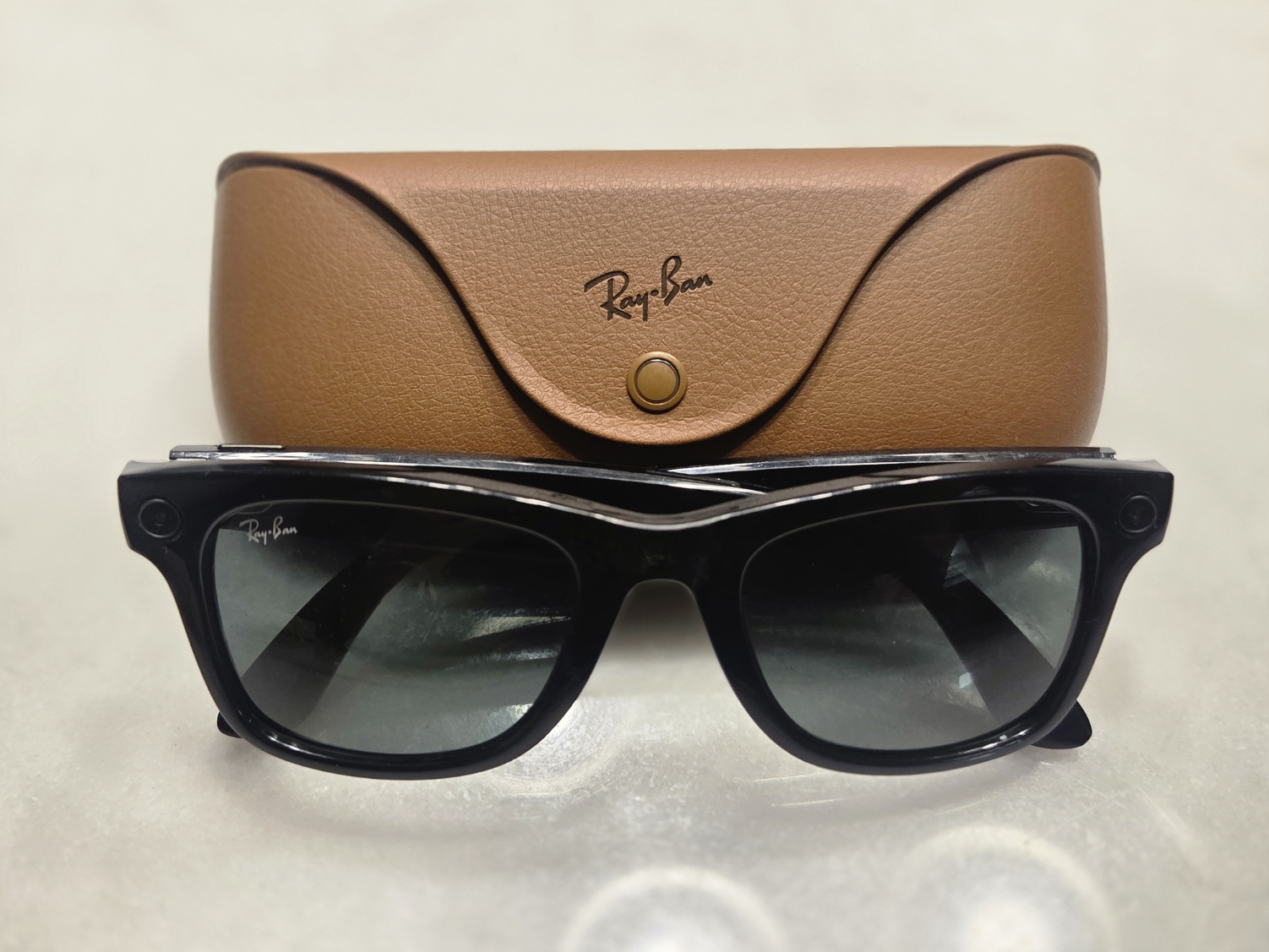
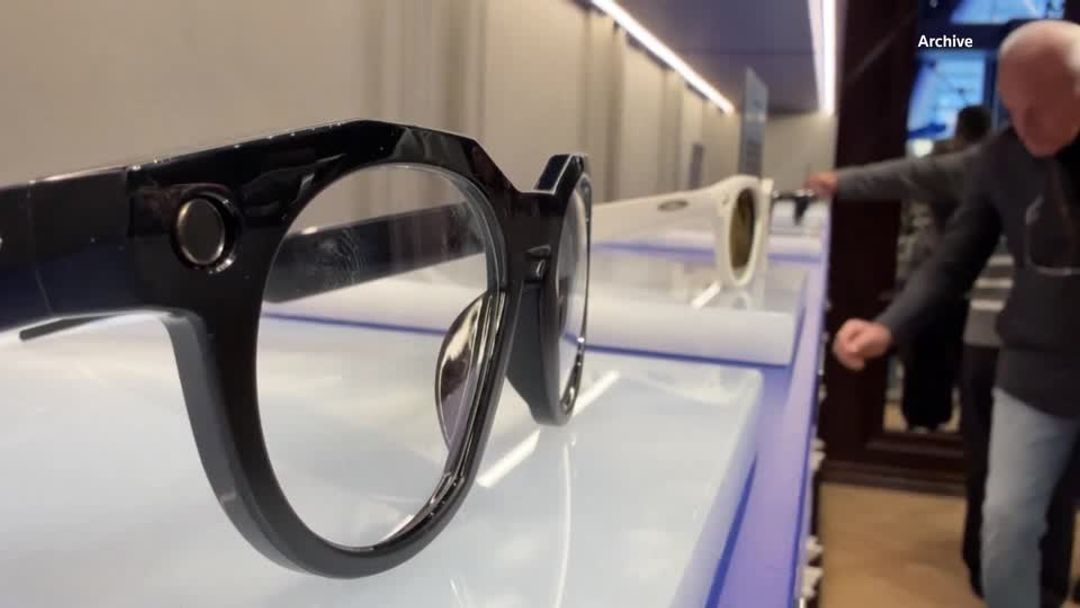
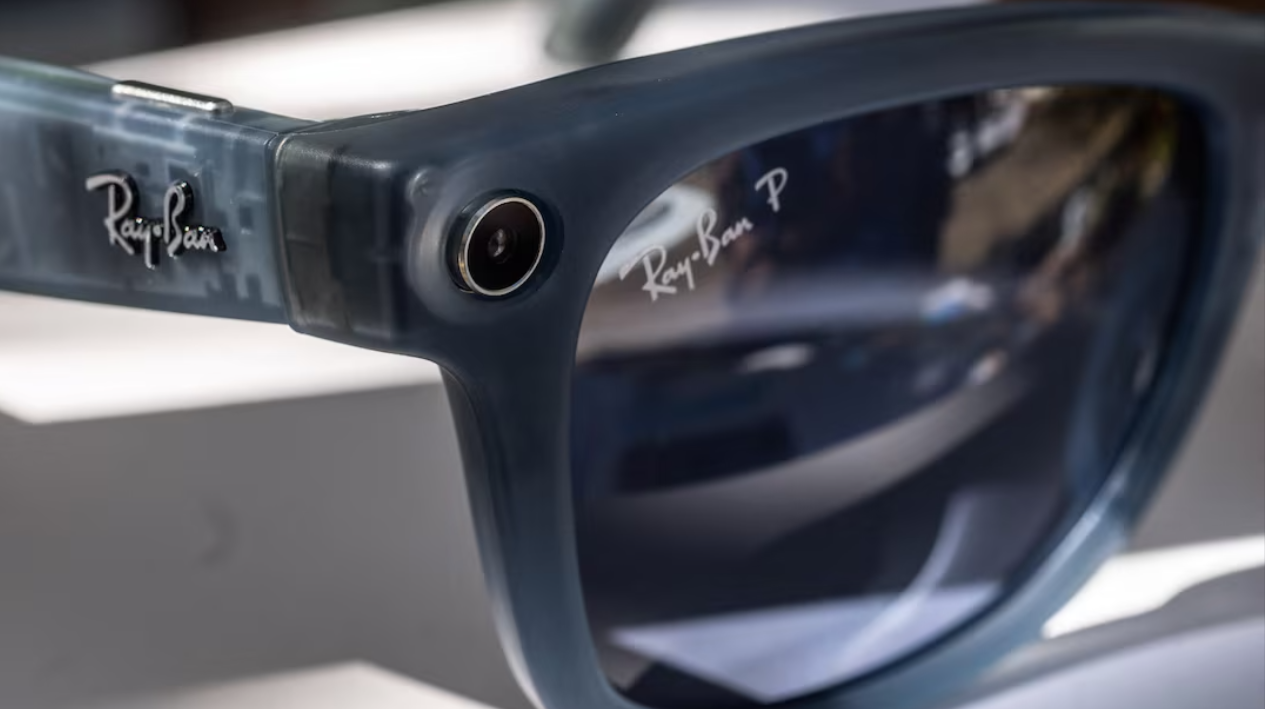
Global regulators are rapidly tightening privacy controls on smart glasses following sexual harassment investigations, creating a critical compliance inflection point for sellers. France's Paris prosecutors launched a criminal investigation into Meta's AI-enabled glasses (76% global market share, 7M units sold in 2024) after covert recording complaints, with France's CNIL data protection authority receiving increasing workplace ban inquiries. The regulatory cascade is accelerating: UK cinemas have banned smart glasses, Germany filed criminal complaints against Meta citing privacy law violations, and Australia announced the first government workplace ban consideration. French law imposes penalties up to €45,000 and one-year imprisonment for non-consensual recording, establishing a high-stakes compliance baseline.
For sellers, this creates three distinct market opportunities. First, compliance-ready smart glasses alternatives will command premium positioning—devices with mandatory recording indicators, geofencing technology, or consent-verification systems can capture market share from non-compliant competitors. Sellers offering privacy-enhanced wearables (smart glasses with encrypted recording, consent prompts, or workplace-safe variants) will face lower regulatory risk and can justify 15-25% price premiums. Second, workplace safety accessories represent an emerging category: privacy screen protectors, signal-blocking cases, and "smart glass detection" products for businesses implementing bans. Industry data suggests workplace wearable restrictions could affect 30-40% of enterprise deployments, creating demand for compliance-enabling products. Third, regional arbitrage opportunities exist—sellers can develop market-specific variants: EU versions with mandatory consent overlays, UK cinema-compliant models, Australian workplace-safe editions. Certification timelines vary: EU privacy compliance (GDPR Article 6 consent mechanisms) requires 8-12 weeks; UK retail bans enforce immediately; Australia's workplace restrictions likely take 6-9 months post-announcement.
Competitive elimination is significant. Non-compliant sellers face €45K fines per violation in France, with Germany's enforcement intensity suggesting similar penalties across EU. Estimated 40-50% of current smart glasses sellers lack privacy-by-design architecture, creating a winnowing effect. Sellers with existing privacy certifications (ISO 27001, GDPR compliance documentation) can fast-track market entry in restricted regions. The compliance cost barrier—approximately $50-80K for privacy certification and consent-mechanism integration—will eliminate small sellers, consolidating market share to compliant players. Immediate actions: audit current smart glasses inventory for privacy compliance status; identify which SKUs face bans in France, UK, Germany, Australia; develop privacy-enhanced variants with consent verification; pursue ISO 27001 or equivalent certification to establish compliance moat; monitor CNIL enforcement guidance (expected Q1 2025) for specific technical requirements.
Questions 8
What are the specific compliance requirements for selling smart glasses in France after the CNIL investigation?
France's CNIL investigation establishes that smart glasses sellers must implement mandatory consent verification mechanisms and visible recording indicators that cannot be disabled. The French law imposes €45,000 penalties and up to one-year imprisonment for non-consensual recording violations. Sellers must document privacy-by-design architecture (GDPR Article 5 compliance) and obtain explicit user consent before any recording capability activates. Compliance certification typically requires 8-12 weeks through EU-recognized privacy auditors. Sellers should immediately audit current inventory against these requirements and develop compliant variants with consent overlays and geofencing technology to avoid market suspension in France and EU markets.
How does Meta's 76% smart glasses market dominance create opportunities for compliant alternative sellers?
Meta's dominant position (7M units sold in 2024, 76% global share) creates a compliance vulnerability—the company faces criminal complaints in Germany and regulatory scrutiny across France, UK, and Australia. This regulatory pressure opens market share for privacy-enhanced alternatives. Sellers offering smart glasses with mandatory consent prompts, encrypted recording, or workplace-safe variants can differentiate on compliance and capture 15-25% price premiums. Industry analysis suggests 40-50% of current smart glasses sellers lack privacy-by-design certification, creating a winnowing effect. Compliant sellers with ISO 27001 or GDPR documentation can fast-track entry into restricted markets (France, UK, Australia) within 4-6 weeks, while non-compliant competitors face bans or €45K penalties.