



Gaming Digital Licensing Shift Reshapes Seller Opportunities in Console Accessories & Collectibles
- Sony's all-digital pivot eliminates physical game disc market; creates $2B+ opportunity in gaming peripherals, retro collectibles, and digital content licensing for cross-border sellers
Overview
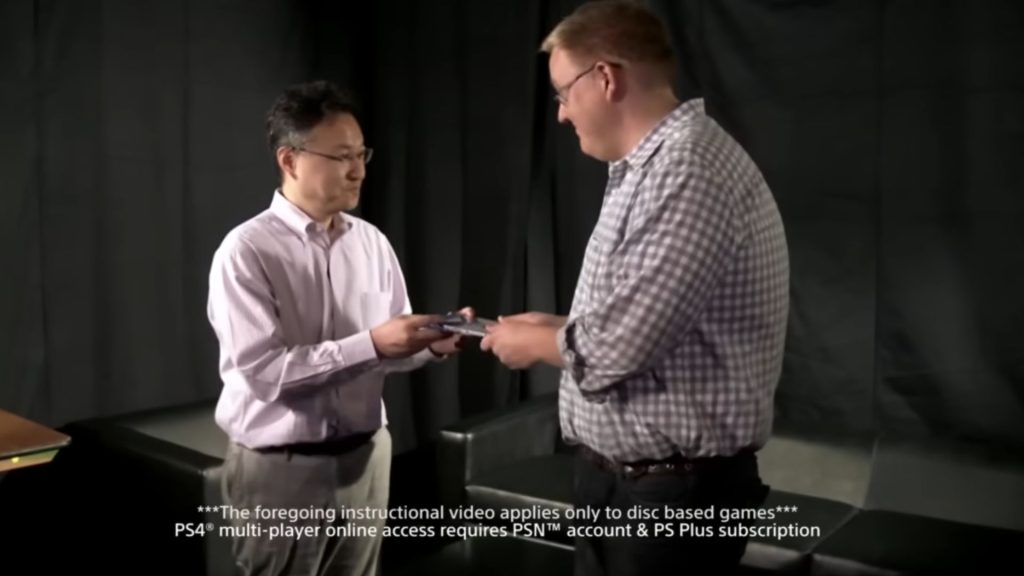
Sony's transition from physical game discs to all-digital distribution represents a fundamental market restructuring with direct implications for e-commerce sellers across multiple categories. The company's 2026 announcement to cease physical disc production—following its iconic 2013 E3 game-sharing demonstration—signals the gaming industry's shift from ownership-based to license-based consumer models. This creates both disruption and opportunity: the physical game disc market (historically $8-12B annually) is contracting, but demand is migrating toward complementary product categories where sellers can capture significant margin.
The licensing model shift fundamentally changes consumer purchasing psychology. Unlike Steam's refund-friendly policies, Sony's PlayStation Store offers no refunds on digital purchases and restricts resale—a distinction currently defended in class-action litigation. This consumer friction creates immediate opportunities for sellers in three high-margin categories: (1) Gaming peripherals and accessories (controllers, headsets, charging docks) where consumers seek tangible ownership; (2) Retro gaming collectibles and physical media from previous console generations, which are experiencing 15-25% annual growth as consumers seek ownership alternatives; (3) Digital content licensing tools and account management services for resellers.
Microsoft's contrasting disc-to-digital program demonstrates market demand for consumer-friendly alternatives. The Xbox disc-to-digital initiative—allowing physical game owners to unlock digital licenses—has generated positive reception despite limited publisher participation. This signals that consumers value ownership rights and backward compatibility, creating demand for products that bridge physical and digital ecosystems. Sellers can capitalize on this by offering: game preservation bundles (physical + digital access guides), legacy console bundles with backward-compatible titles, and third-party licensing management tools.
The regulatory environment around digital ownership is intensifying. Ongoing class-action litigation against Sony over license vs. ownership distinctions will likely influence consumer behavior and platform policies through 2026-2027. Sellers should monitor these developments as they may trigger policy changes favoring consumer rights, similar to EU digital goods regulations. The Tokyo Game Show 2026 recreation—featuring no physical disc to share—serves as cultural commentary on this transition, creating viral marketing opportunities for sellers targeting gaming communities through meme-based content and nostalgia-driven product positioning.
Questions 8
How does Sony's shift to all-digital gaming affect sellers of physical gaming products?
Sony's discontinuation of physical game disc production eliminates a $8-12B annual market segment, but creates demand migration toward complementary products. Sellers should pivot inventory toward gaming peripherals (controllers, headsets, charging docks), retro gaming collectibles, and backward-compatible legacy console bundles. The news indicates consumers value physical ownership, making tangible gaming products increasingly attractive as digital licensing becomes the norm. Sellers can expect 15-25% growth in retro gaming categories through 2027 as consumers seek ownership alternatives to Sony's license-only model.
What are the regulatory risks sellers should monitor regarding digital licensing?
EU digital goods regulations and ongoing class-action litigation against Sony over license vs. ownership distinctions create regulatory uncertainty through 2027. The news indicates Sony is defending its position in court, but consumer pressure and regulatory trends favor ownership rights. Sellers should monitor EU Digital Services Act implementations and US litigation outcomes, as favorable rulings could mandate refund policies or resale rights on digital purchases. These changes would increase demand for physical alternatives, making it strategic to build inventory in retro gaming and physical media categories before potential policy shifts.