

SEC Tokenized Stock Trading | Compliance Framework Creates $2B+ Fintech Opportunity
- 5-year exemption enables 24/7 blockchain stock trading; 30-day notification requirement creates compliance service demand for 10,000+ companies






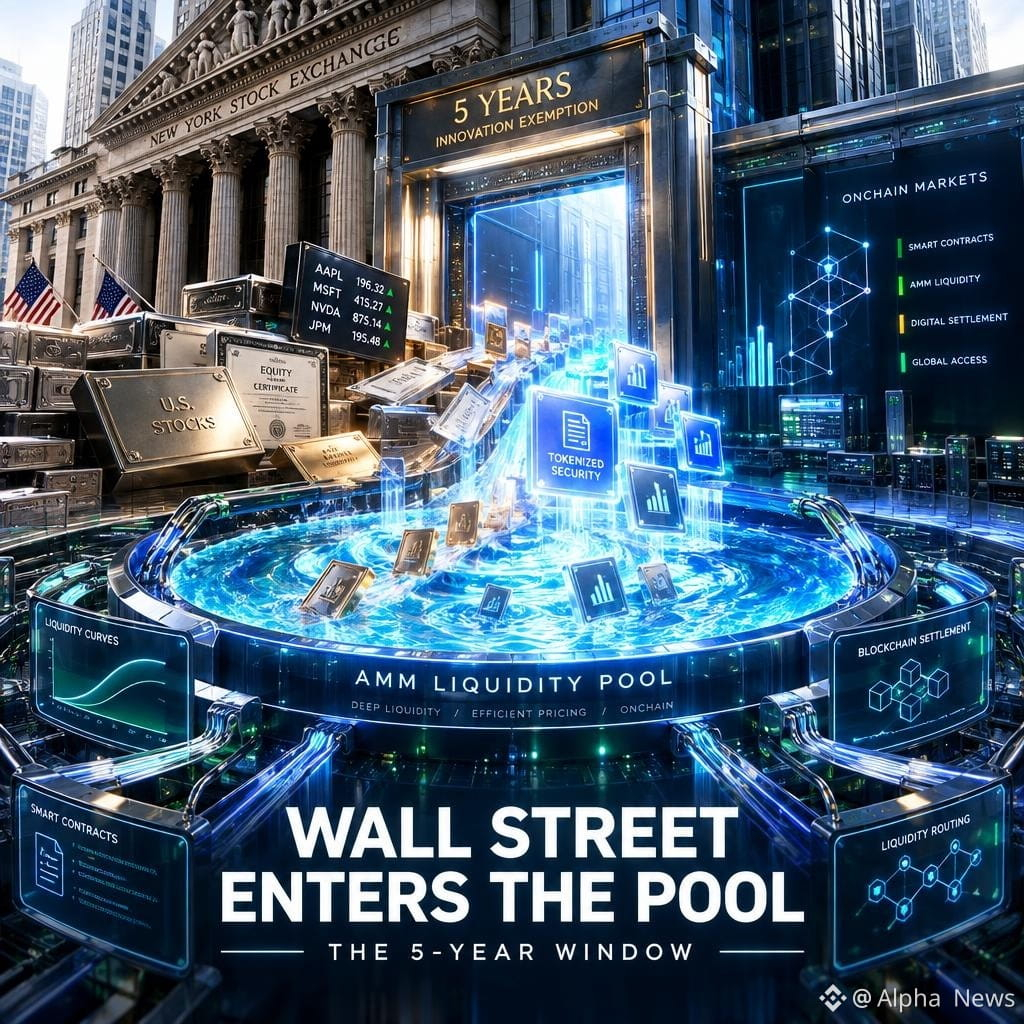
Overview
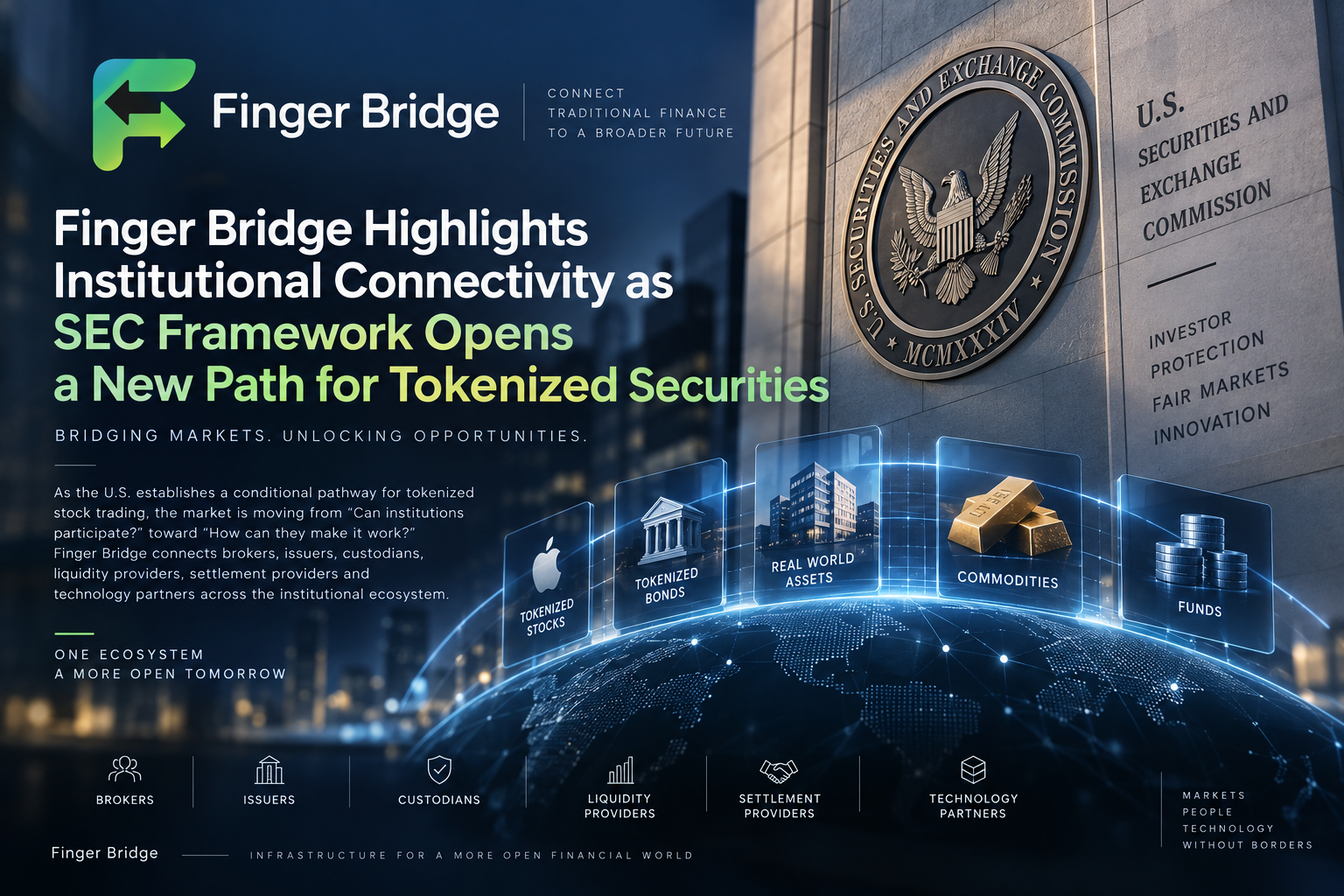
The SEC's immediate approval of tokenized US stock trading represents a watershed regulatory moment that fundamentally reshapes compliance requirements for blockchain platforms and creates cascading opportunities across fintech, compliance services, and investor-facing technology sectors. The framework establishes a 30-day notification window requiring companies to formally object before their stocks are tokenized—a requirement that will generate substantial demand for compliance advisory services, legal documentation, and notification infrastructure. With 164% growth in tokenized stockholders over 30 days (per RWA.xyz), the market is already signaling massive adoption velocity.
From a compliance perspective, this regulation creates a high-entry-barrier moat protecting early-compliant platforms like Coinbase and Robinhood. The framework mandates that tokenized stock holders receive identical ownership rights (dividends, voting privileges) as traditional shareholders—a requirement that eliminates non-compliant competitors and forces smaller blockchain platforms to build sophisticated corporate governance infrastructure. Companies must now implement notification systems, maintain cap table accuracy, and ensure dividend distribution mechanisms, creating a 60-90 day compliance timeline and estimated $500K-$2M implementation costs per platform.
The five-year exemption period signals the SEC's intent to gather market data before permanent rules, meaning platforms that achieve compliance now will have first-mover advantage and reduced regulatory uncertainty through 2029. This creates immediate opportunities in three compliance-adjacent categories: (1) Compliance-as-a-Service platforms for tokenization notification and corporate governance tracking; (2) Legal documentation services for companies establishing tokenization policies; (3) Custody and settlement infrastructure ensuring dividend/voting rights distribution. The 164% growth metric indicates market demand is already outpacing supply—sellers and service providers entering this space now can capture 18-24 months of uncontested market share before regulatory clarity attracts larger competitors.
Critically, the requirement that companies receive notification before tokenization addresses the AMC Entertainment incident (unauthorized token trading), establishing a compliance-first precedent that eliminates the "move fast and break things" approach previously used by some platforms. This regulatory clarity actually accelerates legitimate market growth by removing legal uncertainty that previously deterred institutional participation. Sellers in compliance services, legal tech, and custody infrastructure should prioritize this market immediately—the 30-day notification requirement creates recurring revenue opportunities as companies continuously monitor and object to new tokenization attempts.
Questions 8
What is the estimated compliance cost and timeline for blockchain platforms?
Implementation costs range from $500K-$2M per platform depending on existing infrastructure, with a 60-90 day compliance timeline to achieve SEC requirements. Platforms must build notification systems, corporate governance infrastructure, dividend distribution mechanisms, and voting rights tracking. Smaller platforms may outsource to Compliance-as-a-Service providers at $50K-$200K annually. The 30-day notification window creates recurring operational costs as companies continuously monitor and respond to tokenization requests. Early-moving platforms can amortize these costs across larger user bases, creating competitive advantages.
How does the AMC Entertainment incident shape compliance requirements for platforms?
The unauthorized AMC token trading on Robinhood directly triggered the SEC's 30-day notification requirement, establishing a compliance-first precedent that eliminates the 'move fast and break things' approach. This incident demonstrates that platforms cannot tokenize stocks without explicit company authorization, creating legal liability for non-compliant platforms. Companies must now implement notification systems and maintain accurate cap tables. This regulatory clarity actually accelerates legitimate market growth by removing legal uncertainty that previously deterred institutional participation and corporate adoption.