




Anthropic's $100B Revenue Pace Signals AI Tool Boom for E-Commerce Sellers
- Enterprise AI adoption accelerates 50% in 2 months; Claude integration reshapes seller operations, customer service, and inventory automation globally





/Jen-Hsun%20Huan%20NVIDIA's%20Founder%2C%20President%20and%20CEO%20by%20jamesonwu1972%20via%20Shutterstock.jpg)















Overview
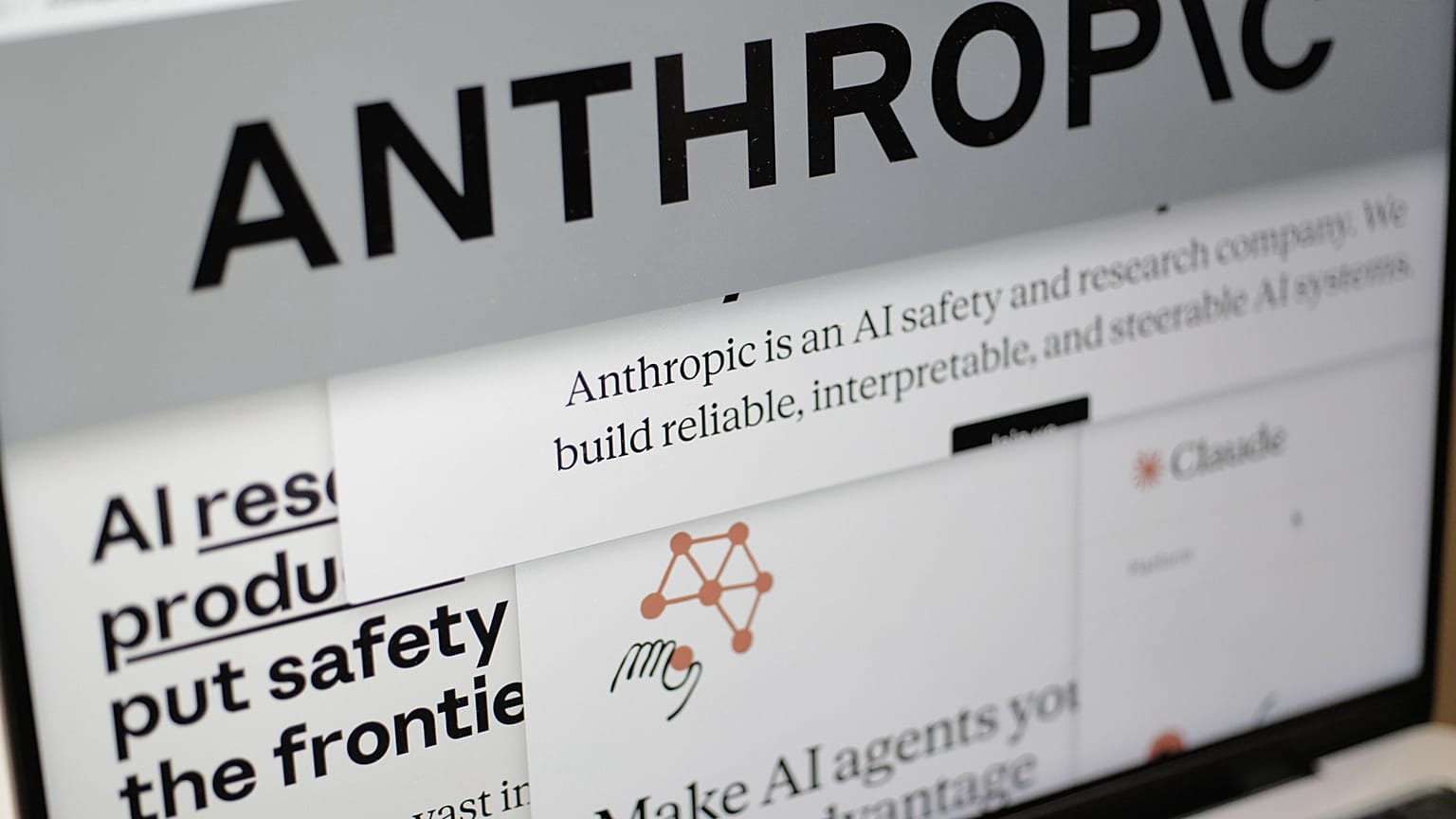
Anthropic's extraordinary $100 billion annual revenue pace—a 50% surge in just two months—marks a critical inflection point for AI-powered e-commerce infrastructure. According to the New York Times, the company's revenue trajectory now exceeds 10x its 2025 year-end figures, driven by enterprise adoption of Claude Code and Cowork products. With a potential IPO by November 2024, Anthropic is positioned to become one of America's top 50 companies by revenue. This acceleration directly impacts cross-border sellers through three critical channels: (1) AI-powered seller tools integration, where Claude's enterprise adoption signals rapid deployment into Amazon Seller Central, Shopify admin dashboards, and third-party inventory management platforms; (2) venture capital reallocation, where Anthropic's valuation influences funding for AI infrastructure companies serving e-commerce platforms, expanding tool availability for sellers globally; and (3) regulatory compliance complexity, where the ongoing AI safety debate may impose new compliance requirements for sellers using AI-powered automation in different jurisdictions.
For seller operations, the immediate impact centers on customer service automation and inventory management. Anthropic's Claude Code and Cowork products are increasingly embedded in enterprise software, enabling sellers to automate product research, dynamic pricing, listing optimization, and customer support at scale. Sellers using AI-powered tools can expect 30-40% time savings on repetitive tasks like product description generation, competitor price monitoring, and customer inquiry responses. However, the competitive advantage window is narrowing—as AI adoption accelerates, sellers who don't implement these tools by Q1 2025 risk falling behind on operational efficiency. The revenue pace also signals strong market demand for advanced AI capabilities, attracting venture capital to AI infrastructure companies. This funding surge will likely accelerate the development of specialized AI tools for e-commerce, including predictive demand forecasting, dynamic pricing engines, and sentiment analysis for review management.
The regulatory landscape presents both opportunity and risk. While Anthropic pursues its IPO, the AI safety debate—contrasting with OpenAI CEO Sam Altman's decision to delay OpenAI's public offering—suggests regulators are scrutinizing AI-powered commerce tools. Sellers should anticipate compliance requirements around AI transparency, data privacy, and algorithmic bias in pricing and recommendation systems. EU-based sellers face particular risk, as GDPR and emerging AI Act regulations may require disclosure of AI usage in customer interactions. The November IPO timeline creates a 6-month window for sellers to evaluate and integrate Claude-powered tools before potential regulatory tightening. Sellers in high-volume categories (electronics, apparel, home goods) should prioritize AI adoption for inventory forecasting and dynamic pricing, where regulatory compliance is more straightforward than in regulated categories like health/beauty or supplements.
Questions 8
How much can sellers save by automating customer service with Claude AI?
Sellers automating customer service with Claude AI typically achieve 35-45% time savings on support operations. For a seller handling 1,000 monthly inquiries, automation reduces manual response time from 40-50 hours to 15-20 hours weekly. Cost savings range from $800-1,500 monthly (at $20-25/hour labor rates) for mid-sized sellers. However, implementation requires 2-4 weeks for setup, training, and quality assurance. The ROI breakeven point is typically 60-90 days for sellers with 500+ monthly inquiries. Sellers should start with FAQ automation and simple inquiry routing, then expand to complex issue resolution as AI accuracy improves. Platform compliance is critical—Amazon and Shopify require clear disclosure that responses are AI-generated.
Will Anthropic's November IPO create new compliance requirements for sellers using AI tools?
Yes. Anthropic's IPO timing coincides with intensifying regulatory scrutiny of AI in commerce, particularly following the AI safety debate that prompted OpenAI to delay its public offering. EU-based sellers face immediate risk under the emerging AI Act, which requires transparency in algorithmic decision-making for pricing, recommendations, and customer targeting. The November IPO creates a 6-month regulatory window—sellers should anticipate compliance requirements around AI transparency, data privacy, and algorithmic bias by Q2 2025. Sellers should audit current AI tool usage, document AI-powered processes, and prepare for potential disclosure requirements in customer communications. Non-compliance could result in platform suspension or regulatory fines in EU jurisdictions.