



China Oil Crisis Drives Logistics Cost Surge | Cross-Border Sellers Face 8-15% Freight Increases
- Rising energy costs compress margins for sellers reliant on Chinese manufacturing and fulfillment; immediate pricing strategy adjustments required for Amazon FBA, eBay, and Shopify merchants





















Overview
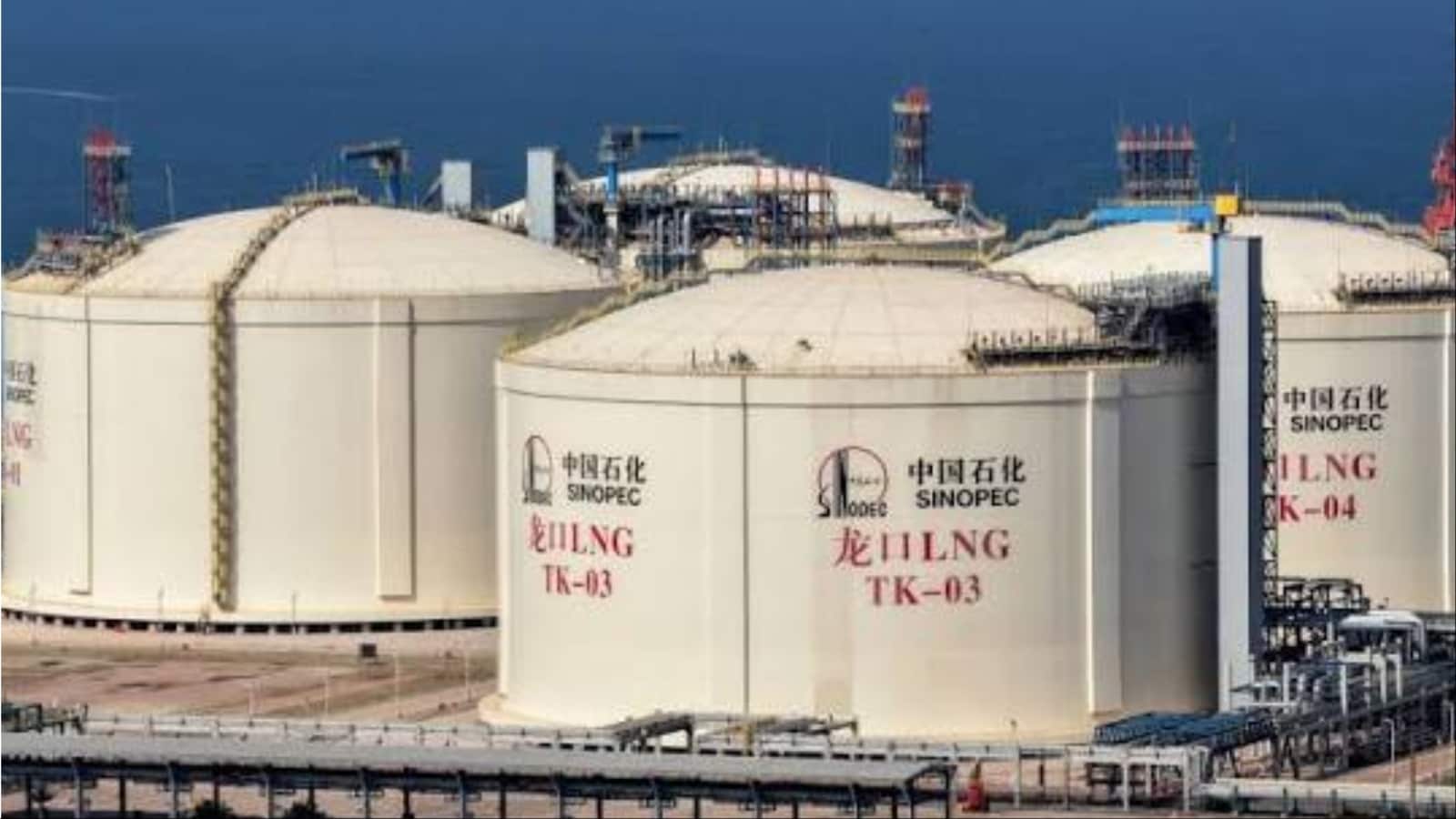
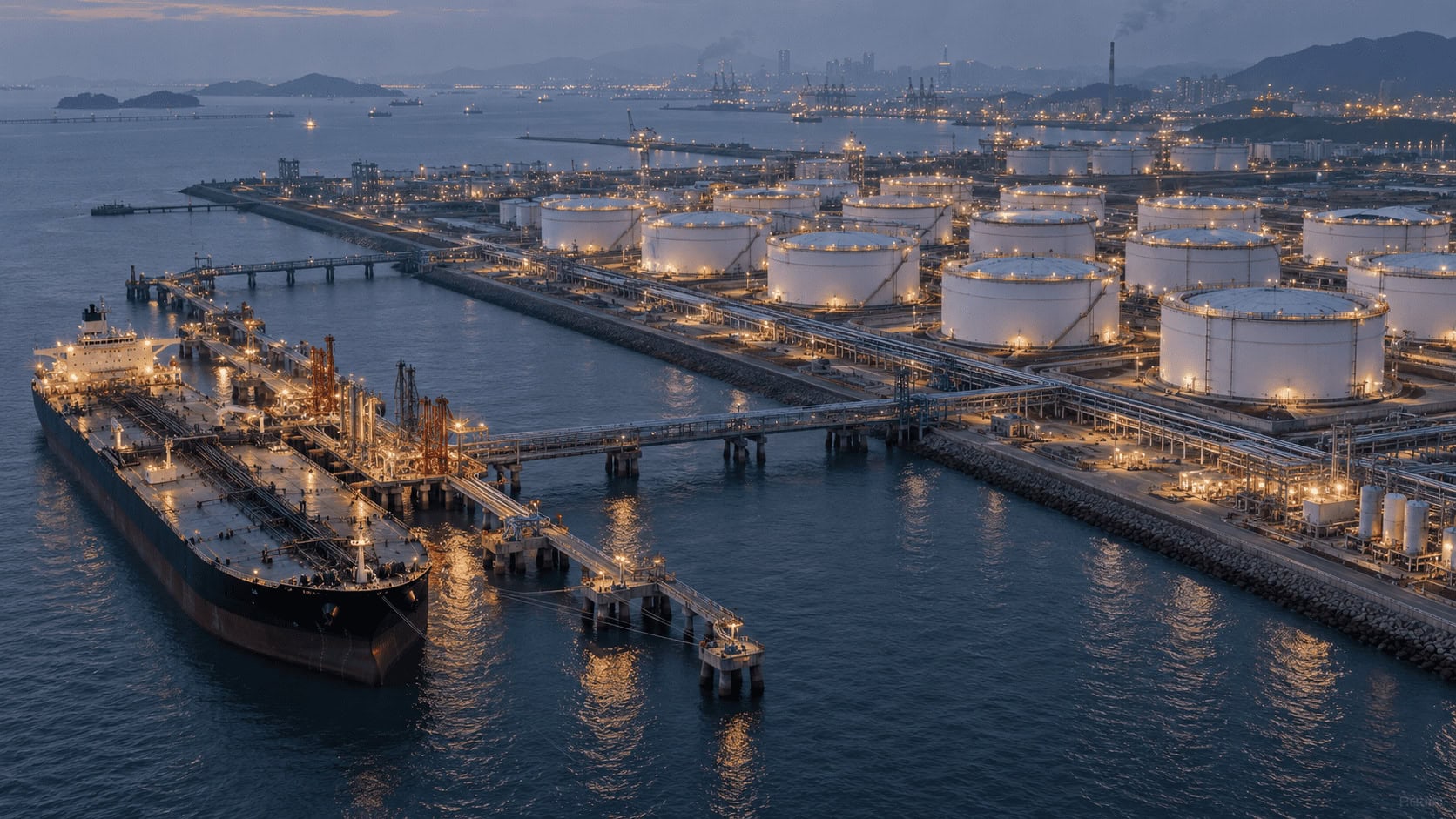
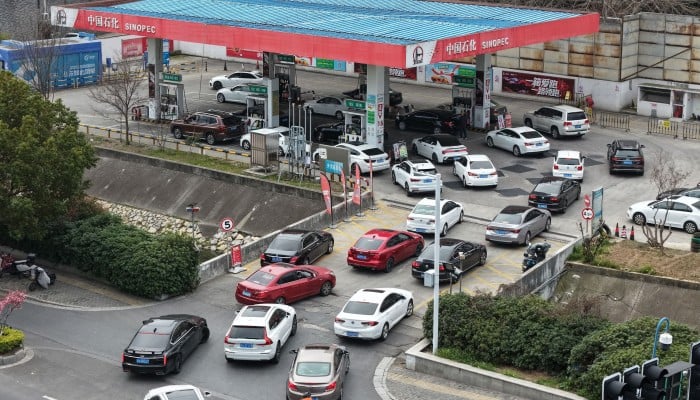
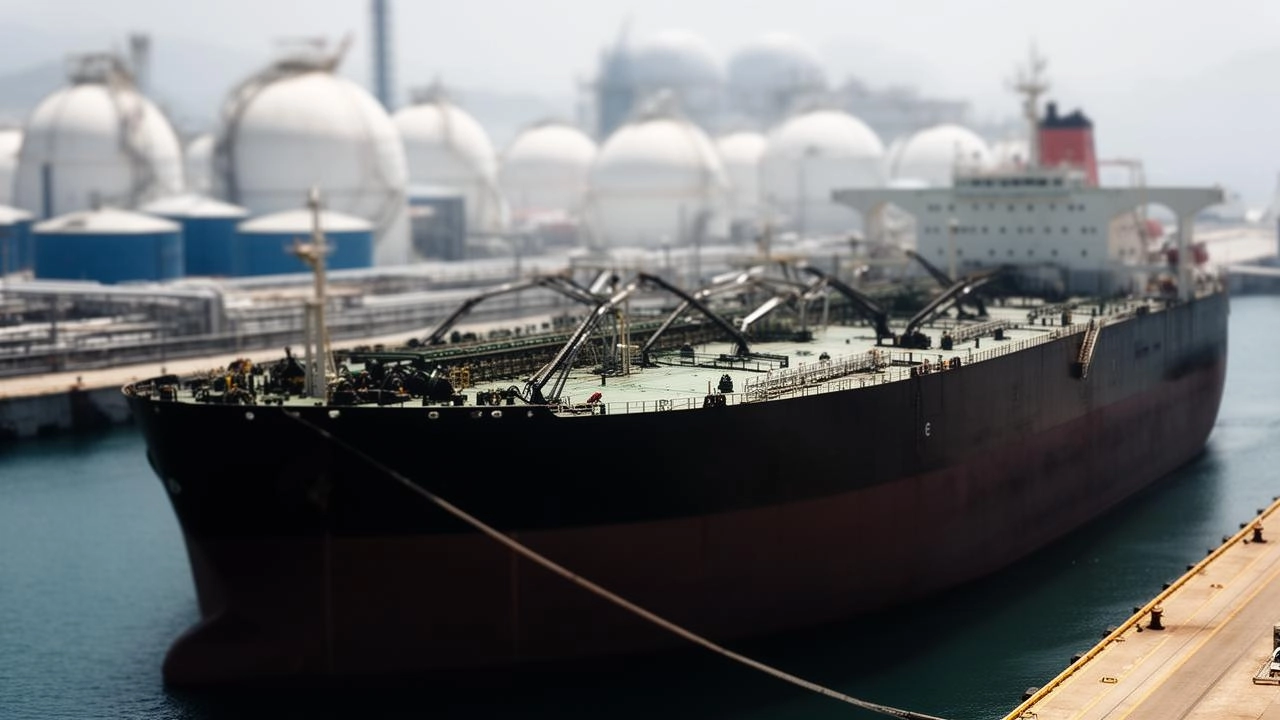
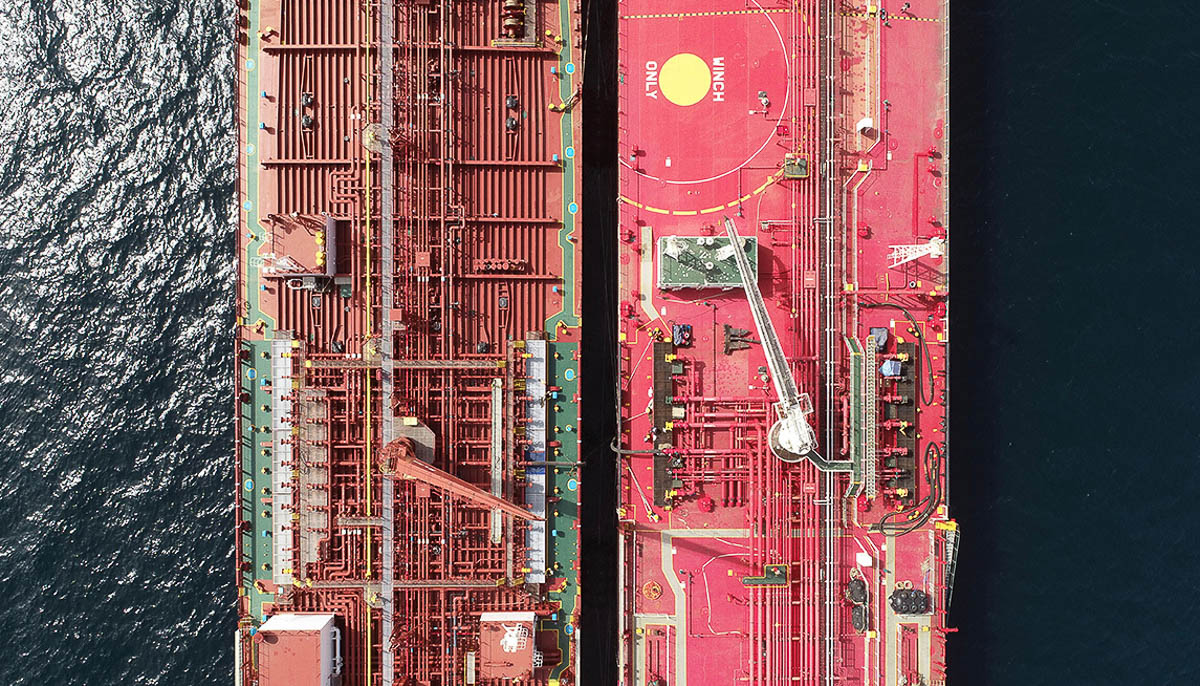
China's escalating oil crisis represents a critical cost shock for cross-border e-commerce sellers. As the world's second-largest oil consumer facing constrained supply options and soaring prices, China imports approximately 70% of its crude oil internationally. This energy squeeze directly translates to elevated freight costs on air and sea shipping routes—the critical logistics arteries for international commerce. For sellers relying on Chinese manufacturing hubs and fulfillment centers, energy surcharges are becoming standard in logistics pricing, with freight costs rising 8-15% depending on shipping method and destination market.
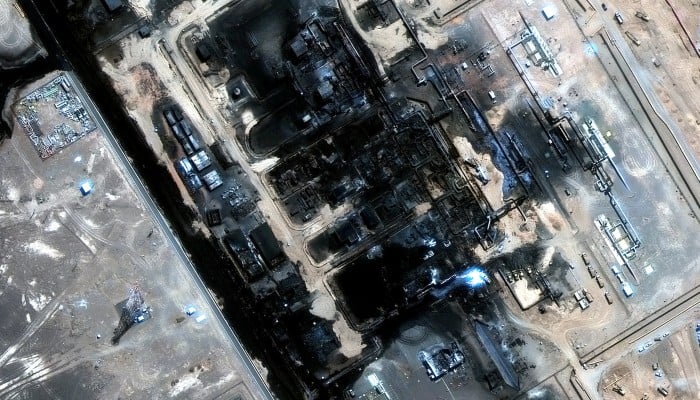
The operational impact cascades across multiple seller segments. Small to medium-sized sellers (SMEs) shipping 500-2,000 units monthly from China face immediate margin compression of 3-8% as 3PL providers and freight forwarders pass through fuel surcharges. Large-volume sellers operating dedicated fulfillment networks in China experience higher absolute costs but can absorb increases through scale. The narrowing of China's energy supply options—driven by geopolitical tensions affecting Middle Eastern exports and production disruptions—forces manufacturers to diversify sourcing, potentially increasing production costs by 5-12% for energy-intensive categories like electronics, appliances, and industrial goods. This creates a dual cost squeeze: higher manufacturing expenses plus elevated logistics fees.
Strategic sourcing shifts are accelerating. Sellers in electronics, home goods, and apparel categories are evaluating alternative manufacturing regions (Vietnam, India, Indonesia) to reduce exposure to China's energy volatility. However, switching costs are substantial: 4-8 week lead time extensions, 2-5% higher unit costs, and 6-12 month supply chain stabilization periods. For sellers unable to pivot immediately, the window to adjust pricing strategies is narrow—typically 30-60 days before freight cost increases fully materialize in customer-facing prices. Amazon FBA sellers must recalculate landed costs and adjust pricing on Seller Central before Q1 peak season. eBay and Shopify merchants should model cost scenarios across their top 20 SKUs and prepare dynamic pricing adjustments. The situation reflects broader supply chain vulnerabilities that impact inventory management, shipping timelines, and overall profitability margins for the estimated 2.5M+ cross-border sellers sourcing from China.
Questions 8
Should I switch manufacturing from China to Vietnam or India?
Switching offers long-term cost relief but carries significant transition costs. Vietnam and India typically offer 2-5% lower unit costs but require 4-8 week lead time extensions and 6-12 months for supply chain stabilization. Switching costs include new supplier qualification (2-4 weeks), tooling adjustments ($500-5,000 per SKU), and initial quality control cycles. For sellers with 50+ SKUs, the transition cost can reach $25,000-100,000. Evaluate switching only if you're shipping 5,000+ units monthly from China and plan to maintain that volume for 18+ months. For smaller sellers, pricing adjustments and dynamic inventory management are more cost-effective short-term solutions.
How much will my shipping costs increase due to China's oil crisis?
Freight costs from China are rising 8-15% depending on shipping method and destination. Air freight typically sees 10-15% increases due to fuel surcharges, while sea freight experiences 8-12% increases. For a seller shipping 1,000 units monthly via sea freight at $2/unit, expect an additional $160-240 monthly cost. The increases are being implemented immediately by 3PL providers and freight forwarders, with most surcharges locked in through Q1 2025. Monitor your logistics partner's pricing notifications weekly and request itemized fuel surcharge breakdowns to understand the exact cost structure.