




OFAC Sanctions Escalation | Cryptocurrency Payment Risk for Cross-Border Sellers
- U.S. enforcement targets $1.5B+ illicit crypto flows; sellers using unvetted payment processors face compliance liability and account freezes







Overview
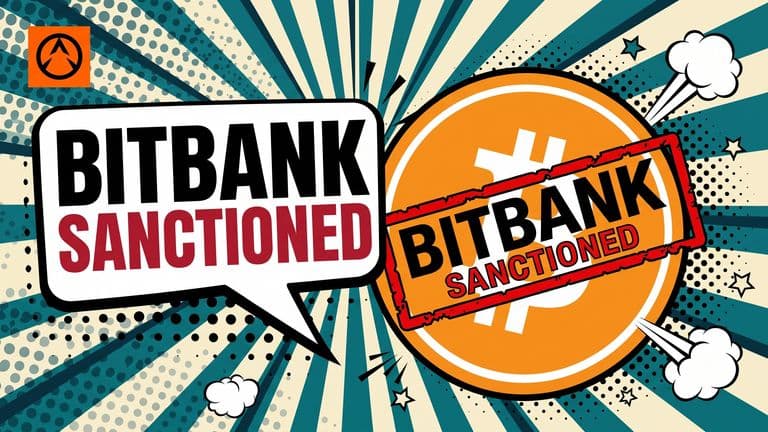
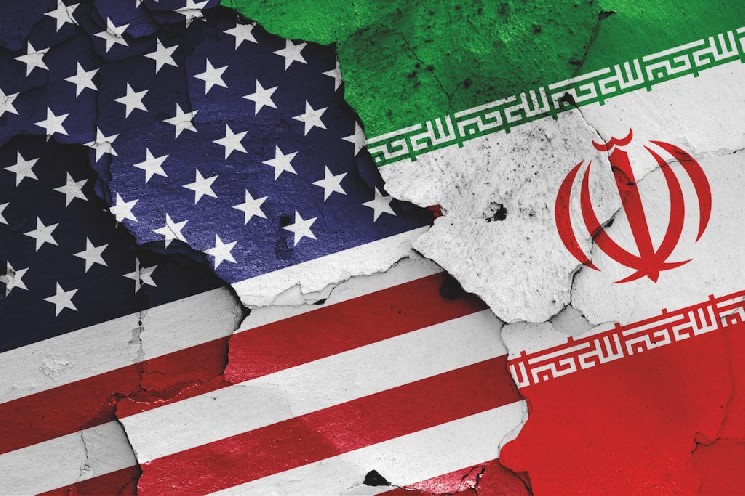
The U.S. Treasury Department's Office of Foreign Assets Control (OFAC) has designated BitBank, a digital asset exchange controlled by an Iranian financier, as part of Operation Economic Outcast, marking a significant escalation in cryptocurrency enforcement that directly impacts cross-border e-commerce sellers. The action targets cryptocurrency-based money laundering schemes, with the Department of Justice simultaneously filing civil litigation against approximately $61 million in cryptocurrency proceeds derived from black-market Iranian crude oil sales. The complaint alleges two Chinese companies operated cryptocurrency trading accounts to launder over $1.5 billion in illicit oil revenues back to Iran's government and military since June 2024.
For cross-border sellers, this enforcement action creates three critical compliance risks. First, OFAC's expanded jurisdiction over cryptocurrency exchanges means sellers accepting crypto payments through unvetted platforms face potential account freezes and asset seizures if those platforms are later designated. Second, the targeting of Chinese companies operating crypto trading accounts signals heightened scrutiny of Asia-Pacific sellers using digital asset payment processors for international transactions—a common practice for sellers avoiding traditional banking delays. Third, Treasury Secretary Scott Bessent's statement that "cryptocurrency-based financing schemes supporting the Iranian regime fall within OFAC's enforcement jurisdiction" establishes precedent for retroactive enforcement, meaning sellers' historical transactions could face review.
The operational impact extends to payment processing infrastructure. Sellers relying on cryptocurrency payment gateways (Coinbase Commerce, BitPay, Kraken) for cross-border transactions must now conduct enhanced due diligence on counterparty financial flows. The precedent of seizing $61M in crypto assets demonstrates OFAC's technical capability to track blockchain transactions, making anonymity-focused payment methods increasingly risky. Additionally, the involvement of Chinese companies suggests sellers based in China, Vietnam, and Southeast Asia face elevated compliance scrutiny when processing international payments through crypto channels—potentially forcing migration to traditional banking infrastructure with higher fees (2-4% vs. 0.5-1% for crypto) and longer settlement times (5-7 days vs. 24 hours).
Strategic implications for seller segments: Large sellers (>$5M annual revenue) with compliance teams can absorb additional due diligence costs; mid-market sellers ($500K-$5M) face 40-60 hour compliance audits per payment processor; small sellers (<$500K) may abandon crypto payments entirely, reducing payment optionality in emerging markets where crypto adoption is highest. The enforcement action also creates competitive advantage for sellers using traditional payment processors (Stripe, PayPal, 2Checkout) that maintain OFAC compliance infrastructure, while disadvantaging sellers who built payment strategies around lower-cost crypto alternatives.
Questions 8
What are the account freeze and asset seizure risks if sellers are associated with sanctioned payment platforms?
The news demonstrates OFAC's capability to freeze and seize cryptocurrency assets on designated platforms, with $61M in assets seized in this action alone. Sellers holding cryptocurrency on unvetted exchanges face risk of account freezes if those exchanges are later designated. Additionally, sellers' merchant accounts on Amazon, eBay, or Shopify could be frozen if payment processors detect transactions through sanctioned channels. The precedent of designating BitBank suggests OFAC will continue targeting cryptocurrency exchanges, creating ongoing risk for sellers using these platforms. Account freezes typically last 30-90 days during investigation, during which sellers cannot access funds or process orders. For sellers with significant cryptocurrency holdings, this creates liquidity risk. Immediate mitigation: withdraw cryptocurrency from unvetted exchanges to personal wallets, migrate to compliant payment processors, and maintain 30-day cash reserves to cover account freeze scenarios.
How does this enforcement action affect sellers' choice of international payment methods?
The OFAC enforcement escalation creates a tiered payment method hierarchy: (1) Traditional processors (Stripe, PayPal, 2Checkout) with dedicated OFAC compliance are safest; (2) Regional payment gateways (Alipay, WeChat Pay) require enhanced due diligence on parent company compliance; (3) Cryptocurrency processors face heightened scrutiny and potential designation; (4) Bank transfers to unvetted accounts carry maximum risk. The news reports $1.5B in illicit flows through cryptocurrency channels, signaling OFAC will prioritize crypto enforcement. Sellers should prioritize payment methods with transparent compliance infrastructure and avoid processors operating in high-risk jurisdictions. For sellers in emerging markets where traditional payment infrastructure is limited, this creates competitive disadvantage versus sellers in developed markets with robust payment processor options. Strategic response: diversify payment methods across multiple compliant processors rather than relying on single cryptocurrency channel.