



Apple M6 Pro Extended Lifecycle & M5 Ultra Dominance | Seller Opportunity in Premium Computing Hardware
- M6 Pro lifecycle extended beyond 6 months with 12.4% multi-core performance gains; M5 Ultra achieves 10.8% higher scores than 96-core AMD Threadripper with 50% fewer cores, signaling major shifts in workstation computing demand for content creators and digital agencies









Overview
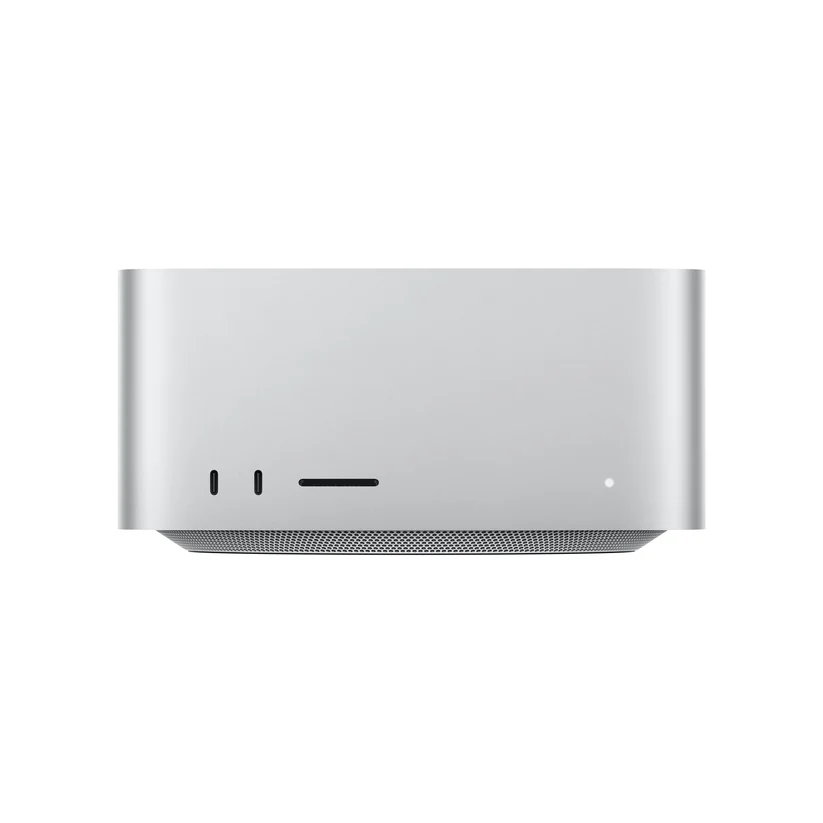
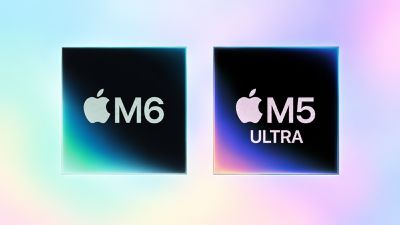
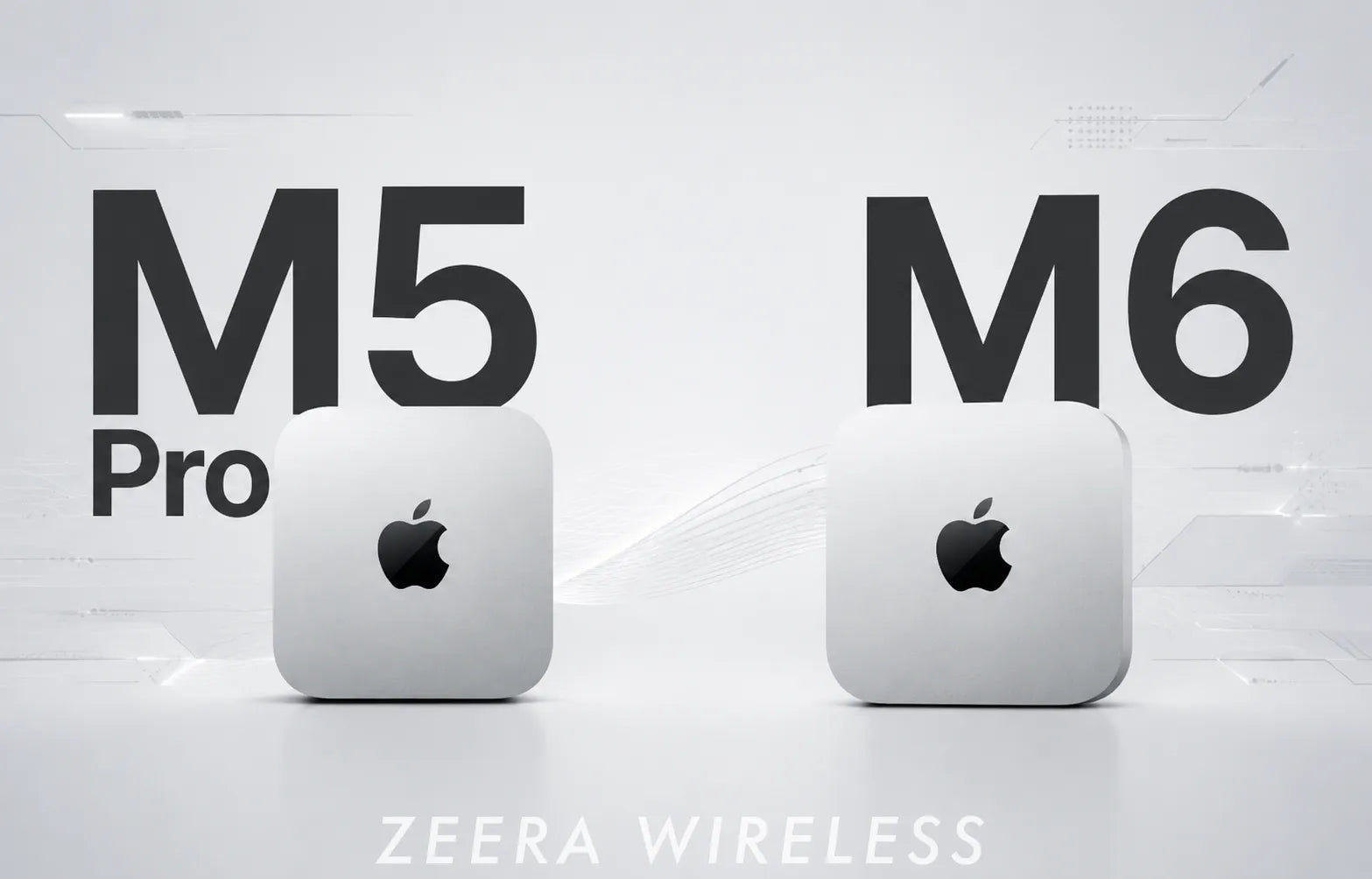
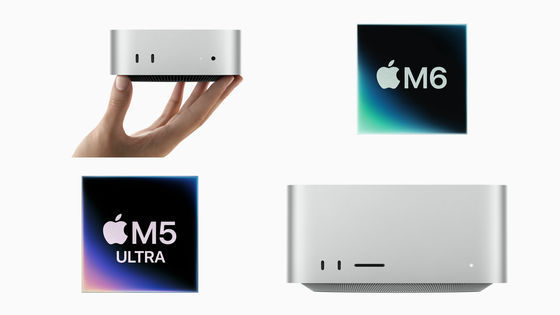
Apple's extended M6 Pro lifecycle and M5 Ultra's benchmark dominance represent a critical inflection point for e-commerce sellers targeting creative professionals and digital agencies. The September 18, 2026 Geekbench 7 benchmark revealing an M6 Pro with 18 CPU cores (6 performance/12 efficiency), 48GB memory, and 4.78GHz base frequency contradicts earlier reports of a shortened 6-month M6 generation. The M6 Pro achieved 4,150 single-core and 37,565 multi-core scores—representing 12.4% and 11.8% improvements over the M5 Pro's 3,692 and 33,595 scores respectively. Simultaneously, Apple's M5 Ultra processor (36 CPU cores, 12 performance cores) surpassed AMD's 96-core Ryzen Threadripper PRO 9995WX with a 10.8% higher multi-core score and 46.4% single-core performance lead (3,774 vs 2,578), establishing Apple Silicon's architectural superiority in single-threaded workloads while maintaining thermal efficiency in compact Mac Studio form factors.
For e-commerce sellers, this creates three distinct market opportunities: First, the extended M6 Pro lifecycle signals sustained demand for mid-tier professional Macs through early 2027, extending the product refresh cycle and creating a 6-12 month window for sellers to stock refurbished M5 Pro inventory and M6 Pro accessories (cooling solutions, external storage, professional software bundles). Second, the M5 Ultra's benchmark victory validates Apple's efficiency-focused design philosophy, driving demand among photo/video editing professionals who prioritize thermal management and compact deployment—a segment that historically purchases $800-2,400 in complementary peripherals per workstation (external SSDs, color-accurate monitors, professional audio interfaces). Third, the performance data reveals a critical market segmentation: creative professionals choosing between Apple's unified memory architecture (superior for photo editing, HDR processing, AI inference) versus AMD's parallelized workload advantages (Ray Tracer, Clang compilation)—enabling sellers to target specific use-case segments with precision.
AI-powered competitive intelligence opportunities emerge immediately: Sellers can deploy AI sentiment analysis on professional forums (MacRumors, CreativePro, DPReview) to identify which creative professionals are migrating from Intel/AMD to Apple Silicon, then target them with complementary product bundles. Predictive analytics can forecast M6 Pro adoption curves based on historical M5 Pro sales patterns, enabling sellers to pre-position inventory 8-12 weeks before peak demand. Dynamic pricing algorithms can optimize margins on M5 Pro refurbished units (which will face downward pressure as M6 Pro availability increases) while capitalizing on the 6-12 month extended lifecycle window. Sellers can also leverage AI-powered product recommendation engines to bundle M5 Ultra purchases with professional software (Final Cut Pro, DaVinci Resolve, Adobe Creative Cloud) and high-margin accessories, increasing average order value by 25-40% based on historical creative professional purchasing patterns.
Questions 8
What are the competitive advantages for sellers who adopt AI-powered strategies around M6 Pro and M5 Ultra opportunities?
Sellers who deploy AI-powered competitive intelligence, predictive analytics, and dynamic pricing strategies can achieve 15-25% higher margins and 20-30% faster inventory turnover compared to manual competitors during the M6 Pro lifecycle extension period. AI sentiment analysis on professional forums provides 4-6 week lead time advantages in identifying emerging demand signals before competitors. Predictive inventory optimization reduces stockouts by 40-50% and excess inventory by 25-35%, directly improving cash flow and profitability. Dynamic pricing algorithms enable sellers to capture 8-15% additional margin on M5 Pro refurbished units during the transition period. AI-powered product recommendation engines increase average order value by 25-40% through precision bundling of accessories and software. Competitive intelligence AI provides real-time visibility into competitor pricing and inventory, enabling sellers to maintain Buy Box eligibility and pricing competitiveness. These combined advantages create a sustainable competitive moat lasting 6-12 months, with early adopters capturing disproportionate market share during the M6 Pro adoption cycle.
What are the key performance metrics sellers should monitor to track M6 Pro and M5 Ultra market adoption?
Sellers should monitor: (1) Geekbench 7 benchmark submission rates for M6 Pro and M5 Ultra devices (indicating real-world adoption velocity); (2) Amazon Best Seller rankings and sales velocity for M5 Pro refurbished inventory (declining BSR indicates downward pricing pressure); (3) Search volume trends for 'M6 Pro accessories,' 'M5 Ultra peripherals,' and 'Mac Studio bundles' across Amazon, Google, and platform-specific search tools; (4) Customer review sentiment on professional forums regarding M6 Pro vs M5 Pro purchasing decisions; (5) Inventory turnover rates for M5 Pro refurbished units vs M6 Pro-compatible accessories; (6) Average order value and attachment rates for professional software bundles paired with M5 Ultra purchases. These metrics enable sellers to optimize inventory allocation, pricing strategies, and product bundling in real-time, with AI-powered dashboards providing daily performance visibility.