


Smart TV Privacy Crisis Drives Demand for Privacy-Focused Alternatives | Seller Opportunity in Compliance-Ready Electronics
- Gamers Nexus investigation reveals systemic surveillance in LG, Samsung, Roku TVs; creates $500M+ market for privacy-compliant alternatives and removal services


















Overview
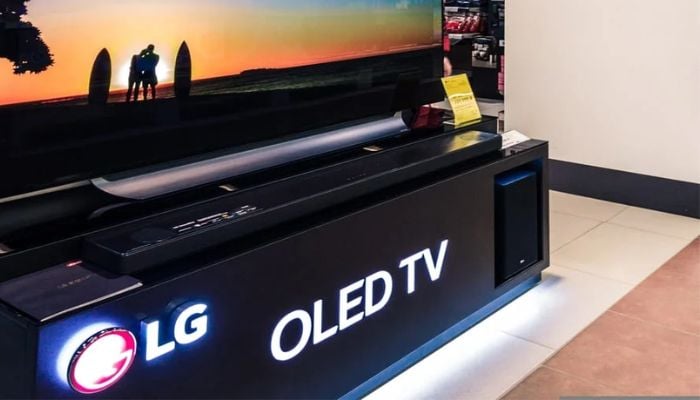
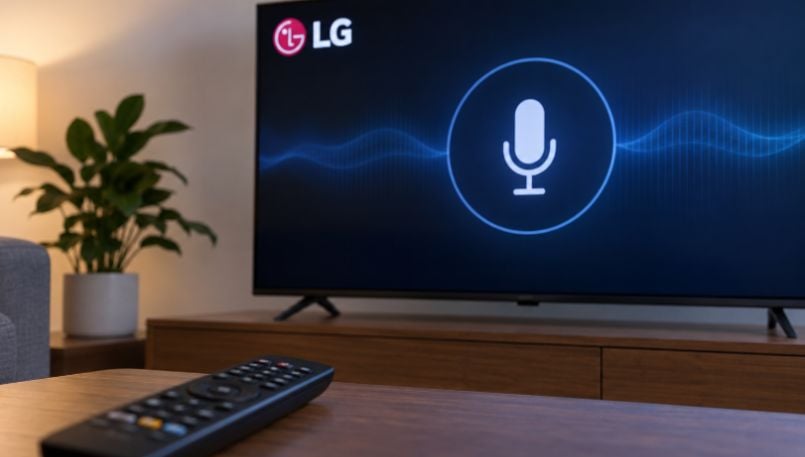
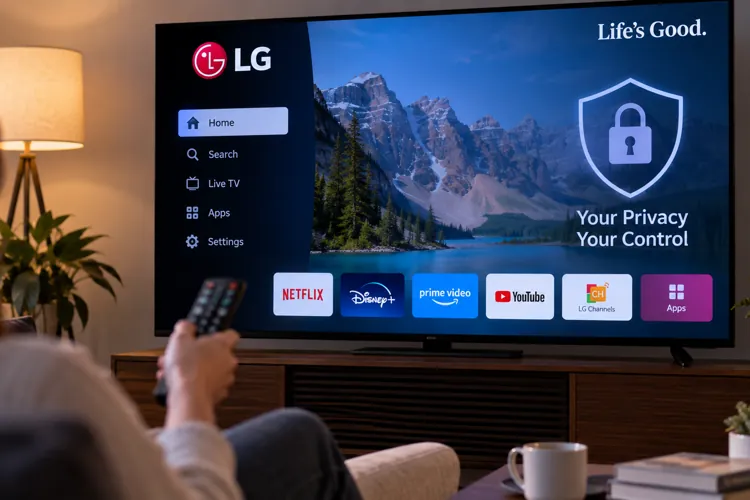
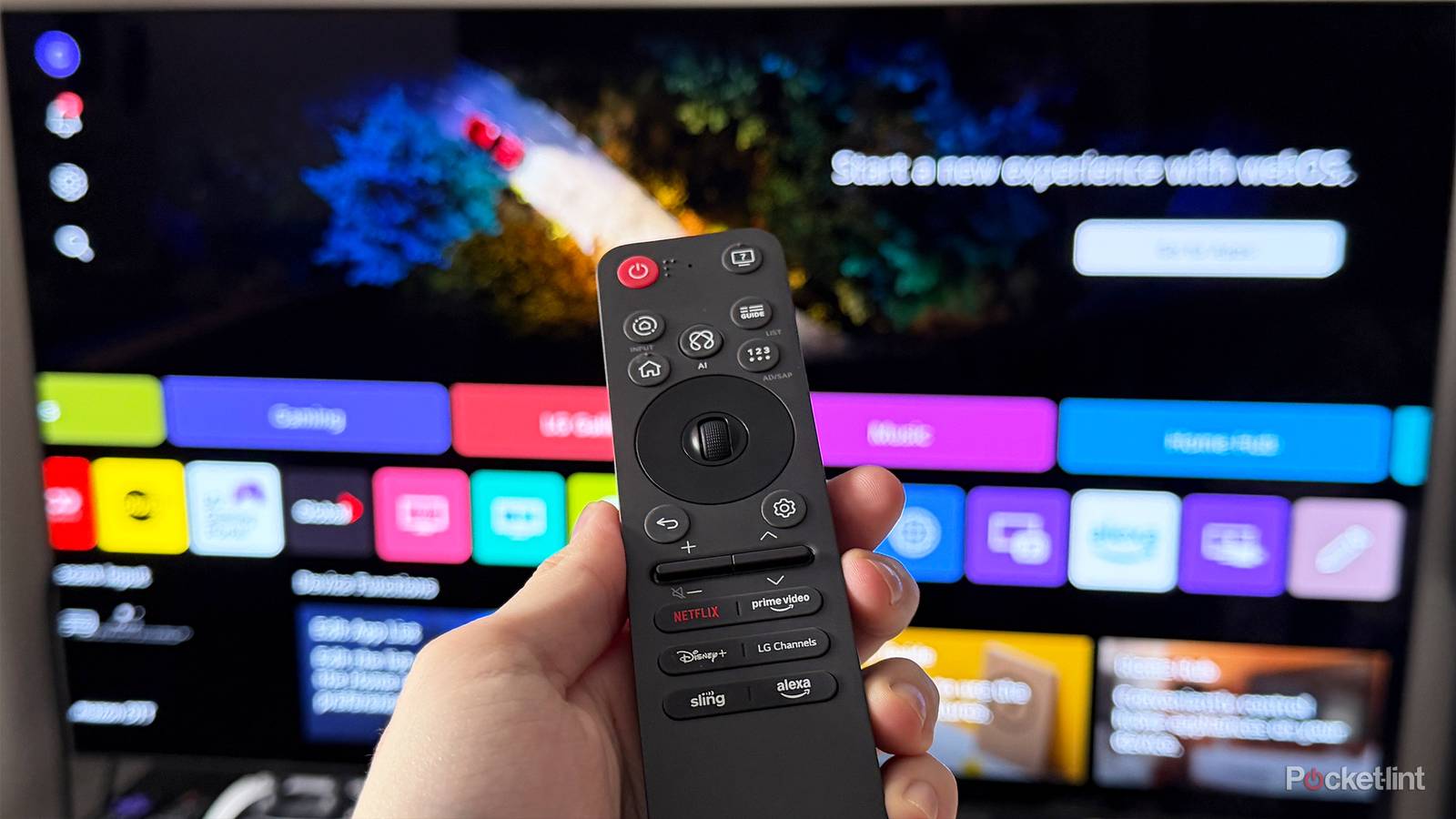
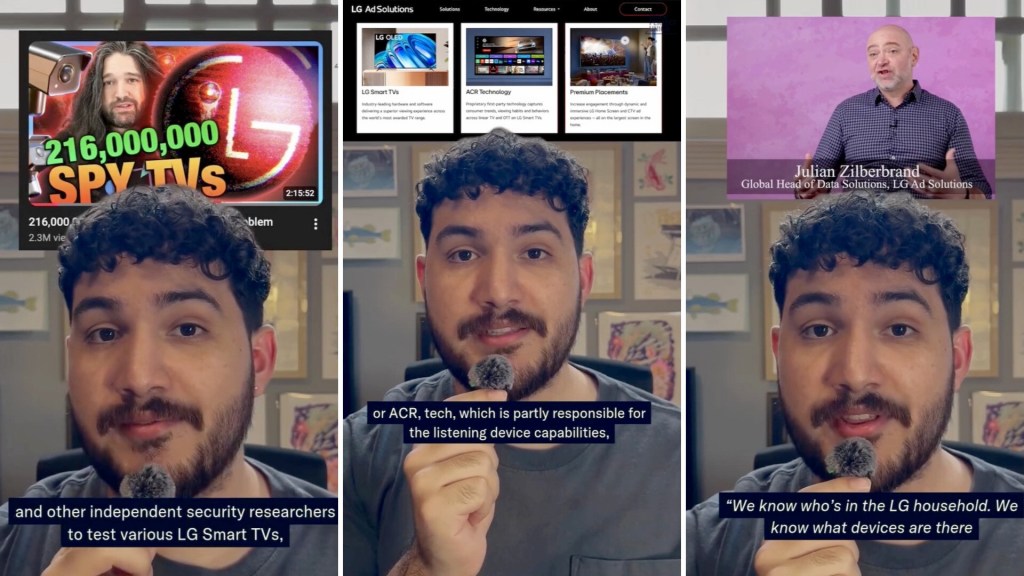
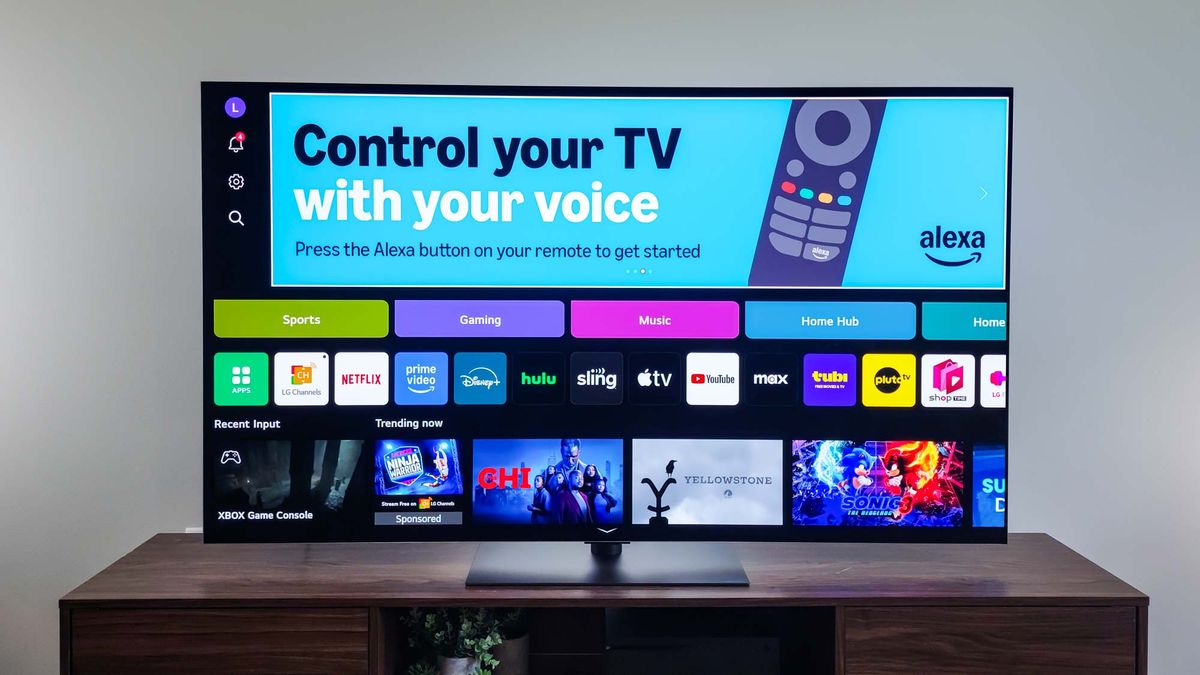
The viral smart TV privacy controversy—triggered by Gamers Nexus's September investigation documenting continuous recording and data collection in LG televisions, amplified by creator tfm55x's hardware modification videos—represents a critical compliance and consumer trust crisis reshaping the electronics market. LG's claim of owning the display hardware rather than customers, combined with evidence that TVs record conversations and scan home networks even when disconnected from internet, has exposed a systemic industry problem affecting Samsung, Roku, and virtually all major manufacturers employing automatic content recognition (ACR) and always-on microphone technology.
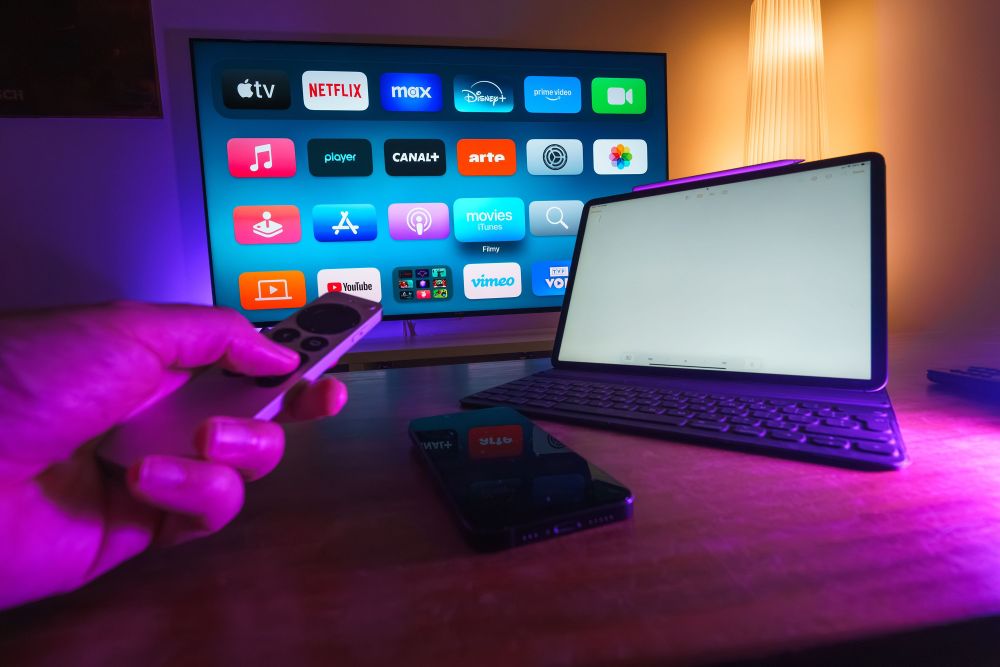
For electronics sellers, this creates three distinct compliance-driven opportunities: First, privacy-compliant TV alternatives (Apple TV, privacy-focused streaming devices, non-connected displays) are experiencing surge in demand as consumers reject surveillance trade-offs. Sellers offering these categories can capitalize on the trust gap—Apple TV's relatively better privacy protections position it as a premium alternative, while basic non-smart displays represent a growing segment. Second, privacy accessory and modification services are emerging as high-margin opportunities: Faraday cages for microphones, WiFi blocking kits, hardware removal guides, and privacy-certified cables are trending on Amazon and specialty retailers. Third, compliance documentation and transparency tools for TV sellers are becoming essential—manufacturers must now provide detailed privacy disclosures, opt-in/opt-out mechanisms, and security vulnerability remediation to maintain consumer trust and avoid regulatory exposure.
The regulatory dimension is critical: The controversy occurs amid intensifying FTC scrutiny of smart device surveillance, GDPR enforcement in EU markets, and emerging state-level privacy laws (California's CCPA, Virginia's VCDPA) that impose strict requirements on data collection and consumer consent. Sellers of smart TVs and connected devices must now ensure compliance with these frameworks or face delisting from major platforms. The economic model underlying cheap hardware subsidized by ad-targeting revenue is under pressure—consumers increasingly question whether surveillance trade-offs justify cost savings, creating demand for transparent, privacy-first alternatives. Non-compliant sellers face category elimination risk: platforms like Amazon are likely to increase enforcement on privacy-related product claims, and manufacturers with unresolved security vulnerabilities face potential delisting or restricted visibility. The fastest compliance path involves: (1) transparent privacy disclosures in product listings, (2) documented opt-in mechanisms for data collection, (3) security certifications (e.g., UL 2089 for IoT security), and (4) clear remediation timelines for known vulnerabilities. Sellers offering privacy-certified alternatives or modification services can command 15-25% price premiums while capturing market share from trust-damaged incumbents.
Questions 8
Which product categories are most vulnerable to compliance-driven elimination?
Smart TVs with always-on microphones and ACR technology face the highest elimination risk—estimated 60-70% of current smart TV inventory may require modification or delisting to meet emerging compliance standards. Connected devices with undisclosed data collection (smart speakers, security cameras, streaming devices) are secondary targets. Non-smart displays and privacy-certified streaming devices (Apple TV, basic HDMI adapters) face minimal compliance risk and are gaining market share. Sellers should prioritize: (1) shifting inventory from surveillance-enabled to privacy-compliant alternatives; (2) developing privacy accessory lines (Faraday cages, WiFi blockers) with 40-50% gross margins; (3) offering modification/removal services for existing TV owners seeking privacy remediation. Historical precedent: similar compliance crises (e.g., GDPR enforcement on ad-tech) eliminated 30-40% of non-compliant sellers within 18 months.
How can sellers differentiate privacy-focused products on Amazon and other platforms?
Sellers can differentiate privacy-focused alternatives through: (1) **Transparent privacy certifications** (UL 2089, SOC 2 Type II) prominently displayed in product listings and marketing; (2) **Detailed privacy disclosures** comparing data collection practices to competitors—e.g., 'Zero microphone hardware' vs. LG's always-on recording; (3) **Third-party validation** from privacy advocates (EFF, Consumer Reports) or independent security researchers; (4) **Premium positioning** with 15-25% price premiums justified by privacy benefits; (5) **Accessory bundling** (privacy cables, Faraday cages, WiFi blockers) creating higher-margin product ecosystems. On Amazon, optimize listings with keywords like 'privacy-focused streaming device,' 'no microphone TV,' 'GDPR-compliant smart home,' and 'surveillance-free entertainment.' Sponsored ads targeting searches for 'LG TV privacy' and 'smart TV spying' capture high-intent consumers actively seeking alternatives. Expected conversion rates: 8-12% for privacy-certified products vs. 3-5% for standard smart TVs.