
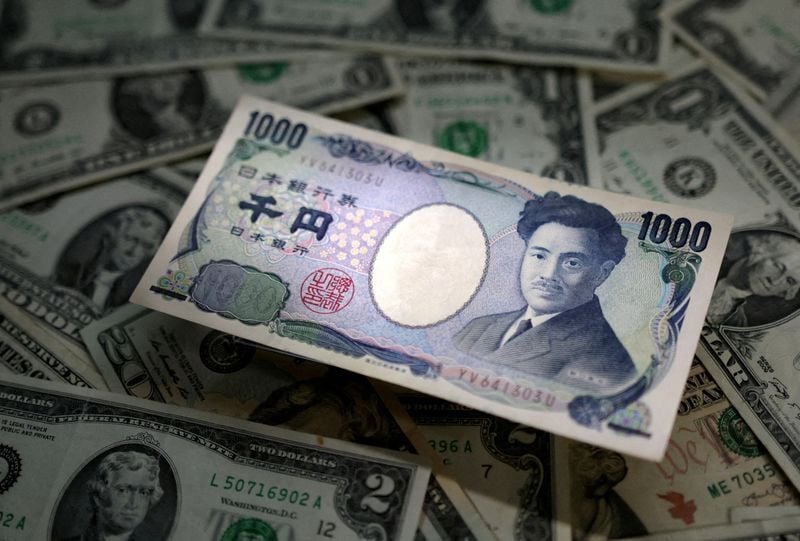



BOJ Rate Hikes Trigger Yen Volatility | Japan E-Commerce Sellers Face Currency Headwinds
- Second rate increase in 3 months creates 1.3% yen depreciation, affecting Japan-based sellers' USD/EUR export margins by 2-4% through December 2024


Overview
The Bank of Japan's second interest rate increase in three months—announced on Friday in response to U.S. Treasury Secretary Scott Bessent's advocacy for yen strengthening—creates significant currency volatility for cross-border e-commerce sellers based in Japan. Despite hawkish rhetoric from BOJ Governor Kazuo Ueda, the yen fell 1.3% immediately after the announcement, signaling market skepticism about sustained tightening. This currency weakness directly impacts Japan-based sellers exporting to the U.S. and EU markets, where pricing competitiveness depends on favorable exchange rates. For sellers shipping electronics, apparel, and consumer goods from Japan to Amazon US, eBay, and Shopify stores, the 1.3% yen depreciation initially improves export margins—but the uncertainty surrounding future rate moves (potential October hikes or larger-than-usual moves remain possible) creates hedging challenges through Q4 2024.
The critical risk emerges from political pressure on BOJ independence. Prime Minister Sanae Takaichi's two appointees voted against Friday's rate increase, signaling dovish resistance that will intensify when she replaces hawkish board members in July 2027. This political shift threatens the BOJ's commitment to sustained tightening, creating a "policy reversal risk" that could trigger yen appreciation if markets lose confidence in rate hikes. For Japan-based sellers, this means currency volatility will likely persist through 2025-2027, requiring dynamic pricing strategies on Amazon Seller Central and other platforms. The widening U.S.-Japan interest-rate gap (Fed Chairman Kevin Warsh signaled more rate hikes) compounds complexity: if the Fed tightens faster than the BOJ, yen weakness could persist, but if the BOJ pivots dovish in 2027, rapid yen appreciation could compress export margins by 3-5% within months.
Operationally, Japan-based sellers must prepare for three distinct scenarios: (1) Sustained BOJ tightening through 2026 = continued yen weakness favoring exports; (2) Policy reversal in 2027 = rapid yen appreciation requiring margin compression or price increases; (3) Stagnation risk = if rate hikes push Japan toward economic contraction (as Takaichi fears), domestic consumer spending may decline, forcing sellers to rely more heavily on export channels. The debt-servicing cost increase of 30% by 2029 signals Japan's fiscal stress, which could eventually pressure the yen downward despite rate hikes. Sellers should monitor BOJ decision points in December/January and track the composition of board replacements announced in 2026-2027 as leading indicators of future currency direction.
Questions 8
What is the timeline for BOJ policy decisions that affect currency direction?
The BOJ's next decision point falls in December 2024 or January 2025, with potential for larger-than-usual rate moves. The real structural shift occurs in July 2027 when Takaichi replaces hawkish board members with dovish appointees, potentially reversing the tightening cycle. Meanwhile, Federal Reserve Chairman Kevin Warsh signaled more rate hikes, widening the U.S.-Japan interest-rate gap and creating downward pressure on the yen through 2025. Sellers should monitor these dates: December 2024/January 2025 (next BOJ decision), mid-2026 (board replacement announcements), and July 2027 (actual board composition shift). Each milestone could trigger 1-3% currency swings affecting export margins.
How does Japan's rising debt-servicing costs impact e-commerce seller opportunities?
Japan's debt-servicing costs are projected to rise 30% by 2029, signaling fiscal stress that could eventually pressure the yen downward despite rate hikes. This creates a paradox: the BOJ may be forced to choose between supporting the yen (through rate hikes) and supporting economic growth (through rate cuts). If growth concerns win, the yen could weaken further, benefiting Japan-based exporters. However, if fiscal stress forces the government to cut spending, domestic consumer demand may decline, reducing opportunities for sellers targeting Japanese buyers on Rakuten or Yahoo Shopping. Sellers should monitor Japan's fiscal policy announcements and consider shifting inventory allocation toward export channels (Amazon US, eBay) if domestic demand weakens.