



Terrorism, Gun Control, and Community Resilience in the Wake of the Bondi Beach Attack
- Unprecedented civilian heroism exposes critical gaps in counterterrorism and community protection strategies












Overview
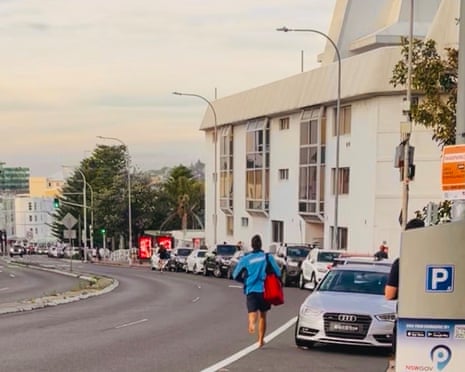
The Bondi Beach terrorist attack represents a pivotal moment in Australia's national security landscape, revealing profound vulnerabilities in intelligence monitoring and gun control mechanisms. On a Sunday that will be etched in national memory, a terrorist incident targeting the Jewish community exposed multiple systemic weaknesses while simultaneously highlighting extraordinary human courage.
The attack, carried out by father-son duo Sajid and Naveed Akram, was not merely a random act of violence but a carefully planned ideologically motivated assault. Despite prior intelligence investigations in 2019, the suspects—who reportedly underwent potential military-style training in the Philippines—managed to legally acquire firearms and execute a mass-casualty event. This revelation underscores a critical compliance gap in Australia's firearms licensing system.
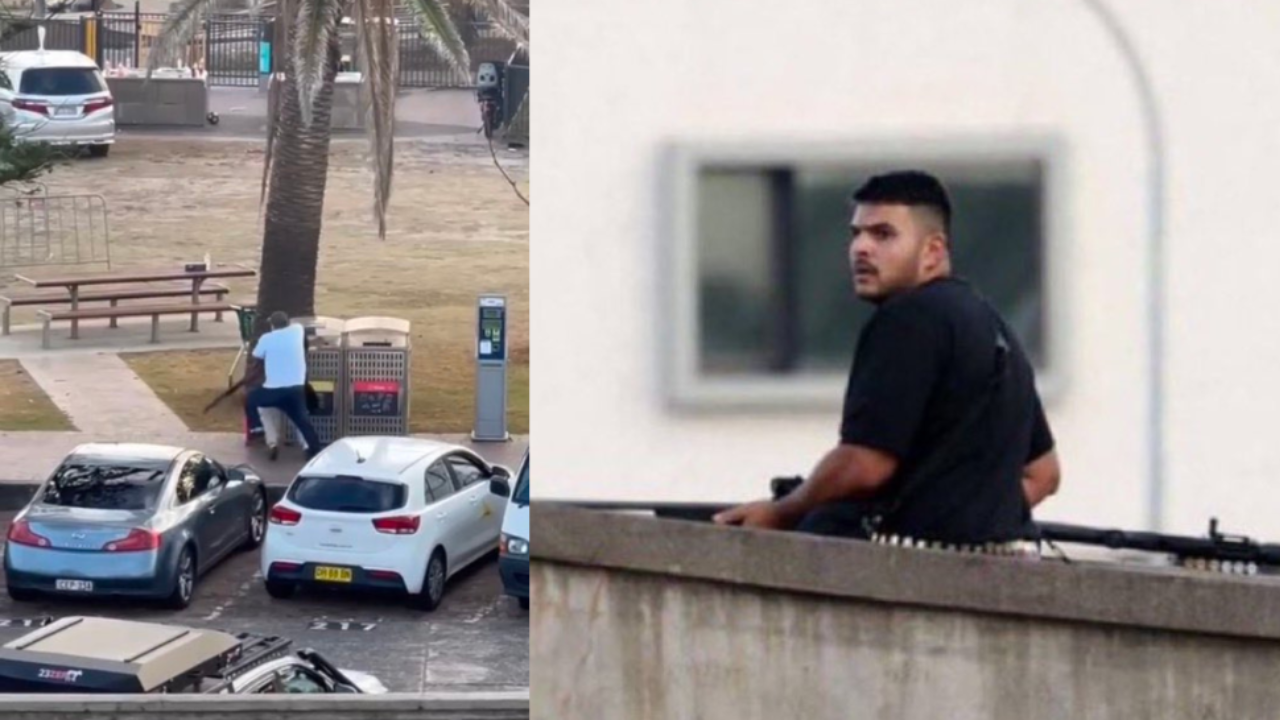
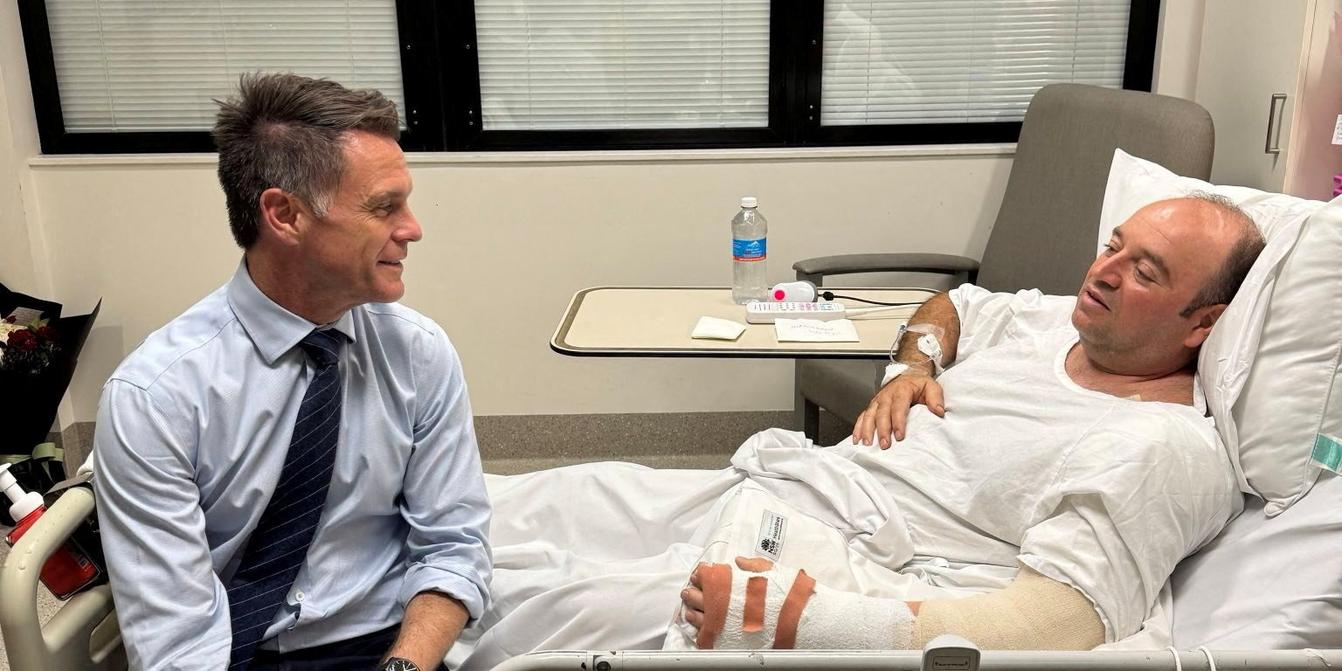
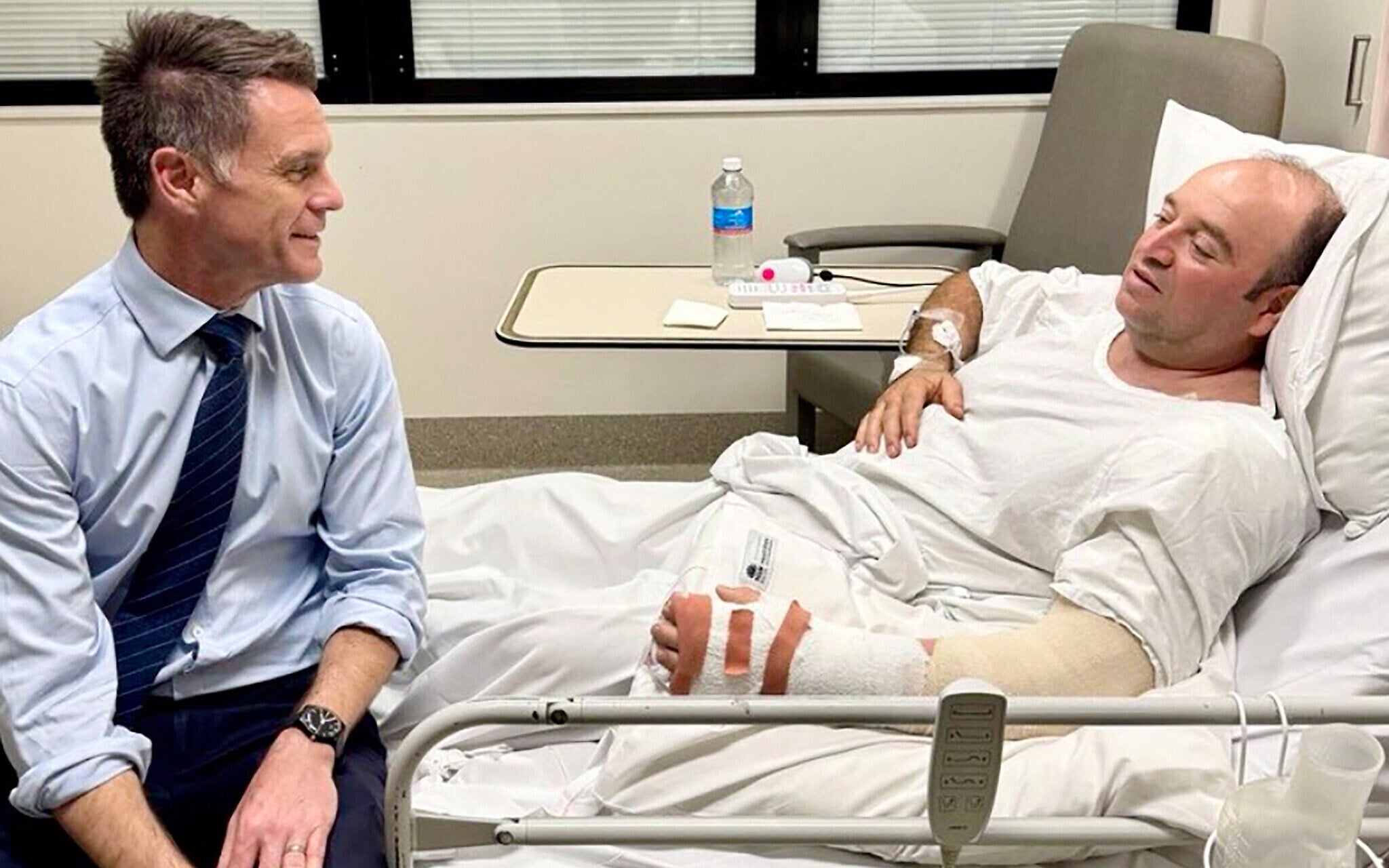
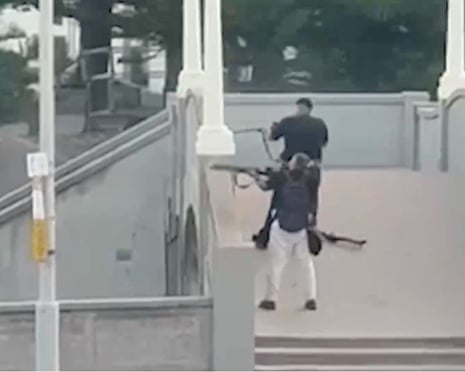
What distinguishes this tragedy is the remarkable response of civilian bystanders. Ahmed al Ahmed, a Syrian-born fruit vendor, and the Gurman couple demonstrated unprecedented courage by directly confronting the attackers, potentially saving numerous lives. Ahmed, shot multiple times while wrestling a weapon away, symbolizes a new paradigm of community-driven counterterrorism—where individual action can interrupt planned violence.
The incident has immediate and long-term implications for national security policy. Prime Minister Anthony Albanese's proposed gun control measures—including limiting firearms per person, banning non-citizen gun licenses, and implementing periodic license reviews—represent a direct regulatory response to these systemic vulnerabilities. The proposed reforms signal a significant shift towards more proactive radicalization detection mechanisms.
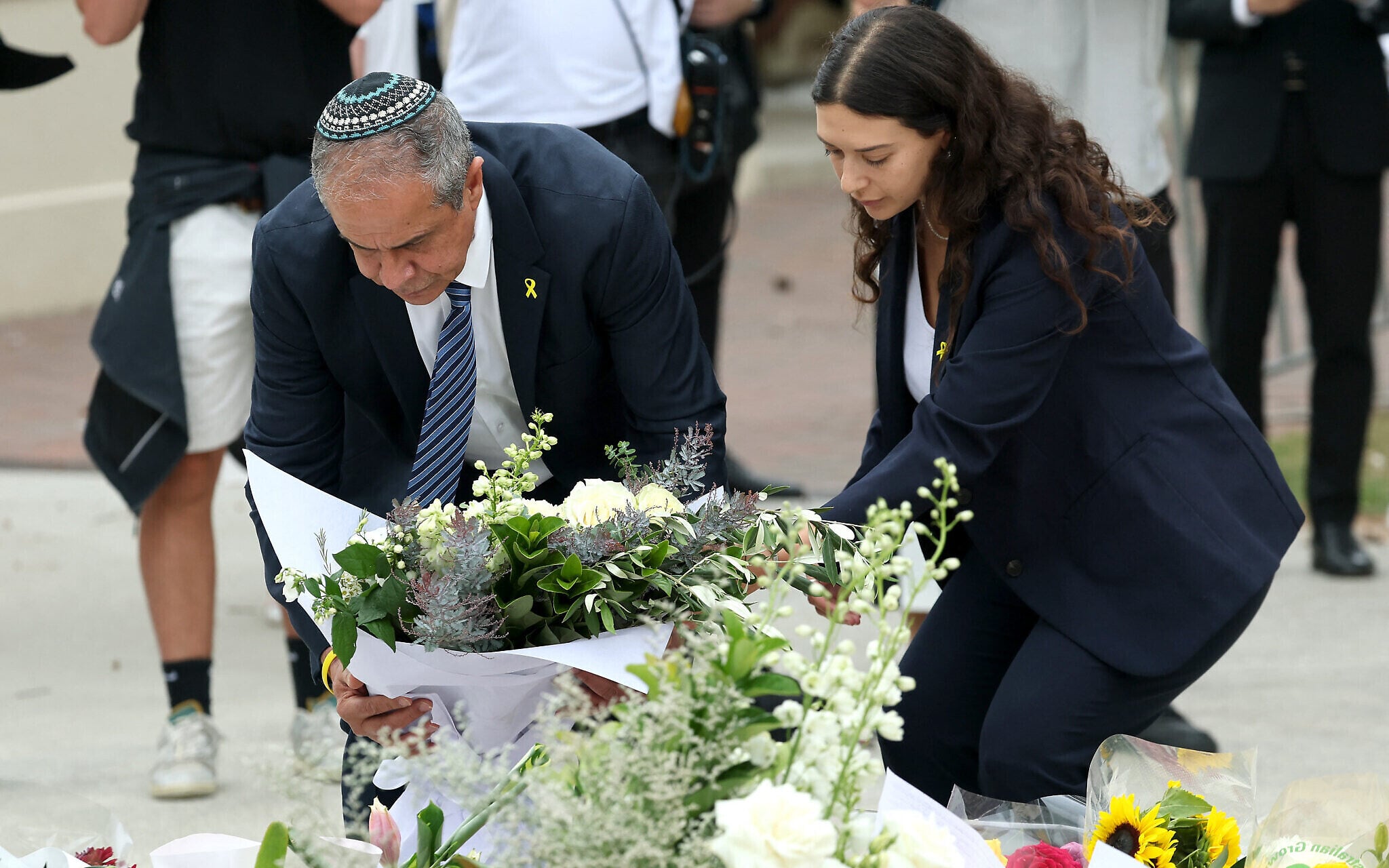
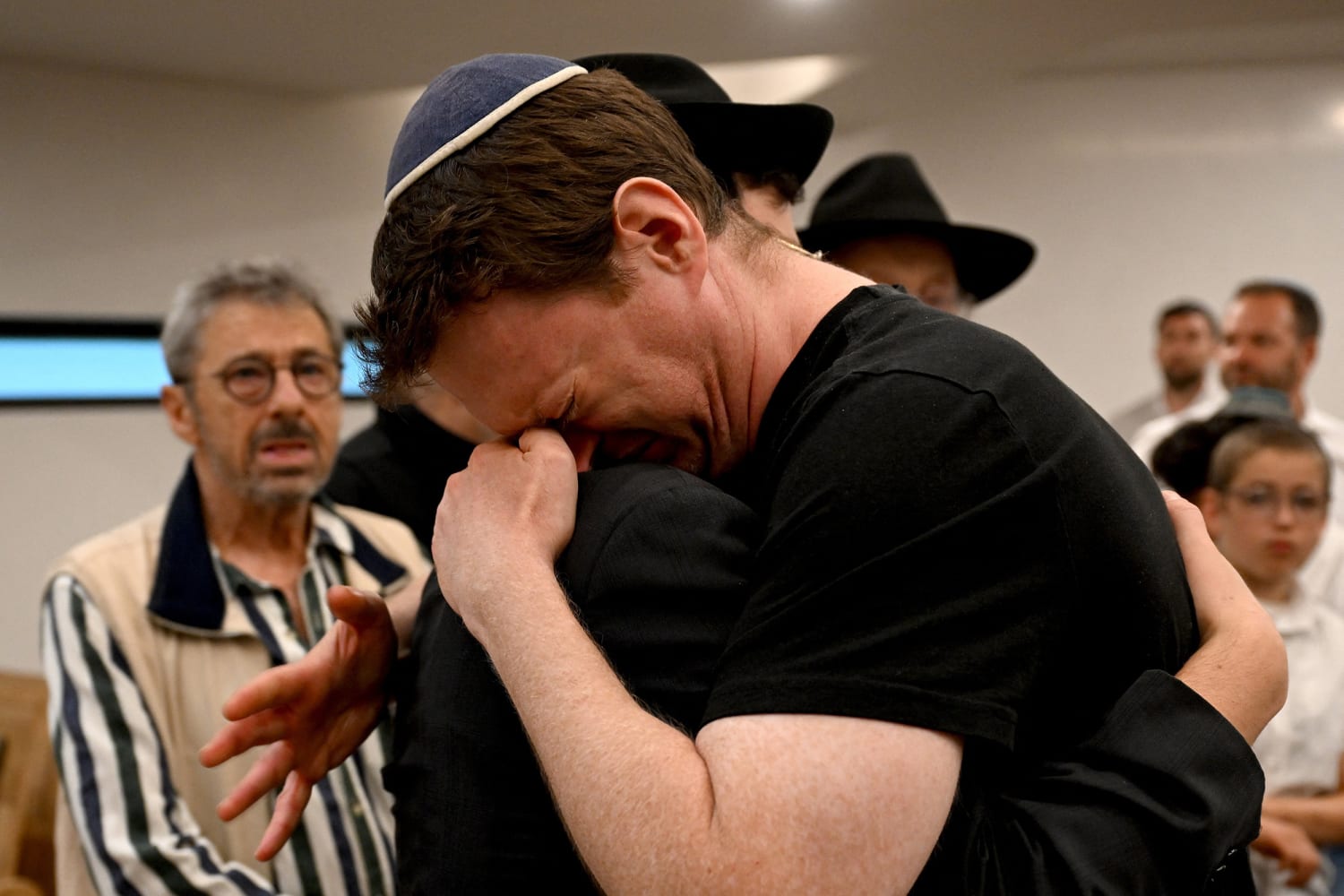
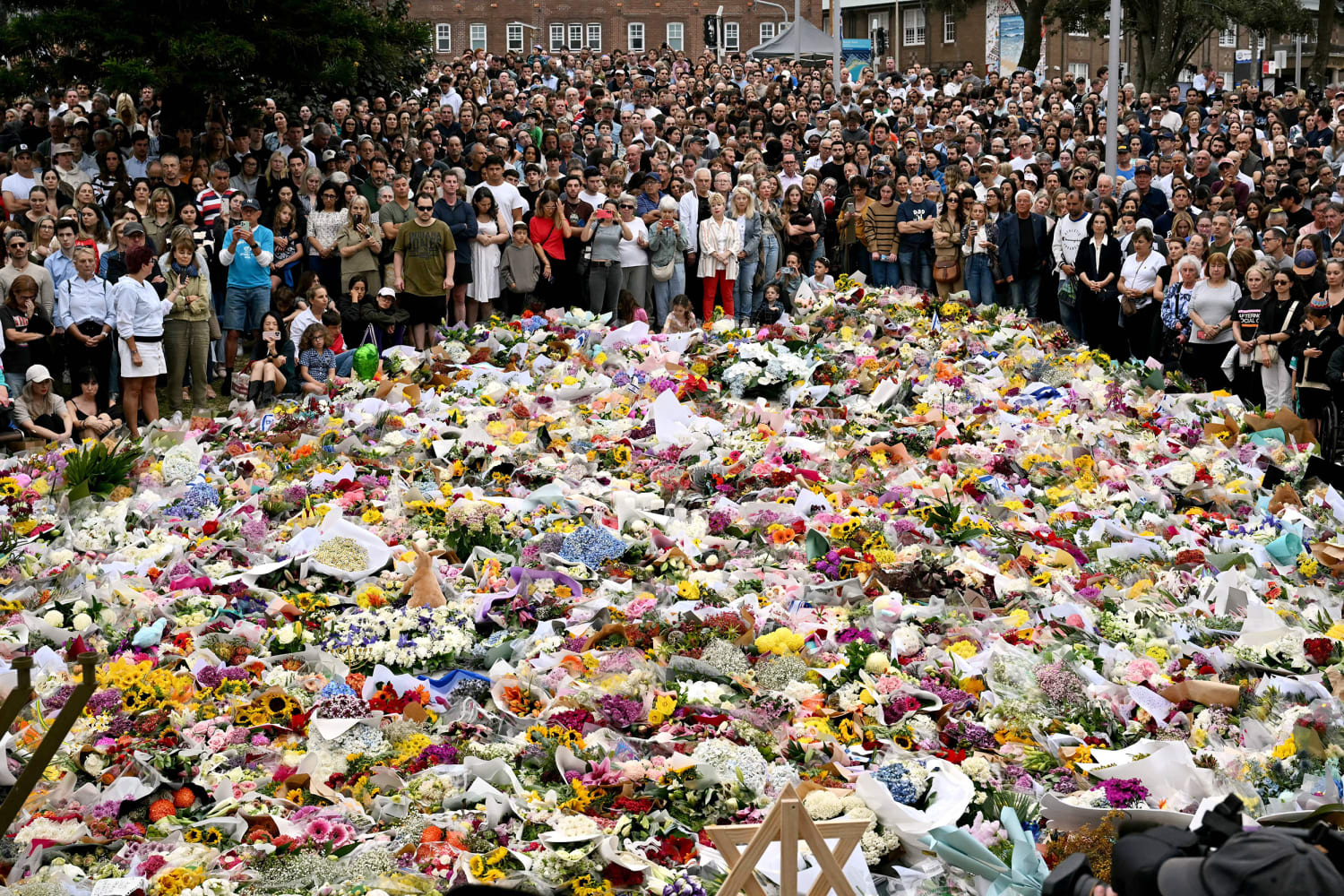
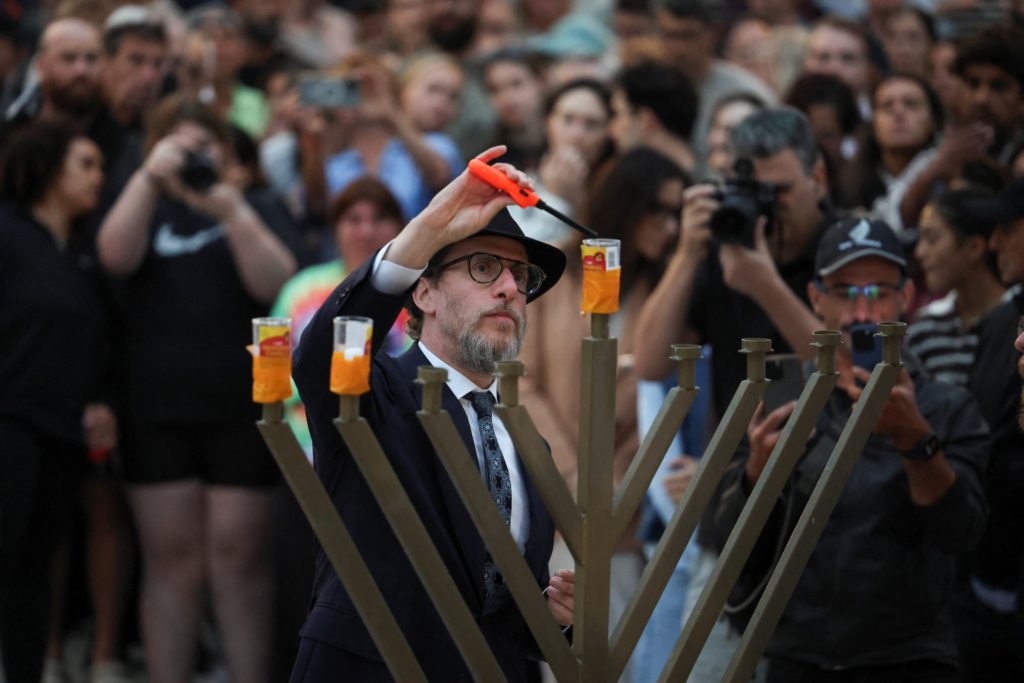
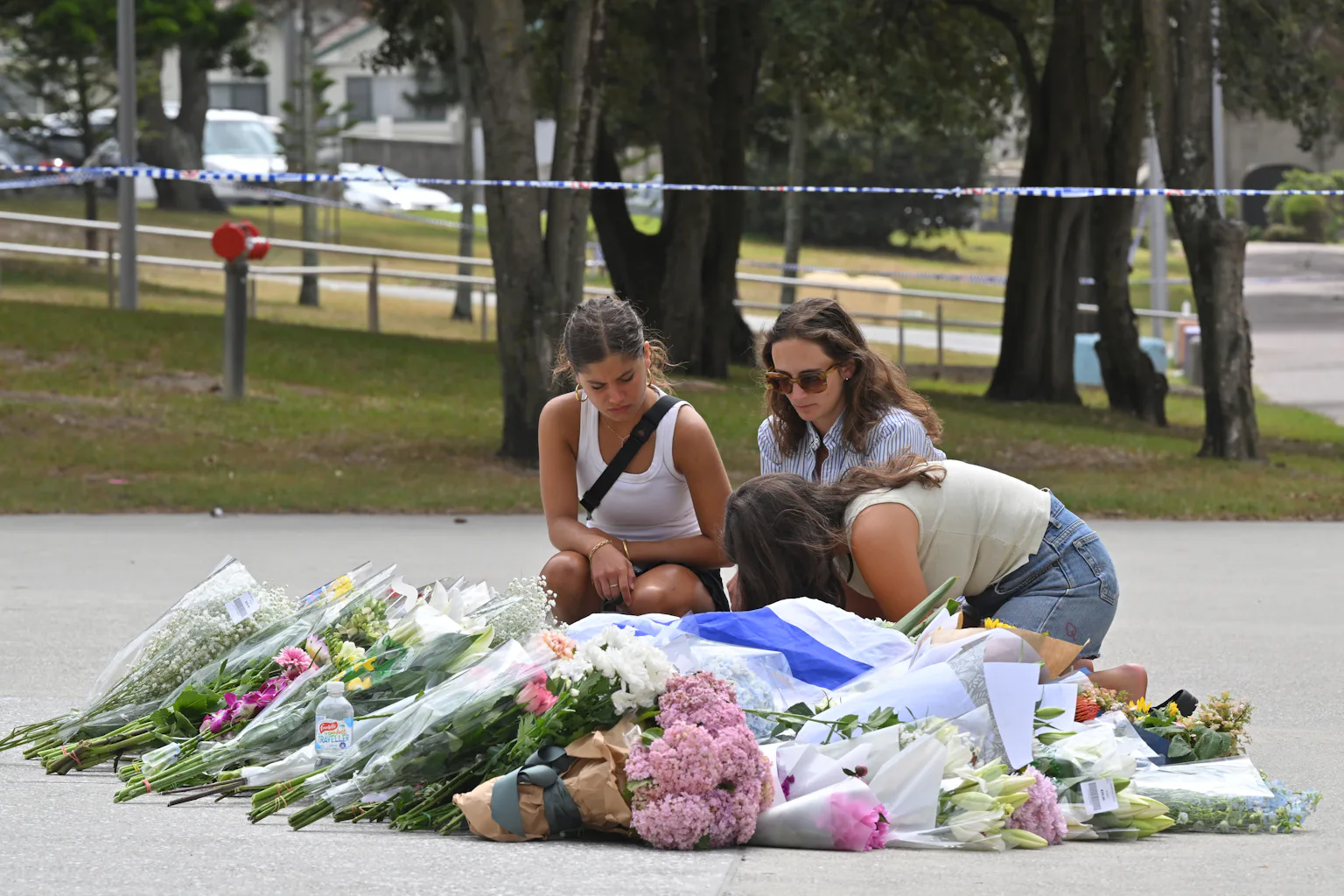
Critically, the attack has exposed the complex interplay between ideological extremism, intelligence monitoring, and community resilience. The targeting of a Jewish holiday celebration, coupled with rising antisemitism, suggests deeper societal tensions that cannot be addressed through legislative measures alone. The community's response—marked by solidarity, candlelight vigils, and public support—demonstrates a collective resistance to terror's divisive objectives.
Questions 4
How did the Bondi Beach attackers obtain firearms despite prior intelligence investigations?
Sajid Akram legally owned six firearms and had a recreational hunting license. The incident revealed significant gaps in Australia's gun licensing system, where individuals with potential radical associations can still acquire weapons through standard legal channels.
What new gun control measures are being considered in response to the attack?
Prime Minister Albanese is proposing measures including limiting the number of firearms per person, banning gun licenses for non-citizens, and implementing periodic reviews of gun licenses to detect potential radicalization risks.