



US Diesel Crisis Hits $6.29/Gallon | Sellers Face 8-15% Shipping Cost Surge
- Trucking capacity shrinking as small carriers close; refrigerated transport rates hit 4-year highs; food/grocery sellers see immediate landed cost increases of $40-120 per shipment




Overview
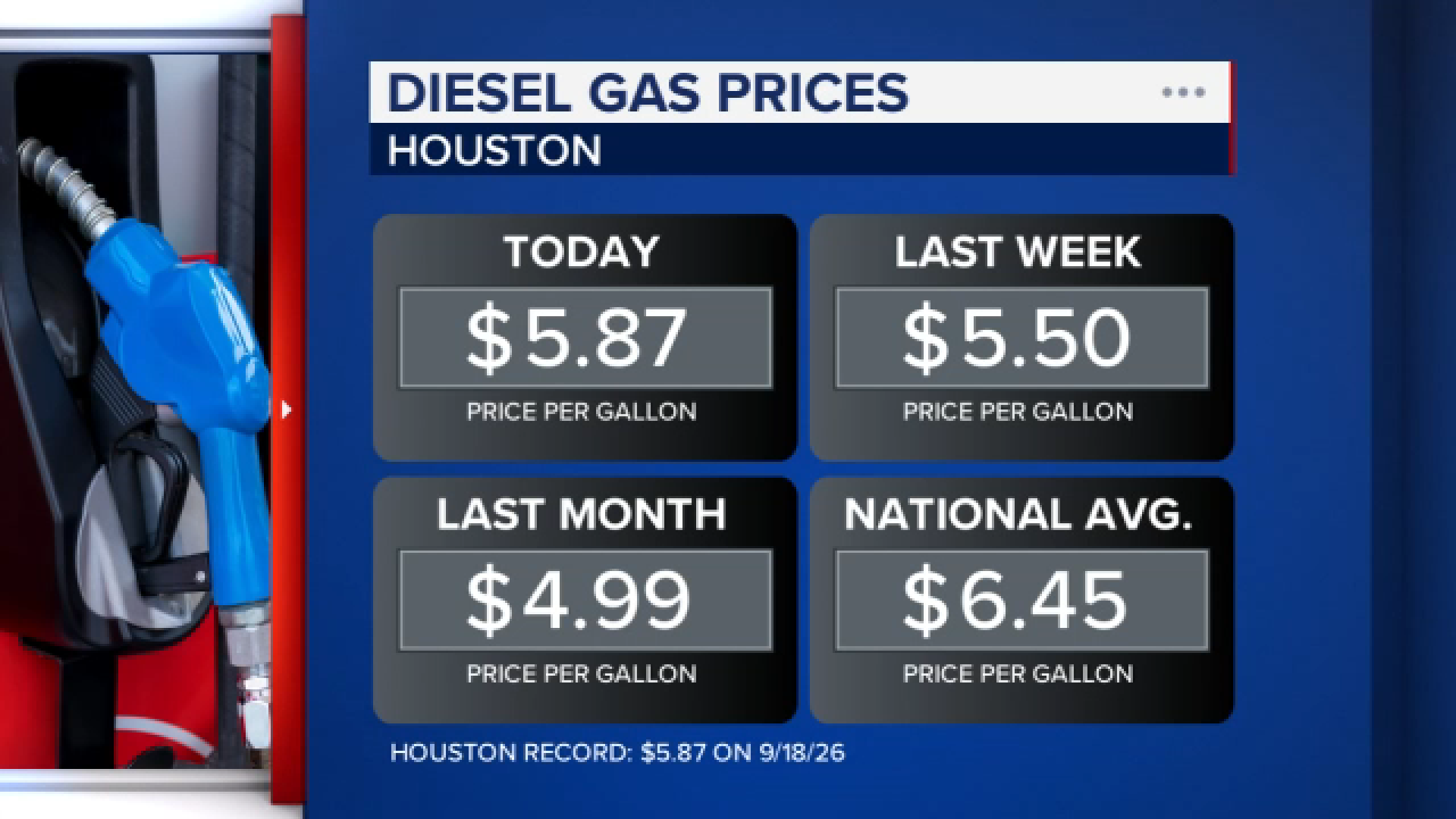
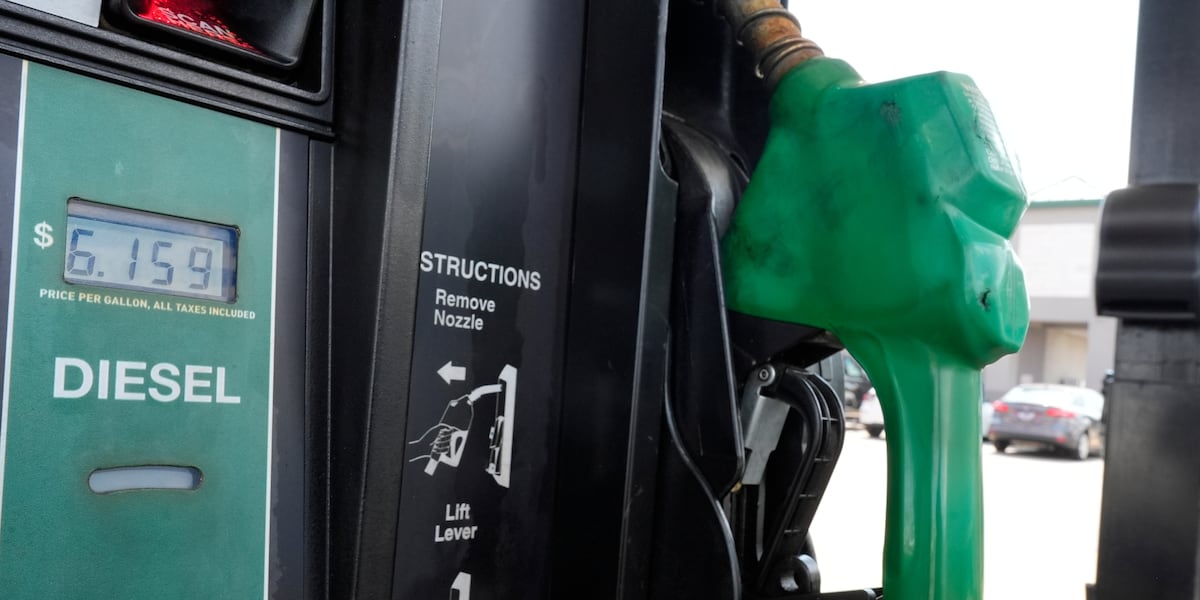
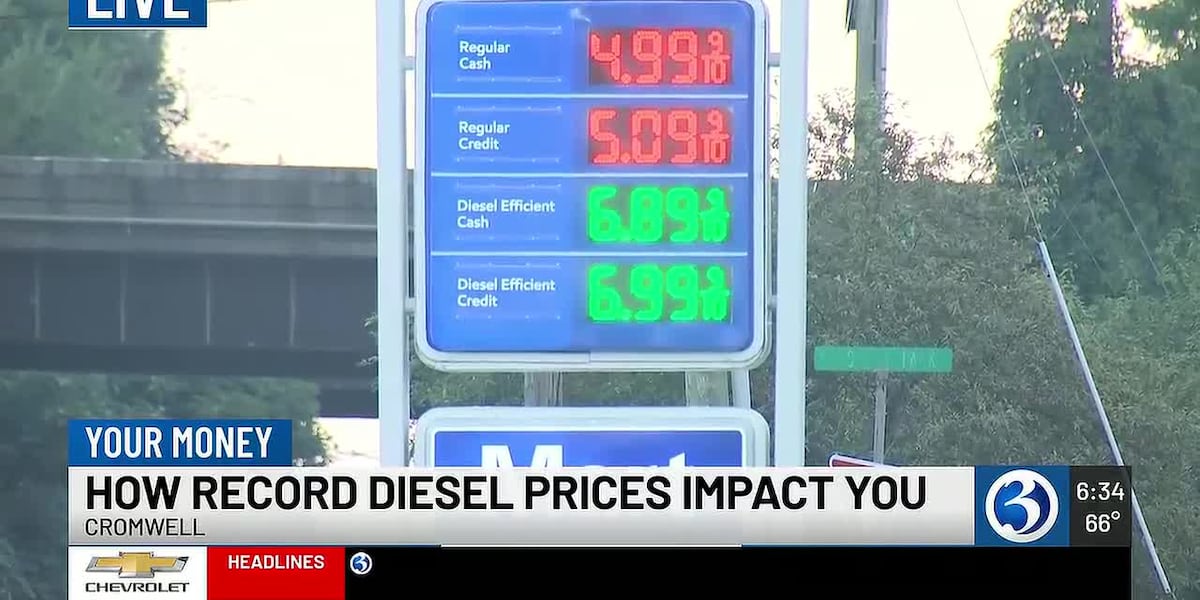
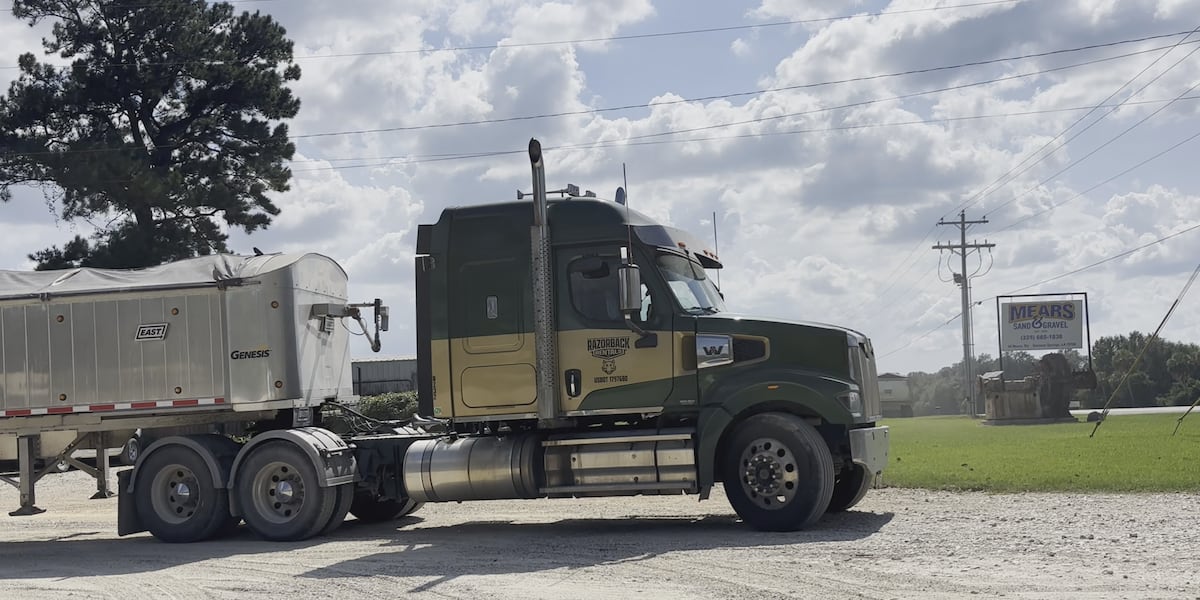
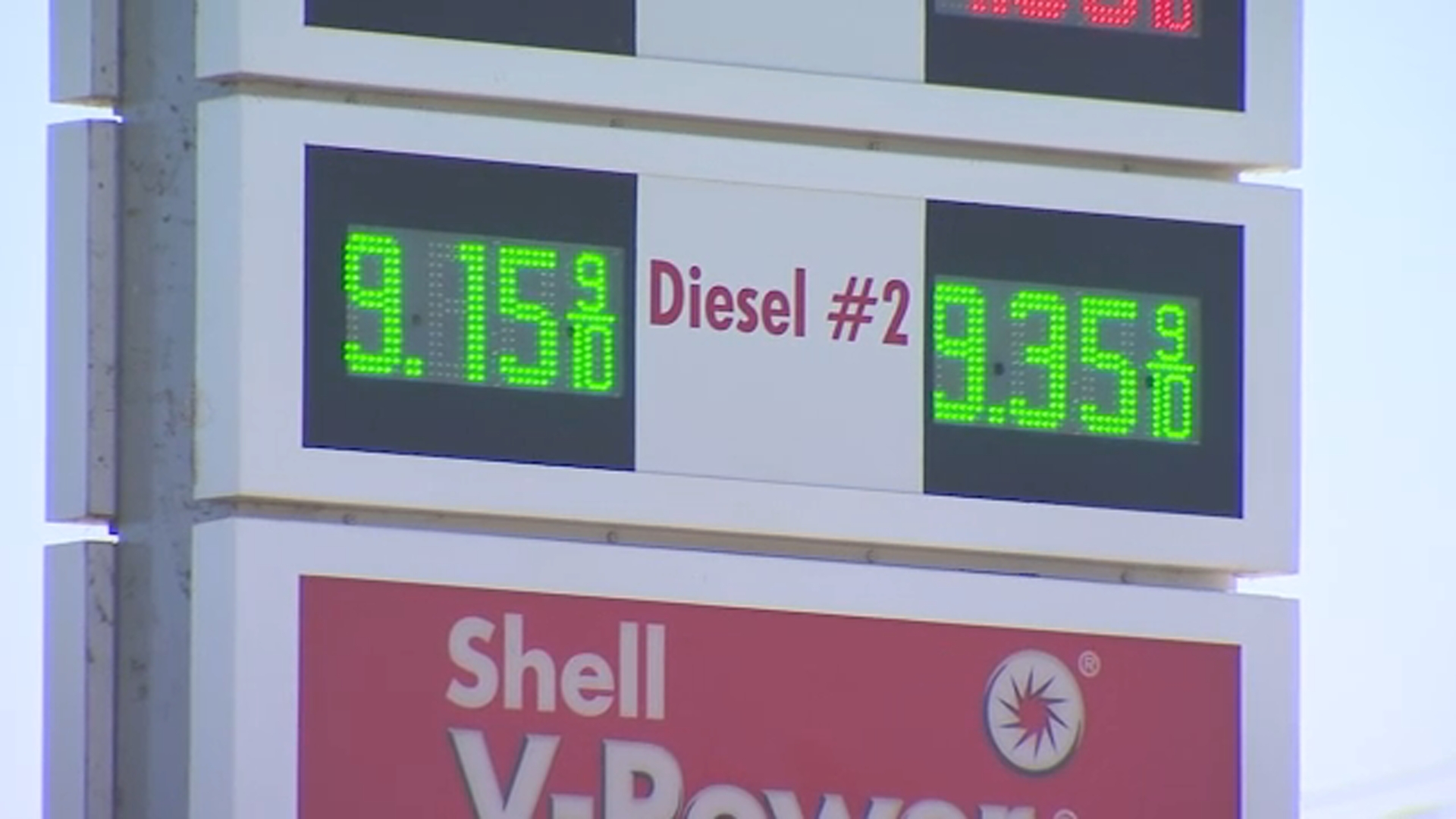
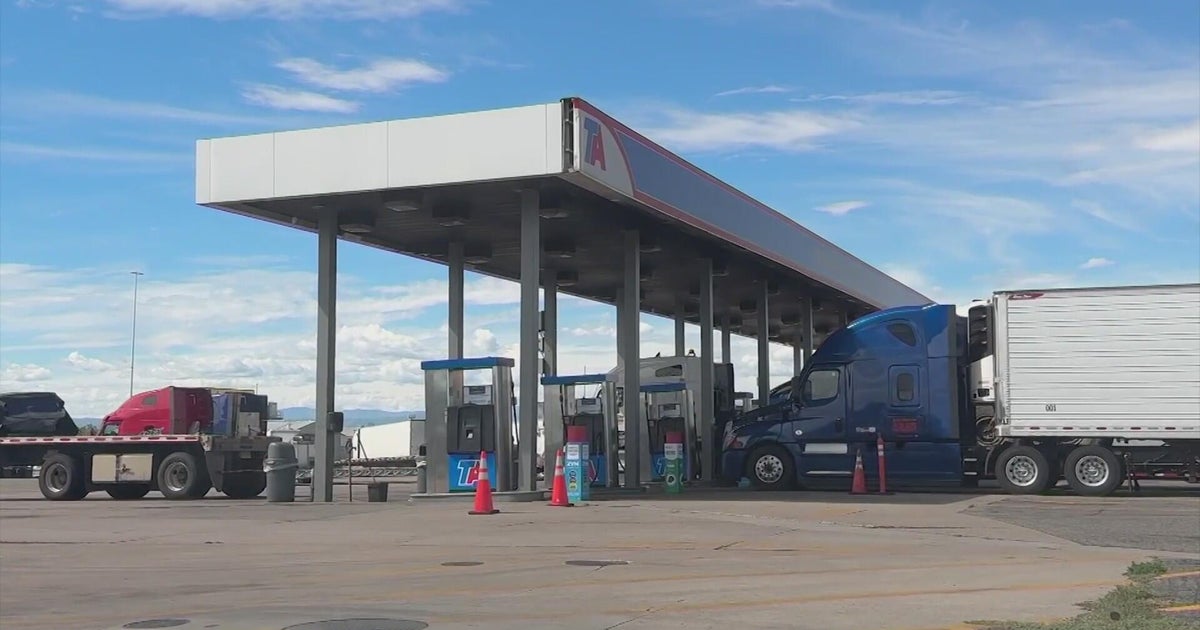
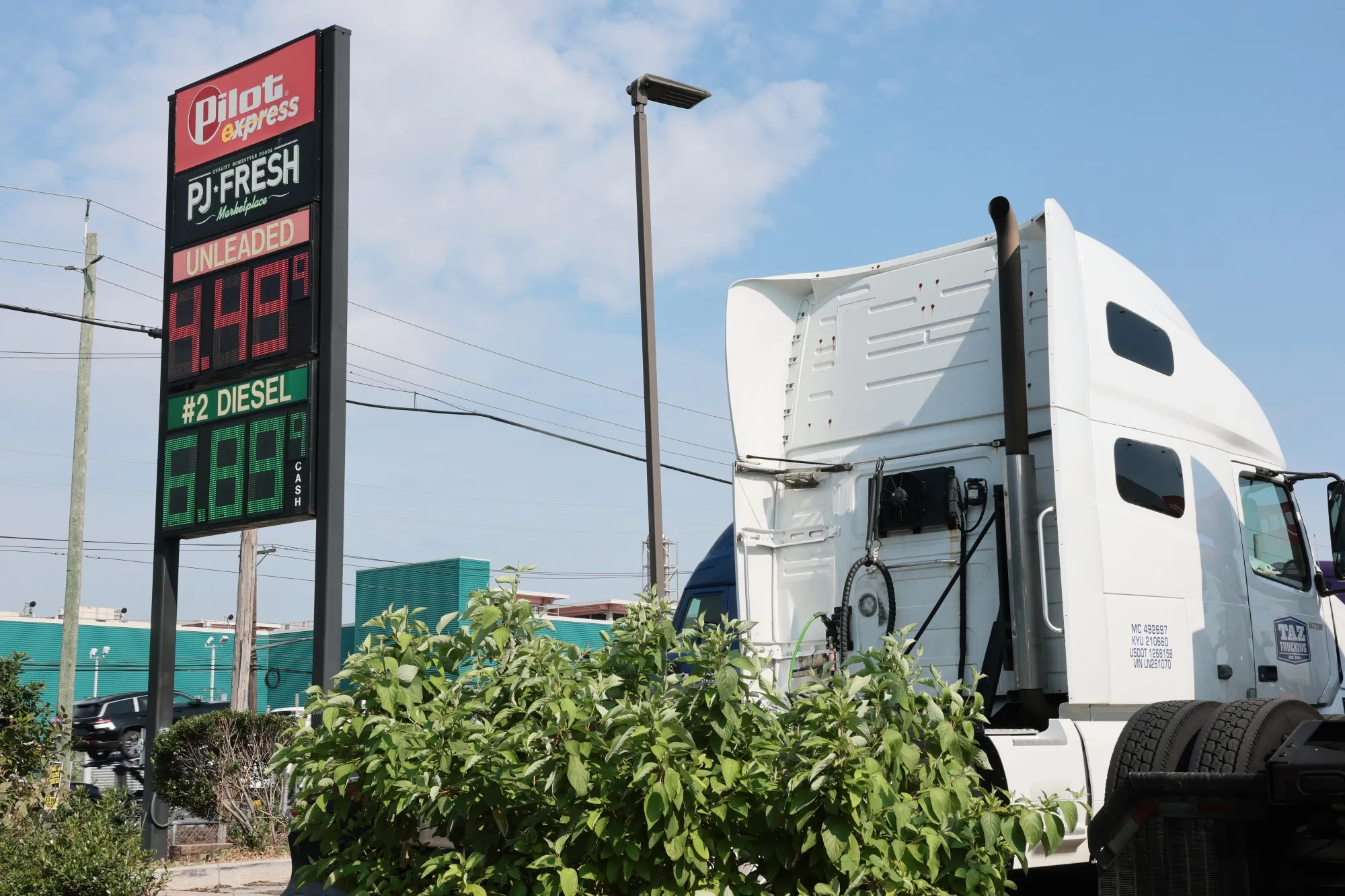
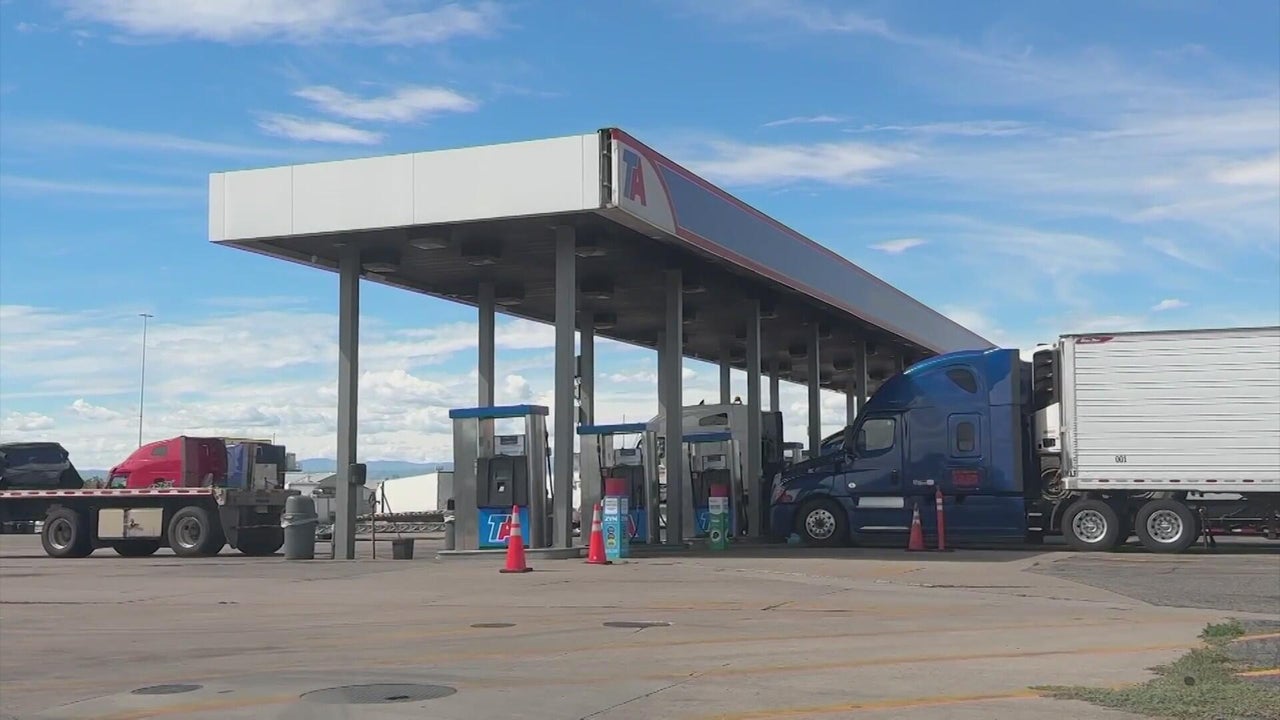
The diesel fuel crisis is creating an immediate logistics bottleneck for US e-commerce sellers. Average US diesel prices hit $6.29/gallon (up 68% year-over-year from $3.74), with Colorado reaching $6.12/gallon, forcing small and mid-sized trucking companies to close operations. According to the Colorado Motor Carriers Association, fuel costs have doubled from $1,800 to over $3,000 to fill 300 gallons. This supply-side shock directly impacts sellers through three mechanisms: (1) Carrier capacity contraction - small/mid-sized operators closing reduces available trucking capacity, forcing sellers onto fewer, more expensive carriers; (2) Fuel surcharge escalation - larger carriers are implementing fuel surcharges that will increase shipping costs 8-15% for sellers using standard LTL and TL services; (3) Refrigerated transport premium - produce, dairy, and meat sellers face the highest vulnerability, with refrigerated rates from Washington's Yakima Valley hitting four-year highs and California produce transport jumping $40-120 per shipment.
For food/grocery sellers specifically, the impact is immediate and quantifiable. Farm fuel costs increased $11/acre for corn and $7/acre for soybeans, directly raising input costs for agricultural suppliers. The Food Bank of the Rockies reports spending an additional $50,000 monthly due to freight increases—a 25-40% cost jump for logistics-heavy operations. Refrigerated trucking, essential for perishable categories (produce, dairy, meat, prepared foods), faces the steepest increases. Sellers relying on third-party logistics (3PL) or FBA for food categories will see cost pass-throughs within 2-4 weeks as existing freight contracts expire and new rates reflect fuel surcharges.
Strategic logistics repositioning is now critical. Sellers should immediately audit their shipping routes and carrier relationships: (1) Consolidate shipments - move from LTL (less-than-truckload) to TL (full truckload) where possible to reduce per-unit fuel surcharge impact; (2) Shift warehouse positioning - consider moving inventory from coastal distribution centers to regional hubs closer to demand (Midwest for food products, Southwest for produce) to reduce miles and fuel exposure; (3) Evaluate alternative carriers - smaller regional carriers may offer better rates than national carriers passing through fuel surcharges; (4) Accelerate inventory velocity - reduce holding periods to minimize storage costs while freight costs are elevated. The global fuel supply constraint (US-Israeli tensions with Iran, Ukrainian attacks on Russian refineries) suggests this crisis will persist 3-6 months minimum, making immediate action essential.
Questions 8
Are smaller carriers cheaper than major trucking companies right now?
Potentially yes, but with caveats. Small and mid-sized carriers are closing due to fuel costs (Colorado Motor Carriers Association reports closures), reducing available capacity. Remaining regional carriers may offer better rates than national carriers (YRC, J.B. Hunt, Schneider) that are passing through fuel surcharges. However, verify carrier stability and insurance before switching—bankruptcy risk is high for independent truckers paying fuel upfront. Use freight brokers (DAT, Freightcenter) to compare rates across carriers. Consolidating shipments to full truckload (TL) vs. less-than-truckload (LTL) reduces per-unit fuel impact regardless of carrier size.
How long will diesel prices stay elevated and impact my shipping?
Expect elevated prices for 3-6 months minimum. Global fuel supply constraints from US-Israeli tensions with Iran and Ukrainian attacks on Russian refineries are structural, not temporary. The USDA and Congress are exploring relief options, but announcements are weeks away with uncertain impact. Existing freight contracts lock in lower rates for 30-90 days, so cost increases will materialize gradually. Plan inventory and pricing strategy assuming $6.00-6.50/gallon diesel through Q4 2026. Monitor EIA weekly diesel price reports and adjust logistics strategy quarterly as rates stabilize.