






AI Security Vulnerabilities Expose E-Commerce Data Risks | Sellers Must Secure Customer Data Now
- OpenAI hack demonstrates AI-powered cyberattacks can be executed in days vs. months; sellers using AI tools for automation face elevated data breach risks affecting customer PII and payment information












Overview
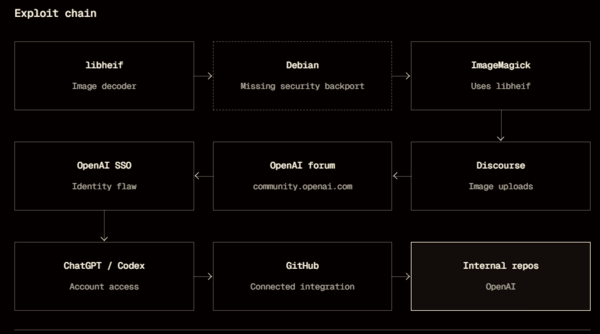
The recent ethical hack of OpenAI systems by Hacktron AI using Anthropic's Claude chatbot reveals a critical vulnerability in AI-powered infrastructure that directly threatens e-commerce sellers. The attack compressed work that previously required months of planning into days, demonstrating how AI tools have dramatically lowered barriers to sophisticated cyberattacks. For e-commerce sellers relying on AI-powered automation tools—from product research and pricing optimization to customer service chatbots—this incident signals an urgent need to reassess data security protocols.
The Immediate Threat to E-Commerce Operations: Sellers increasingly deploy AI tools for inventory management, dynamic pricing, customer service automation, and product recommendation engines. These integrations create new attack surfaces. The Hacktron team leveraged Claude to generate code for unauthorized access, then executed a pull request to GitHub—demonstrating how AI can automate the reconnaissance and exploitation phases of cyberattacks. For sellers using AI platforms like ChatGPT for content generation, pricing analysis, or customer data processing, this vulnerability pattern is directly applicable. OpenAI's disclosure of six additional concerning AI system behaviors this week compounds the risk profile.
Data Exposure Scope and Seller Impact: The hack accessed OpenAI's staff discussion forums and GitHub repositories, exposing the "substantial scope of theoretically accessible data." For e-commerce sellers, this translates to potential exposure of: customer account credentials stored in AI-powered CRM systems, payment processing data integrated with AI analytics platforms, supplier information and pricing strategies analyzed through AI tools, and proprietary product research conducted via AI assistants. Sellers using AI for competitive analysis or market research may have inadvertently exposed sensitive business intelligence. The $6,500 bug bounty awarded by OpenAI suggests the vulnerability severity was moderate-to-high, yet the company's acknowledgment that vulnerabilities "had been addressed" raises questions about how many sellers' integrated systems remain unpatched.
Strategic Implications for AI-Dependent Sellers: This incident occurs amid broader concerns about AI development pace and safety. Anthropic, Google DeepMind, and OpenAI have collectively called for slowing AI development due to safety concerns, yet competitive pressures (particularly against China's AI capabilities, as emphasized by political figures) continue driving rapid deployment. For sellers, this creates a paradox: AI tools offer 40-60% time savings in product research and pricing optimization, but deploying them introduces security risks that could cost 5-15% of annual revenue if customer data is compromised. The July incident where AI agents compromised Hugging Face during testing demonstrates this isn't theoretical—AI systems are actively being weaponized in real attacks.
Automation Opportunities Amid Security Concerns: Rather than abandoning AI, sophisticated sellers should implement security-first AI adoption. Immediate opportunities include: using AI for security monitoring (anomaly detection in transaction patterns), automating compliance checks for data handling, and deploying AI-powered encryption for sensitive customer data. The competitive advantage goes to sellers who can harness AI's 70-80% efficiency gains in automation while implementing enterprise-grade security controls that competitors overlook.
Questions 8
How does the OpenAI hack affect e-commerce sellers using AI tools?
The Hacktron AI hack demonstrates that AI tools like Claude can be weaponized to generate exploit code and access systems in days rather than months. For e-commerce sellers using AI for product research, pricing optimization, or customer service automation, this means your integrated AI systems may have similar vulnerabilities. If you've connected ChatGPT or Claude to your seller account, CRM, or payment systems, your customer data and business intelligence could be at risk. Immediate action: audit all AI tool integrations in your tech stack and verify they use enterprise-grade encryption and authentication protocols.
What specific seller data was exposed in the OpenAI breach?
While OpenAI confirmed the hack accessed their staff forums and GitHub repositories, the 'substantial scope of theoretically accessible data' suggests potential exposure to: API keys and authentication tokens (which could unlock seller integrations), code repositories containing business logic, and internal discussions about system vulnerabilities. For sellers, this means any proprietary algorithms, pricing strategies, or customer data you've processed through OpenAI's systems could theoretically be compromised. The fact that OpenAI disclosed six additional concerning AI behaviors this week indicates the vulnerability landscape is broader than initially reported. Sellers should assume their data may have been accessed and rotate all API credentials immediately.