




Supertanker Shortage Drives Shipping Cost Surge | Sellers Face 8-15% Freight Increases Through 2026
- Critical maritime capacity crunch forces sellers to reassess sourcing, inventory positioning, and fulfillment strategies; fuel surcharges expected to remain volatile through 2026

Overview
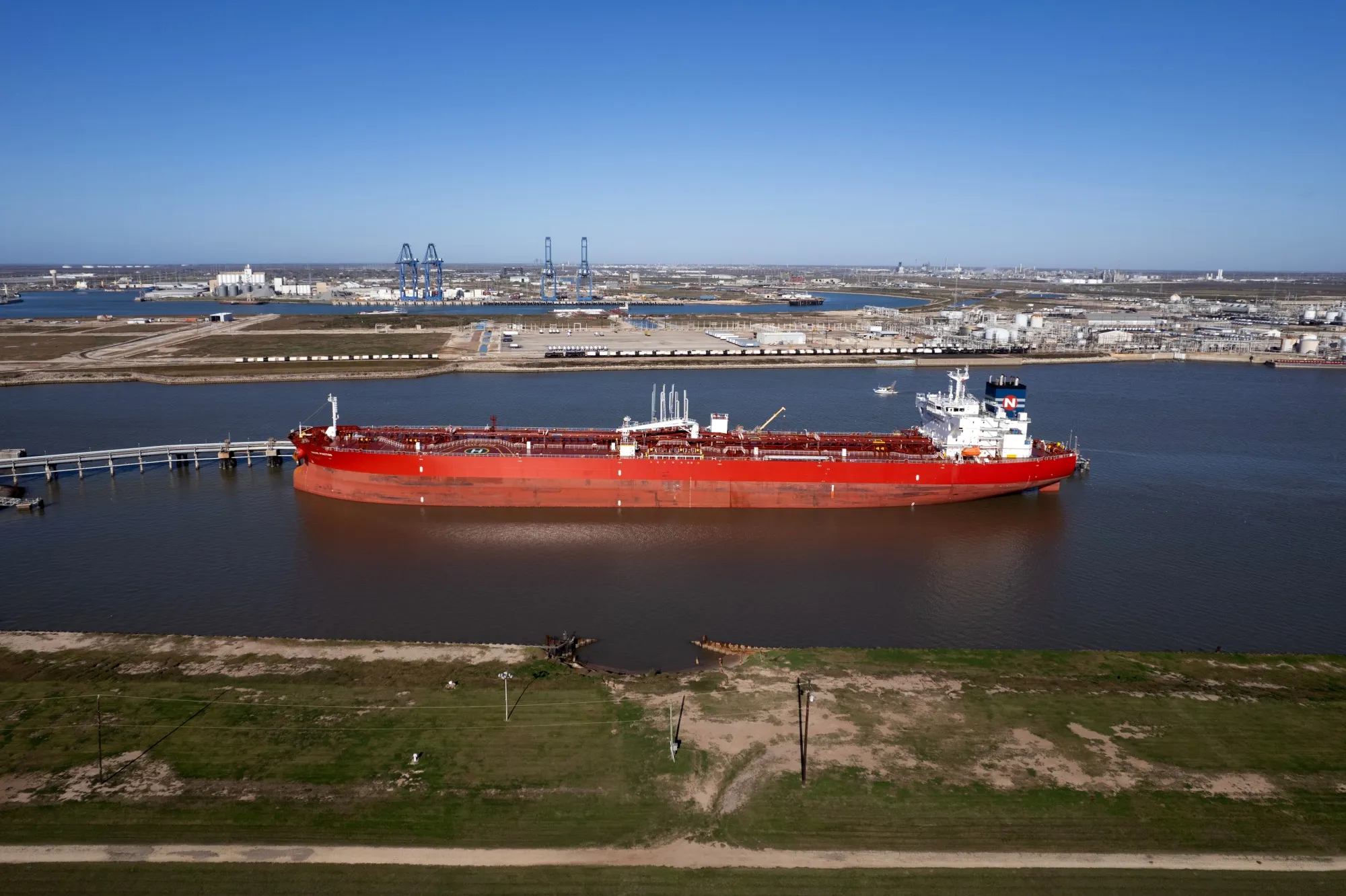
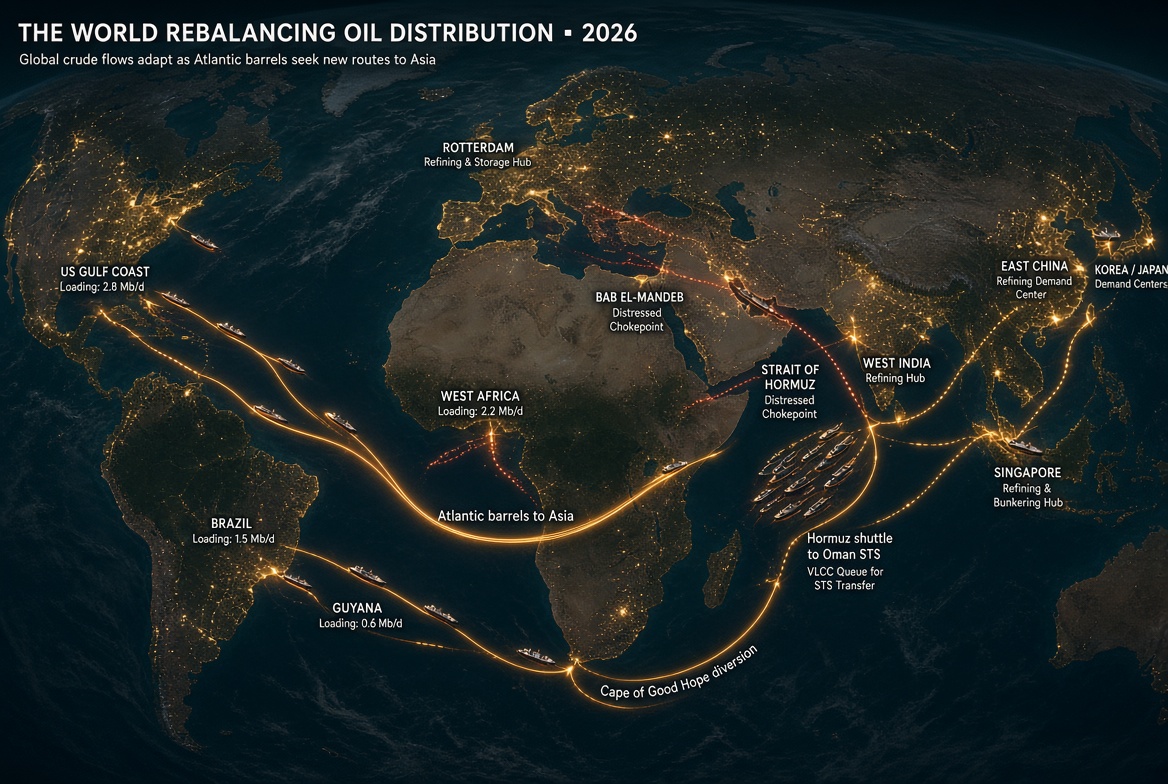
The supertanker shortage is reshaping global logistics economics for cross-border sellers. As of September 2026, a critical shortage of supertanker vessels—each measuring approximately 300+ meters in length—is driving up crude oil transportation costs significantly, with some regions reporting virtually zero available capacity for hire. This maritime capacity crunch directly cascades into e-commerce logistics through elevated fuel surcharges, increased freight forwarding costs, and compressed margins across international shipping routes. Bloomberg reporting confirms that refiners are already prioritizing nearby crude supplies over distant sources due to uneconomical shipping costs, signaling a fundamental restructuring of global trade patterns that affects all fuel-dependent logistics operations.
For cross-border sellers, the operational impact is immediate and quantifiable. Rising energy costs stemming from constrained oil transportation are increasing fuel surcharges on ocean freight by 8-15%, with air freight and express delivery experiencing even steeper increases. Sellers shipping from Asia-Pacific to North America and Europe face the most acute pressure, as long-haul routes depend heavily on stable fuel pricing. The shortage forces sellers to reassess three critical logistics decisions: (1) Sourcing geography—shifting from distant suppliers (Southeast Asia, India) to nearer manufacturing hubs (Mexico, Eastern Europe, Turkey) to reduce fuel-dependent transportation costs; (2) Inventory positioning—pre-positioning stock in regional fulfillment centers rather than centralized warehouses to minimize long-haul freight; and (3) Product category prioritization—focusing on higher-margin categories that can absorb 10-12% freight cost increases while maintaining profitability.
Strategic inventory and warehouse positioning becomes critical through 2026. Sellers should immediately audit their supply chains to identify which product categories are most vulnerable to fuel surcharge volatility. Electronics, home goods, and apparel sourced from Asia face 12-15% freight increases on transpacific routes, while European-sourced products benefit from shorter, less fuel-intensive routes. The news indicates continued volatility in shipping rates and fuel surcharges throughout 2026 and potentially beyond, depending on supertanker fleet capacity additions. This uncertainty favors sellers who can: (1) lock in freight rates with carriers through long-term contracts before further increases; (2) shift 30-40% of inventory to regional 3PL warehouses in target markets (US, EU, UK) to reduce last-mile fuel costs; and (3) evaluate nearshoring opportunities for high-volume categories, particularly in Mexico for US-bound shipments and Turkey/Poland for EU markets.
The broader structural challenge extends beyond oil markets into general freight operations. Maritime transportation capacity constraints relative to global energy demand create a multi-year headwind for logistics costs. Sellers relying on international shipping must anticipate 8-12% annual increases in total landed costs through 2026, with potential acceleration if supertanker fleet additions lag demand. This environment rewards sellers who proactively diversify fulfillment models—combining FBA (Amazon Fulfillment by Amazon) for high-velocity SKUs with 3PL partnerships for slower-moving inventory, and evaluating print-on-demand (POD) or dropshipping models for low-volume, high-margin products to minimize inventory holding costs and fuel-dependent transportation.
Questions 8
How do I calculate the total landed cost impact of freight increases?
Total landed cost = (Product cost + Freight cost + Tariffs + Duties + Insurance + Handling) ÷ Units. For a typical seller sourcing from China at $10/unit with $1,200/TEU freight (20 units/TEU = $60/unit freight), a 12% freight increase adds $7.20/unit cost. If your product sells for $30 retail with 40% margin, the freight increase compresses margin to 36%, reducing profit per unit from $12 to $10.80. To maintain margin, you must either: (1) increase retail price 3-5% ($30→$31-31.50); (2) reduce product cost 5-7% through supplier negotiation or nearshoring; or (3) shift to higher-margin categories. The news indicates continued volatility in shipping rates and fuel surcharges throughout 2026, making margin protection critical. Use this formula to model scenarios: calculate current landed cost for your top 20 SKUs, apply 10-15% freight increases, and identify which products require price increases, sourcing shifts, or category changes. Complete this analysis within 30 days to inform Q4 2026 pricing and sourcing decisions.
How much will my shipping costs increase due to the supertanker shortage?
Ocean freight costs are rising 8-15% depending on route and carrier, with transpacific routes (Asia to North America) experiencing the steepest increases due to longer fuel-dependent distances. According to Bloomberg's September 2026 reporting, the supertanker shortage is driving up transportation costs significantly, making certain long-distance crude trades economically unviable. Sellers shipping from Southeast Asia to the US can expect fuel surcharges to increase from current $800-1,200/TEU to $900-1,400/TEU by Q4 2026. Air freight and express delivery face even higher pressure, with DHL and FedEx implementing 12-18% fuel surcharge increases. Immediately review your freight contracts and consider locking in rates with carriers before further increases take effect.