

Costco's Nostalgia-Driven Food Court Strategy | Offline Retail Opportunity for CPG Sellers
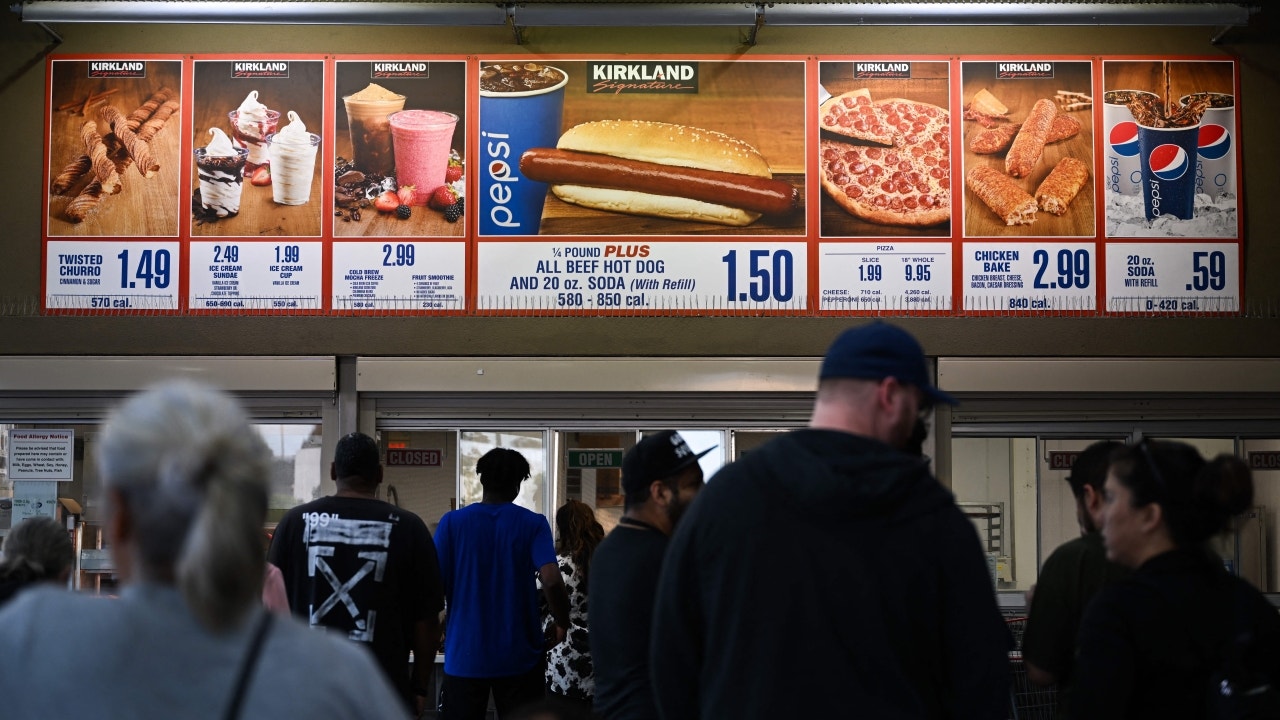
- Membership warehouse food court revitalization drives foot traffic; churro comeback (discontinued 2024, $1.49 price point) signals consumer demand for limited-time offerings and experiential retail value








Overview
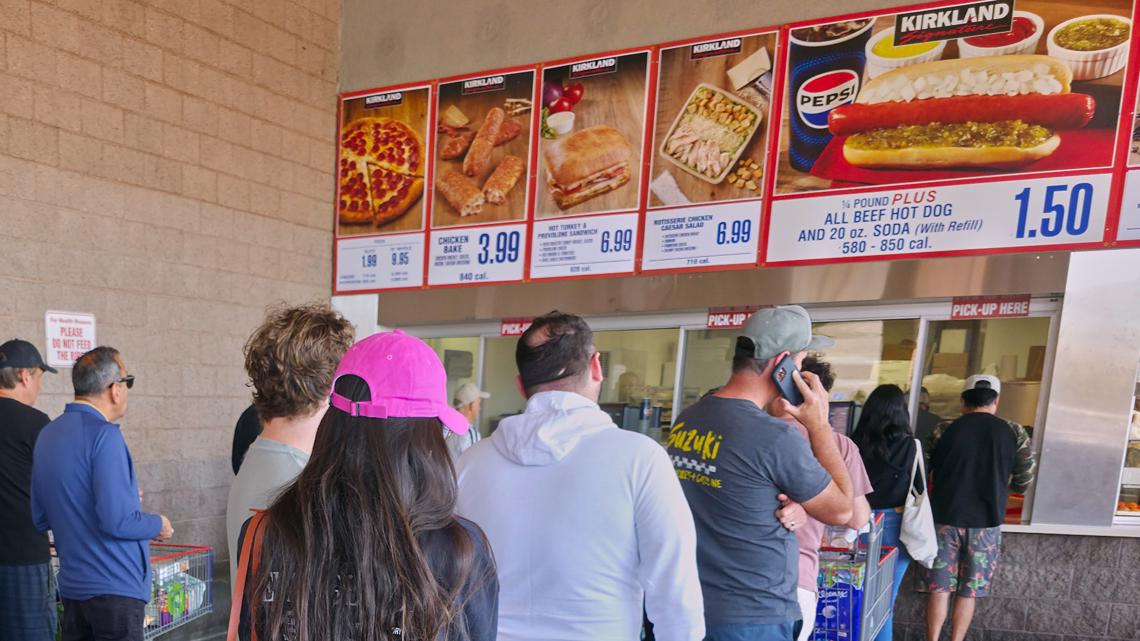
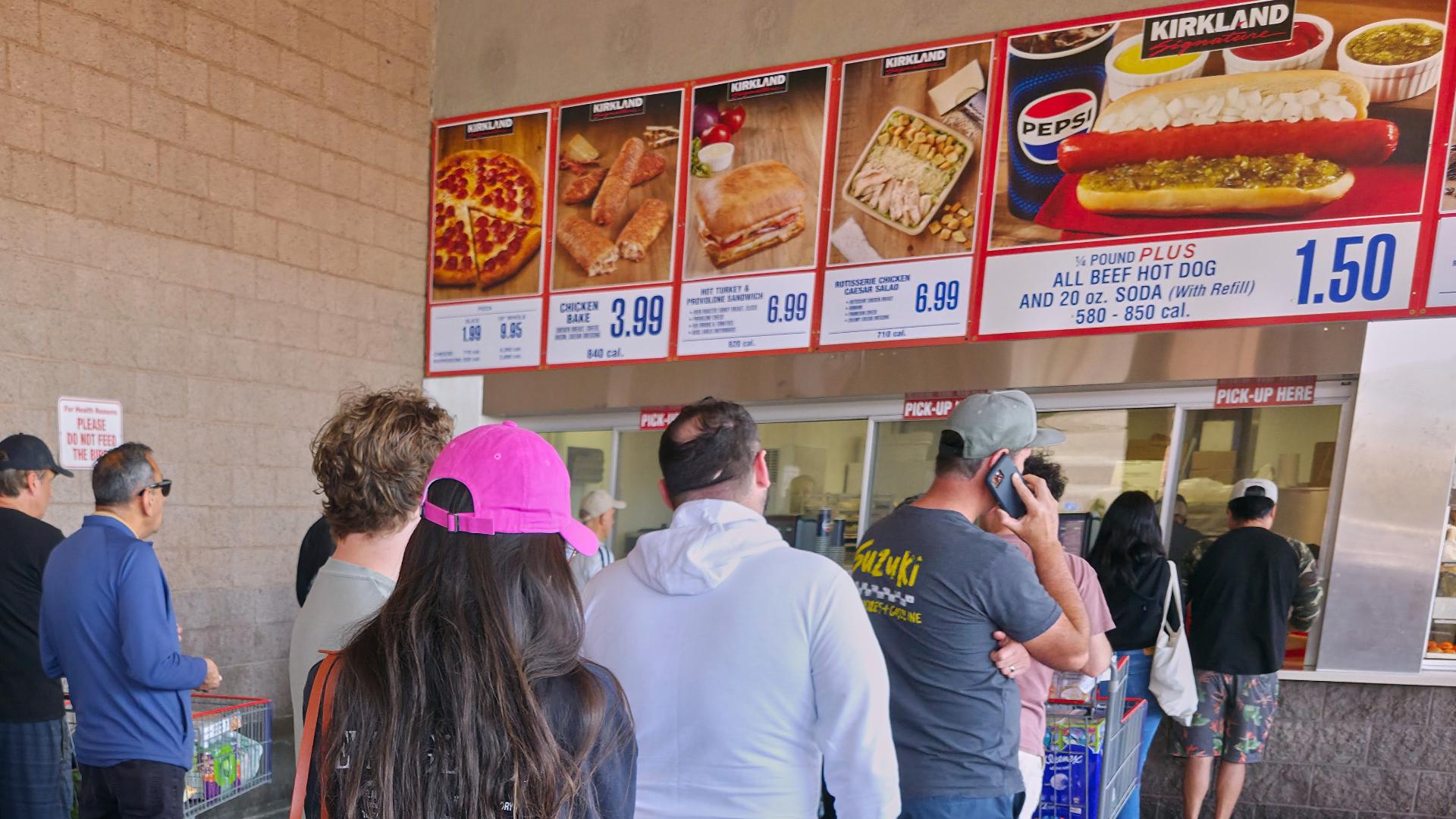
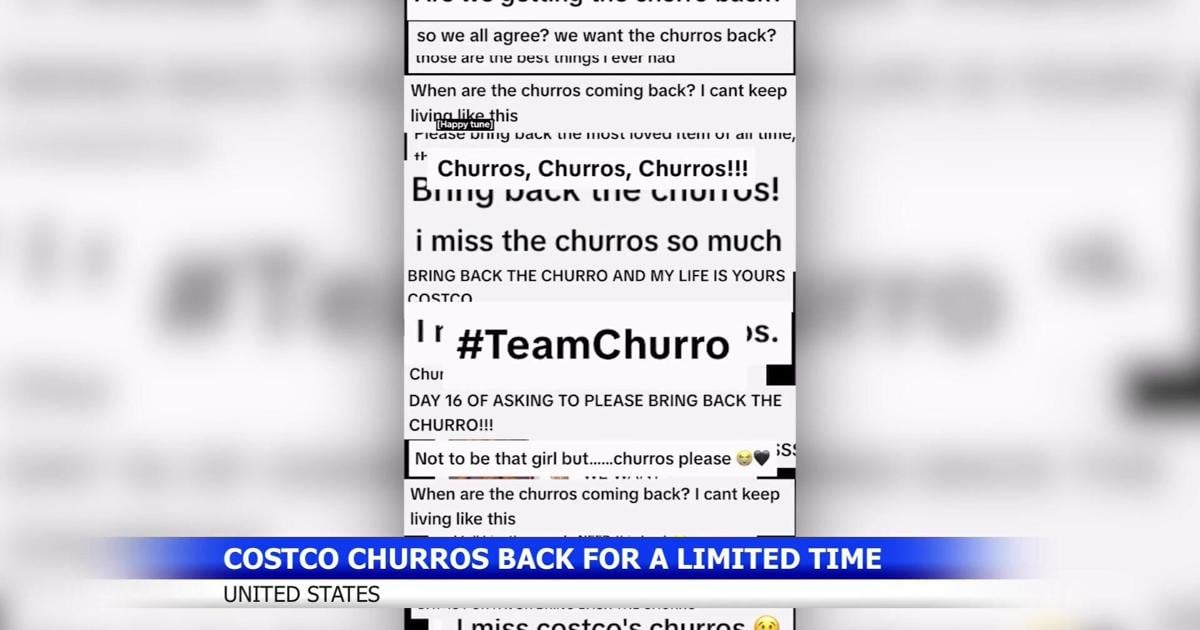
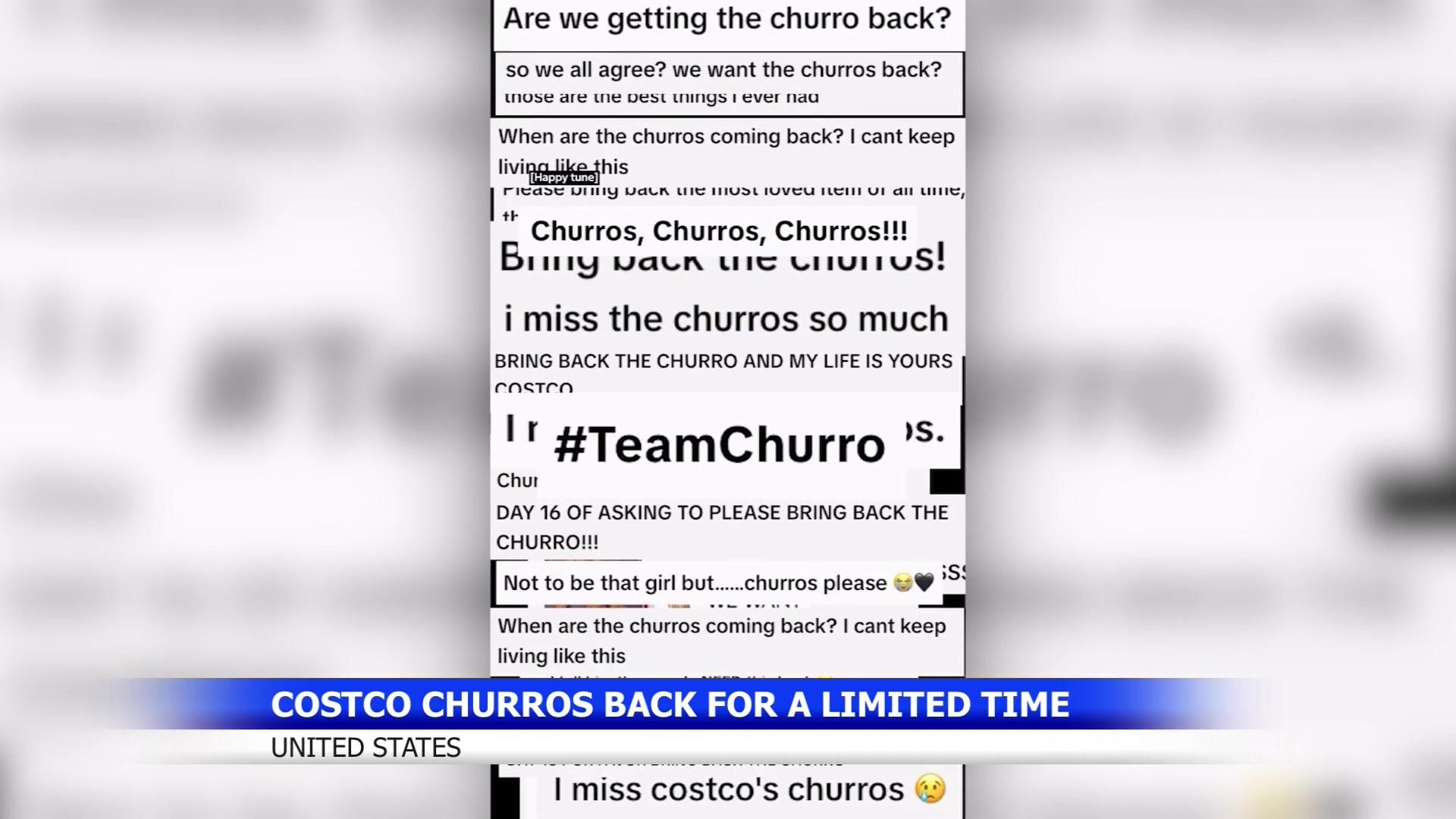
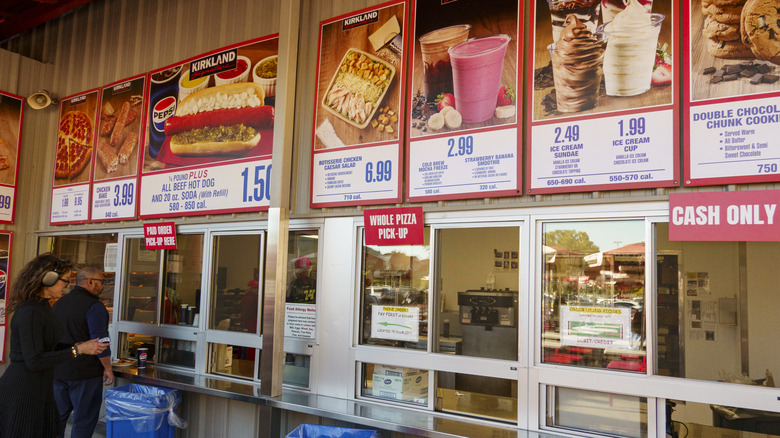
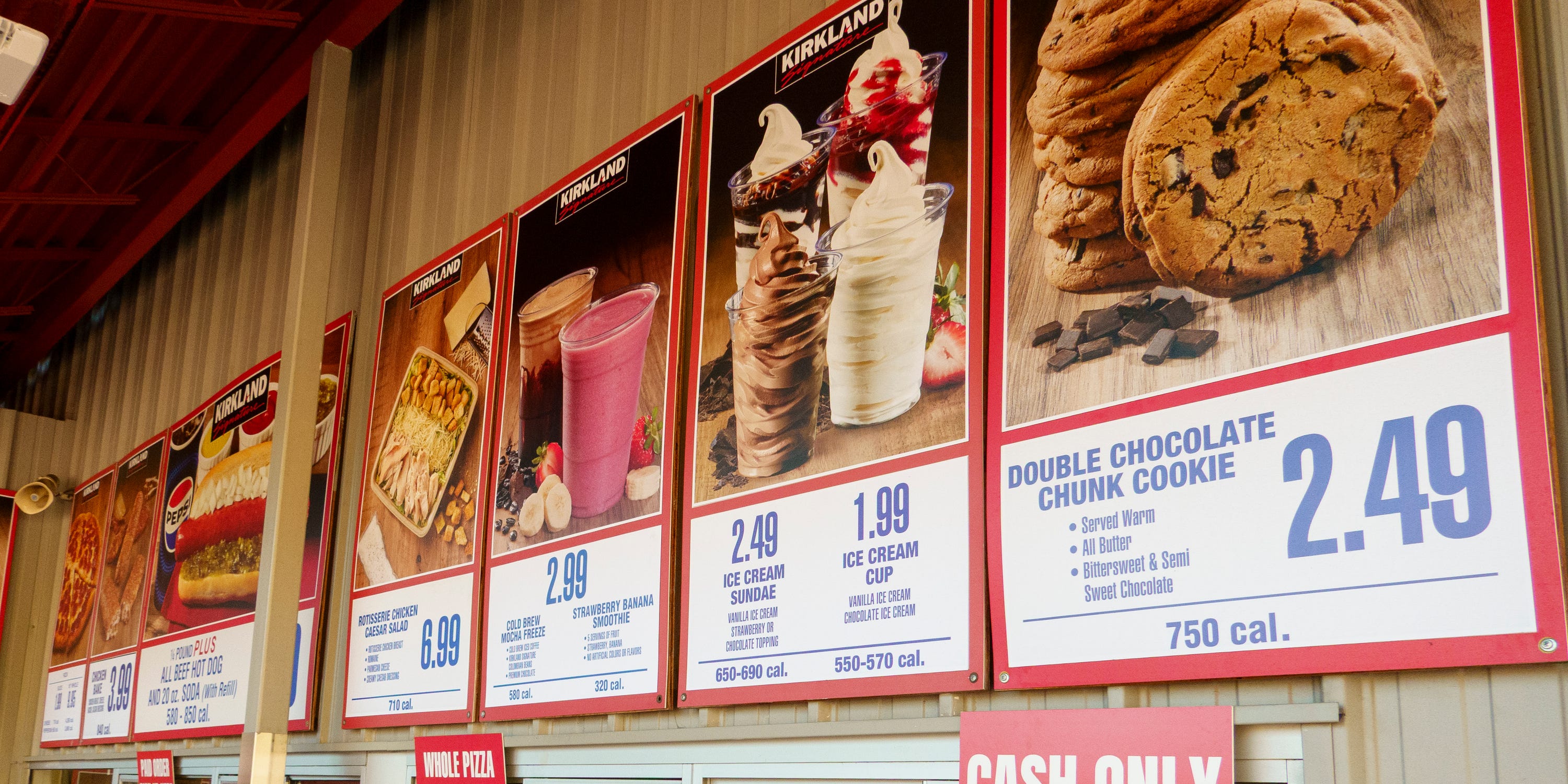
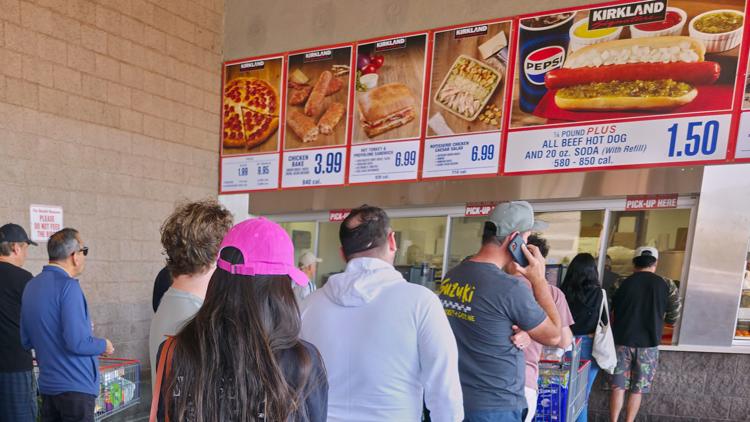
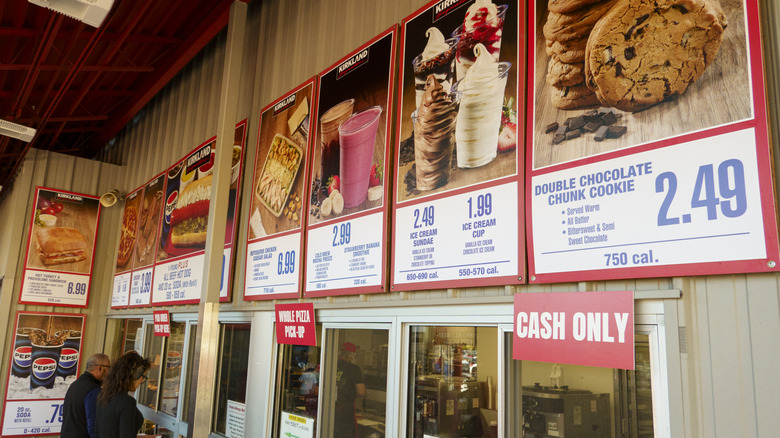
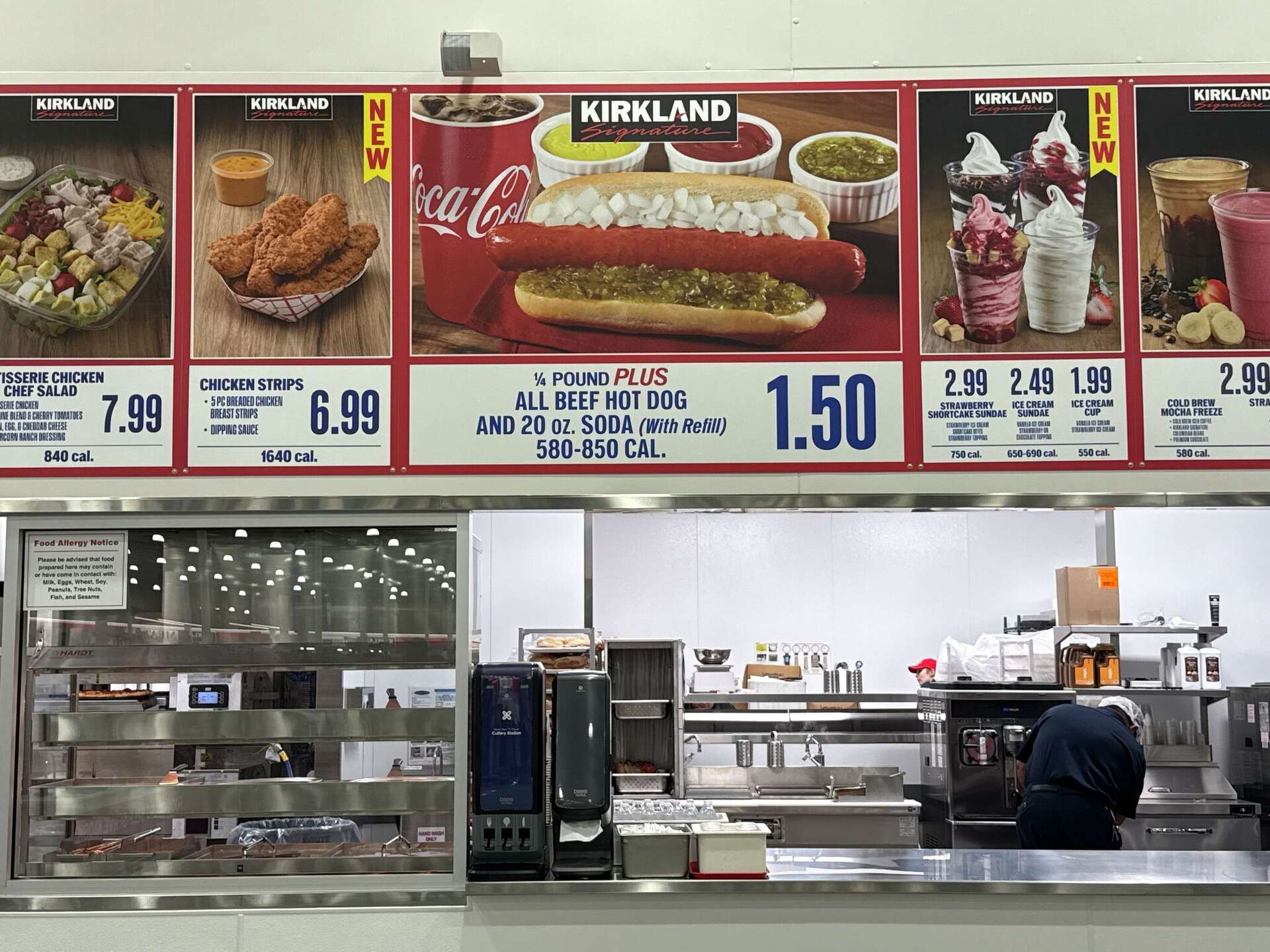
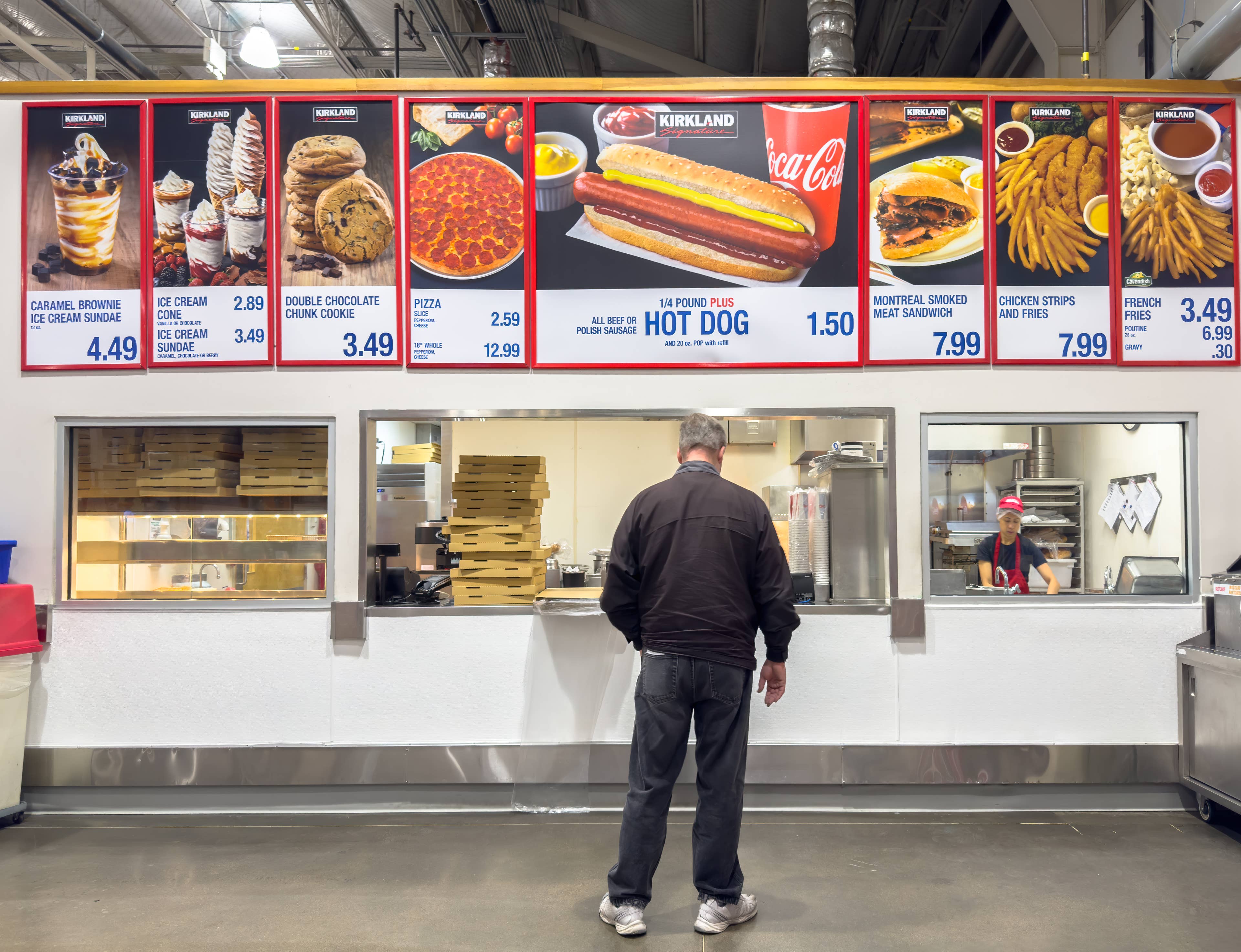
Costco's September 2026 announcement of twisted churro return represents a masterclass in O2O (offline-to-online) engagement and membership value reinforcement. The churros, discontinued in 2024 and priced at $1.49, were teased via Instagram (September 16) before official confirmation (September 18), generating substantial social media engagement and member enthusiasm. This strategic move is part of Costco's broader 2026 food court revitalization, which includes new chicken tenders ($6.99, launched July 2026 after May testing), hot dog/water combos ($1.50), and limited-time caramel churro sundaes (April 2026). The food court strategy directly impacts membership retention—affordable, quality offerings are cited as primary renewal drivers alongside the iconic $1.50 hot dog combo unchanged for 40 years.
For CPG and specialty food sellers, this signals three critical retail opportunities: First, membership warehouse partnerships are actively seeking limited-time, nostalgia-driven products that drive foot traffic and member engagement. Costco's willingness to reintroduce discontinued items based on member feedback demonstrates demand-responsive inventory management—a model sellers can leverage through direct supplier relationships or co-packing arrangements. Second, experiential retail differentiation is increasingly valuable; Costco's cryptic Instagram teaser generated organic engagement without paid media, indicating that scarcity and nostalgia create conversion lift. Third, location-based rollout strategy (launch dates vary by warehouse) creates testing opportunities for sellers seeking to validate regional demand before national expansion.
The broader context reveals Costco's omnichannel evolution: The company's expanding home delivery service (5-10% premium pricing, growing adoption despite higher costs) indicates members prioritize convenience over price—a shift that benefits premium, differentiated products. This contrasts with traditional loss-leader food court strategy, suggesting Costco is segmenting customers: in-store members value iconic low prices, while delivery customers accept premiums for convenience. For sellers, this means dual-channel positioning is essential—develop affordable core SKUs for warehouse food courts while creating premium variants for delivery/online channels.
Operational implications for sellers: Costco's test-then-scale approach (chicken tenders tested May, rolled out July nationally) indicates 8-12 week validation windows. Sellers should prepare supply chain flexibility for rapid scaling post-validation. The limited-time positioning creates urgency-driven demand spikes, requiring inventory buffers and 3PL coordination. Regional launch staggering (location-dependent availability) suggests Costco manages supply constraints—sellers must account for 2-4 week fulfillment windows per region.
Questions 8
How can sellers leverage Costco's Instagram teaser strategy for their own brands?
Costco's September 16 Instagram teaser (cryptic video prompting speculation) generated organic engagement without paid media, demonstrating the power of scarcity and nostalgia in driving consumer interest. The strategy created anticipation and social conversation, amplifying the September 18 official announcement. For sellers, this indicates that limited-time, member-exclusive offerings create engagement lift when teased through social channels. Sellers can replicate this by: (1) partnering with warehouse clubs on exclusive product launches, (2) creating scarcity through limited quantities or time windows, (3) leveraging member communities (Costco's engaged social following) for organic reach, and (4) coordinating teaser campaigns with official announcements to maximize impact. This approach is particularly effective for nostalgia-driven products and limited-time offerings that drive repeat visits and membership value perception.
What product categories benefit most from Costco's food court revitalization strategy?
Costco's 2026 menu updates (churros, chicken tenders, water combos, caramel sundaes) indicate strong demand for: (1) nostalgic/comfort foods with emotional appeal, (2) limited-time offerings creating urgency, (3) affordable, quality items ($1.49-$6.99 range) that reinforce membership value, and (4) products comparable to competitor offerings (chicken tenders vs. Chick-fil-A). Categories with highest partnership potential include specialty snacks, prepared foods, beverages, and desserts. Sellers should focus on products that: drive foot traffic (impulse purchases, high-frequency items), enhance member experience (quality, uniqueness), and support dual-channel positioning (affordable food court SKUs + premium delivery variants). Seasonal and limited-time products perform particularly well, as they create repeat-visit behavior and social engagement.