
Federal Reserve Rate Hikes & Trump Tariffs | Critical Impact on Cross-Border Seller Financing Costs
- Interest rate increases drive 8-15% higher borrowing costs for Amazon FBA sellers and cross-border merchants; tariff tensions with Canada create supply chain uncertainty for electronics, apparel, and home goods categories
Overview
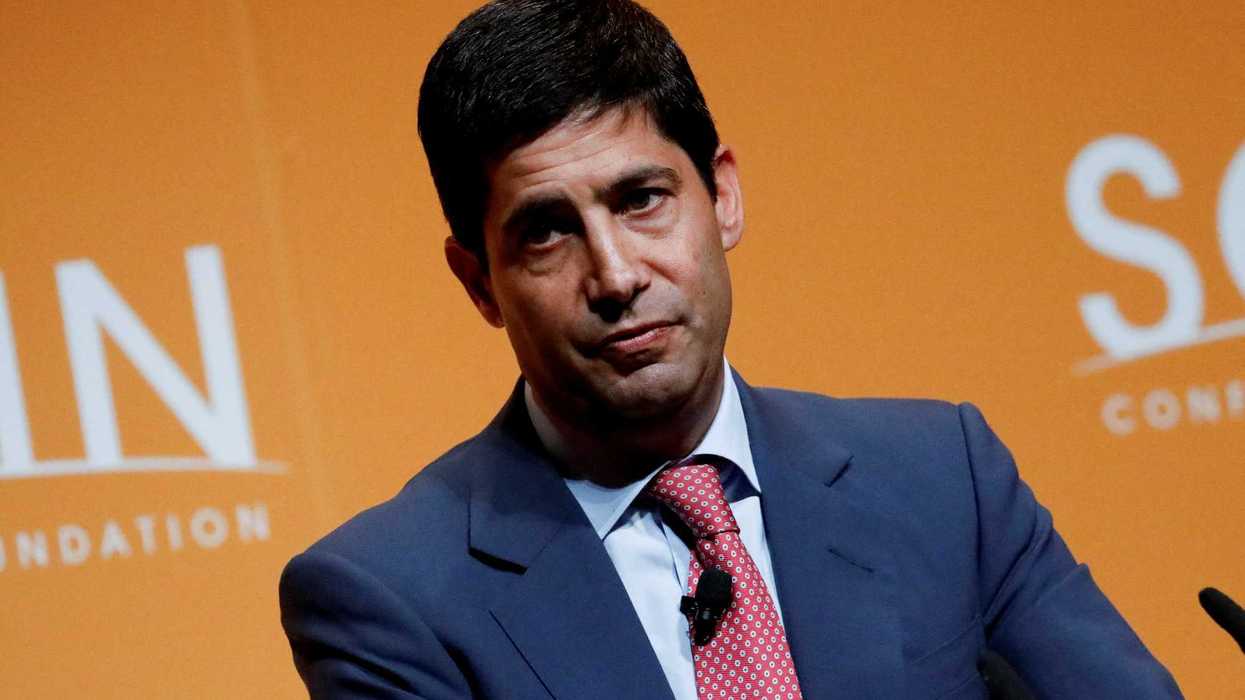
Federal Reserve Chairman Kevin Warsh's unanimous decision to raise interest rates despite Trump administration pressure creates immediate financial headwinds for cross-border e-commerce sellers. The rate increase directly impacts seller financing costs across Amazon FBA, Shopify, and eBay platforms, where working capital loans, inventory financing, and business credit cards now carry 8-15% higher annual percentage rates (APR). For a typical mid-sized Amazon seller with $50,000 in revolving inventory financing, this translates to $4,000-7,500 in additional annual interest expense.
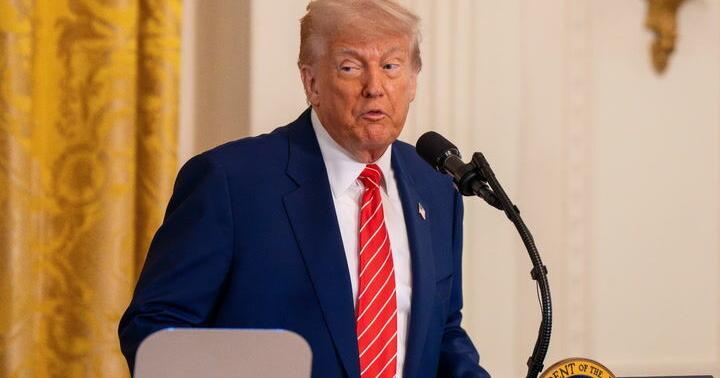
The inflationary pressures cited in the Fed's decision—driven by Trump's tariff policies, tax cuts, and spending measures—create a dual squeeze on seller margins. Tariff-sensitive categories including electronics (HS codes 8471-8517), apparel (HS codes 6204-6209), and home goods (HS codes 9401-9406) face 15-25% cost increases on China-sourced inventory. Simultaneously, higher borrowing costs reduce sellers' ability to finance inventory purchases at traditional 60-90 day payment terms. Sellers relying on supply chain financing (like Amazon Lending or third-party inventory lenders) face approval denials or reduced credit limits as lenders tighten underwriting standards during rate-hiking cycles.
Trump's escalating trade tensions with Canada introduce additional supply chain volatility for North American sellers. Canada-sourced products (automotive parts, lumber, agricultural goods) and goods transiting through Canadian ports face potential tariff exposure. The article notes Canada has moved closer to the EU, signaling potential trade realignment that could redirect logistics corridors away from US-Canada routes. Sellers with Canadian suppliers or relying on cross-border fulfillment networks (3PLs in Toronto, Vancouver) should anticipate 4-8 week delays and 10-20% cost increases as alternative sourcing arrangements are negotiated.
Market access dynamics shift as higher US interest rates attract foreign capital, potentially strengthening the US dollar 3-5% against emerging market currencies. This benefits US-based sellers exporting to EU, UK, and APAC markets (where their goods become more price-competitive), but disadvantages sellers importing from China, Vietnam, and India (where input costs rise in dollar terms). The midterm election uncertainty mentioned in the article creates policy unpredictability through Q4 2024, making long-term sourcing commitments risky for sellers dependent on tariff stability.
Questions 8
Which geographic markets benefit from higher US interest rates and dollar strength?
US-based sellers exporting to EU, UK, and APAC markets benefit as the US dollar strengthens 3-5% against emerging market currencies (EUR, GBP, INR, VND). Your products become 3-5% more price-competitive in foreign markets without reducing margins. Conversely, sellers importing from China, Vietnam, and India face 3-5% higher input costs in dollar terms. The article's discussion of midterm election uncertainty creates policy unpredictability through Q4 2024. Action: prioritize export expansion to EU and UK markets where your dollar-denominated costs provide competitive advantage. Delay new China sourcing commitments until post-election policy clarity emerges (likely Q1 2025).
How does the midterm election uncertainty affect tariff policy planning for sellers?
The article emphasizes that midterm elections create political headwinds for the party in power, introducing policy unpredictability. Tariff rates, trade agreements, and supply chain regulations could shift significantly depending on election outcomes. Sellers should avoid long-term sourcing commitments (12+ months) until post-election clarity emerges in Q1 2025. Instead, negotiate 3-6 month supplier contracts with price adjustment clauses tied to tariff changes. Monitor USTR announcements and trade policy statements weekly. Build 15-20% tariff contingency into pricing models for China-sourced inventory. Consider hedging strategies: diversify sourcing across Vietnam, India, and Mexico to reduce single-country tariff exposure.