


Trump-Xi Summit Trade Talks | Major Tariff Shifts for EV, Battery & Tech Sellers
- Treasury Secretary meets Chinese VP on AI governance; BYD, CATL face Pentagon scrutiny; EV tariffs under renegotiation; immediate impact on battery, electronics, auto parts categories









Overview
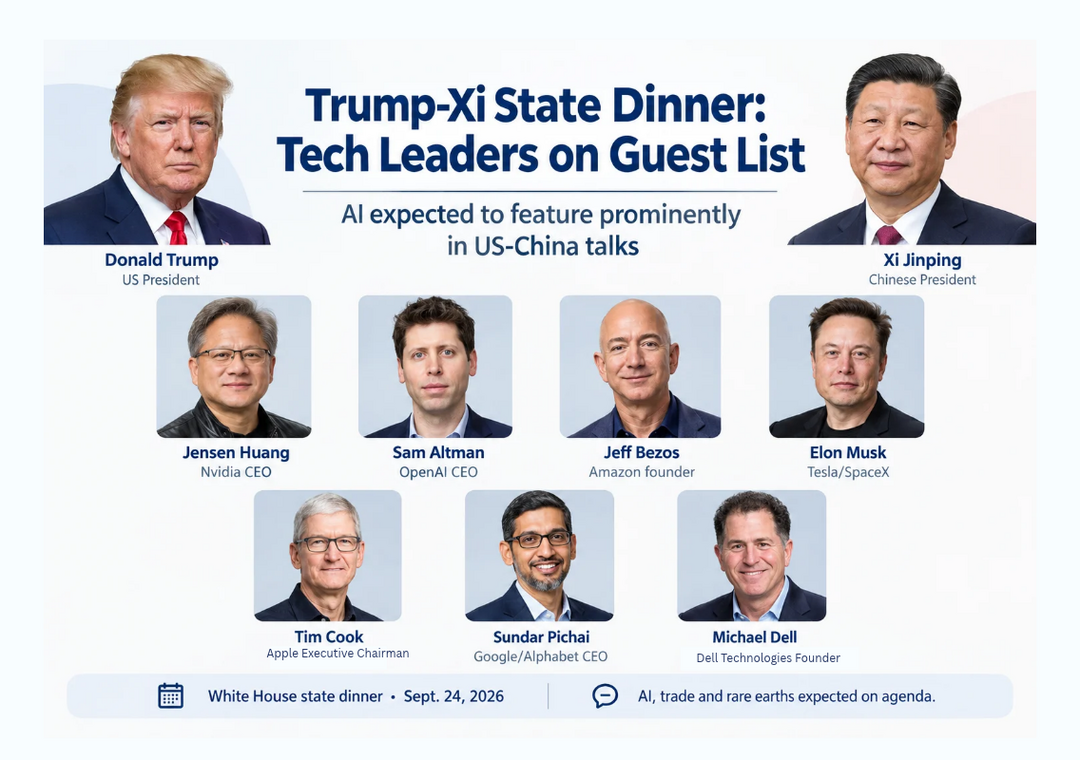
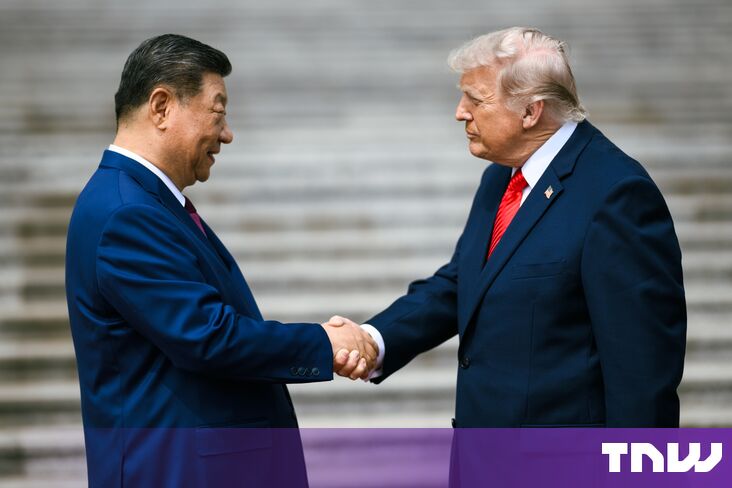
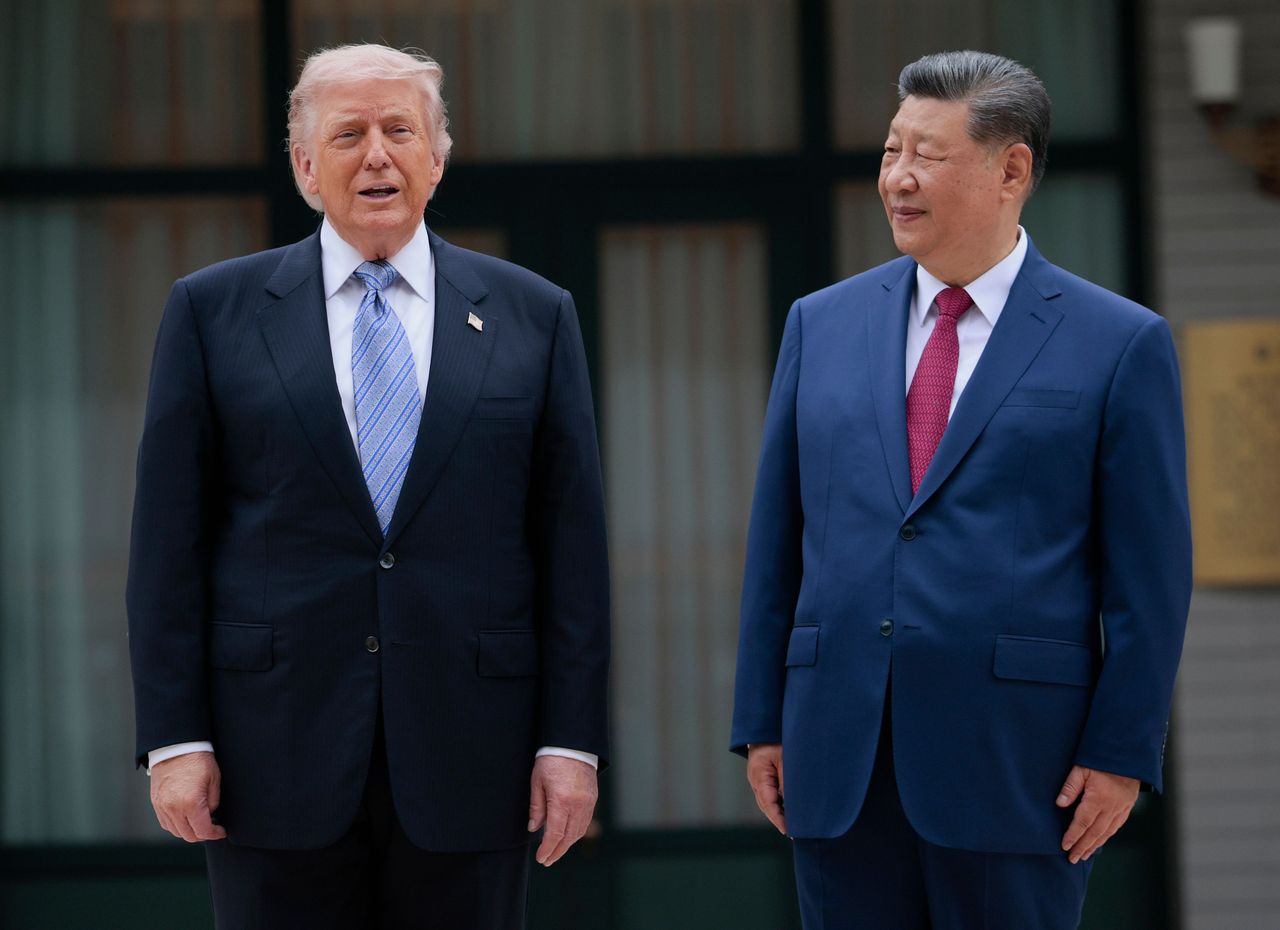
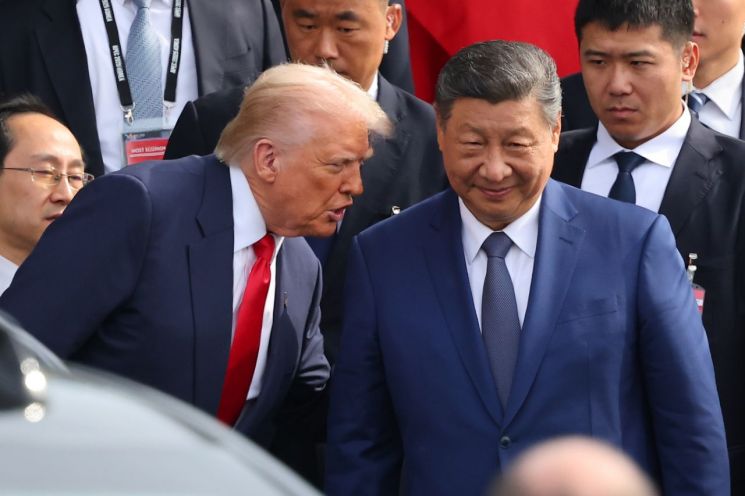
The Trump-Xi state dinner represents a critical inflection point for US-China trade policy with direct implications for cross-border e-commerce sellers. Treasury Secretary Scott Bessent is meeting Chinese Vice Premier He Lifeng to discuss economic outcomes and AI governance, signaling imminent trade agreement negotiations. The business delegation composition—featuring BYD, CATL, Gotion (battery manufacturers), Xiaomi, Hisense, and Wanxiang Group—reveals which Chinese sectors are prioritized for market access discussions.
Tariff Arbitrage Opportunity: Chinese electric vehicles currently face "substantial US tariff barriers and regulatory obstacles," while CATL and BYD encounter Pentagon scrutiny for alleged military links. This creates a critical window: if tariff negotiations succeed, EV-related categories (batteries, components, charging equipment) could see 15-25% tariff reductions, dramatically improving margins for sellers sourcing from these manufacturers. The news explicitly states this mirrors Trump's May Beijing visit when US executives facing "regulatory or market access challenges in China" were included—indicating reciprocal market access is on the negotiation table.
Market Access Shifts: The rejection of Beijing's proposed "chief executive roundtable" format suggests the White House is controlling the negotiation agenda tightly. This indicates tariff discussions will likely precede broader market access agreements. Sellers should monitor three critical categories: (1) Battery/EV components (HS codes 8507, 8704)—currently 25% tariffs could drop to 5-10%; (2) Consumer electronics (Xiaomi, Hisense involvement suggests smartphone, TV, appliance categories); (3) Auto parts (Wanxiang Group participation indicates automotive components).
Competitive Dynamics: Small-to-medium sellers (SMEs) sourcing from China face immediate uncertainty. Large sellers with established CATL/BYD relationships (Tesla suppliers, major EV retailers) gain first-mover advantage if tariffs drop. US-based sellers importing Chinese batteries for resale could see margin improvements of $50-200 per unit if tariffs decline 15-20 percentage points. The timing window is critical: negotiations typically conclude within 60-90 days of high-level summits, creating a 4-6 week window before tariff changes become public.
Compliance & Sourcing Strategy: Sellers should immediately audit their supply chain for CATL/BYD dependencies. If Pentagon scrutiny intensifies, these manufacturers could face export restrictions despite tariff reductions—creating a "tariff trap" where lower duties don't offset supply chain risk. Diversification to Vietnam (VinFast batteries) or India (Exicom, Luminous Power) becomes strategically valuable as alternative sourcing corridors.
Questions 8
Which product categories benefit most from potential US-China tariff reductions?
Three categories are prioritized based on delegation composition: (1) EV batteries and components (CATL, BYD, Gotion participation)—currently 5-25% tariffs could drop to 0-10%; (2) Consumer electronics (Xiaomi, Hisense involvement)—smartphones, TVs, appliances facing 0-25% tariffs could see 5-15 point reductions; (3) Auto parts (Wanxiang Group)—components currently 2.5-25% tariffs could decline 5-10 points. Battery and EV components offer highest margin improvement potential ($100-300 per unit). Sellers should prioritize inventory audits in these categories and prepare sourcing agreements to capitalize on tariff windows opening within 60-90 days.
How will Trump-Xi trade negotiations affect EV battery tariffs for cross-border sellers?
The state dinner signals imminent tariff renegotiations, with CATL and BYD—major battery suppliers—included in the Chinese business delegation. Current US tariffs on battery cells (HS 8507) range 5-25% depending on origin and specifications. If negotiations succeed, tariffs could drop 15-20 percentage points, improving seller margins by $50-200 per unit on battery imports. However, Pentagon scrutiny of CATL/BYD for alleged military links creates compliance risk—tariff reductions may not offset supply chain restrictions. Sellers should diversify sourcing to Vietnam (VinFast) or India (Exicom) as hedges while monitoring Pentagon announcements through Q1 2025.