


Diesel Price Surge Drives Logistics Costs Up 75% | Sellers Face Q1 2025 Shipping Inflation
- National diesel averages hit $6.45/gallon (Oregon $6.83), doubling January rates; owner-operator fuel costs surge from $1,700-$2,000 to $3,500+ weekly, forcing independent truckers off roads and threatening supply chain disruptions for grocery, building materials, and perishable goods sellers



Overview
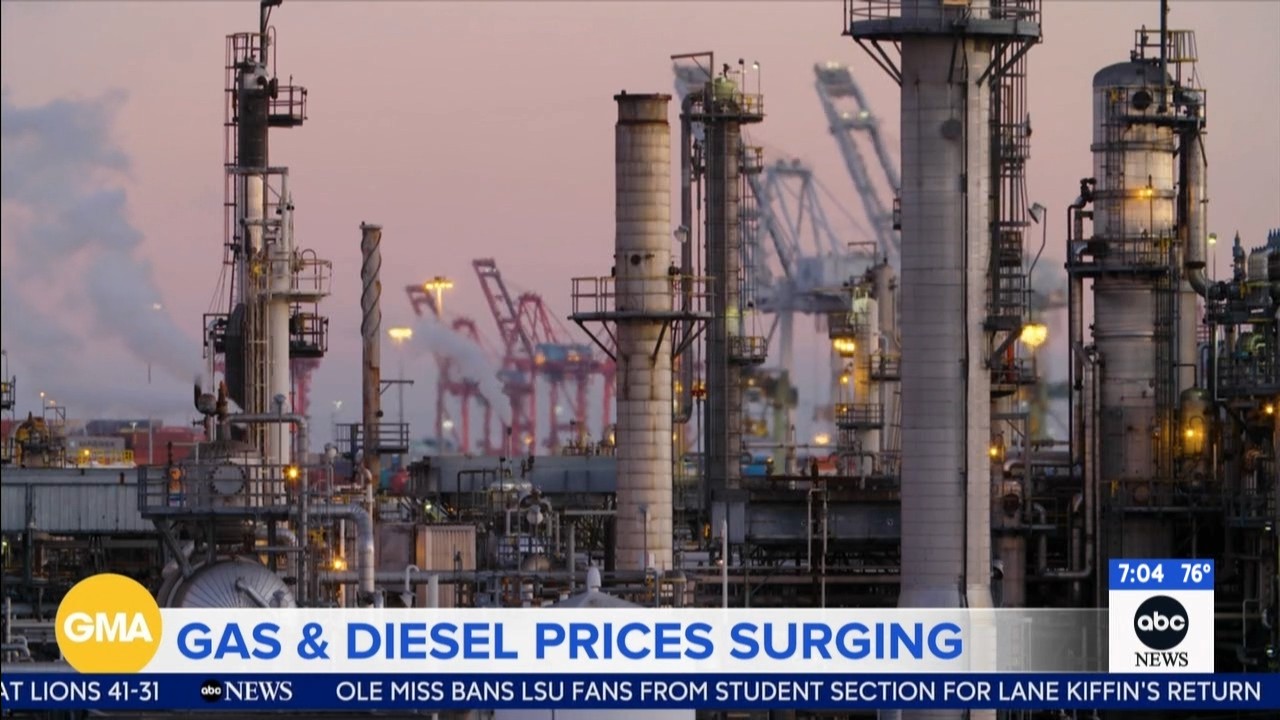
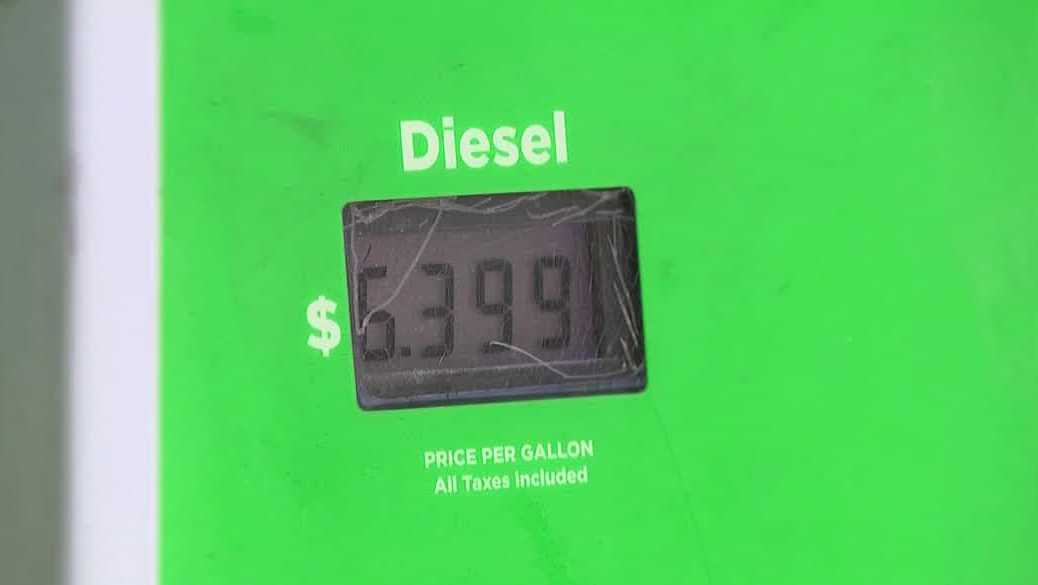
Record diesel prices are creating an immediate logistics crisis that will cascade through e-commerce supply chains within 4-8 weeks. National diesel averages have reached $6.45 per gallon, with Oregon hitting $6.83—nearly double the $3.50-$4.10 levels from January. Owner-operator Vatissa Rhodes reports her weekly fuel costs surged from $1,700-$2,000 to $3,500 or more, reducing her paycheck by approximately one-third. This represents a 75% cost increase for trucking operations, directly impacting last-mile delivery costs for Amazon FBA sellers, Shopify merchants, and eBay vendors shipping perishables, building materials, and grocery products.
The structural problem: fuel surcharges lag actual costs. While many freight contracts include fuel surcharges, these create severe cash-flow problems since drivers must pay $1,700+ upfront for a 250-gallon fill-up while waiting weeks for reimbursement. Jana Jarvis, president of the Oregon Trucking Association, notes that 90-95% of trucking companies operate five trucks or fewer, making them particularly vulnerable to sudden cost spikes. This means independent carriers—who handle 40-50% of regional freight—are being forced off the road, creating immediate capacity constraints.
Specific seller impact by category: Refrigerated food sellers face the highest pressure since cooling trailers consume additional fuel. Building materials sellers (lumber, shingles, siding) will see 8-12% cost increases within 2-4 weeks as truckers pass through surcharges. Grocery and perishable goods sellers operating on 3-5% margins face margin compression of 2-3 percentage points. Global supply disruptions—Middle East conflicts, refinery damage, Russian energy infrastructure attacks, and fuel export restrictions—have tightened diesel supplies with no near-term relief expected.
Warehouse positioning strategy: Sellers should immediately shift inventory from regional distribution centers to destination markets. For Pacific Northwest sellers, consolidate stock in Portland, Seattle, and Spokane warehouses NOW before surcharges fully propagate. For sellers shipping INTO the region, consider rerouting through California or Texas ports where diesel costs remain 15-20% lower. Amazon FBA sellers should prioritize inventory placement in West Coast fulfillment centers to minimize trucking distance and cost exposure.
Timeline critical: Grocery prices may take weeks or months to reflect transportation increases due to contract delays, but building materials and perishables will see price increases within 2-4 weeks. Independent operators warn that financial pressure could force them off the road, potentially disrupting supply chains and creating shelf shortages—creating both risk and opportunity for sellers with pre-positioned inventory.
Questions 8
How much will diesel price increases add to my Amazon FBA shipping costs?
Diesel surcharges typically add $0.15-$0.35 per pound to FBA inbound shipping costs. At current $6.83/gallon Oregon rates (up from $3.50-$4.10 in January), expect 8-12% increases on West Coast shipments within 2-4 weeks. A typical 40-pound FBA box shipping from California to Oregon will see costs rise from $8-12 to $9-14. Owner-operators report fuel costs surging from $1,700-$2,000 to $3,500+ weekly, forcing independent carriers off the road and reducing available capacity. Monitor your freight quotes weekly and consider consolidating shipments to reduce per-unit costs.
Should I shift my inventory to different warehouses due to diesel costs?
Yes—immediately consolidate inventory in destination markets rather than regional distribution hubs. For Pacific Northwest sellers, move stock to Portland, Seattle, and Spokane warehouses NOW before surcharges fully propagate. For sellers shipping INTO the region, reroute through California or Texas ports where diesel costs remain 15-20% lower. Diesel prices in Oregon average $6.83/gallon versus $5.80-$6.10 in other regions. Amazon FBA sellers should prioritize West Coast fulfillment centers to minimize trucking distance. This strategy reduces per-unit shipping costs by 6-10% and hedges against further price increases.