



China LPR Frozen 16 Months | Cross-Border Sellers Face Yuan Pressure & Financing Squeeze
- PBOC maintains 3.0% one-year rate amid Fed hawkishness; yuan depreciation risk threatens 40-60% of China-sourcing sellers' margins

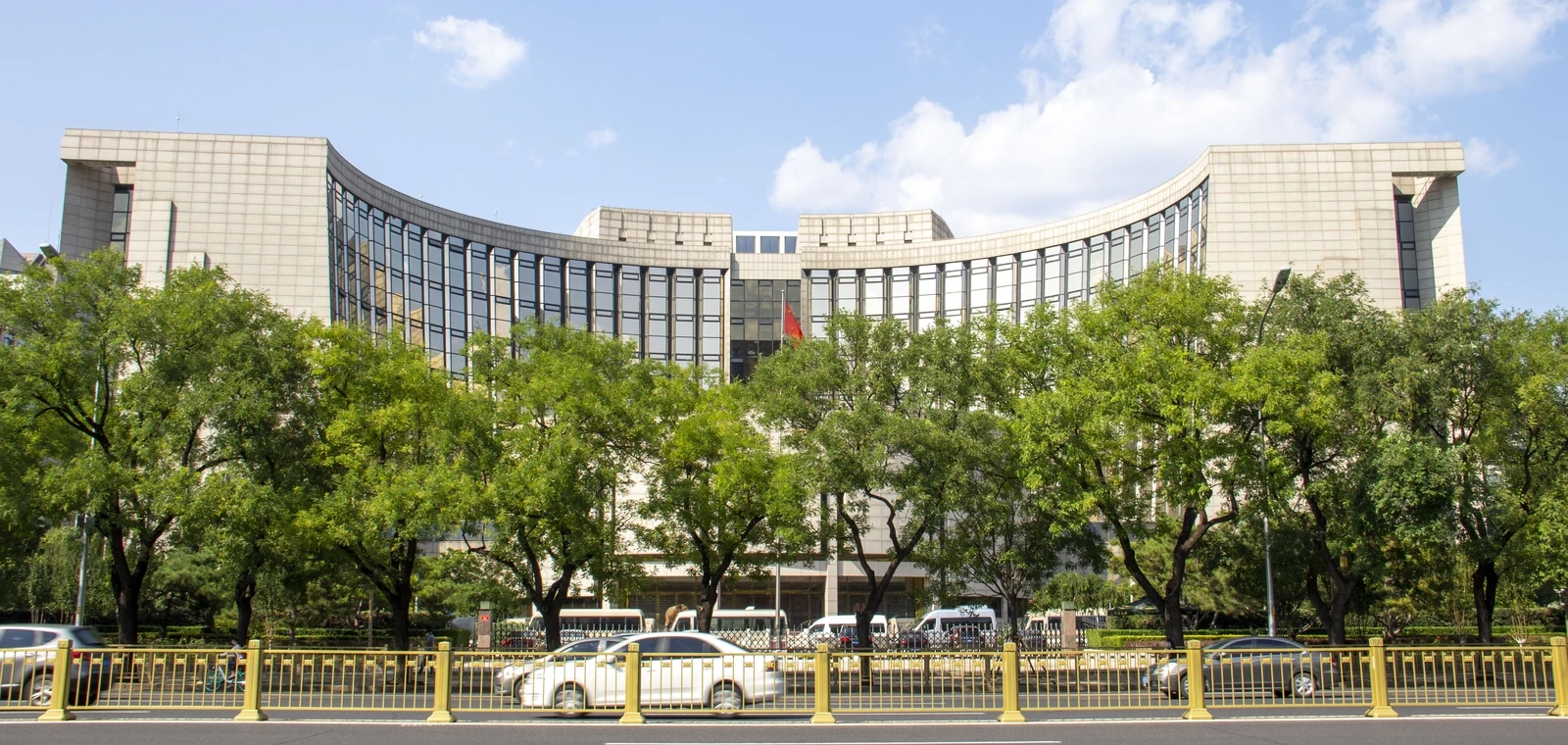


Overview
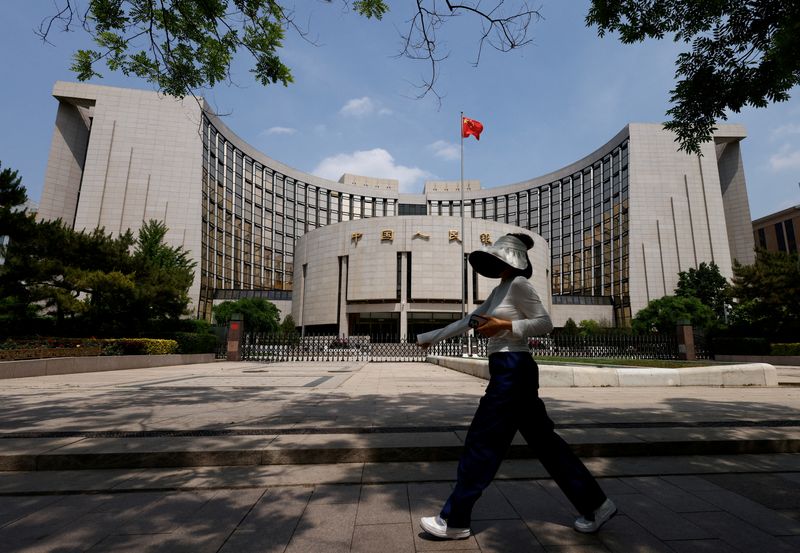
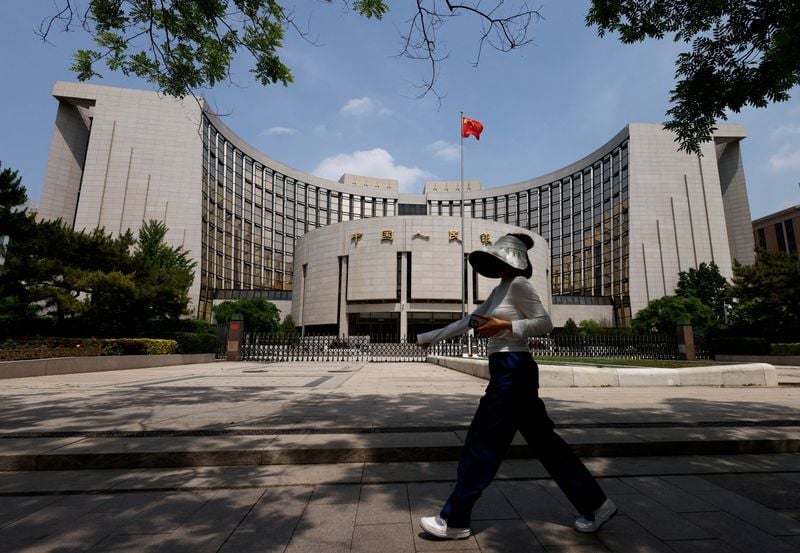
China's People's Bank of China (PBOC) has maintained its benchmark Loan Prime Rate (LPR) unchanged for 16 consecutive months through September 2026, keeping the one-year LPR at 3.0% and five-year LPR at 3.5%. This unprecedented rate freeze, confirmed by all 21 Reuters-surveyed market participants, signals monetary policy paralysis despite structural economic headwinds. The critical financial implication for cross-border e-commerce sellers: while Chinese supplier financing costs remain artificially stable at historic lows (corporate loan rates averaging below 3%), the PBOC's refusal to cut rates—combined with the U.S. Federal Reserve's hawkish stance under Chair Kevin Warsh—has created a widening yield premium on 10-year U.S. Treasuries over Chinese government bonds at near-record levels, directly pressuring the yuan.
For sellers sourcing from China, this creates a dual financial squeeze. First, the yuan depreciation risk is immediate: the interest rate differential between U.S. (higher) and China (frozen) rates incentivizes capital outflows, weakening the yuan against the dollar. A 5-10% yuan depreciation would increase COGS by 5-10% for sellers importing goods priced in RMB—a margin compression of 200-400 basis points for sellers operating on 3-5% net margins. Second, while Chinese supplier financing remains cheap (below 3% corporate rates), the PBOC's rate hold signals no further easing is coming. Central bank Governor Pan Gongsheng explicitly noted that "slower loan growth is becoming normalized" as property and local government sectors reduce credit demand faster than emerging industries can compensate. This structural shift means suppliers may tighten credit terms despite low rates, reducing working capital availability for inventory financing.
The strategic divergence between PBOC and Fed policy creates immediate FX arbitrage and hedging opportunities. The yield premium on U.S. Treasuries (now at near-record spreads) makes USD-denominated assets attractive, incentivizing sellers to lock in forward contracts for RMB purchases at current rates before further depreciation. Sellers with 60-90 day payment terms to Chinese suppliers should consider: (1) accelerating payments now to lock in current exchange rates before yuan weakens further, or (2) implementing 3-6 month FX hedges via currency forwards at 2-3% annualized costs—still cheaper than absorbing a 5-10% depreciation. For sellers with Chinese subsidiaries or operating entities, the rate hold also signals that working capital financing will remain expensive relative to the U.S. (where Fed rates are higher but declining expectations may emerge). This creates a cash flow arbitrage: borrow in China at 3% (locked in), convert to USD, and deploy in U.S. operations or short-term Treasury instruments yielding 4-5%.
Questions 8
How does China's frozen LPR affect my supplier financing costs if I source from China?
China's 16-month LPR freeze at 3.0% (one-year) means supplier financing rates remain at historic lows—corporate loan rates average below 3%. However, the PBOC's refusal to cut further signals no additional easing is coming, and suppliers may tighten credit terms despite low rates. The real risk is yuan depreciation: the widening yield premium between U.S. Treasuries (higher) and Chinese bonds (frozen) pressures the yuan, potentially increasing your RMB-denominated COGS by 5-10%. For a seller with $500K annual China purchases, a 7% yuan depreciation adds $35K in costs. Lock in FX rates now via forward contracts (2-3% annualized cost) rather than waiting for further depreciation.
Should I accelerate payments to Chinese suppliers now or hedge my currency exposure?
Both strategies have merit depending on your cash position. If you have excess USD liquidity, accelerating RMB payments now locks in current exchange rates before further yuan weakness—this is equivalent to a 2-3% guaranteed return if the yuan depreciates 5-10% over 3-6 months. Alternatively, implement 3-6 month currency forward contracts at 2-3% annualized costs, which provide downside protection without tying up cash. For sellers with 60-90 day payment terms, forwards are optimal: they cost less than depreciation risk while preserving working capital for inventory. The PBOC's rate hold signals no relief is coming, so act within the next 30 days before the Fed-PBOC yield gap widens further.