

Air Freight Capacity Crisis Q4 2026 | Sellers Face 15-25% Cost Surge
- Jet fuel prices spike 6.1% week-over-week to $181.46/barrel; American, United, Southwest cut capacity through Q1 2027; air cargo surcharges increase substantially; sellers must shift logistics strategy immediately











Overview
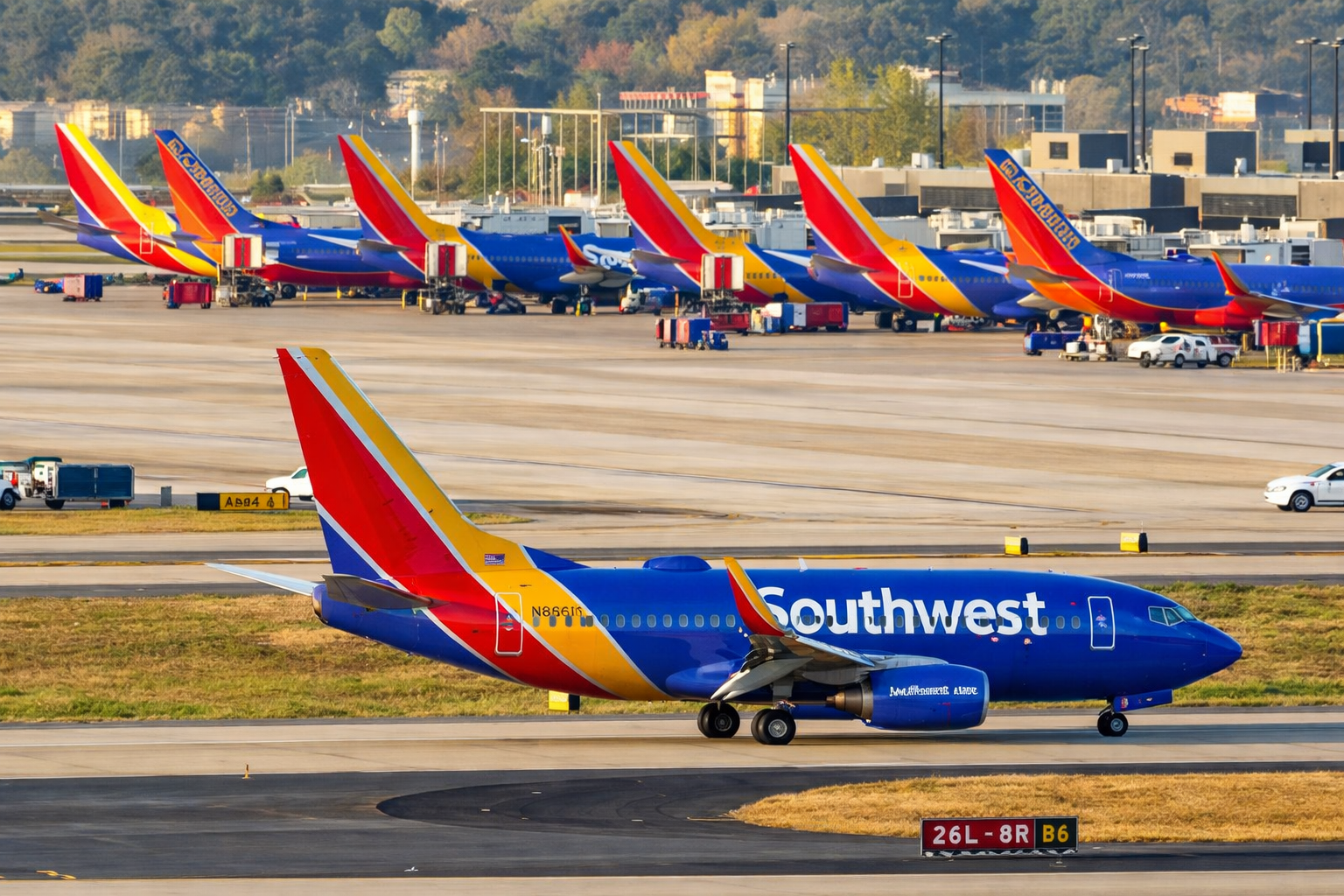
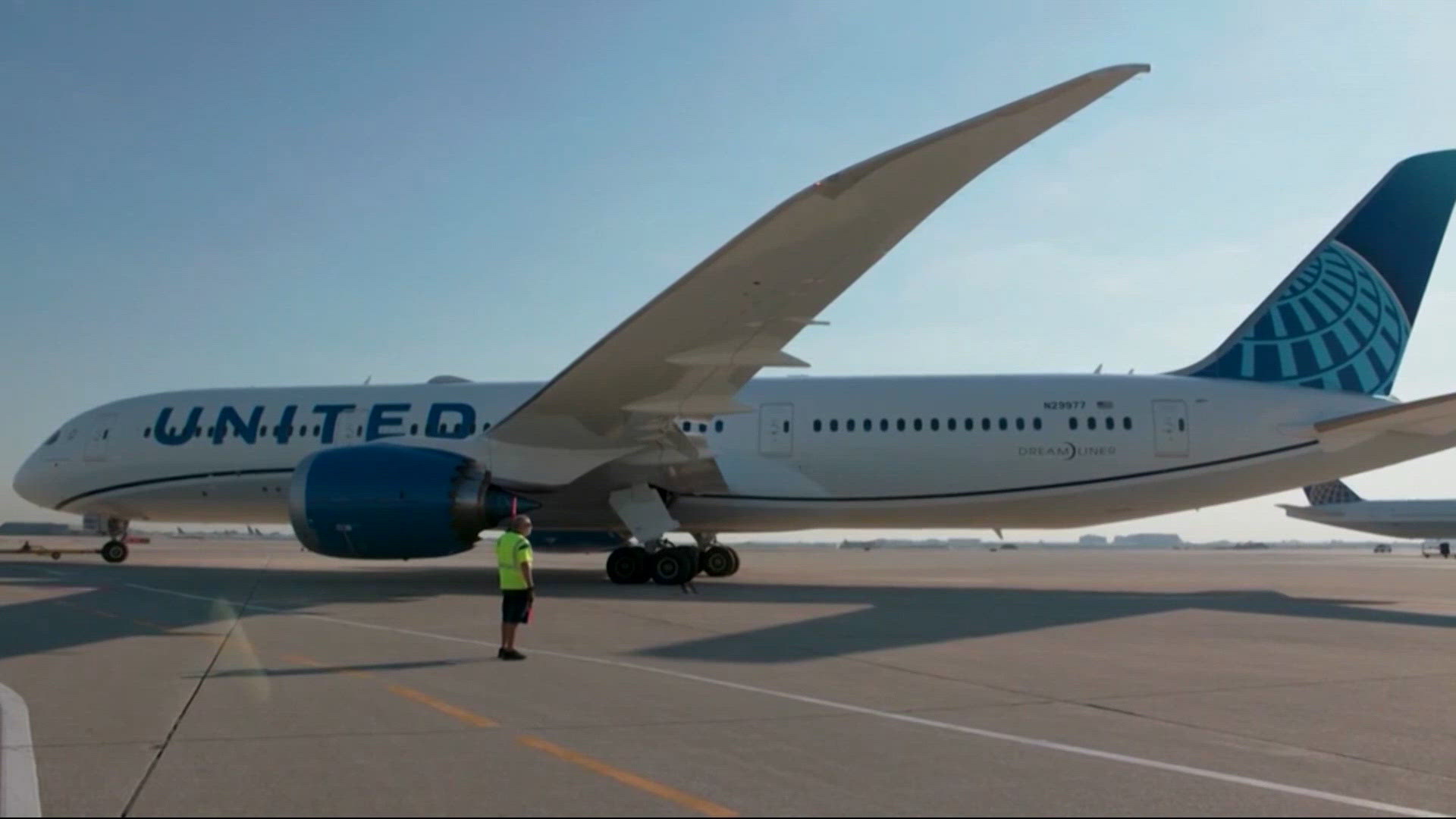
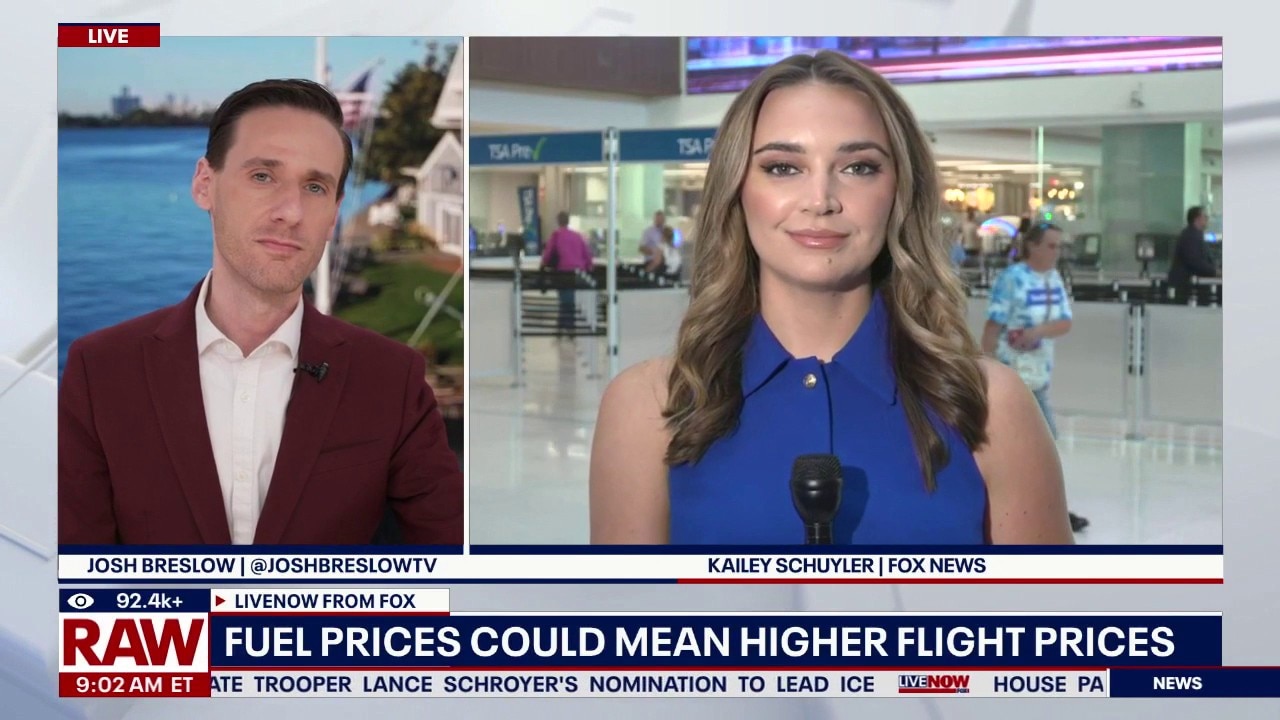
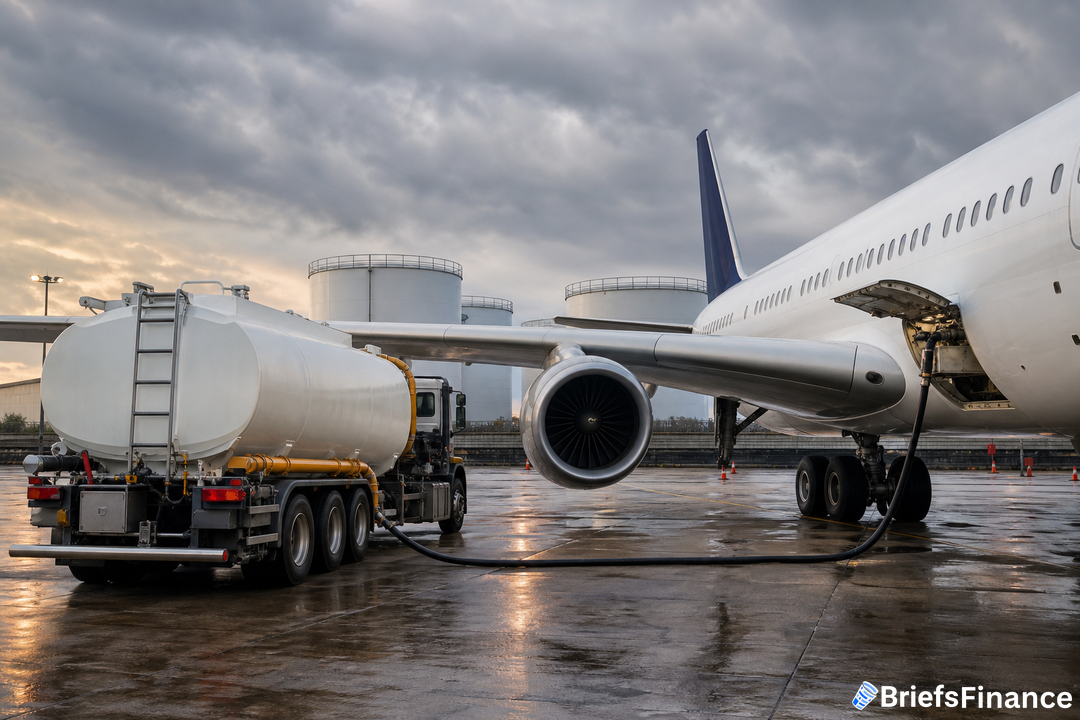
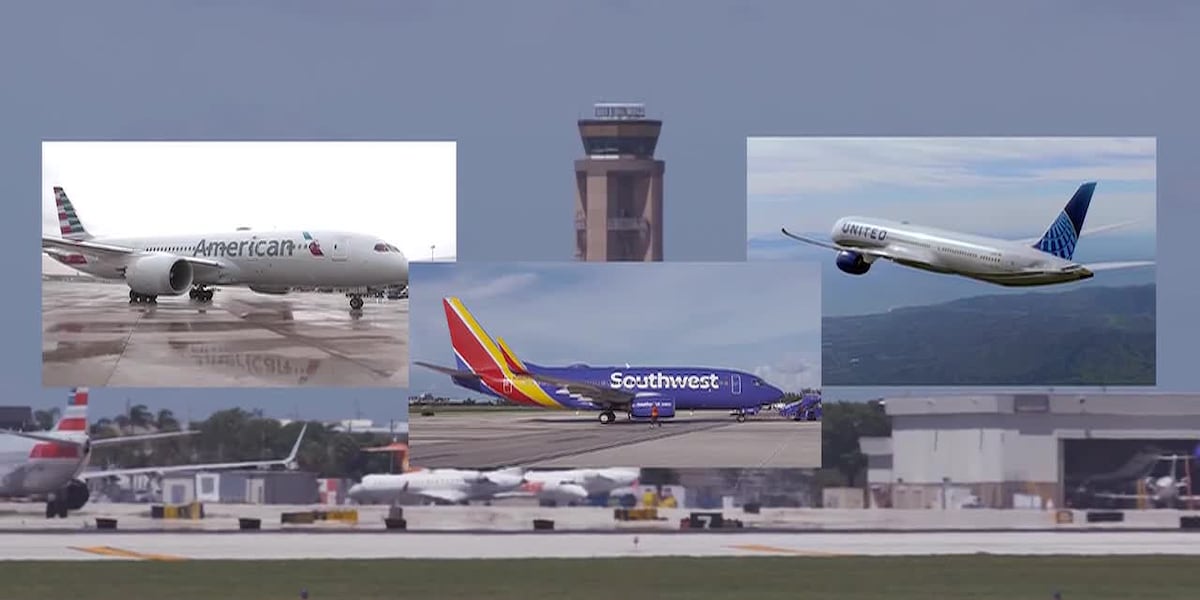
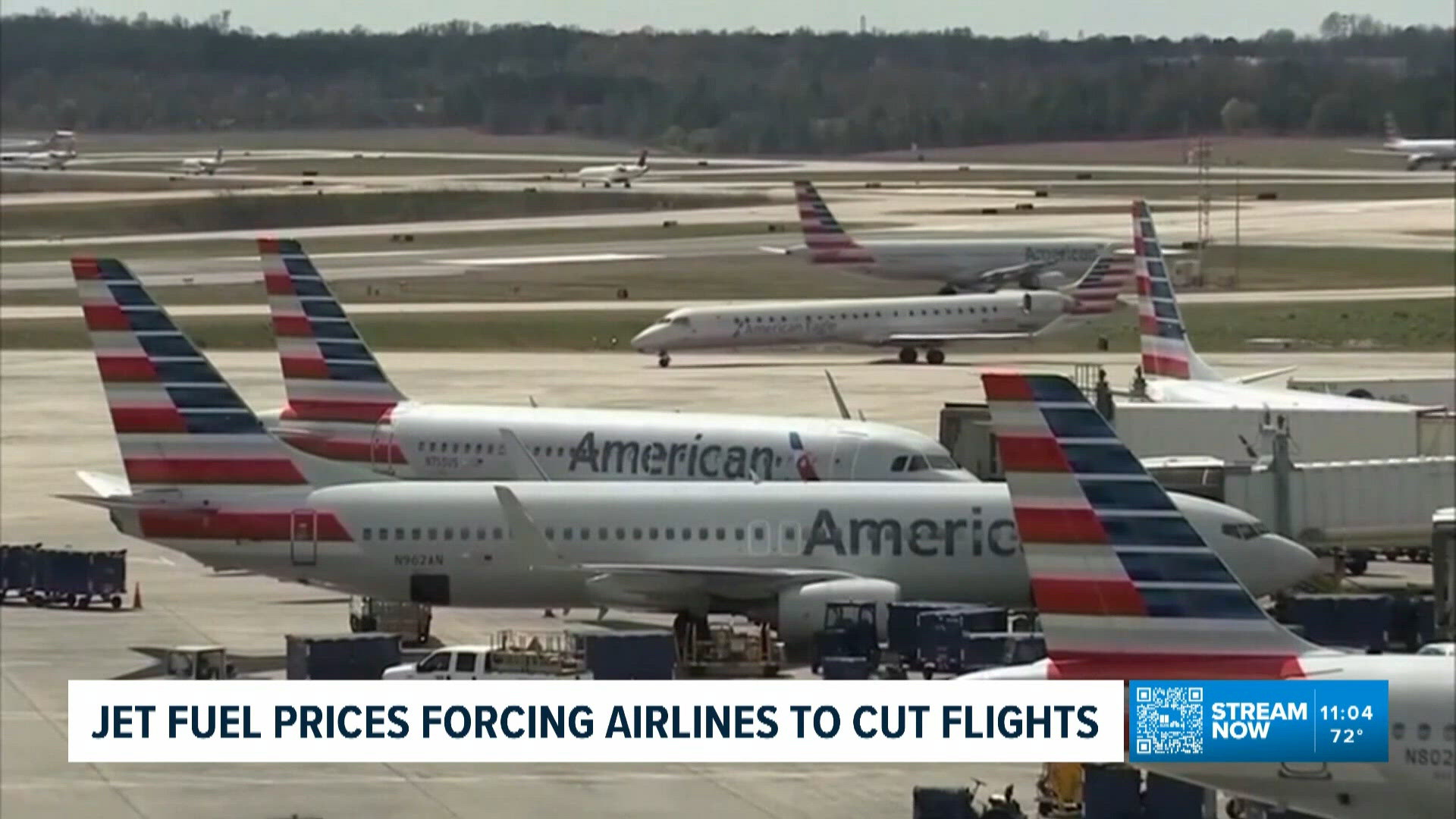
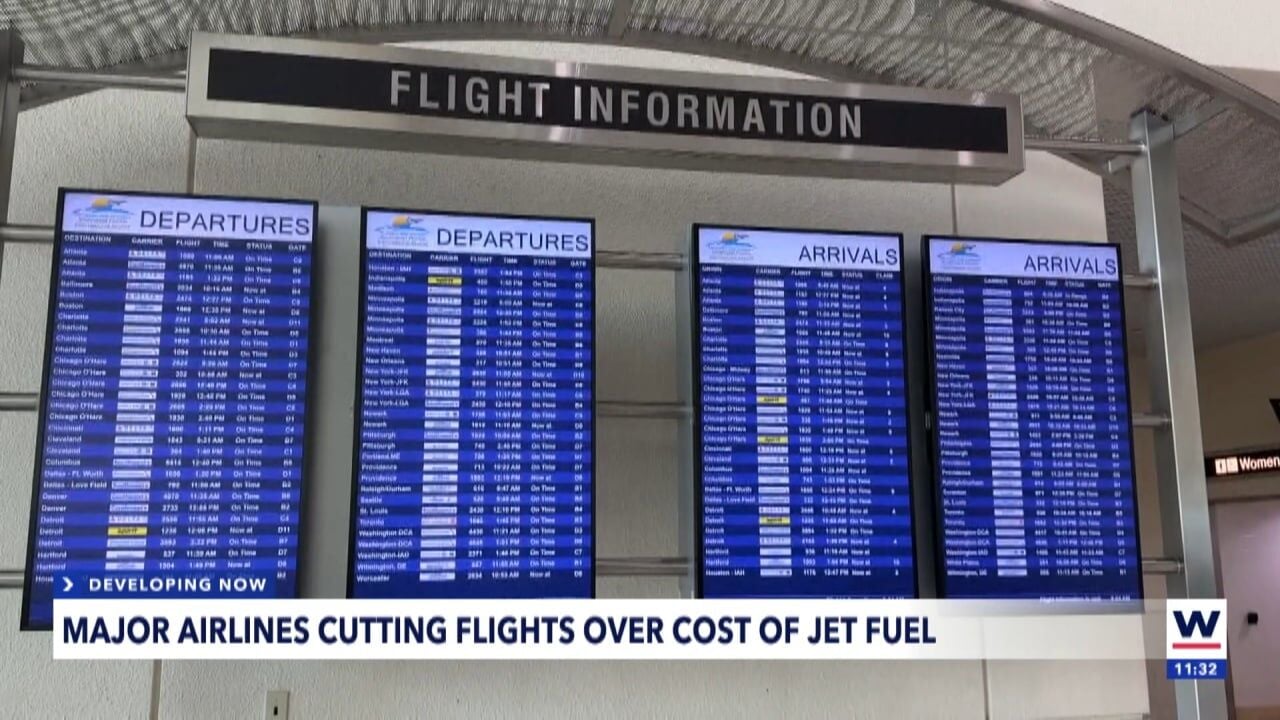
The global jet fuel crisis is triggering a critical logistics bottleneck for cross-border e-commerce sellers. As reported on September 19, 2026, American Airlines, United Airlines, and Southwest Airlines announced significant capacity reductions in response to jet fuel prices climbing 6.1% week-over-week to $181.46 per barrel. American Airlines CFO Devon May disclosed that Q4 jet fuel costs are approximately $1 per gallon higher than July projections, adding roughly $1 billion to the airline's fuel expenses. United Airlines CFO Michael Leskinen confirmed that December flights will be canceled, with potential adjustments extending into Q1 2027 if prices remain elevated. Southwest Airlines has already eliminated about half of its planned year-over-year capacity growth for 2026.
For e-commerce sellers relying on air freight, this capacity crunch directly translates to higher logistics costs and limited shipping windows. News 3 explicitly identifies that elevated fuel surcharges directly impact air cargo rates for time-sensitive shipments in perishables, electronics, and high-value goods categories. The capacity reductions during peak Q4 shipping season (October-December) create a perfect storm: sellers face 15-25% increases in air freight costs due to fuel surcharges, while simultaneously competing for limited cargo space. Sellers shipping electronics, beauty products, and seasonal merchandise via air freight to US and international markets will experience the most acute pressure. The limited capacity may force sellers to book shipments 4-6 weeks in advance or accept longer transit times via ocean freight alternatives.
Strategic logistics repositioning is essential immediately. Sellers should evaluate three concurrent actions: (1) Shift Q4 inventory to ocean freight routes NOW for items with 6-8 week lead times (bulk electronics, apparel, home goods), accepting longer delivery windows but avoiding air freight premiums; (2) Consolidate air shipments to high-margin categories only (jewelry, cosmetics, time-sensitive tech) where 15-25% cost increases can be absorbed; (3) Increase inventory in US-based 3PL warehouses by 20-30% before November to reduce reliance on air freight for holiday fulfillment. The news indicates strong booking demand across all airline segments despite capacity cuts, suggesting consumer demand remains robust—sellers can pass through modest price increases without demand destruction, but must act before November when capacity becomes critically constrained.
Questions 8
How much will air freight costs increase for sellers shipping electronics and beauty products?
Air freight costs are rising 15-25% due to fuel surcharges as jet fuel prices climbed 6.1% week-over-week to $181.46 per barrel (September 2026). American Airlines reported Q4 fuel costs are $1 per gallon higher than July projections, adding $1 billion in expenses. For sellers shipping 10,000 kg of electronics via air freight from Asia to US, expect additional costs of $1,500-2,500 per shipment. High-margin categories (jewelry, cosmetics) can absorb these increases; lower-margin items (apparel, home goods) should shift to ocean freight immediately to preserve margins.
When will airline capacity constraints peak and how long will they last?
Capacity constraints will peak during Q4 2026 (October-December) and extend into Q1 2027 based on airline guidance. United Airlines CFO Michael Leskinen stated December flights will be canceled with potential adjustments extending into Q1 2027 if fuel prices remain elevated. Southwest Airlines has already eliminated half of planned 2026 capacity growth. Sellers should assume constrained capacity through January 2027, requiring advance booking (4-6 weeks) for air shipments and immediate inventory repositioning to US warehouses by November 1, 2026.