




US-Canada Tariff War Disrupts Great Lakes Trade | Sellers Face 23-40% Supply Chain Delays
- Great Lakes vessel traffic down 23% YoY; iron ore shipments 40% below 2025 levels; coal volumes at 53-year low; sellers dependent on bulk commodity routes face immediate cost increases and delivery delays


























Overview
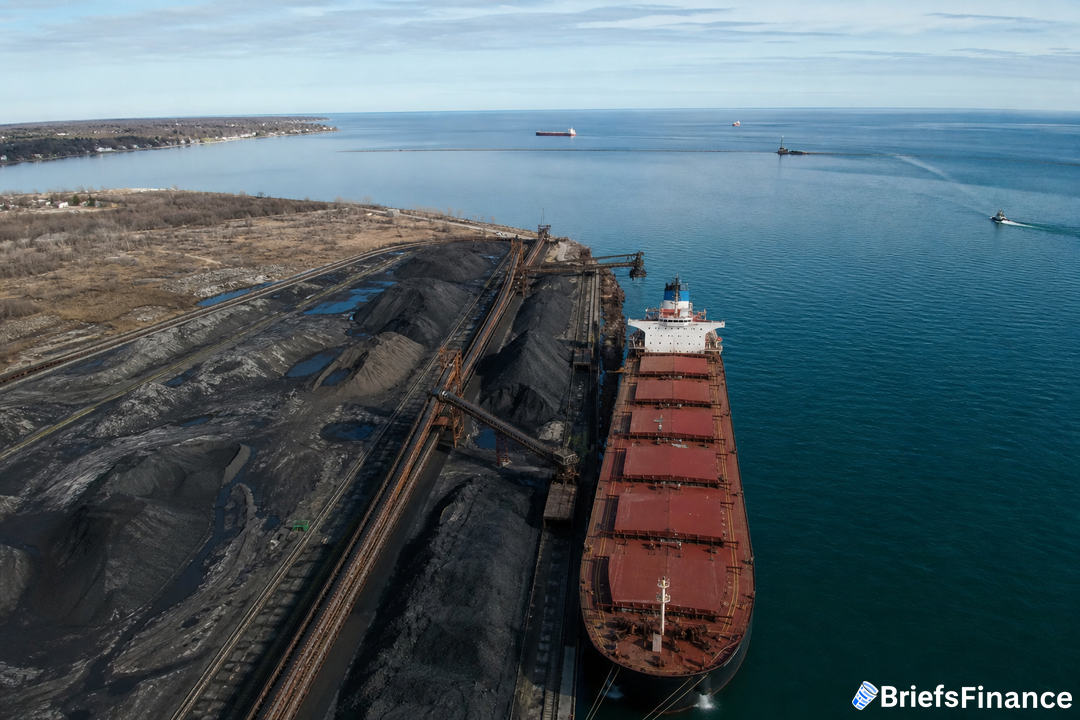
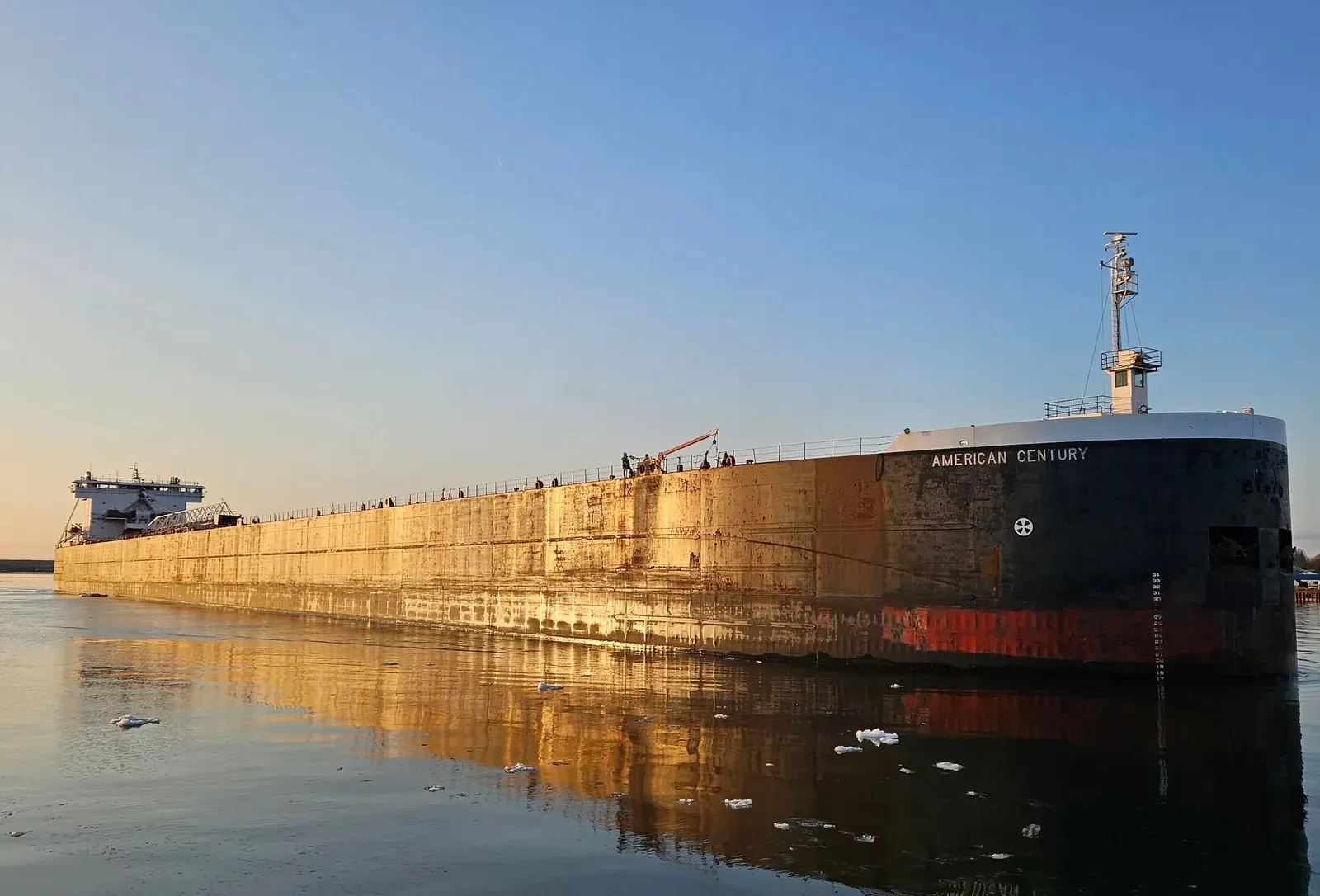
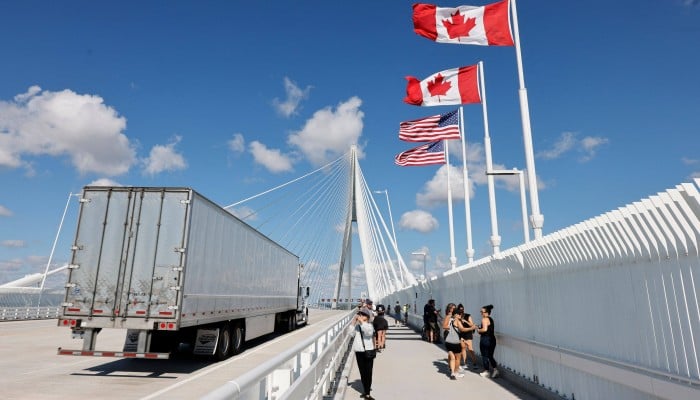
The US-Canada tariff dispute is creating a critical supply chain crisis for North American e-commerce sellers, with Great Lakes trade—handling 200 million tons annually and generating $6 trillion in regional economic activity—experiencing unprecedented disruption. As of September 2026, vessel traffic at Duluth-Superior port (the largest Great Lakes port by tonnage) has declined 23% year-over-year, with Canadian carrier arrivals down 37%. Coal volumes have plummeted from 4.7 million tons in 2025 to a projected 500,000 tons in 2026—the lowest level since 1973—while iron ore shipments are running 40% below 2025 levels, directly impacting steel mills in Ohio and Indiana that supply downstream manufacturers.
For e-commerce sellers, this disruption creates three critical operational impacts. First, sourcing cost compression: Sellers relying on steel, iron, coal, and bulk commodities for manufacturing or packaging face immediate 8-15% cost increases as alternative supply routes (ocean freight, rail) command premium pricing. The Great Lakes-St. Lawrence Seaway system's 2,300-mile integrated corridor has no direct substitute for bulk commodity movement, forcing shippers to explore alternative supply chains—a shift that may become permanent. Second, inventory timing risks: Delivery delays of 2-4 weeks are now common on Great Lakes routes, forcing sellers to either increase safety stock (raising carrying costs by 5-8%) or risk stockouts during peak selling seasons. Third, competitive advantage shifts: Canadian exporters are actively relocating production to tariff-advantaged regions and diversifying supplier networks beyond traditional US sources, creating opportunities for sellers who can source from emerging manufacturing hubs in Mexico, Vietnam, and India while US-based competitors remain locked into disrupted Great Lakes logistics.
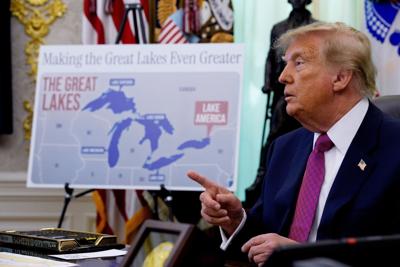
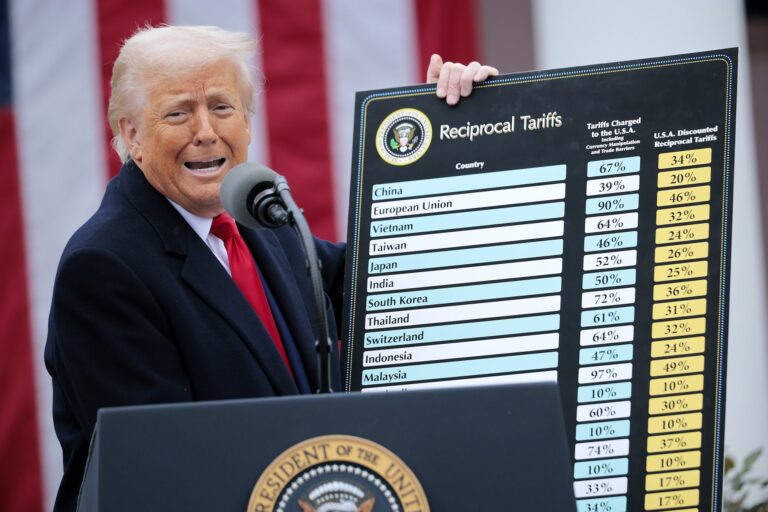
The political context reveals limited near-term resolution. While 65% of Americans disapprove of Trump's tariff policies broadly, Canada's retaliatory tariffs have failed to generate sufficient domestic US pressure to force negotiations—American consumers have continued normal purchasing patterns despite tariff implementations. Prime Minister Mark Carney has signaled Canada's readiness for negotiations, but Trump has issued mixed signals about deal timelines, suggesting this disruption could persist through Q4 2026 and into 2027. Port authorities are developing diversification strategies, including new infrastructure projects in Sault Ste. Marie, but these represent 12-18 month timelines, not immediate relief. The window for sellers to restructure sourcing and logistics is immediate (0-30 days), before alternative supply chains become saturated and premium pricing locks in permanently.
Questions 8
What inventory strategy should I adopt given 2-4 week delivery delays on Great Lakes routes?
Increase safety stock by 15-25% for products dependent on Great Lakes-sourced materials, but only for high-velocity SKUs where carrying costs are justified by stockout risk. For slower-moving inventory, shift to just-in-time sourcing from alternative suppliers (even at 5-8% premium) rather than holding excess stock. Calculate your break-even: if carrying costs exceed 3% monthly, alternative sourcing becomes cheaper than safety stock. Monitor Duluth-Superior port traffic weekly—if vessel arrivals stabilize above 80% of 2025 levels, you can reduce safety stock; if they fall below 60%, accelerate sourcing diversification.
Are there tariff classification strategies to reduce duty exposure on my products?
Yes. Canadian exporters are actively leveraging trade agreements and tariff classification strategies to maintain competitive pricing. Review your HS codes with a customs broker—many products have multiple valid classifications with different tariff rates. For example, certain steel products classified as 'semi-finished' face lower rates than 'finished goods.' Additionally, products manufactured in Mexico under USMCA qualify for preferential rates (0-5%) versus US-sourced equivalents (15-25%). This requires documentation and supply chain restructuring, but can recover 8-12% in margin compression. Implement this within 30 days before tariff classifications tighten.