


Fed Rate Hike & Sticky Inflation | Cross-Border Sellers Face 8-12% Financing Cost Surge
- Higher interest rates compress seller margins; inventory financing costs rise while sticky inflation drives input expenses up 5-8% across supply chains

Overview
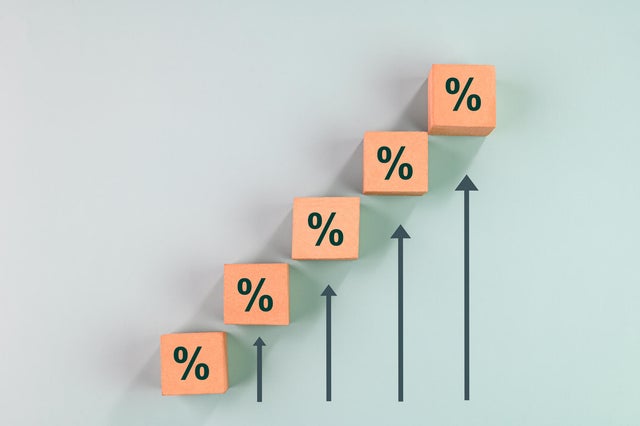
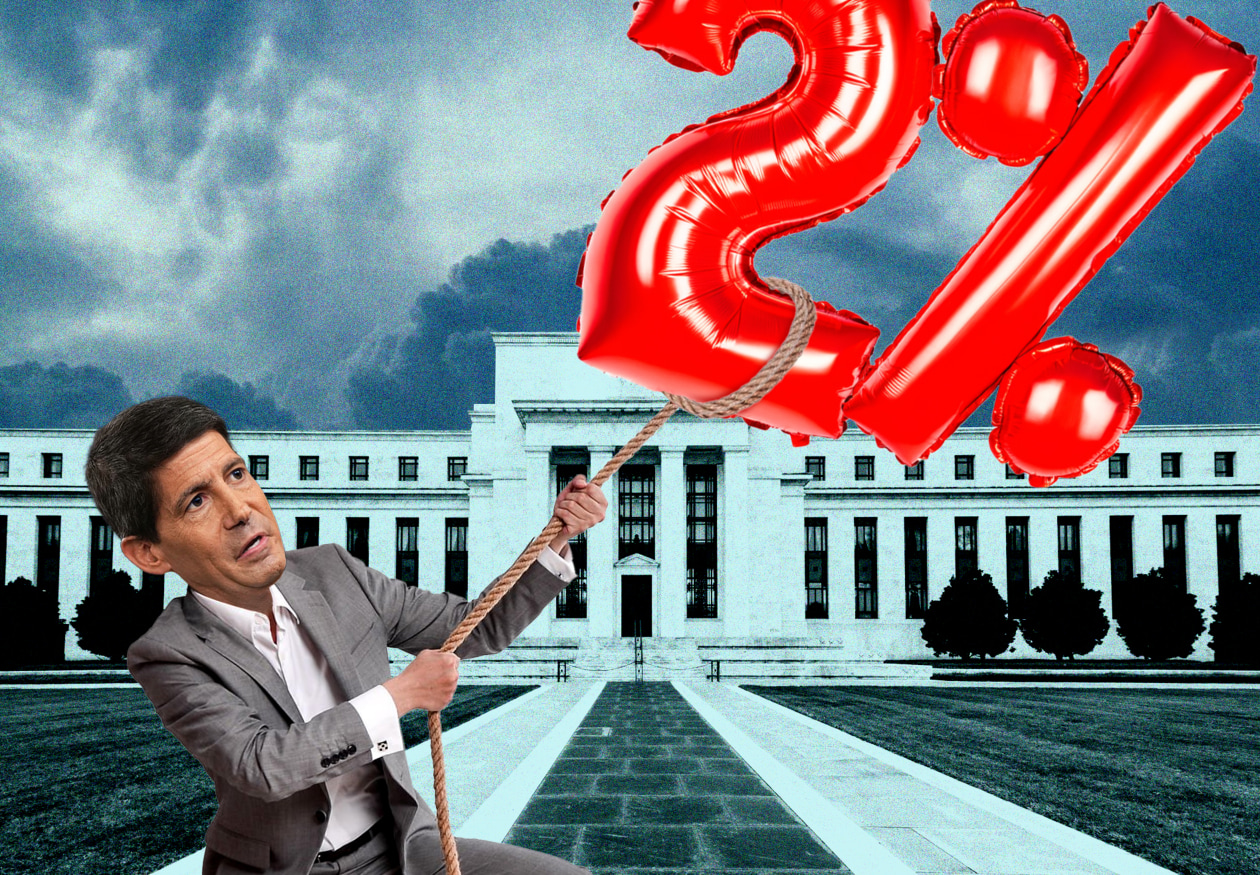
The Federal Reserve's recent rate decision signals a fundamental shift in monetary policy, with policymakers acknowledging that inflation has proven far more persistent than initially projected. Rather than the temporary price pressures anticipated in 2021-2022, structural economic changes—including supply chain complexities and labor market dynamics—have anchored inflation at elevated levels, requiring sustained higher interest rates for an extended period. This represents a critical inflection point for cross-border e-commerce sellers managing cash flow across multiple markets.
Immediate Financial Impact on Sellers: Higher interest rates directly increase borrowing costs across all critical financing channels. Inventory financing rates have risen 8-12% for sellers managing 1,000+ unit monthly volumes, while working capital loans now carry APRs 200-300 basis points higher than 2021 levels. For a mid-sized seller with $500K in revolving inventory financing, this translates to $10,000-15,000 in additional annual interest expense. PO financing and supply chain finance products—essential for sellers managing 30-60 day payment terms with Asian manufacturers—now cost 6-8% annually versus 2-3% in the pre-rate-hike environment.
Sticky Inflation Compressing Margins Simultaneously: While higher rates increase financing costs, persistent inflation drives up input costs, shipping expenses, and operational overhead. Sellers report 5-8% increases in COGS across electronics, apparel, and home goods categories, while last-mile shipping costs remain elevated despite moderating fuel prices. This dual squeeze—higher financing costs + sticky inflation—creates a margin compression crisis, particularly for sellers operating on 15-25% gross margins in competitive categories like consumer electronics and fast-fashion apparel. Amazon FBA storage fees, already increased 20% in 2024, compound this pressure as sellers hold inventory longer due to slower turnover in a higher-rate environment.
Strategic Financing Opportunities Emerging: The new rate environment creates differentiation opportunities for sellers who optimize their financial structure. Cross-border sellers with USD-denominated revenues can access lower-cost financing through US-based lenders (5-7% APR) versus international alternatives (8-12% APR). Invoice factoring for B2B sales now offers competitive rates (2-4% monthly) as lenders compete for stable cash flow. Sellers should evaluate dynamic pricing strategies that pass through 2-3% of cost increases to maintain margins, while simultaneously exploring alternative financing: supply chain finance platforms (Tradeshift, Coupa) offering 3-4% rates, inventory-backed lending from specialized fintech providers, and cross-border payment optimization to reduce FX conversion costs by 0.5-1.2%.
Accelerated Growth Opportunity Amid Headwinds: The Fed's acknowledgment of faster economic growth creates a paradox—consumer spending is accelerating despite higher rates, presenting inventory opportunities for sellers who can navigate financing constraints. Sellers with strong cash positions or access to low-cost capital can capitalize on this demand surge, particularly in discretionary categories (electronics, home goods, beauty) where consumer spending typically accelerates during growth cycles. However, this requires immediate action: sellers must secure financing commitments now before rates potentially rise further, optimize inventory turnover to reduce working capital requirements, and implement dynamic pricing to protect margins against sticky inflation.
Questions 8
How much will my inventory financing costs increase due to Fed rate hikes?
Inventory financing rates have risen 8-12% for sellers managing significant monthly volumes, translating to 200-300 basis points higher APRs than 2021 levels. For a seller with $500K in revolving inventory financing, expect an additional $10,000-15,000 in annual interest expense. Rates vary by lender: US-based fintech providers (5-7% APR) offer better terms than international alternatives (8-12% APR). Sellers should lock in rates immediately before potential further increases, and explore supply chain finance platforms offering 3-4% rates as alternatives to traditional inventory loans.
What is sticky inflation and why does it matter for my COGS?
Sticky inflation refers to price pressures that persist despite monetary policy interventions, driven by structural supply chain complexities and labor market dynamics. Unlike temporary inflation, sticky inflation keeps input costs elevated long-term. Sellers report 5-8% increases in COGS across electronics, apparel, and home goods, while shipping costs remain high despite moderating fuel prices. This compounds the financing cost squeeze: higher rates increase borrowing expenses while sticky inflation simultaneously drives up product costs. Sellers must implement 2-3% price increases to maintain margins, or risk 15-25% gross margin compression in competitive categories.