


US EV Tariff Policy Shift | Chinese Auto Imports Threaten $2.1T Market
- Hyundai CEO signals imminent tariff/quota barriers; sellers face 15-25% cost restructuring on EV parts, batteries, and automotive accessories within 6-12 months








Overview
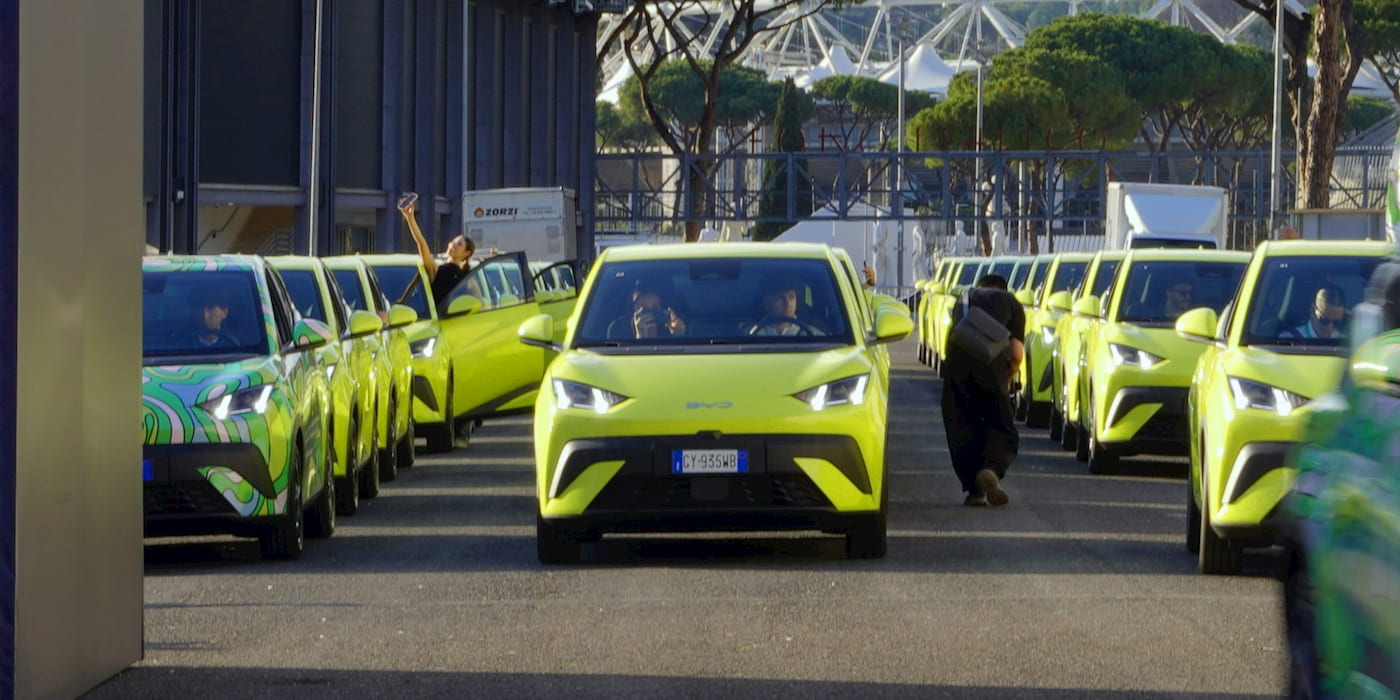
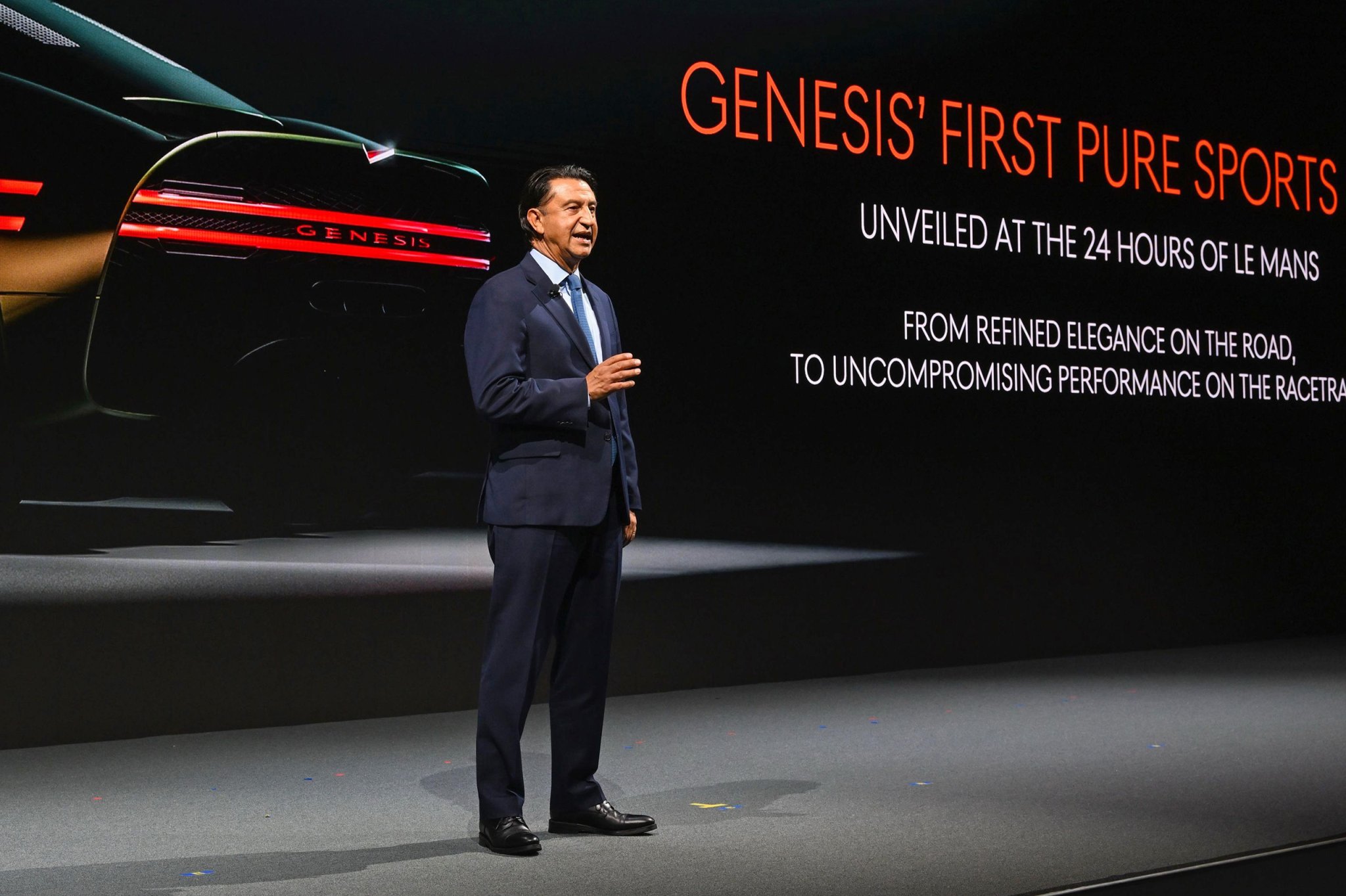
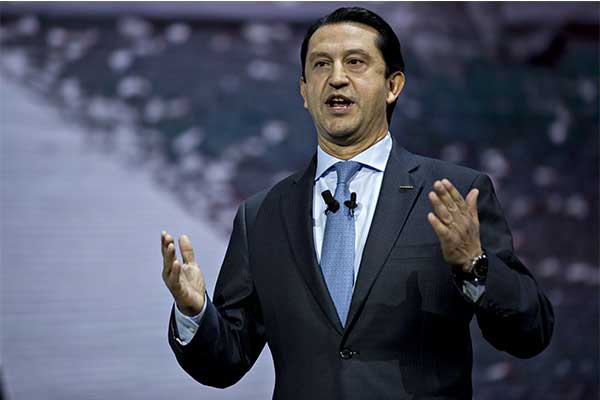
Hyundai Motor's CEO warning about unchecked Chinese vehicle imports into the US market signals an imminent policy shift that will reshape the $2.1 trillion global automotive e-commerce ecosystem. The statement reflects active industry lobbying for tariff increases, import quotas, and stricter emissions standards specifically targeting Chinese EV manufacturers like BYD—currently the world's largest EV producer. This policy window is critical for cross-border sellers because it precedes formal tariff announcements that typically trigger 30-90 day compliance periods.
The tariff arbitrage opportunity is immediate: Chinese automotive parts, EV batteries, and related components currently face standard tariffs (2.5-5% for most auto parts under HS codes 8704-8708). Industry consensus suggests incoming tariffs could reach 15-25% on Chinese-origin EV batteries and components, mirroring the 2024 Biden administration's 100% tariff on Chinese EV batteries. For sellers sourcing from China, this creates a 6-12 month window to either (1) lock in current pricing before tariffs take effect, or (2) pivot sourcing to tariff-advantaged countries like Vietnam, India, or Mexico.
Market access dynamics are shifting dramatically: The CEO's remarks indicate Washington is actively considering protective measures that would benefit non-Chinese suppliers. Sellers with inventory sourced from Vietnam (which has growing EV battery manufacturing via partnerships with Chinese firms) or Mexico (which benefits from USMCA preferential tariffs) will gain competitive advantages. Amazon, eBay, and Shopify sellers in the automotive accessories category (estimated $8.2B cross-border market) should expect pricing pressure as traditional OEM suppliers lobby for protection.
Competitive segmentation is clear: Large sellers with established US manufacturing or Mexico-based supply chains (like Hyundai itself) will benefit from tariff protection. Mid-market sellers sourcing from China face margin compression of 12-18% if tariffs are implemented. Small sellers relying on dropshipping from Chinese suppliers will face the steepest pressure, potentially losing 25-35% of profit margins on EV-related products.
Compliance urgency is high: The CEO's public warning suggests policy announcements could come within 2-4 quarters. Sellers should immediately audit their supply chain by HS code (8704 for vehicles, 8507 for batteries, 8544 for wiring harnesses) and model tariff scenarios at 15%, 20%, and 25% rates. This is not speculative—industry lobbying typically precedes policy by 6-9 months, and the CEO's public statement indicates the lobbying phase is active.
Questions 8
Which countries offer tariff advantages for automotive parts and EV components?
Vietnam and Mexico are the primary tariff-advantaged sourcing alternatives. Vietnam is rapidly developing EV battery manufacturing capacity through partnerships, positioning it as a tariff-neutral alternative to China. Mexico benefits from USMCA preferential tariffs (0% on qualifying auto parts) and has growing EV component manufacturing. India is emerging as a third option for certain battery components. Sellers should evaluate sourcing costs from these countries now—Vietnam and Mexico suppliers may command 5-8% premiums over Chinese suppliers, but this premium could be offset by tariff savings within 12 months. Amazon and eBay sellers in automotive categories should prioritize Mexico-sourced inventory to secure Buy Box advantages as tariffs take effect.
How will tariffs impact Amazon FBA and eBay seller margins in automotive categories?
A 20% tariff on Chinese-sourced EV batteries and components would compress FBA seller margins by 12-18% unless prices increase. For example, a seller with $100 COGS on a Chinese battery pack would face $20 additional tariff costs, requiring price increases from $150 to $170 to maintain 33% margins. Amazon's FBA fees (15-45% depending on category) remain fixed, so tariff costs directly reduce net profit. eBay sellers face similar pressure but have more pricing flexibility. Sellers should immediately audit inventory by HS code and calculate tariff impact scenarios. Those with Mexico-sourced inventory will gain competitive advantages in Buy Box selection and conversion rates as tariffs take effect.