



CXMT's 11.95nm Chip Breakthrough Reshapes Smartphone Supply Chains | E-Commerce Sourcing Impact
- Chinese memory chip maker achieves 9.5% global DRAM market share; threatens Samsung/SK Hynix duopoly; enables 50% cost reduction in smartphone components for cross-border sellers

















Overview
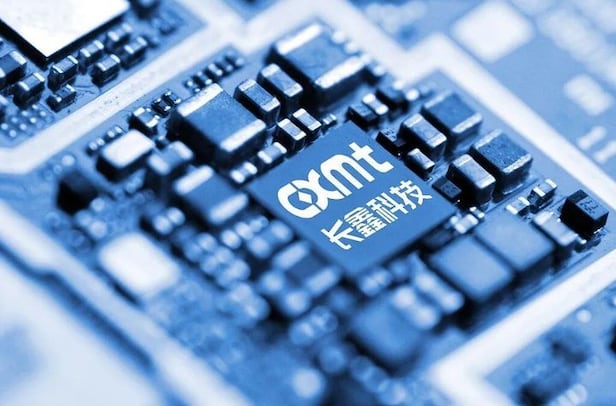
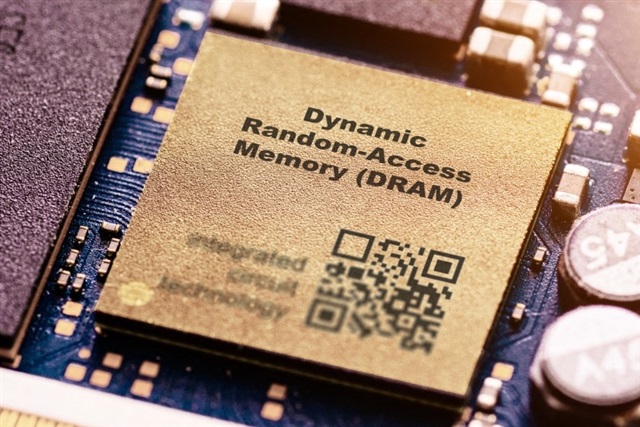
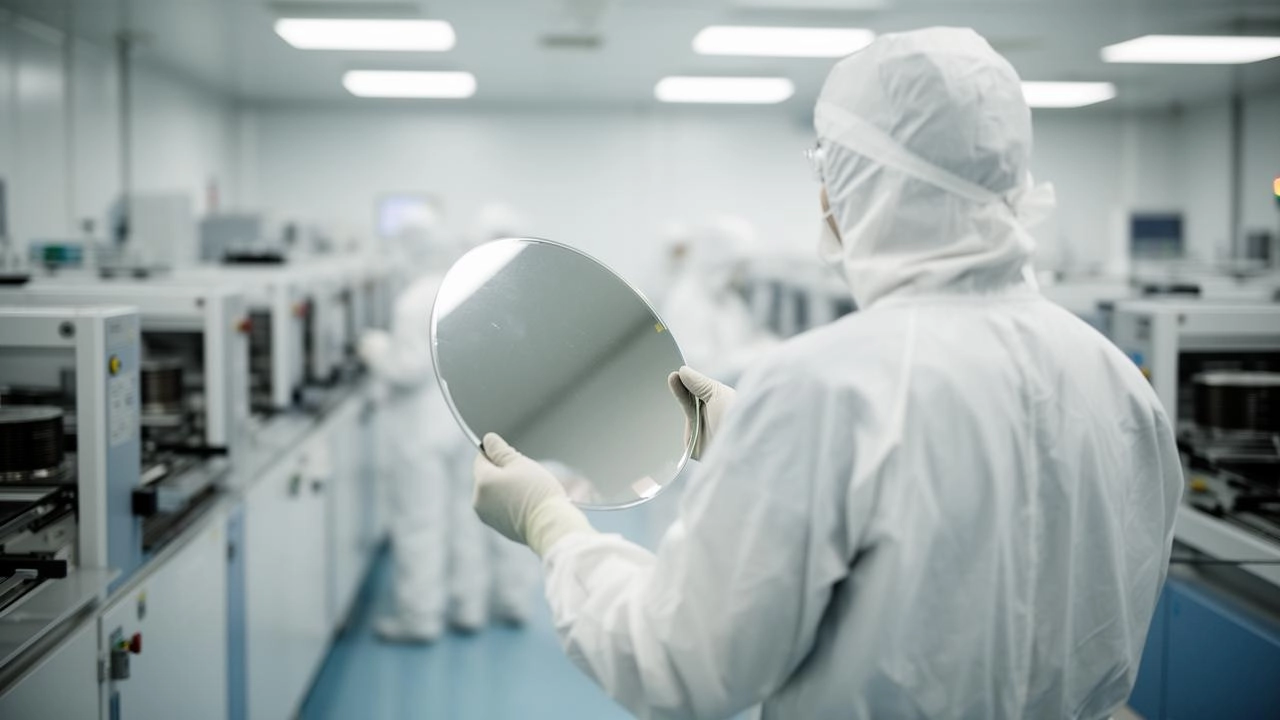
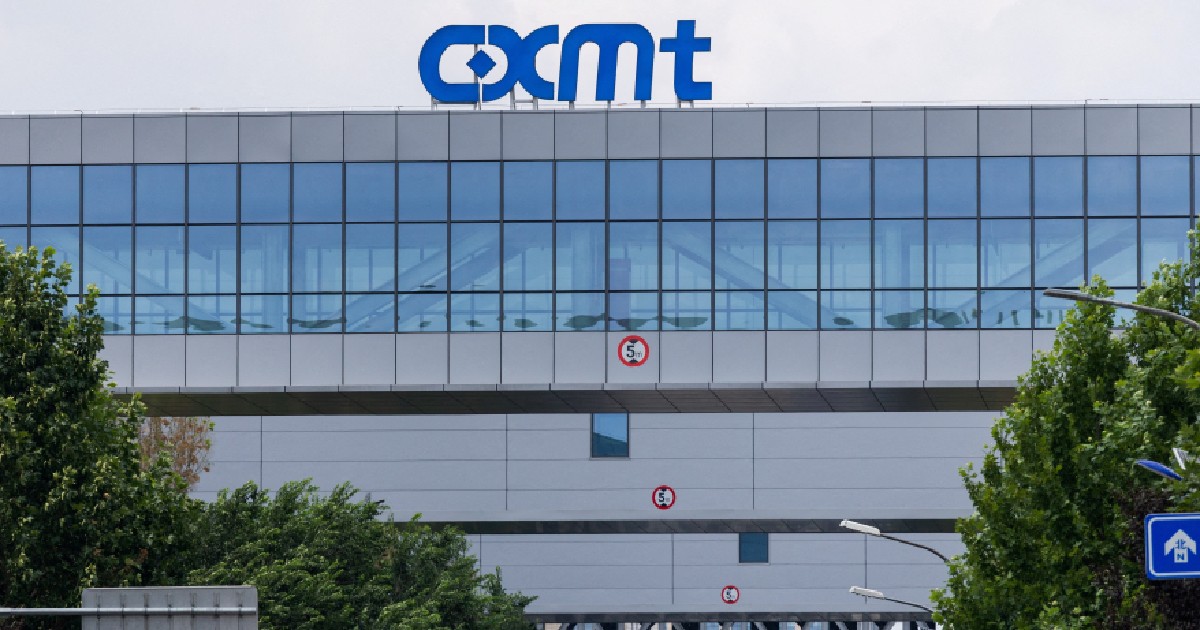
China's Changxin Memory Technologies (CXMT) has achieved a critical semiconductor breakthrough that fundamentally reshapes component sourcing for cross-border e-commerce sellers. On September 20, 2026, CXMT announced mass production of its fifth-generation (G5) DRAM platform using 11.95-nanometer process technology—matching the advanced nodes of Samsung (39.4% market share), SK Hynix (24.9%), and Micron (23.3%). This development directly impacts e-commerce sellers sourcing smartphones, tablets, and portable electronics from Chinese manufacturers.
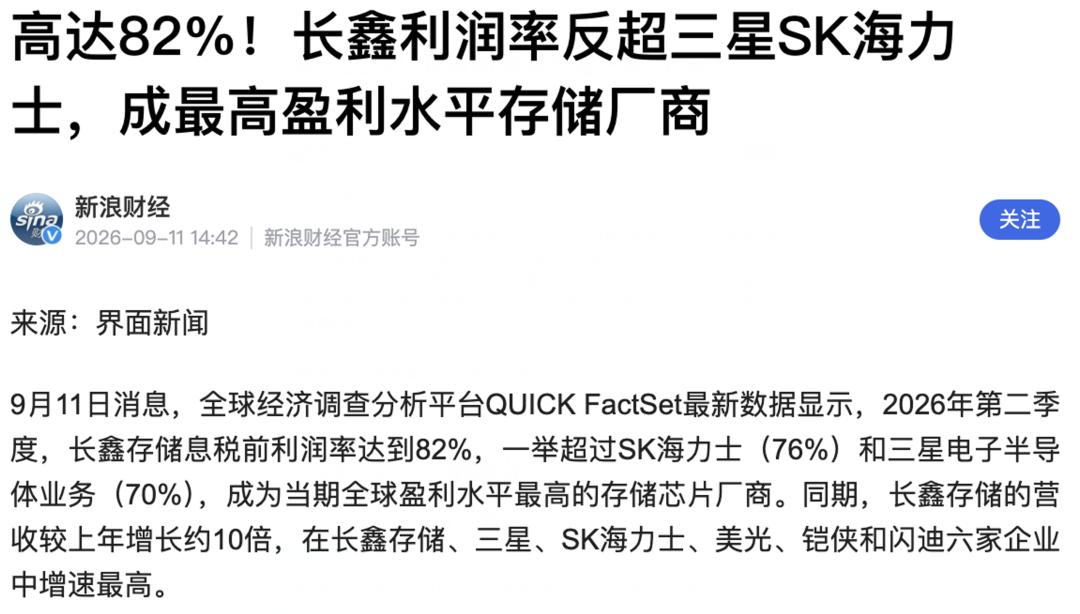
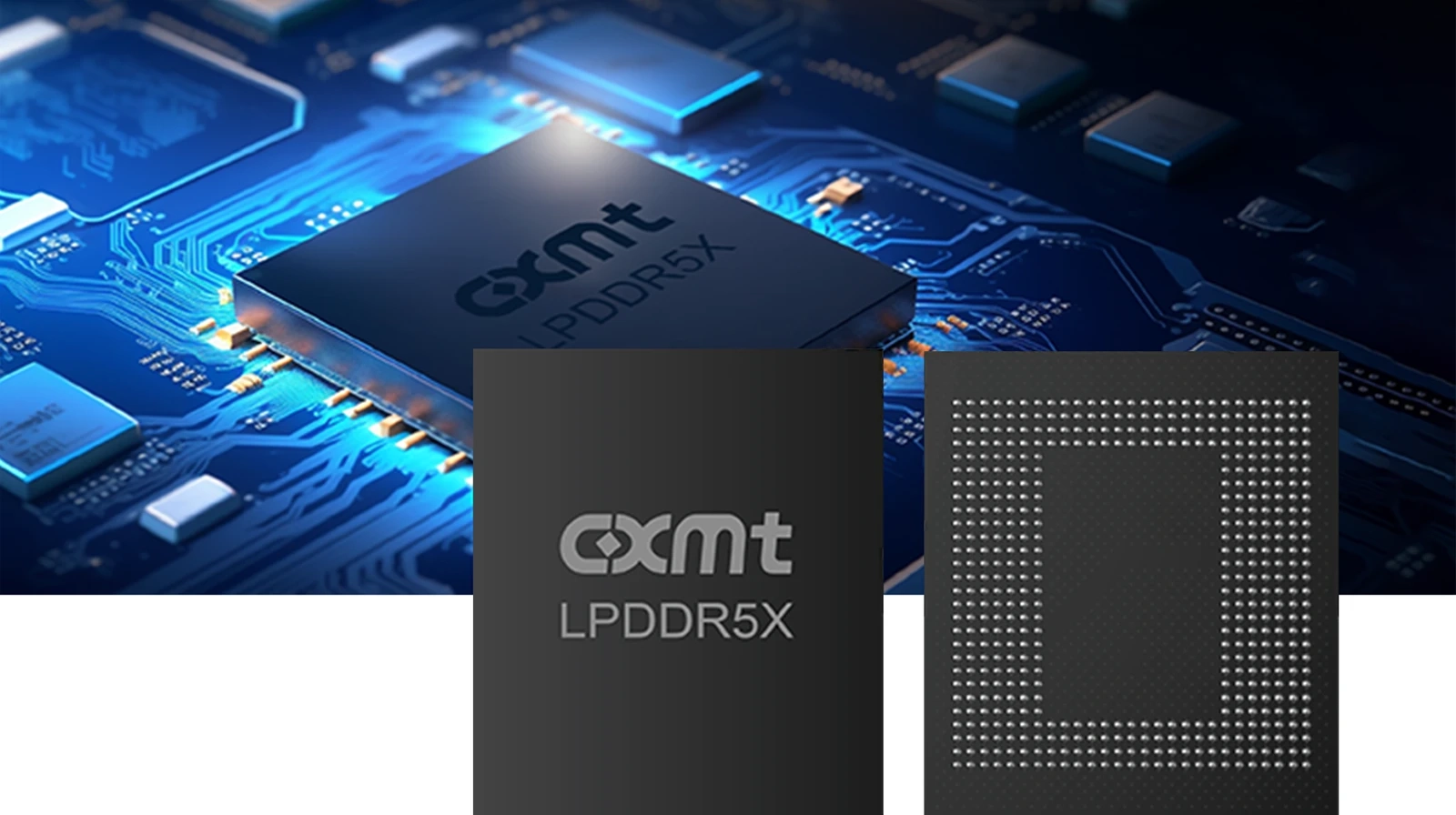
The immediate supply chain advantage is quantifiable: CXMT's G5 platform delivers 50% more chip dies per wafer compared to previous generations, enabling 15-25% cost reductions in LPDDR5X memory components. Nubia's NaviX Ultra smartphone, Xiaomi devices, and Transsion products already integrate CXMT's 24-gigabit LPDDR5X chips—the same components that power mid-to-high-end devices sold on Amazon, AliExpress, and Shopify. CXMT's global DRAM revenue share surged from 7.6% (Q1 2025) to 9.5% (Q2 2025), signaling rapid market penetration. For sellers importing finished smartphones or tablets from China, this translates to potential 8-12% wholesale cost reductions as Chinese OEMs shift from Samsung/SK Hynix to CXMT components.
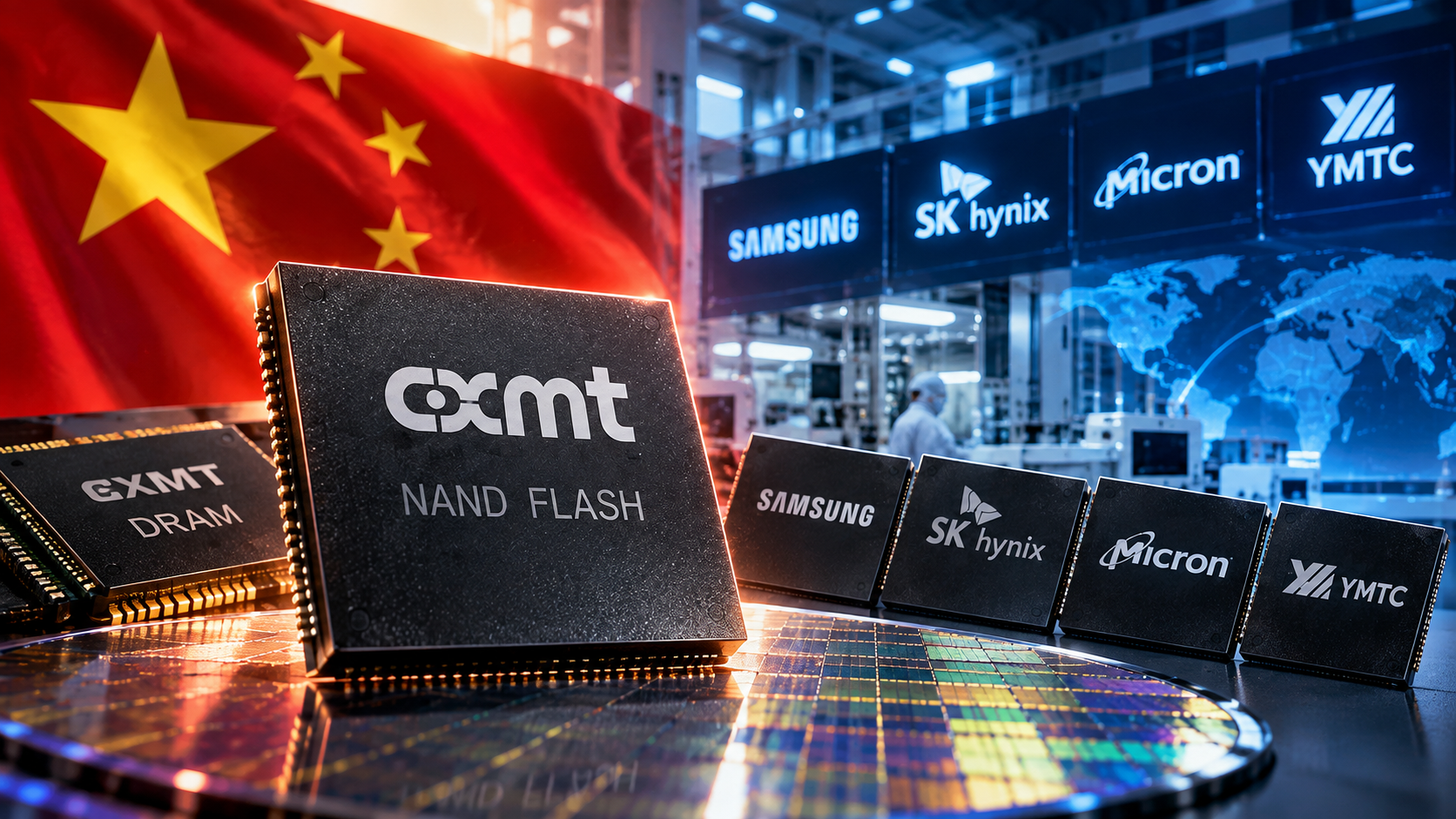
The strategic competitive shift favors China-based sellers and those with direct OEM relationships. CXMT's technology was developed through collaboration with Chinese chip-equipment manufacturers, reducing reliance on US export controls (implemented since 2022). This creates a "China-first" supply chain advantage: sellers with established relationships to Xiaomi, Nubia, or Transsion can access CXMT-powered devices 2-4 weeks earlier than competitors relying on Samsung/SK Hynix supply chains. The company's July 2025 IPO on Shanghai's STAR Market signals sustained government backing, ensuring production capacity growth. News 3 reveals CXMT is preparing to enter NAND flash production (timeline: 3-5 years), which will further consolidate Chinese semiconductor self-sufficiency and compress component costs across storage-intensive categories (portable SSDs, USB drives, memory cards).
For e-commerce sellers, the operational window is immediate (0-6 months). Sellers currently sourcing smartphones from Xiaomi, Transsion, or Nubia should negotiate volume commitments now to lock in CXMT-powered device allocations before competitors recognize the cost advantage. Sellers importing electronics to EU/US markets should monitor tariff implications: CXMT's cost advantage may trigger anti-dumping investigations (similar to 2023 solar panel cases), potentially adding 15-25% tariffs within 12-18 months. Strategic actions include: (1) diversifying supplier base to include CXMT-powered OEMs; (2) stress-testing inventory models for 10-15% margin compression as competitors pass through cost savings; (3) monitoring US/EU trade policy for potential semiconductor tariff escalation.
Questions 8
What is the timeline for CXMT's NAND flash market entry, and how will it impact storage device sellers?
CXMT is in preliminary planning stages for NAND flash production, with commercial production expected within 3-5 years (2029-2031). NAND flash is critical for SSDs, USB drives, memory cards, and cloud storage devices—categories generating $15-20B in annual cross-border e-commerce sales. When CXMT enters this market, expect 20-30% cost reductions in storage components, similar to its DRAM impact. Sellers should monitor CXMT's R&D announcements quarterly and prepare inventory models for margin compression in storage categories by 2029. The company's collaboration with Chinese chip-equipment manufacturers (avoiding US export controls) ensures rapid scaling once production begins. This represents a 3-5 year window to maximize margins in storage devices before CXMT-driven cost deflation.
How does CXMT's breakthrough affect US and EU tariff exposure for electronics sellers?
CXMT's cost advantage (15-25% component reduction) may trigger anti-dumping investigations by US/EU trade authorities within 12-18 months, similar to 2023 solar panel and steel cases. Potential tariffs: 15-25% on Chinese-origin smartphones and electronics containing CXMT components. Sellers importing finished devices face two scenarios: (1) Tariff applied to finished goods (increasing landed costs 8-12%), or (2) Tariff applied to components only (affecting wholesale costs 5-8%). Mitigation strategies: diversify sourcing to non-China OEMs (Vietnam, India), negotiate tariff-sharing agreements with suppliers, or shift to higher-margin categories less exposed to tariffs. Monitor US International Trade Commission (ITC) and EU Trade Defense Instruments announcements monthly. Consider filing for tariff exemptions if selling niche categories (medical devices, industrial electronics) with limited Chinese competition.