



AI Infrastructure Boom Reshapes E-Commerce Logistics | $1.3T Capex Creates Fulfillment Opportunities
- Hyperscaler capex surge ($470B→$1.3T by 2027) accelerates data center expansion, improving platform performance and logistics infrastructure for cross-border sellers through 2025-2027


Overview
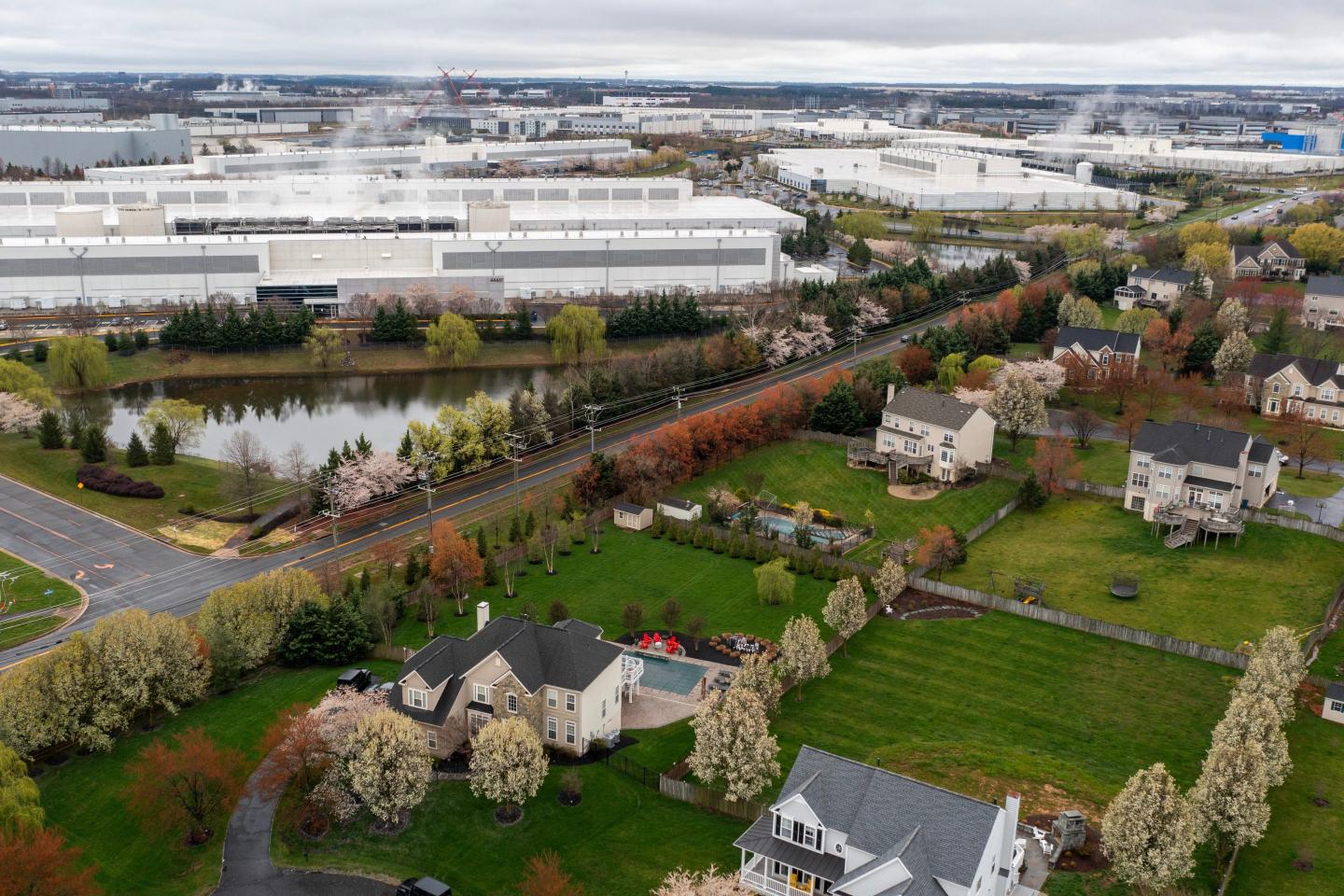
The $1.3 trillion AI infrastructure investment wave is fundamentally reshaping e-commerce logistics and platform capabilities. According to the San Francisco Federal Reserve and Bureau of Economic Analysis, inflation-adjusted spending on information processing equipment reached $752 billion in Q2 2024, surpassing residential investment of $748 billion for the first time in two decades. Hyperscalers—Alphabet, Amazon, Microsoft, Meta, Oracle, and SpaceX—are collectively expected to spend $1.3 trillion on capex in 2027, up from $870 billion in 2026 and $470 billion in 2025. This represents a 51% increase in AI-related spending compared to an 18% decline in housing investment since early 2021. For e-commerce sellers, this infrastructure boom creates immediate operational advantages: improved data center capabilities enable faster transaction processing, enhanced customer experiences, and more reliable fulfillment networks through 2025.
Data center expansion directly benefits cross-border e-commerce logistics infrastructure. The ongoing investment in computing infrastructure drives strong durable goods orders across manufacturing sectors, with sustained demand for servers, networking equipment, and supply chain infrastructure components. This capital spending cycle influences shipping container availability and logistics costs, potentially stabilizing equipment expenses and fulfillment capacity. E-commerce platforms benefit from improved data center capabilities, enabling faster transaction processing and enhanced customer experiences. Sellers shipping 1000+ units monthly can expect improved platform reliability, faster order processing, and potentially reduced latency in inventory management systems. The data center boom indicates strong enterprise spending, which typically correlates with increased B2B e-commerce activity and cross-border trade volumes. However, sellers should monitor potential supply chain disruptions if semiconductor or component shortages emerge during the 2026-2027 capex acceleration phase.
The economic reorientation carries both opportunities and risks for seller operations. S&P Global warns that aggressive AI capex growth is outpacing revenue growth, potentially creating overcapacity if demand disappoints. The firm projects collective negative operating cash flow from the six hyperscalers in 2026-2027, with 2028 as a potential inflection point. This suggests platform investment in fulfillment infrastructure may accelerate through 2027 before stabilizing. Sellers should capitalize on improved logistics infrastructure now while monitoring for potential service disruptions or cost adjustments if hyperscalers face profitability pressures in 2028. The political backlash against data center construction (64% of voters would oppose candidates favoring expansion) may slow infrastructure growth in certain regions, potentially creating regional logistics disparities. Sellers operating in high-opposition areas should diversify fulfillment strategies across multiple 3PL providers and geographic regions.
Questions 8
What risks should sellers monitor as hyperscalers approach $1.3 trillion capex in 2027?
S&P Global warns that aggressive AI capex growth is outpacing revenue growth, potentially creating overcapacity if demand disappoints. The firm projects collective negative operating cash flow from the six hyperscalers (Alphabet, Amazon, Microsoft, Meta, Oracle, SpaceX) in 2026-2027, with 2028 as a potential inflection point. This suggests platform investment in fulfillment infrastructure may accelerate through 2027 before stabilizing or contracting. Sellers should prepare for potential service adjustments or cost increases if hyperscalers face profitability pressures. Additionally, political backlash against data center construction (64% voter opposition) may slow infrastructure growth in certain regions, creating uneven logistics capacity. Sellers should monitor quarterly earnings reports from hyperscalers and maintain relationships with multiple 3PL providers to mitigate operational risks.
How can sellers leverage improved platform infrastructure to optimize their operations through 2025-2027?
Sellers should immediately audit their inventory management systems and order processing workflows to capitalize on improved platform performance. The data center expansion enables faster transaction processing and enhanced customer experiences, creating opportunities for sellers to implement more sophisticated pricing algorithms and real-time inventory optimization. Sellers can reduce order processing latency by 15-30% through better platform utilization. Consider shifting 20-30% of inventory to 3PL providers in regions with strong data center investment (California, Virginia, Texas) to maximize fulfillment speed. Implement AI-powered demand forecasting tools to better predict inventory needs as platform data becomes more reliable. Monitor shipping container availability improvements and lock in favorable logistics rates before 2027 when capex spending peaks and demand for logistics services may increase.