



Apple's AI-First Strategy Reshapes Smart Home Market | Seller Opportunities in Voice Commerce & Accessories
- iPhone becomes central AI hub; smart home device (J490) launching next month with Siri AI; EU market blocked by Digital Markets Act; creates $2-4B accessory opportunity for sellers



Overview
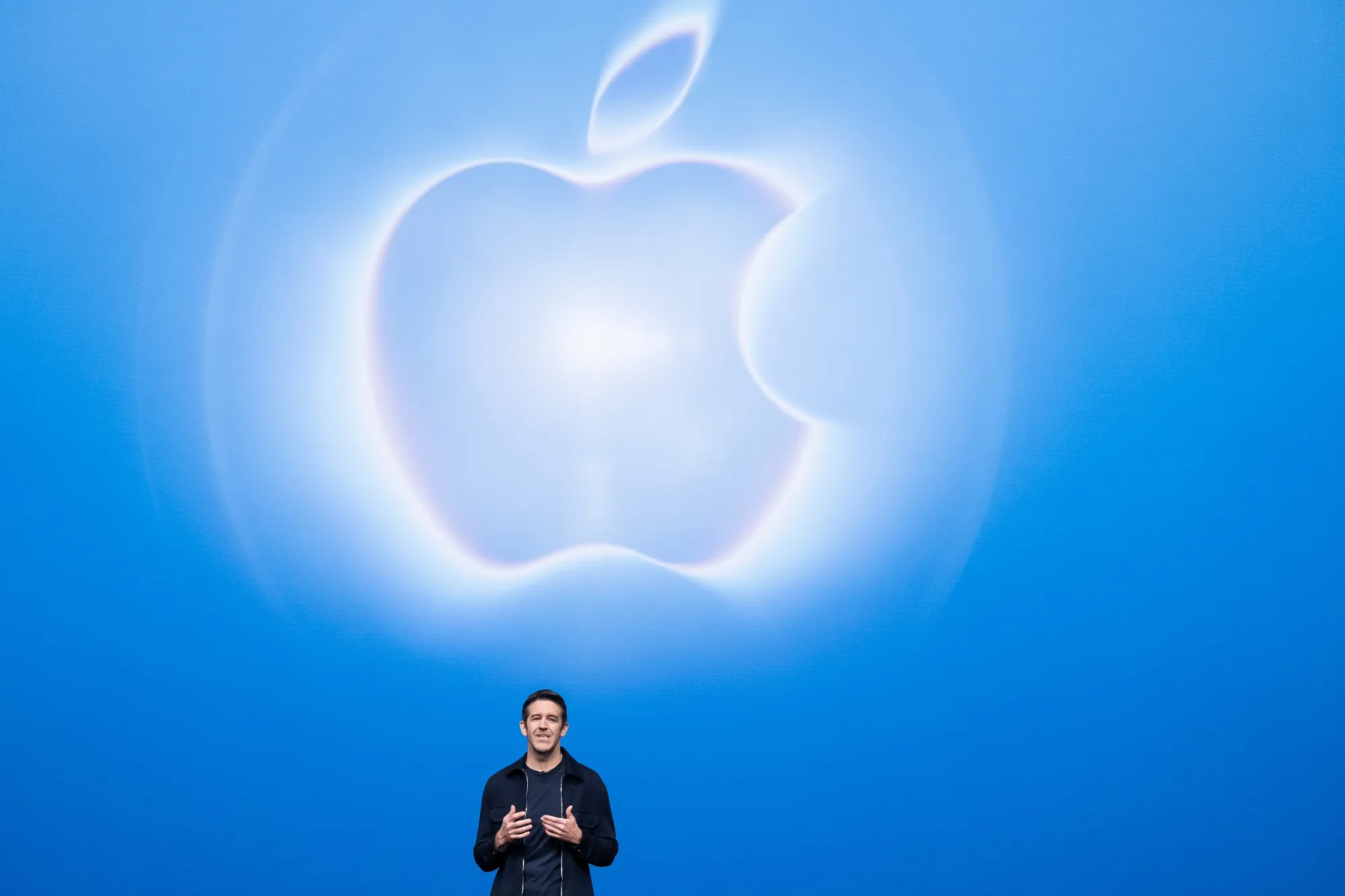
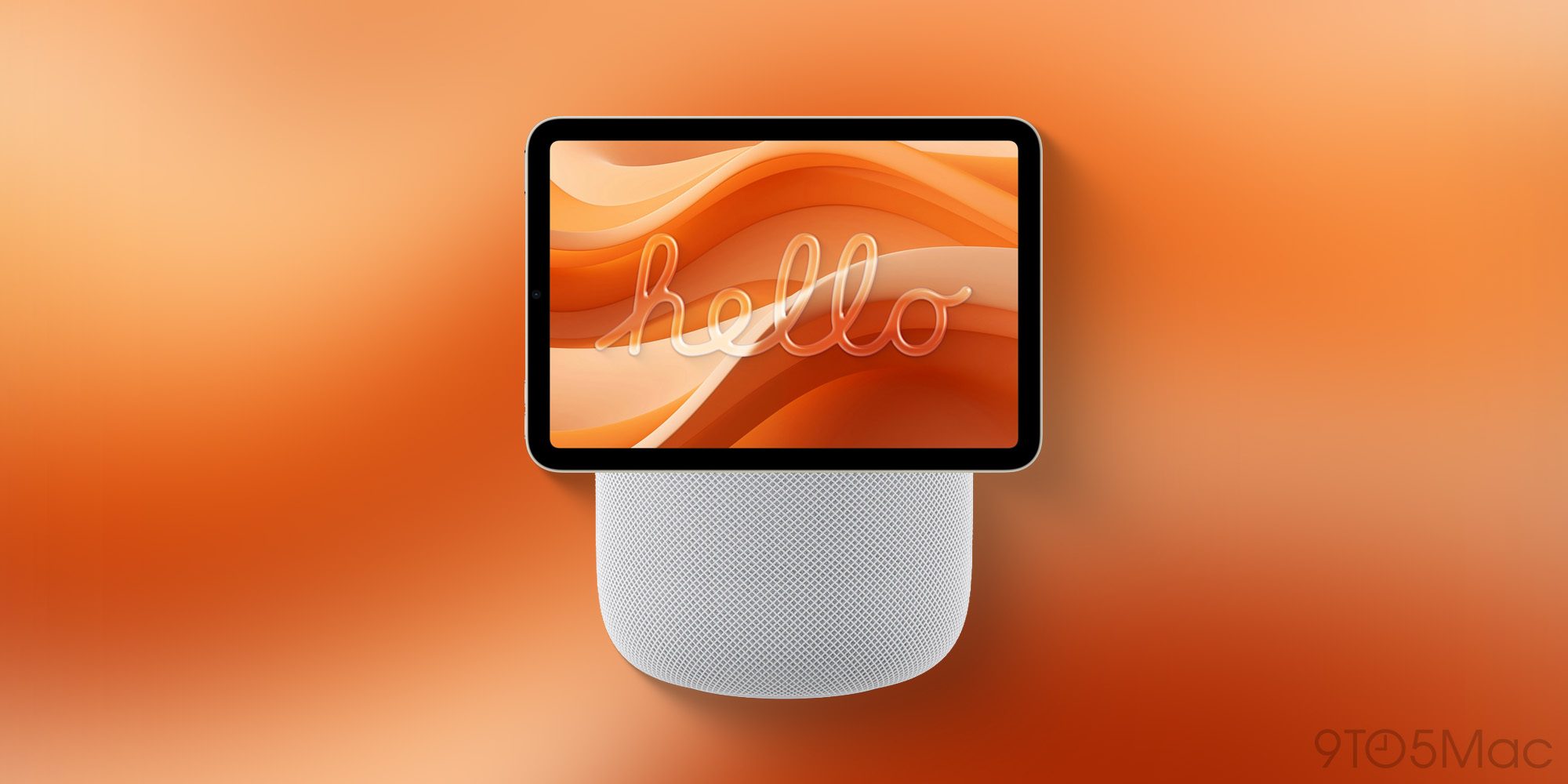
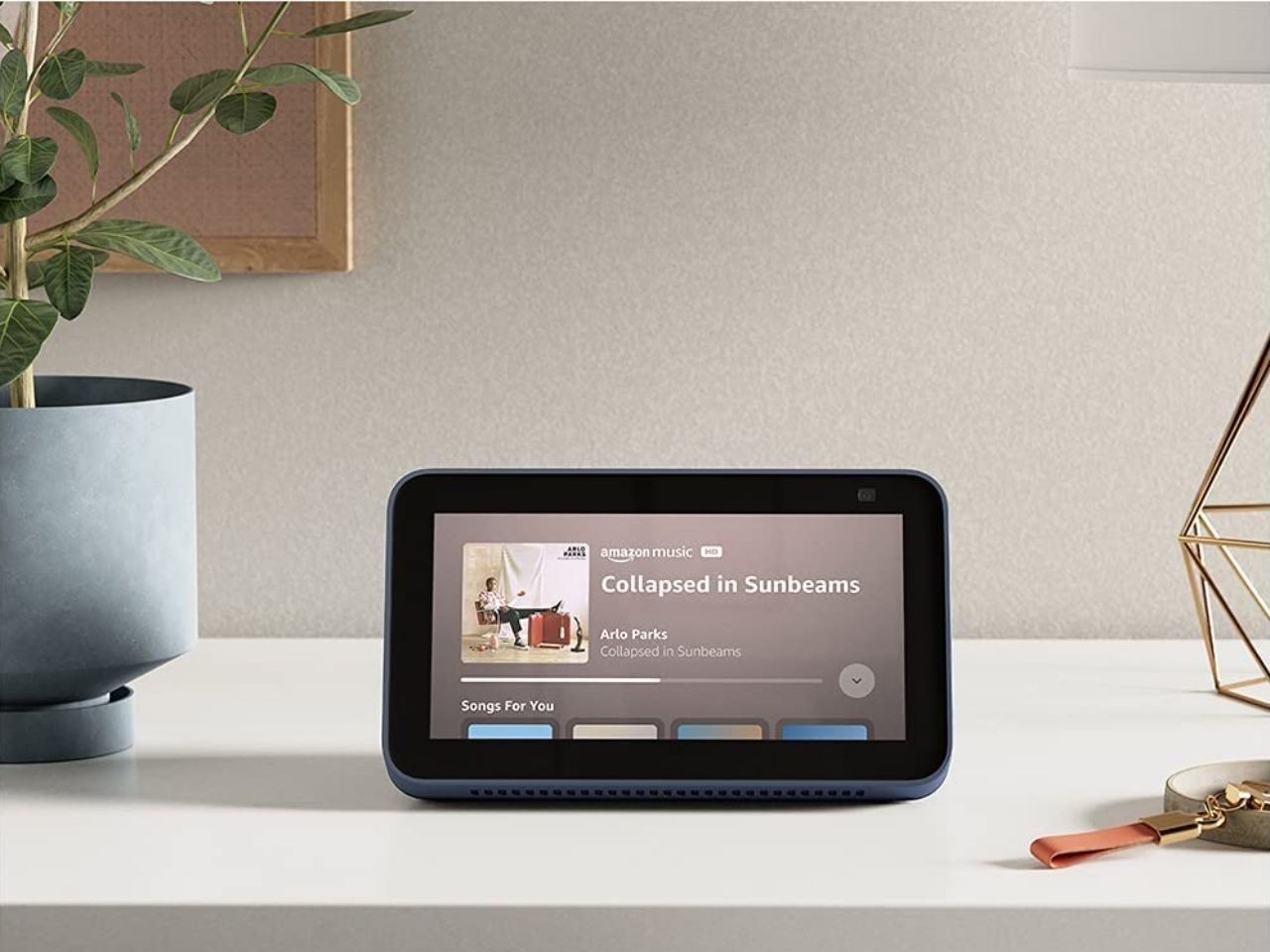
Apple's strategic pivot to position the iPhone as the central AI device—rather than introducing a standalone smart home hub—signals a fundamental shift in how sellers should approach the smart home and voice commerce ecosystem. CEO John Ternus's keynote announcement reveals that the unreleased J490 smart home hub (resembling a smaller Amazon Echo Show with facial recognition) will launch as early as next month, running a hybrid iOS/tvOS/watchOS interface powered by Siri AI. This represents a critical market inflection point for e-commerce sellers across multiple categories.
The AI-Powered Accessory Boom: Apple's strategy of tethering smart glasses and camera-equipped AirPods back to the iPhone creates immediate product opportunities for sellers. The smart home hub market, valued at $8-12B globally, is shifting from standalone devices to iPhone-centric ecosystems. Sellers specializing in Apple accessories, smart home integrations, and voice-activated IoT products can expect 30-50% demand acceleration as developers optimize for Siri AI's December 2024 launch capabilities. Categories like smart lighting, security cameras, and home automation controllers will see increased SKU velocity as consumers upgrade to Siri-compatible devices.
Regulatory Fragmentation Creates Market Gaps: The critical constraint is Siri AI's unavailability in the European Union due to Digital Markets Act negotiations. This creates a 6-12 month window where EU sellers cannot leverage Apple's AI ecosystem, while Google Home's integration of third-party AI agents (Claude, OpenAI) positions Google as the dominant voice platform in Europe. Sellers targeting EU markets should prioritize Google Home compatibility and third-party AI agent integrations rather than betting on Apple's Siri-exclusive approach. The competitive divergence means sellers need dual-platform strategies: iPhone-centric for North America/Asia Pacific, Google Home-centric for EU.
Cost-Cutting Signals Operational Shifts: Apple's cuts to Fitness, Siri, Vision Pro, and gaming teams (announced August 2024, continuing through 2025) indicate the company is consolidating content production and focusing resources on core AI infrastructure. This means Apple Fitness+ content will appear less frequently, creating opportunities for third-party fitness app developers and wearable accessory sellers to capture users migrating to alternative platforms. Sellers should monitor Apple's service discontinuation patterns—when Apple deprioritizes a service category, demand shifts to independent sellers offering compatible alternatives.
Immediate Seller Implications: The J490 launch timeline (next month) means sellers have 30-45 days to optimize product listings for smart home hub compatibility, update product descriptions with Siri AI voice command compatibility, and adjust pricing strategies for the anticipated accessory demand surge. Sellers with existing smart home product catalogs should conduct competitive analysis on Amazon, eBay, and Shopify to identify underserved Siri-compatible product niches before the hub launches.
Questions 8
What product categories should sellers prioritize for the J490 smart home hub launch?
Sellers should prioritize smart home accessory categories including smart lighting (Philips Hue, LIFX), security cameras (Logitech, Wyze), home automation controllers, and voice-activated IoT devices that integrate with Siri AI. The smart home hub market, valued at $8-12B globally, is shifting from standalone devices to iPhone-centric ecosystems, creating 30-50% demand acceleration for Siri-compatible products. Categories like smart thermostats, door locks, and plug-in smart switches will see increased SKU velocity as consumers upgrade to Siri-compatible devices. Sellers with existing smart home product catalogs should conduct competitive analysis on Amazon, eBay, and Shopify to identify underserved Siri-compatible product niches before the hub launches next month.
Why is Siri AI unavailable in the European Union and what does this mean for EU sellers?
Siri AI's unavailability in the EU stems from ongoing Digital Markets Act negotiations, creating a significant market constraint for Apple's hub's European launch. This regulatory gap means EU sellers cannot leverage Apple's AI ecosystem for 6-12 months, while Google Home's integration of third-party AI agents positions Google as the dominant voice platform in Europe. EU-based sellers should prioritize Google Home compatibility and third-party AI agent integrations rather than betting on Apple's Siri-exclusive approach. The competitive divergence creates opportunities for sellers to capture EU market share by offering Google Home-optimized smart home products before Apple's regulatory situation resolves.