


US-China Tech War Escalates | Sellers Face Supply Chain Disruption & Tariff Uncertainty
- Huawei criminal trial (Sept 9-Dec 9) coincides with Xi's Washington visit; sellers sourcing Chinese electronics face 15-25% tariff risk and supply chain volatility through 2025




Overview
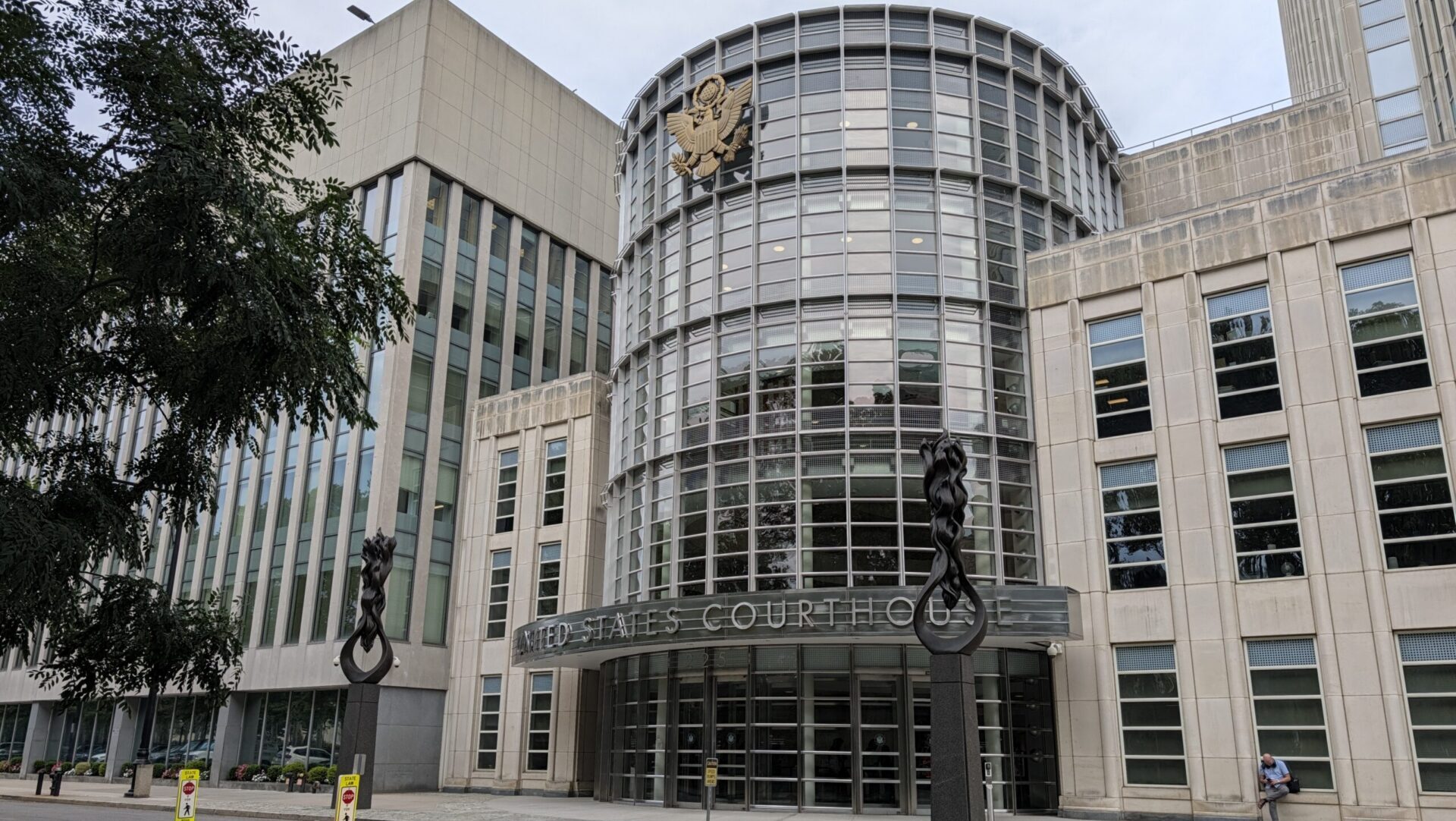
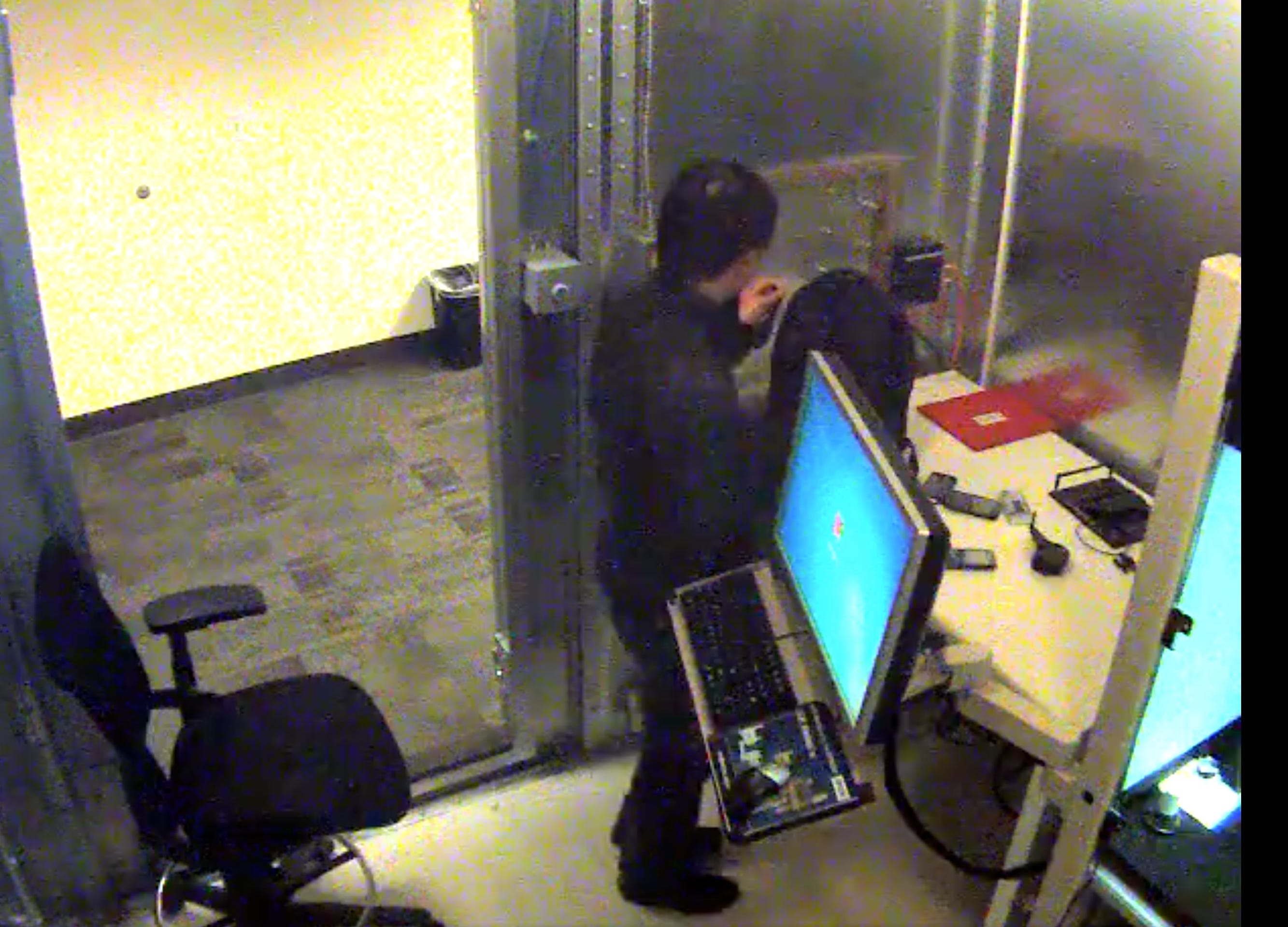
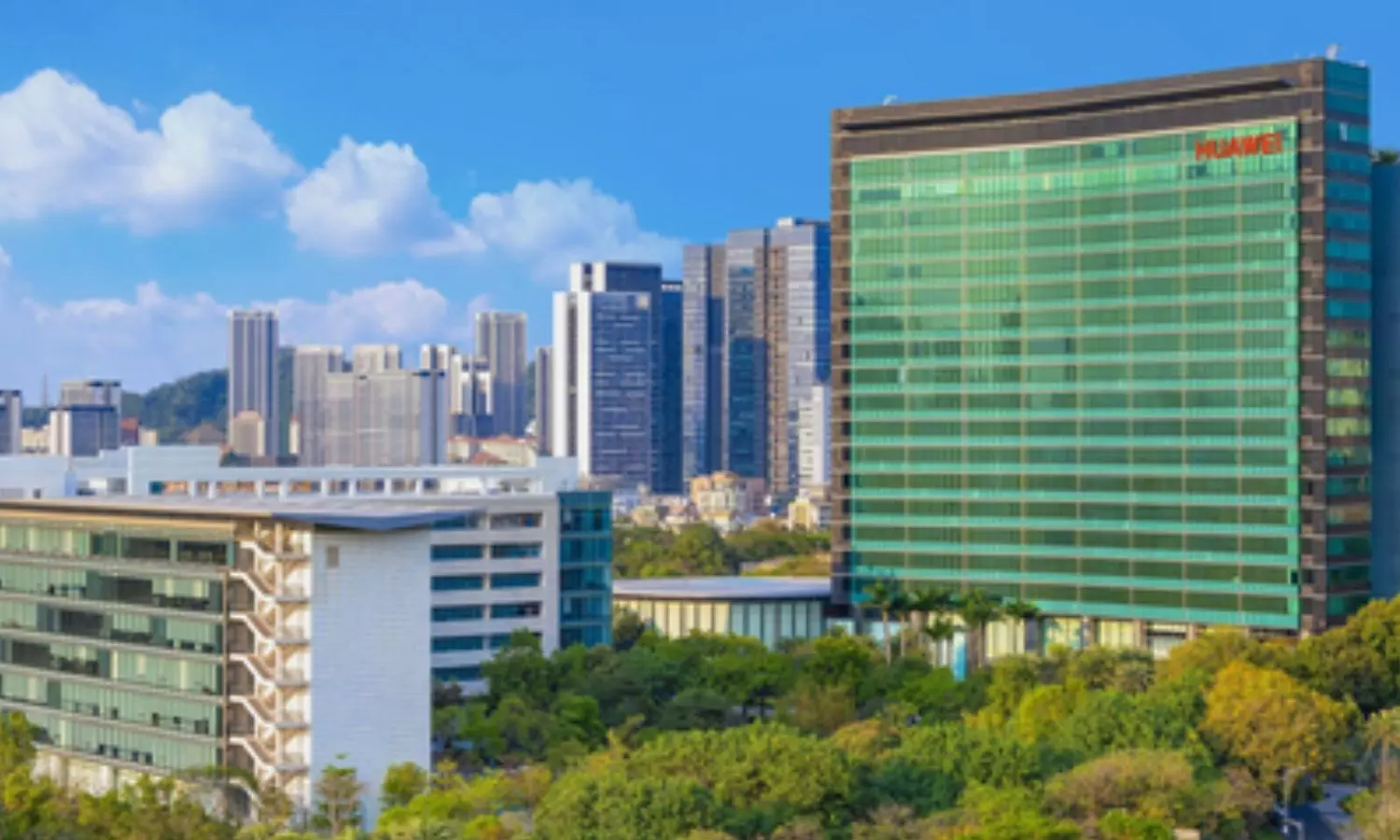
The landmark Huawei criminal trial beginning September 9, 2024, represents a critical escalation in US-China technological competition with direct implications for cross-border e-commerce sellers. US prosecutors allege Huawei operated as a criminal enterprise for two decades, involving racketeering, money laundering, sanctions violations, and theft of trade secrets from Cisco and T-Mobile (1999-2020). The three-month trial coincides strategically with Chinese President Xi Jinping's September 23-25 Washington visit addressing trade, AI, tariffs, and technology access—signaling this prosecution is part of broader geopolitical positioning rather than isolated legal action.
For e-commerce sellers, this trial creates immediate supply chain and tariff uncertainty. The prosecution reflects Washington's hardening stance on Chinese technology companies, with restrictions already expanding from 5G into semiconductors and AI. Sellers sourcing networking equipment, routers, telecommunications components, or any products containing Chinese semiconductor technology face elevated tariff risk. The trial's timing with Xi's visit suggests potential new tariff announcements or technology export restrictions could emerge by late September 2024. Historical precedent: Huawei's 2019 blacklisting triggered immediate 25% tariff increases on Chinese telecom equipment and cascading supply chain disruptions lasting 18+ months.
Competitive dynamics shift dramatically across seller segments. Large sellers with diversified sourcing (Vietnam, India, Taiwan) can absorb tariff increases through supplier switching. Small-to-medium sellers (SMEs) relying on single-source Chinese suppliers face margin compression of 8-15% if tariffs increase. Categories most vulnerable: networking equipment (routers, switches), telecommunications infrastructure, semiconductor-adjacent products, and consumer electronics with Chinese components. Sellers should immediately audit supplier concentration—if >40% of inventory sources from China-based manufacturers, tariff hedging becomes urgent.
The geopolitical window is narrow. Xi's September visit will likely produce trade announcements affecting tariff schedules. Sellers have 2-4 weeks to execute sourcing diversification before potential policy shifts. Vietnam and India represent immediate alternative sourcing corridors with lower tariff exposure, though lead times extend 6-8 weeks. Compliance complexity increases: sellers must track HS codes (8517.62 for network routers, 8471.30 for semiconductors) and monitor Commerce Department Entity List updates weekly. The trial verdict (expected December 2024) could trigger additional sanctions or export controls, creating a second disruption window in Q4.
Questions 8
How does the Huawei trial affect tariffs on Chinese electronics I source for Amazon FBA?
The trial creates immediate tariff uncertainty for networking equipment and semiconductor-adjacent products. Huawei's 2019 blacklisting triggered 25% tariff increases on Chinese telecom equipment lasting 18+ months. If the trial verdict (expected December 2024) results in expanded sanctions, sellers sourcing routers (HS 8517.62), switches, or semiconductor components face 15-25% tariff increases within 30-90 days. Audit your supplier base now: if >40% of inventory sources from China, begin diversifying to Vietnam or India immediately to lock in current tariff rates before potential September announcements during Xi's Washington visit.
How does the trial's timing with Xi's visit affect my inventory planning for Q4?
Xi's September 23-25 Washington visit will likely produce trade announcements affecting tariff schedules and technology export controls. Sellers should assume potential tariff increases or new restrictions by late September, creating a second disruption window in Q4. Build 30-45 day inventory buffers for high-risk categories (networking equipment, semiconductors) by September 15 to absorb potential supply disruptions. The trial verdict (expected December 2024) could trigger additional sanctions, so maintain 60-day safety stock through year-end. Avoid aggressive Q4 inventory purchases from China after September 15; instead, prioritize Vietnam/India sourcing with locked-in pricing to protect margins during the holiday season.