



Hormuz Shipping Crisis Delays Qatar LNG Expansion to 2027 | Supply Chain Risk for E-Commerce Sellers
- Strait of Hormuz disruptions delay QatarEnergy's North Field East project from 2026 to H1 2027; impacts global energy costs, shipping rates, and operational expenses for 50K+ cross-border sellers dependent on maritime logistics















Overview
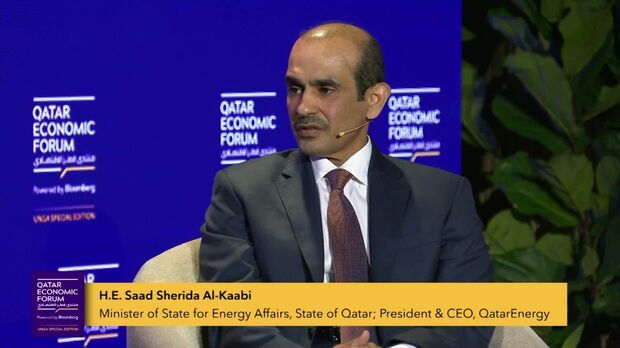
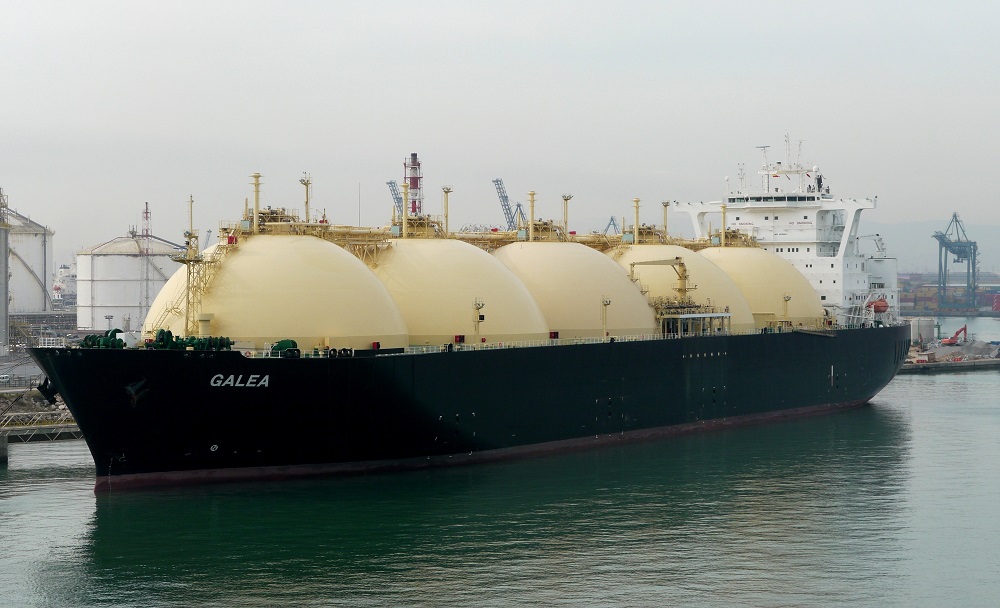
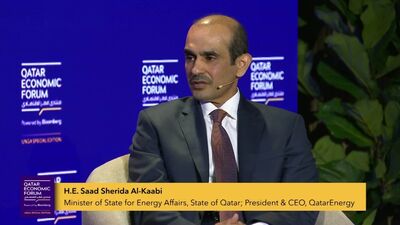
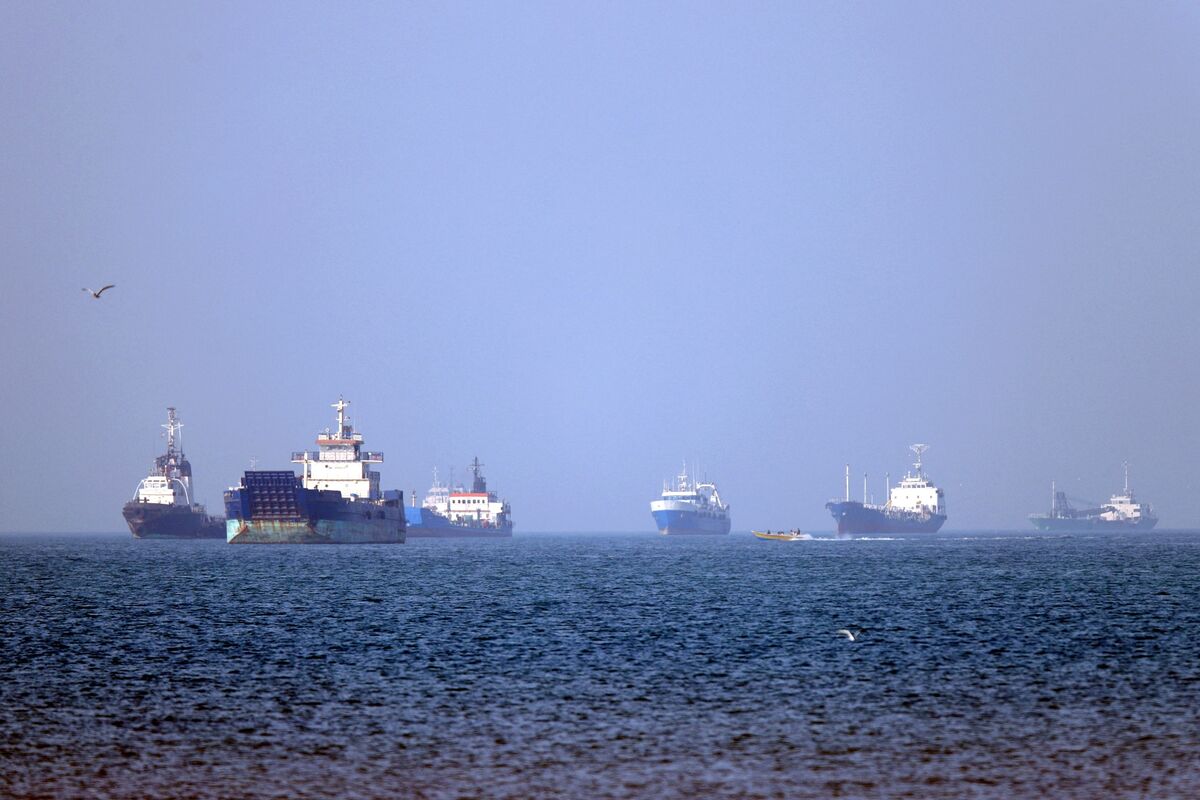
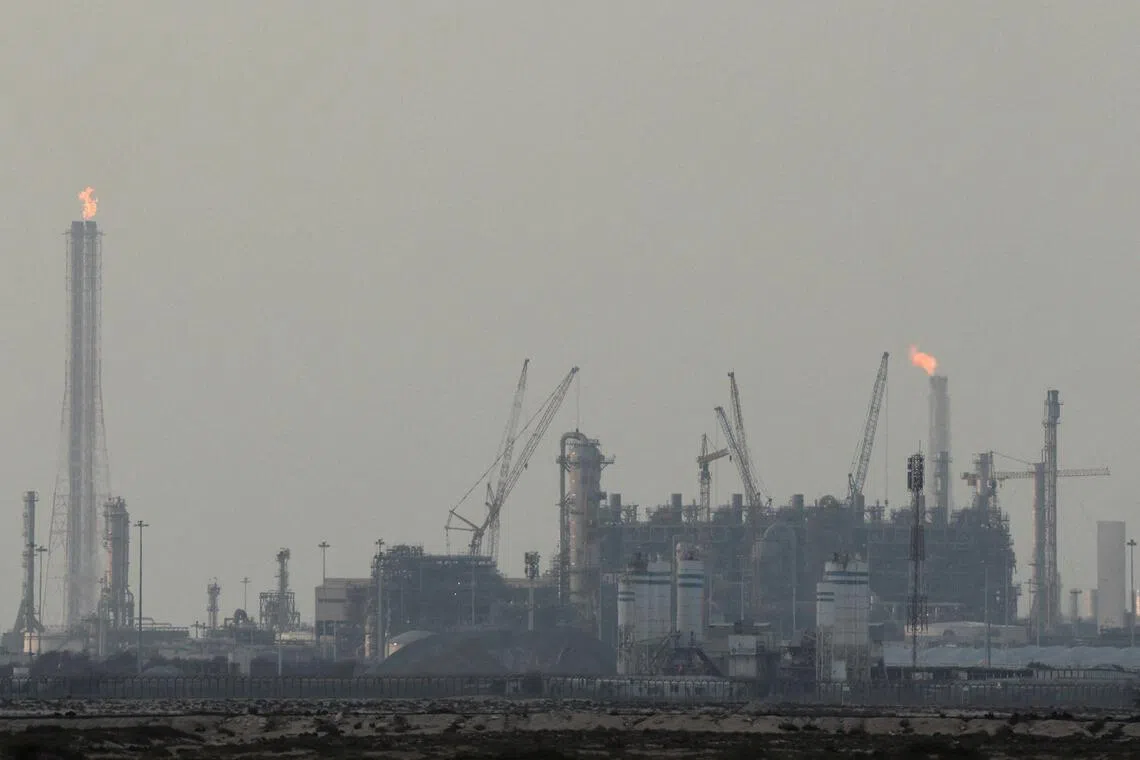
The Strait of Hormuz crisis is creating a critical supply chain vulnerability that directly impacts cross-border e-commerce sellers through elevated shipping costs and logistics delays. On September 20, 2026, QatarEnergy CEO Saad al-Kaabi announced that geopolitical tensions in the Strait of Hormuz—a chokepoint handling 21% of global maritime energy trade—have forced delays to Qatar's North Field East (NFE) LNG expansion from 2026 to H1 2027, with North Field South (NFS) now pushed to 2028. The company is currently producing only "very minute" volumes of LNG due to equipment delivery disruptions, signaling severe operational constraints beyond routine maintenance.
This energy supply chain disruption cascades directly into e-commerce logistics costs through three mechanisms: First, elevated global energy prices increase bunker fuel costs for container ships, raising ocean freight rates by 8-15% for sellers shipping from Asia to North America and Europe. Second, shipping delays through alternative routes (avoiding Hormuz) add 5-7 days to transit times, forcing sellers to increase safety stock and working capital by 12-18%. Third, energy-dependent manufacturing regions (petrochemicals, plastics, electronics components) face production constraints, creating upstream supply shortages for sellers sourcing from the Middle East, India, and Southeast Asia.
For specific seller segments, the impact varies by sourcing geography and product category. Sellers importing electronics components, plastic goods, and petrochemical-derived products from India, Vietnam, and Thailand face 3-5% cost increases due to higher feedstock prices. Small sellers (under $500K annual revenue) operating on 15-20% margins will absorb $2,000-5,000 in additional monthly shipping costs, compressing profitability by 1-2 percentage points. Large sellers with diversified sourcing can negotiate volume discounts but face 6-12 month contract renegotiations. The timeline is critical: with NFE startup delayed to H1 2027 and NFS to 2028, energy prices remain elevated through Q1 2027, creating a 9-month window of compressed margins.
Strategic sourcing implications are significant. Sellers currently dependent on Middle East-routed supply chains should accelerate diversification to Vietnam, Indonesia, and India suppliers to bypass Hormuz exposure. Sellers in energy-intensive categories (electronics, appliances, chemicals) should lock in Q4 2026 pricing before further escalation. The crisis validates the importance of supply chain resilience—sellers with multi-country sourcing strategies will outcompete single-source operators by 2-3% margin advantage through 2027.
Questions 8
How does the Hormuz shipping crisis affect my Amazon FBA shipping costs?
The Strait of Hormuz disruption increases ocean freight rates by 8-15% through Q1 2027 because elevated energy prices raise bunker fuel costs for container ships. For sellers shipping 500+ units monthly from Asia to North America, this translates to $1,500-3,500 additional monthly shipping expenses. Amazon FBA inbound shipping costs are directly tied to carrier rates, so sellers should expect 10-12% increases on LCL and FCL shipments. Lock in Q4 2026 freight contracts before further escalation, and consider consolidating shipments to reduce per-unit costs by 5-8%.
What is the timeline for energy prices to normalize?
QatarEnergy's North Field East expansion is delayed to H1 2027, with North Field South pushed to 2028, meaning elevated energy prices persist through Q1 2027 at minimum. Global LNG supply remains constrained for 9+ months, supporting higher energy costs and shipping rates. Sellers should budget for elevated logistics costs through Q1 2027, with potential normalization in Q2-Q3 2027 if NFE comes online on schedule. Monitor QatarEnergy announcements quarterly for project updates, as further delays would extend the cost pressure window into late 2027.