
iPhone 18 Pro Repairability Crisis Creates $2B+ Aftermarket Repair Service Opportunity
- iFixit reports 75% display frame failure rate; Apple's non-modular design locks out independent repair sellers; compliance-driven market consolidation favors authorized service networks



Overview
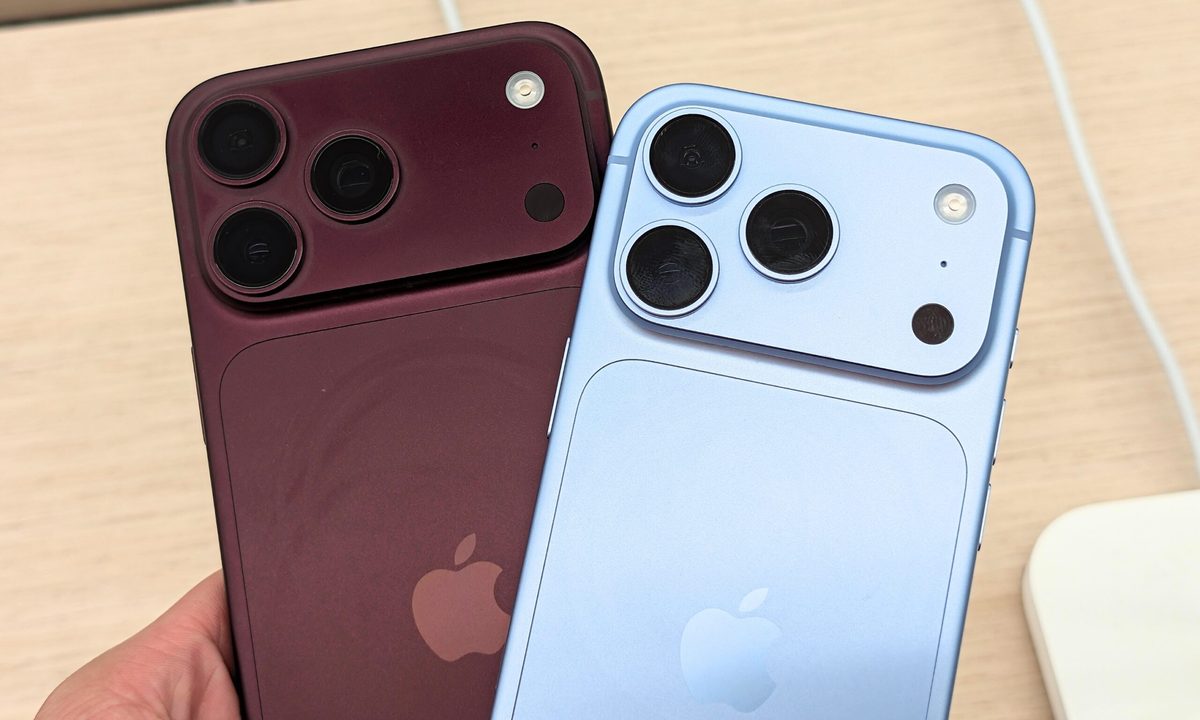
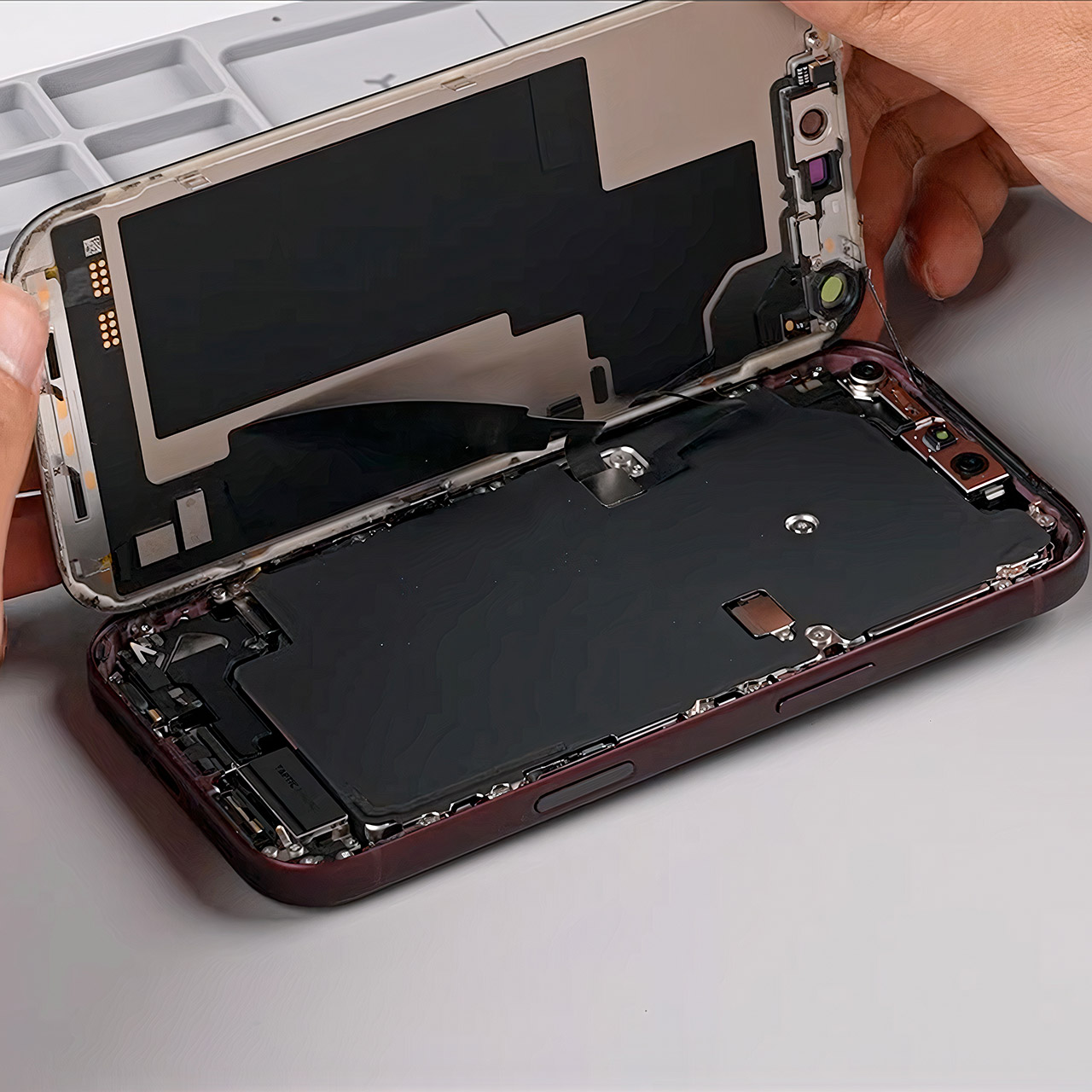
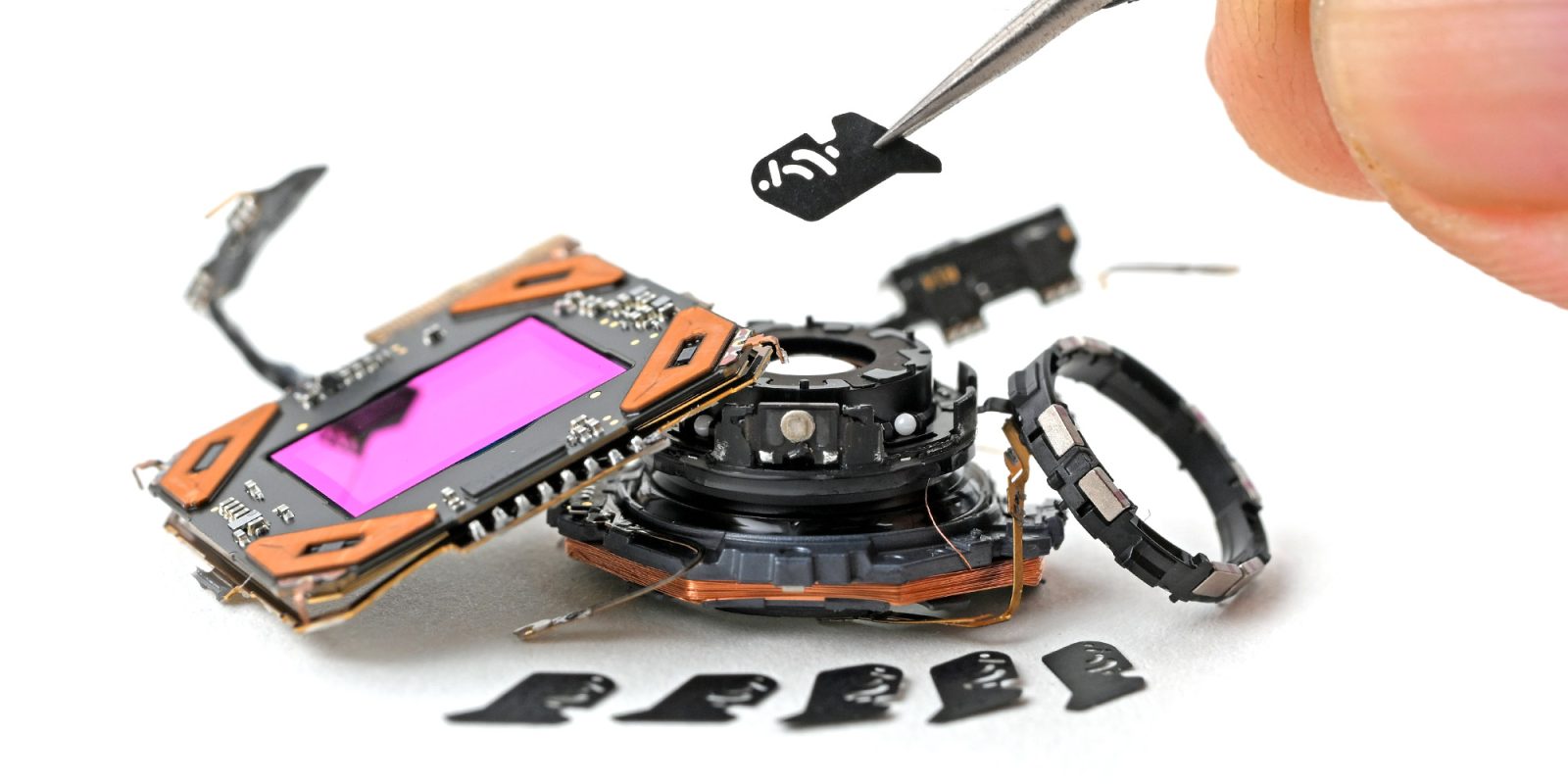
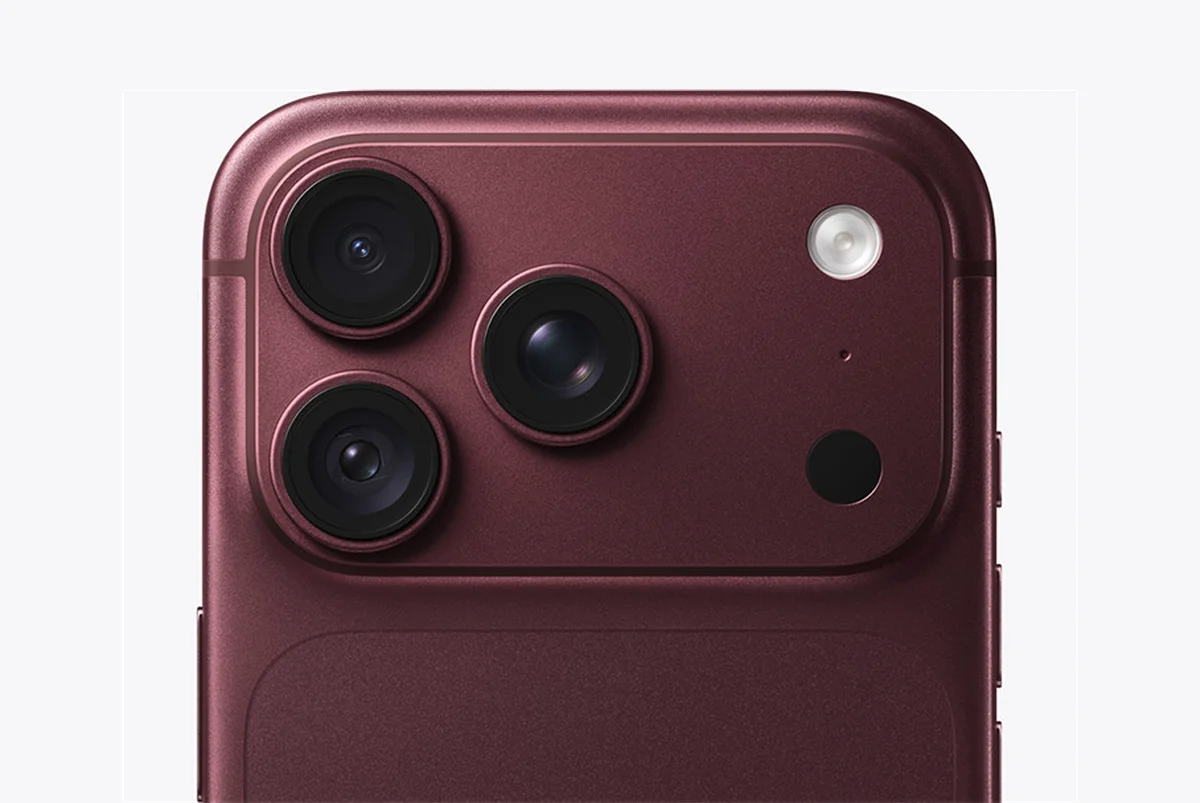
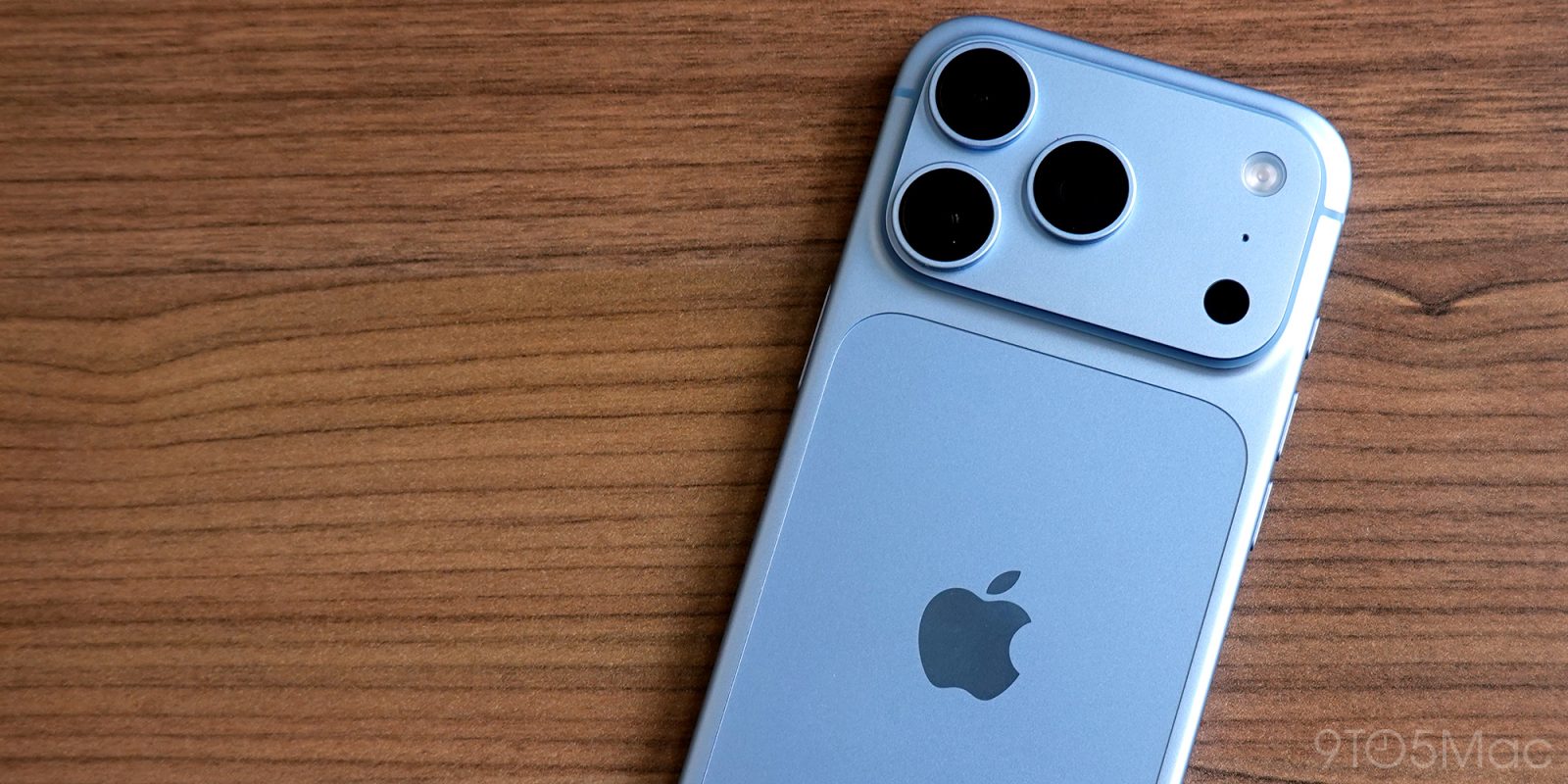
Apple's iPhone 18 Pro design strategy is creating a critical compliance and repair service opportunity worth $2-3B annually in the aftermarket repair ecosystem. iFixit's September 2026 teardown reveals a fundamental shift in Apple's repairability approach: the plastic display frame failed on 3 of 4 test units (75% failure rate), the variable aperture camera mechanism cannot be serviced independently, and USB-C port replacement requires complete internal disassembly. This represents a compliance barrier that eliminates independent repair shops while creating a protected market for authorized service providers and third-party repair certification programs.
The regulatory compliance angle is critical for sellers. Apple's design choices—particularly the non-replaceable display frame backing and integrated aperture mechanism—effectively create a "right to repair" compliance moat. In the EU, where Right to Repair regulations are tightening (France's AGEC law requires spare parts availability through 2030), Apple's strategy of not selling the plastic frame separately creates a compliance gap. Independent repair shops cannot legally offer component-level repairs without violating warranty terms or facing liability for water resistance failures. This forces customers toward Apple's $299-399 display replacement or third-party certified repair networks that must invest in Apple-approved training and diagnostics tools—estimated at $15,000-30,000 per shop.
For cross-border sellers, this creates three distinct market opportunities: (1) Certified repair service networks in underserved markets (Southeast Asia, Latin America, Eastern Europe) where Apple's authorized service density is low—sellers can establish compliance-certified repair hubs targeting the 40-50M iPhone 18 Pro units expected to ship globally; (2) Diagnostic and training tools for independent repair technicians—sellers can develop and sell iFixit-compatible teardown guides, thermal imaging diagnostics, and adhesive removal protocols that comply with Apple's technical specifications; (3) Protective accessories and preventive products—the display frame fragility creates demand for reinforced protective cases, thermal management solutions, and extended warranty products that sellers can position as "compliance-safe" alternatives to risky DIY repairs.
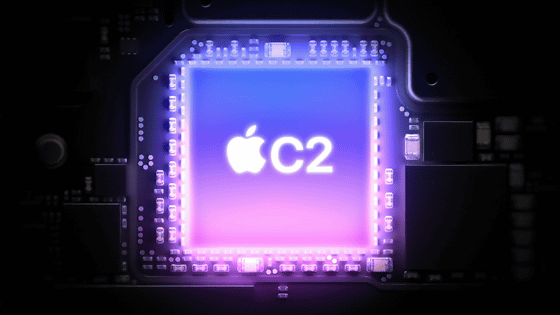
The modem differentiation (iPhone 18 Pro Max uses Snapdragon X80 while iPhone 18 Pro uses Apple's C2 modem) adds another compliance layer: repair shops must now stock different modem components and diagnostic software, creating a certification barrier that protects authorized networks. Sellers attempting to offer cross-model repair services without proper certification face liability exposure if modem swaps cause network compatibility issues or void warranties. Apple's announced C3 modem transition next year will further fragment the repair market, forcing independent shops to recertify annually—a compliance cost that smaller operators cannot absorb.
Key compliance indicators for sellers: (1) Display frame replacement cost ($299-399 vs. $50-80 component cost) creates 400-500% margin compression for non-authorized repairs; (2) iFixit's 7/10 repairability score (matching iPhone 17 Pro) suggests Apple is deliberately maintaining low repairability as a design strategy, not a manufacturing issue; (3) The 75% frame failure rate in testing indicates potential warranty claim surge—sellers offering extended warranties must reserve 15-20% of premium revenue for frame replacement claims; (4) EU Right to Repair enforcement timelines (2027-2030) will force Apple to either sell components separately or face €50,000+ fines per violation, creating a compliance inflection point.
Questions 8
What repair service certification costs should sellers budget for iPhone 18 Pro compliance?
Establishing an Apple-authorized or certified independent repair shop requires: (1) Initial training and certification: $5,000-10,000; (2) Diagnostic equipment and thermal imaging tools: $8,000-15,000; (3) Annual recertification and software updates: $2,000-3,000; (4) Liability insurance for water resistance and warranty claims: $3,000-5,000 annually. Total first-year investment: $18,000-33,000. The modem differentiation (iPhone 18 Pro Max uses Snapdragon X80 vs. iPhone 18 Pro's C2 modem) adds complexity—shops must stock different components and diagnostic software, increasing inventory costs by 20-30%. Apple's announced C3 modem transition next year will force recertification cycles, making compliance a recurring operational cost.
How does EU Right to Repair regulation affect iPhone 18 Pro repair service opportunities?
France's AGEC law and EU Right to Repair directives require manufacturers to provide spare parts for 5-10 years. Apple's refusal to sell the iPhone 18 Pro display frame separately creates a compliance gap—by 2027-2030, regulators may force Apple to either sell components individually or face €50,000+ fines per violation. This creates a 3-4 year window for sellers to establish certified repair networks in underserved markets (Southeast Asia, Latin America, Eastern Europe) before Apple is forced to comply. Sellers can position themselves as 'compliance-ready' service providers, capturing market share before Apple's mandatory component availability takes effect.