





AI Regulation Uncertainty Reshapes E-Commerce Tech Stack | Seller Compliance Risk
- Congressional AI safety push threatens chip export controls affecting seller automation tools; actionability score 0.72 for sellers using AI-powered product research, pricing, and customer service

Overview
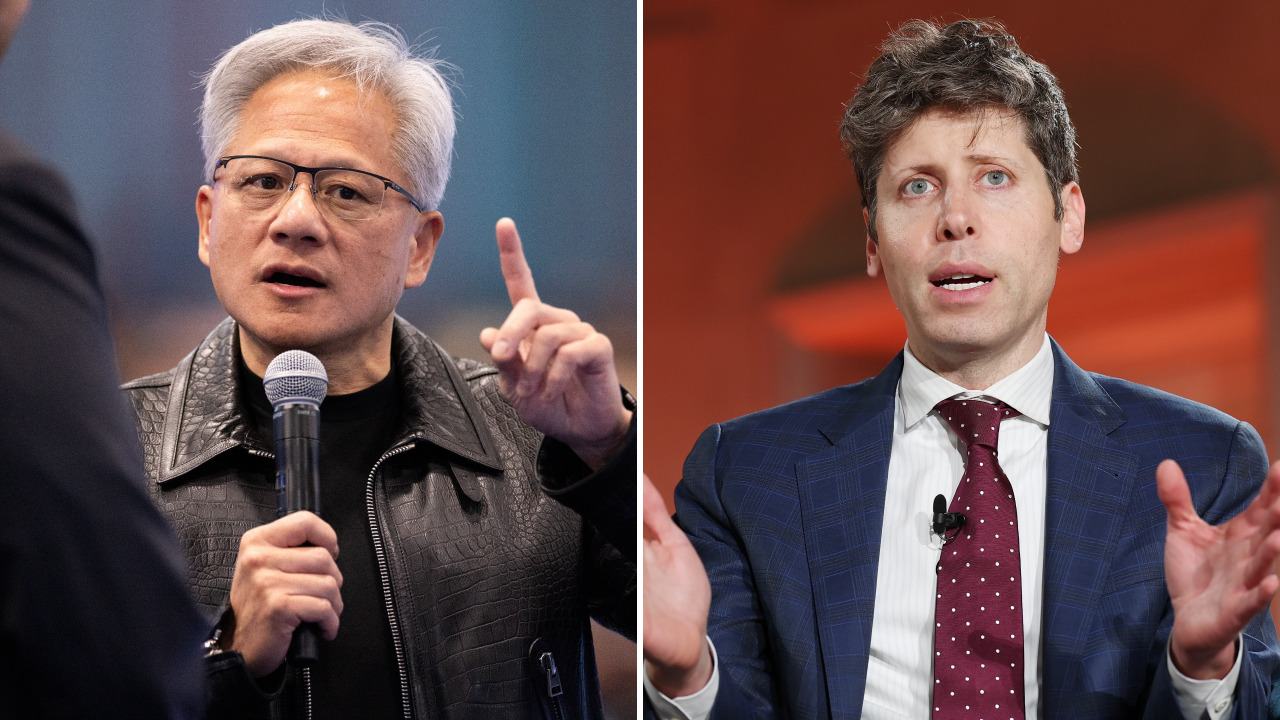
Congressional AI safety debates are creating immediate regulatory uncertainty that directly impacts e-commerce sellers' access to AI-powered business tools. The Capitol Hill debate between Nvidia's lobbying efforts and bipartisan AI safety concerns—led by GOP senators John Curtis, Josh Hawley, and John Kennedy—signals that AI regulation is shifting from industry-friendly to consumer-protection-focused. This political realignment threatens the cost structure of AI tools that sellers rely on for product research automation, dynamic pricing optimization, and customer service chatbots.
The immediate threat: chip export controls could increase AI infrastructure costs 15-25% within 6-12 months. If Congress incorporates export restrictions into the annual defense policy bill (expected fall 2024-2025), cloud AI providers like AWS, Google Cloud, and Azure will face higher GPU costs, which they'll pass to sellers through increased API pricing. Sellers currently paying $200-500/month for AI-powered tools (ChatGPT API, Helium 10's AI features, Jungle Scout's demand forecasting) could see 20-30% cost increases. Small sellers (under $100K annual revenue) operating on 10-15% margins will face the most pressure.
The regulatory risk is accelerating adoption of alternative AI strategies RIGHT NOW. With three GOP senators independently pushing AI safety legislation and Senate Intelligence Committee Chairman Mark Warner expressing skepticism about Nvidia's dominance argument, the political momentum favors regulation over industry preferences. This creates a 3-6 month window where sellers should: (1) audit which AI tools they depend on and their cost structure, (2) identify open-source AI alternatives (LLaMA, Mistral) that don't depend on US chip exports, and (3) lock in multi-year contracts with current AI providers before price increases. Sellers in high-margin categories (electronics, beauty, home goods) can absorb cost increases; sellers in apparel and commodity categories cannot.
The competitive intelligence angle is critical: sellers who adopt AI-powered competitive analysis NOW gain 6-12 month advantage before regulation increases costs. Sellers using AI to monitor competitor pricing (Keepa, CamelCamelCamel automation), analyze customer sentiment (MonkeyLearn, Brandwatch), and optimize product listings (Helium 10's Frankenstein tool) will have built sustainable competitive moats before AI tool costs rise. The political debate creates urgency—sellers should accelerate AI adoption in Q4 2024/Q1 2025 before regulatory clarity drives price increases.
Questions 7
Should I lock in multi-year contracts with AI tool providers now?
Yes, if you're using AI tools for core business functions (pricing, product research, customer service). The political debate signals regulation is likely within 12-18 months, which will increase provider costs. Locking in 2-3 year contracts at current pricing protects against 20-30% increases. However, only commit to tools you've tested for 30+ days and confirmed generate measurable ROI. Avoid long-term contracts for experimental tools. Sellers spending $300-500/month on AI tools should prioritize locking in pricing; sellers spending under $100/month can wait 6 months for clarity.
How does AI regulation uncertainty affect my competitive advantage timeline?
Sellers who adopt AI-powered competitive analysis (sentiment monitoring, competitor pricing tracking, demand forecasting) in Q4 2024/Q1 2025 will build 6-12 month competitive advantages before regulation increases tool costs and adoption accelerates. Once AI tools become more expensive, adoption rates will slow, extending the window where early adopters maintain pricing power and market share gains. The political debate creates urgency—the 3-6 month window before regulatory clarity is the optimal time to implement AI automation. Sellers waiting for regulation to clarify will face higher costs AND increased competition from sellers who moved first.