
Oil Tanker Shortage Drives 30-40% Freight Cost Surge | Sellers Face 12-18 Month Supply Crisis
- VLCC rates hit $1.1M/day on Persian Gulf-Asia route; tanker capacity constraints persist through 2025-2026, forcing sellers to restructure sourcing and inventory strategies immediately


Overview
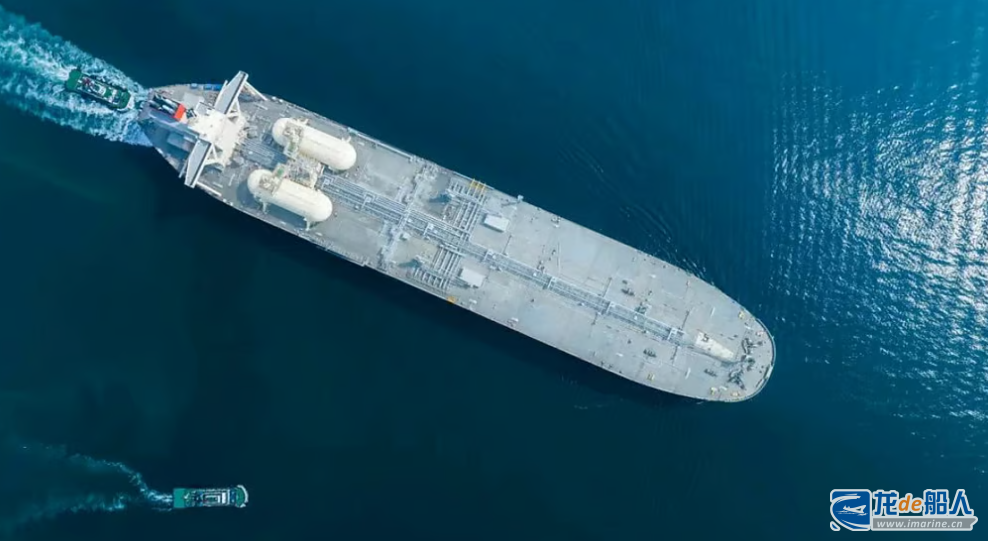
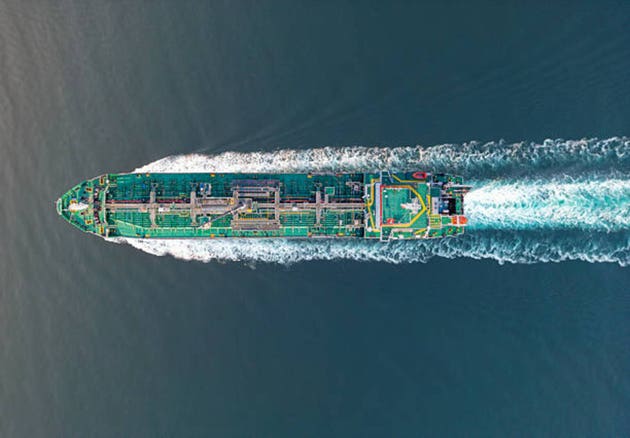
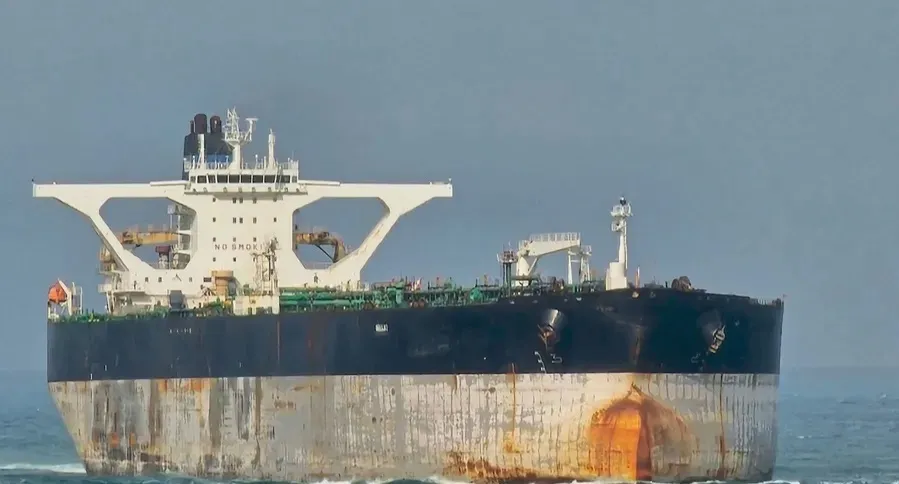
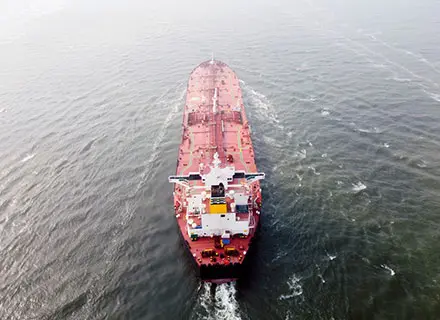
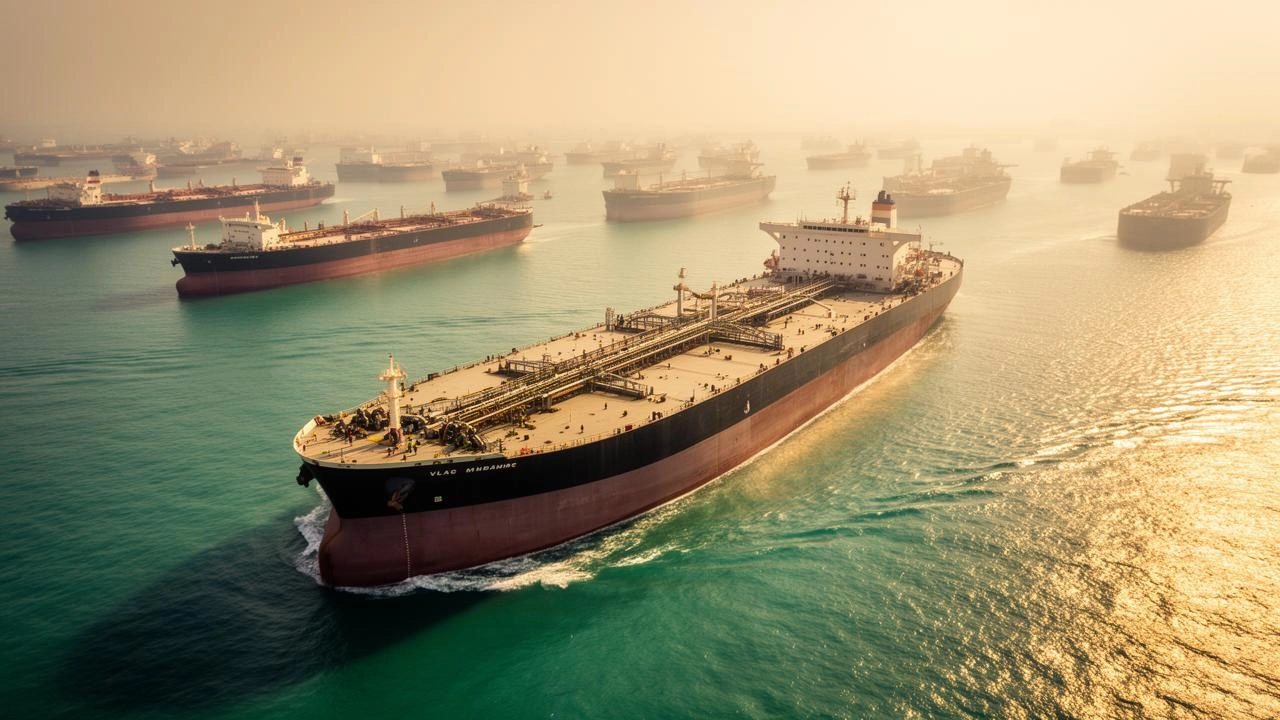
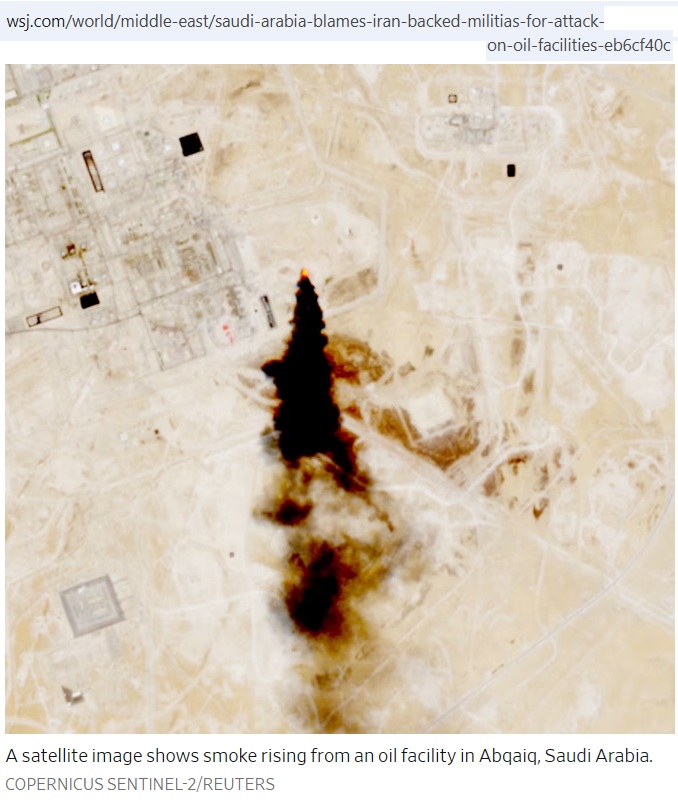
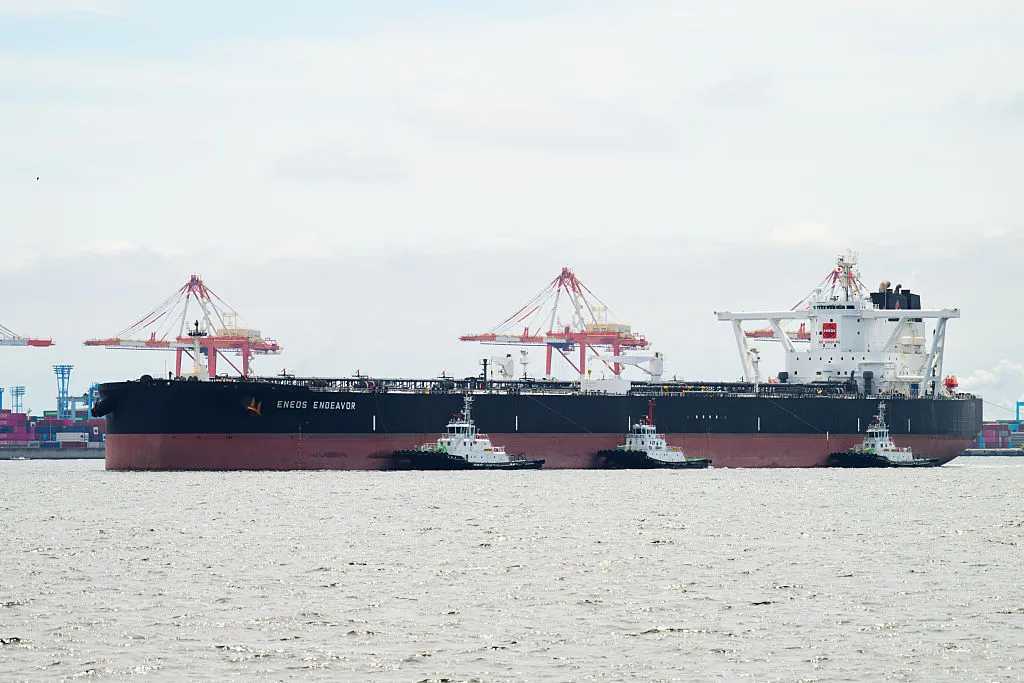
The global oil tanker shortage represents a critical logistics inflection point for cross-border e-commerce sellers. Very Large Crude Carriers (VLCCs) commanding $1.1 million daily rates on the Persian Gulf-to-Asia route—a 12-fold increase from recent months—signal that maritime transportation costs will remain elevated for 12-18 months until new vessel capacity enters service. Industry analysts report 30-40% cost increases on long-distance routes (Middle East to Europe/Asia), with shipping companies booking vessels months in advance. This shortage stems from aging tanker fleets requiring maintenance, reduced newbuilding orders during previous downturns, and geopolitical tensions in the Strait of Hormuz limiting vessel availability.
For e-commerce sellers, this creates a cascading cost crisis affecting three critical dimensions. First, ocean freight premiums are rising immediately: fuel surcharges embedded in container rates will increase 8-15% as carriers pass through elevated bunker costs. Sellers importing from Asia face higher landed costs on all product categories, with small/medium sellers lacking long-term contracts experiencing disproportionate impact compared to major retailers. Second, last-mile delivery costs are climbing: fuel-dependent logistics for final-mile fulfillment (FedEx, UPS, local couriers) will increase 5-12% as diesel prices remain elevated. Third, inventory holding costs are compounding: extended lead times due to vessel scarcity (booking delays of 4-8 weeks on peak routes) force sellers to carry larger safety stock, increasing warehouse costs by 3-6% monthly.
Strategic sourcing shifts are now essential. Sellers should immediately evaluate nearshoring opportunities: Mexico/Central America for US sellers (reducing Middle East-dependent routes), Eastern Europe for EU sellers, and Southeast Asia for APAC sellers. These regions offer 15-25% shorter transit times and reduced fuel-cost exposure compared to Middle East/Far East sourcing. For product categories with high fuel-cost sensitivity (heavy/bulky items like furniture, appliances, sporting goods), consider shifting 20-30% of sourcing to regional suppliers within 2-4 weeks. Conversely, high-margin, lightweight categories (electronics, beauty, apparel) should maintain Asian sourcing but implement 8-12 week advance purchasing to lock in current rates before further escalation. Inventory positioning is critical: stock 3-4 months of fast-moving SKUs in US/EU warehouses before Q2 2025 to avoid peak summer shipping rates; liquidate slow-moving inventory now to free warehouse capacity and reduce holding costs during the crisis period.
Questions 8
What is the impact of tanker shortage on last-mile delivery costs for FBA and 3PL fulfillment?
Last-mile delivery costs will increase 5-12% as diesel prices remain elevated through 2025-2026. FedEx, UPS, and regional couriers will implement fuel surcharges of 3-8% on shipping rates. For sellers using Amazon FBA, this translates to higher fulfillment costs embedded in FBA fees—expect 4-6% increases on fulfillment charges for heavy/bulky items. 3PL providers will pass through 5-10% cost increases on outbound shipping. Sellers should negotiate fixed-rate shipping contracts with 3PLs immediately (lock rates for 6-12 months) and consider consolidating shipments to reduce per-unit delivery costs by 8-12%. For FBA sellers, optimize product mix toward lighter items and consider FBM (Fulfilled by Merchant) for heavy categories where margin compression exceeds 8%.
How long will the tanker shortage persist and when should sellers expect cost relief?
Industry experts project tanker capacity constraints will persist for 12-18 months until new vessels enter service. Current VLCC rates at $1.1 million daily are unsustainable long-term, but rates will remain elevated (2-3x historical averages) through mid-2026 as geopolitical tensions in the Strait of Hormuz continue and crude demand remains elevated. The situation mirrors the 2021-2022 shipping crisis when container rates peaked before gradually declining over 18-24 months. Sellers should plan for sustained high costs through Q4 2025 and budget conservatively. Monitor tanker rate indices (Baltic Clean Tanker Index, Worldscale) as leading indicators—when rates decline below $500K daily, expect container rate relief within 4-6 weeks. Begin strategic sourcing adjustments now; benefits will compound over 12-18 months.