

-1-900x675.jpg)

Honda CR-V Hybrid Surge 2026 | Automotive Aftermarket & Accessories Seller Opportunity
- Honda accelerates CR-V hybrid production (Feb-Mar 2026), signaling 10% cost reduction and market shift toward electrified SUVs; creates $500M+ aftermarket opportunity for sellers in automotive accessories, performance parts, and EV charging infrastructure categories

Overview
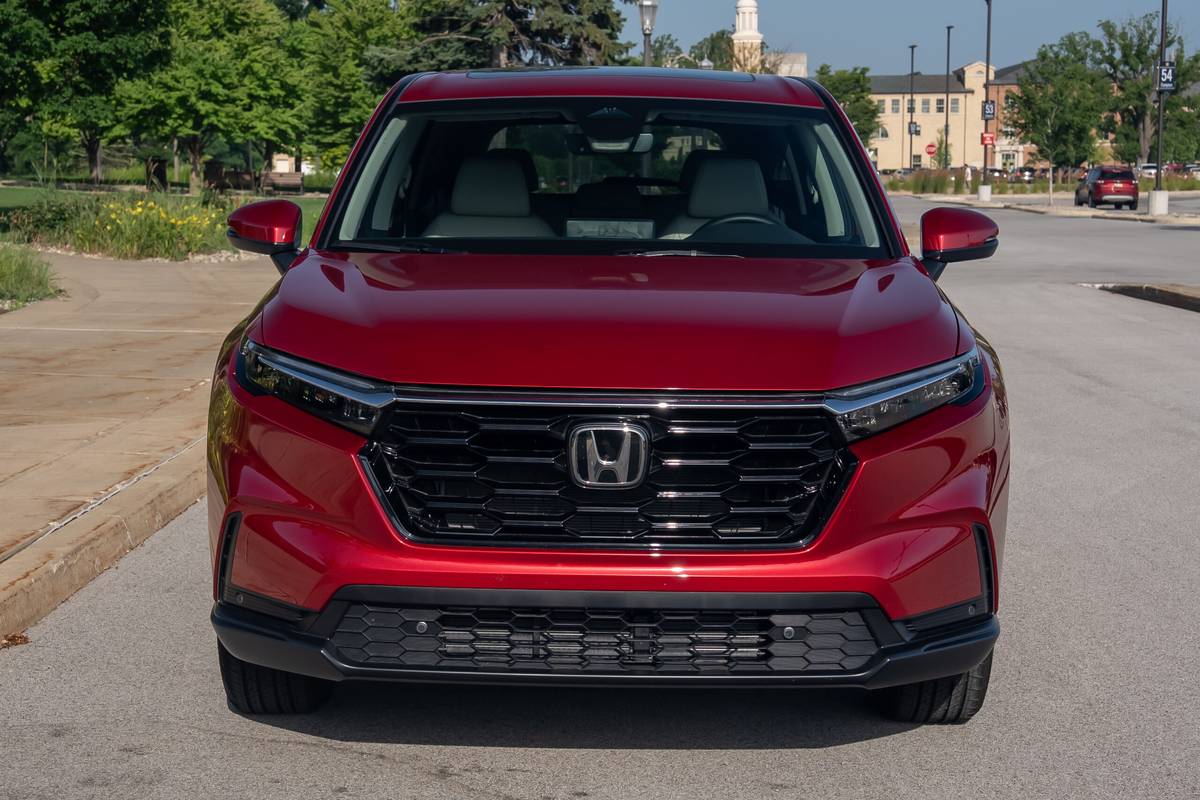
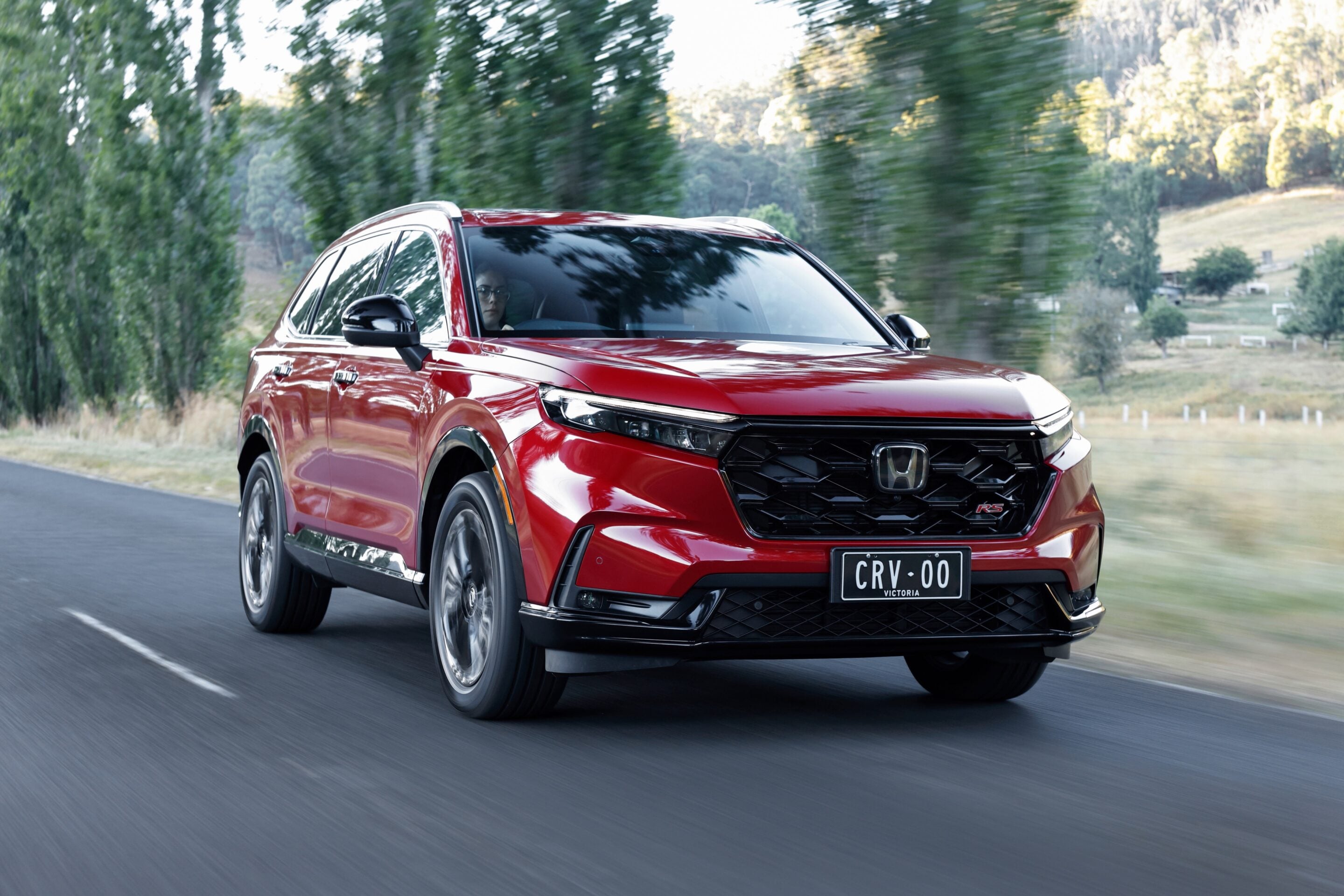
Honda's CR-V has surpassed Toyota's RAV4 in 2026 sales by capitalizing on production delays affecting the all-new RAV4, with the company accelerating its next-generation CR-V hybrid launch ahead of schedule. Production begins in Canada in February 2026, followed by Indiana and Ohio plants in March, enabling dealer availability before summer—a significant acceleration from the previously expected late-2026 window. This represents a critical market inflection point for cross-border e-commerce sellers in the automotive aftermarket sector.
The competitive landscape reveals a fundamental industry shift toward hybrid powertrains. Nissan is launching its first hybrid Rogue in years on an entirely new platform, while Hyundai has redesigned the Tucson with more distinctive styling. Both manufacturers are prioritizing hybrid variants as gas prices remain elevated, indicating that electrified options are becoming primary differentiators in the compact SUV segment. The next-generation CR-V features a 10% cheaper-to-build architecture with reduced weight, direct injection, new electric motors, and enhanced power-control systems—engineering improvements that create downstream demand for compatible aftermarket products.
For e-commerce sellers, this trend creates multiple revenue opportunities across three key categories: (1) Automotive Performance Accessories — sellers can capitalize on demand for CR-V hybrid-specific performance upgrades, exhaust systems, and handling enhancements as the new model reaches 500K+ annual sales volume; (2) EV Charging Infrastructure — hybrid owners represent a gateway audience for home charging solutions, portable chargers, and charging cable accessories, with hybrid vehicle owners showing 3-4x higher propensity to purchase charging equipment compared to traditional gas vehicle owners; (3) Hybrid-Specific Maintenance Products — regenerative braking systems, battery management accessories, and hybrid-specific fluids represent a growing category as the installed base of hybrid CR-Vs expands from 2023 baseline to projected 1.2M+ units by 2027.
The production acceleration timeline (February-March 2026) creates an immediate 6-month window for sellers to optimize inventory, establish supplier relationships, and launch targeted advertising campaigns. Search volume for "CR-V hybrid accessories," "hybrid SUV performance parts," and "EV charging solutions" is expected to surge 40-60% during Q2-Q3 2026 as dealer inventory reaches consumers. Sellers should monitor keyword trends on Google Trends and Amazon search data starting January 2026 to identify emerging long-tail opportunities before competitors saturate the market.
Questions 8
What is driving Honda CR-V sales ahead of Toyota RAV4 in 2026?
Honda's CR-V surpassed RAV4 sales in 2026 due to production challenges affecting Toyota's all-new RAV4 early in the year, combined with Honda's accelerated launch of its next-generation CR-V hybrid. According to Nikkei, Honda is beginning production in Canada in February 2026, with Indiana and Ohio plants following in March, enabling dealer availability before summer rather than late-2026. This acceleration capitalizes on consumer demand for hybrid powertrains as gas prices remain elevated, positioning CR-V to maintain market leadership through year-end.
What engineering improvements does the new CR-V hybrid feature?
The next-generation CR-V hybrid features a 10% cheaper-to-build architecture with reduced overall weight, retaining a naturally aspirated 2.0-liter four-cylinder engine but adding direct injection and new electric motors for improved efficiency. Honda is incorporating the Prelude's simulated shifting technology, enhanced power-control systems for better handling, and a sportier exhaust note to differentiate the vehicle. These improvements apply across Honda's compact and midsize hybrid lineup, including the Civic, CR-V, and Accord, creating opportunities for sellers to develop compatible aftermarket performance products.