

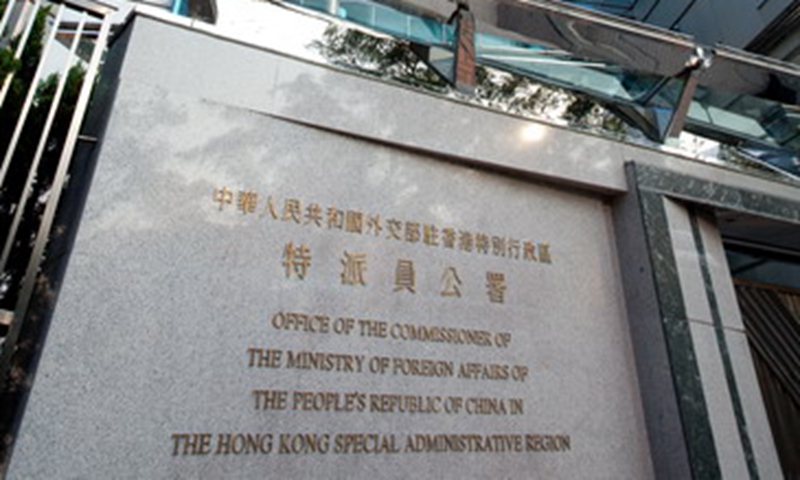



Hong Kong's Media Crackdown Signals Deepening Authoritarian Control
- International Pressure Mounts as Press Freedom Collapses Under National Security Law

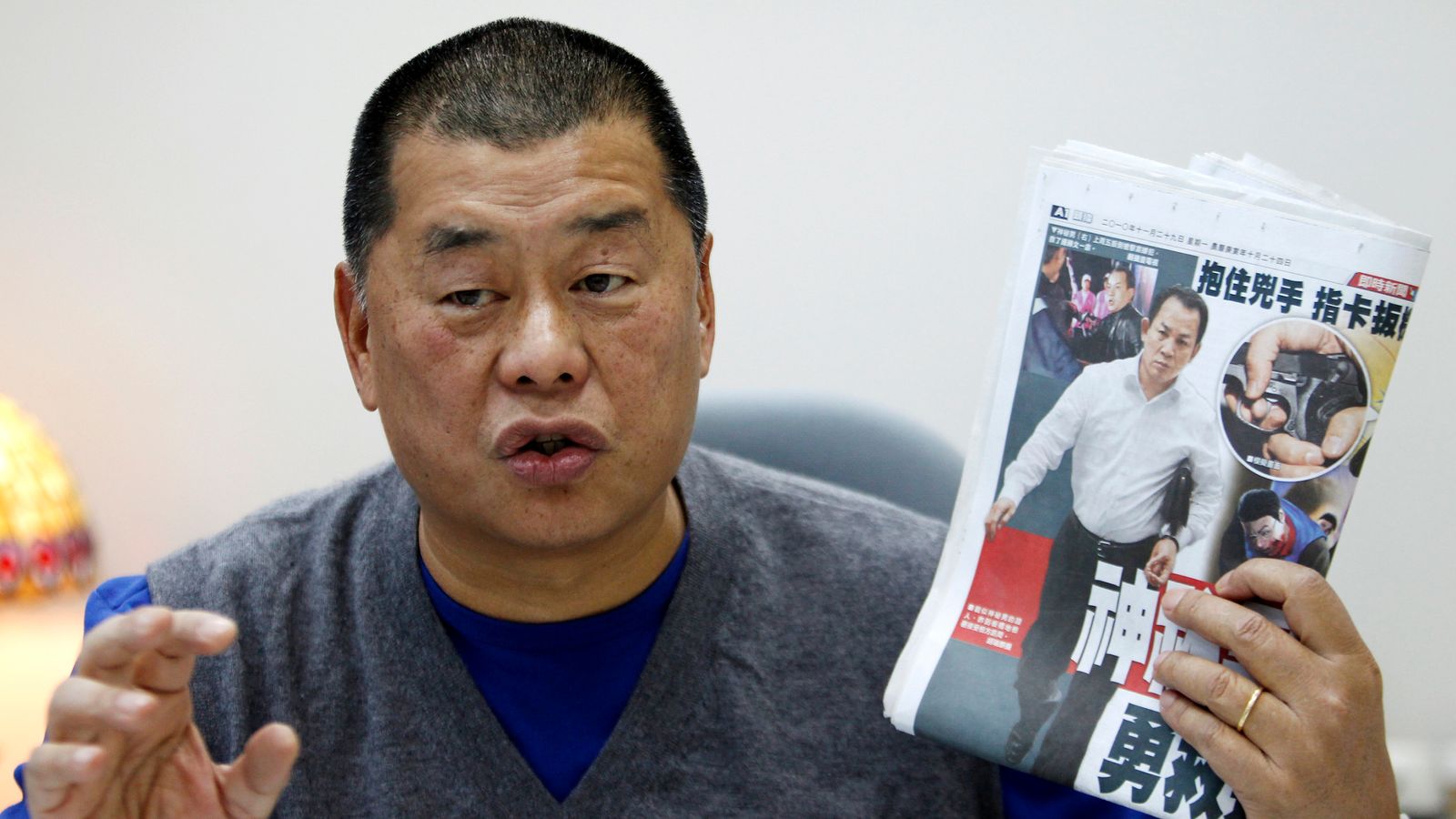
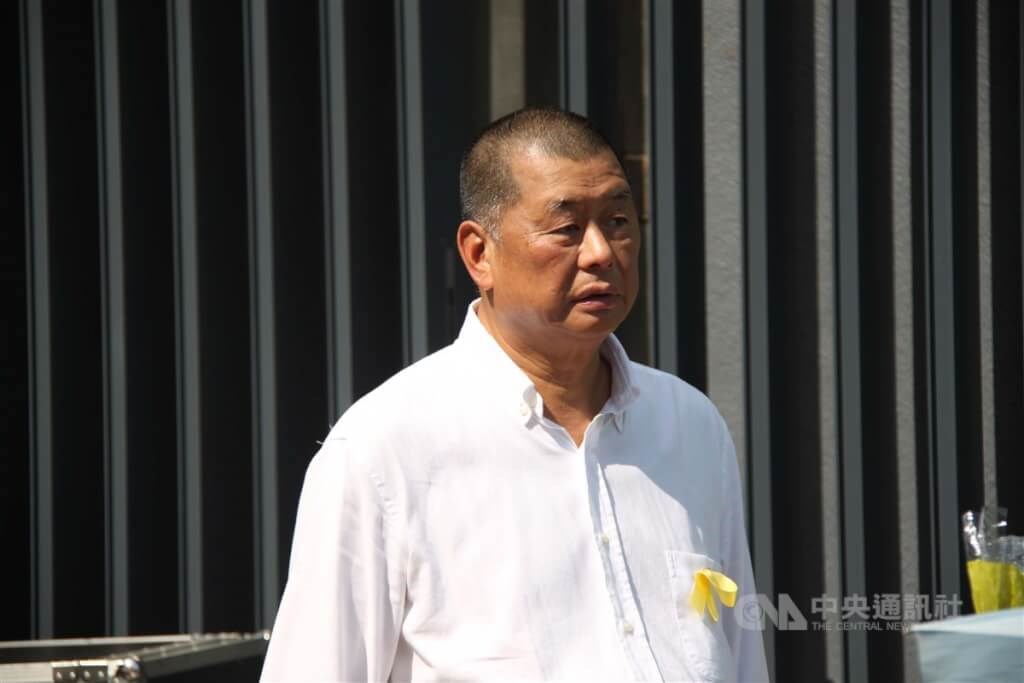
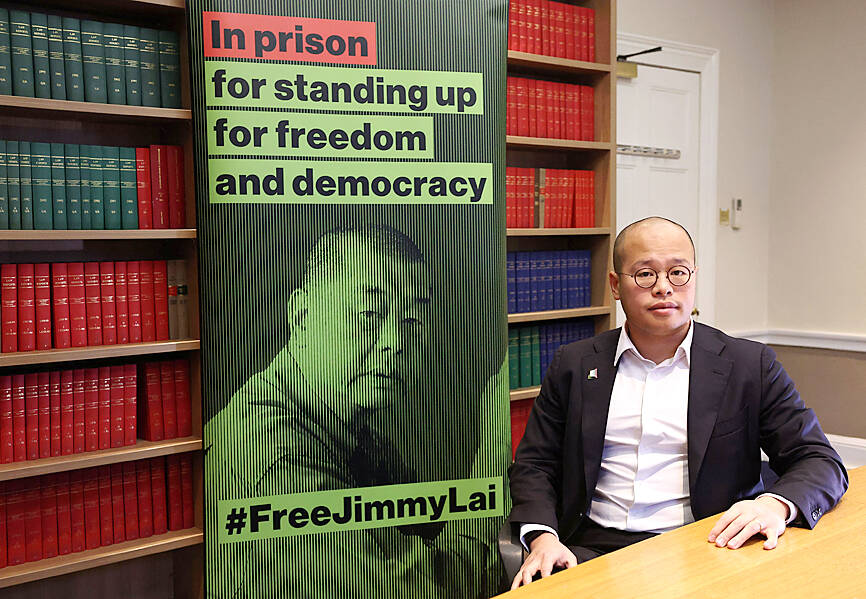




Overview
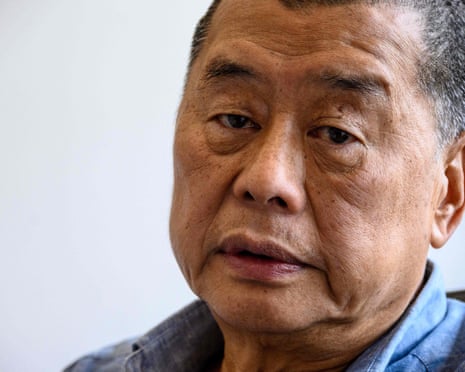
The conviction of Jimmy Lai represents a pivotal moment in Hong Kong's rapidly deteriorating media landscape, exposing the systematic dismantling of press freedom and democratic institutions. At the core of this development lies a strategic assault on independent journalism, where the national security law serves as a precision instrument for political suppression.
Diplomatic Tensions Escalate: The 156-day trial of Lai, a prominent media tycoon and pro-democracy activist, underscores the Chinese government's uncompromising approach to silencing dissent. By finding Lai guilty of national security charges and sedition, Hong Kong's judicial system has effectively criminalized independent media reporting. The potential life imprisonment sentence sends a chilling message to journalists and activists: challenging the political establishment carries existential risks.
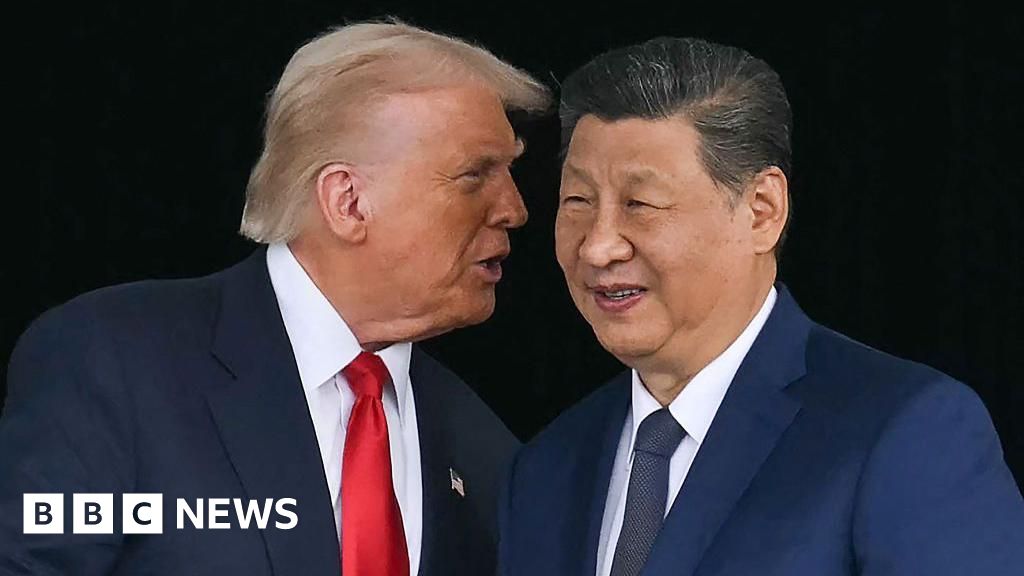
Geopolitical Implications: The international response, including calls from US President Trump and UK Foreign Secretary Yvette Cooper for Lai's release, highlights the growing diplomatic fracture between China and Western nations. This is not merely a legal case, but a symbolic battleground where press freedom and human rights are being systematically eroded. The Chinese government's dismissal of international criticisms reveals a calculated strategy of institutional control that prioritizes political stability over individual liberties.
Structural Media Suppression: The closure of Apple Daily, Lai's prominent newspaper, represents more than an isolated incident. It signals a broader, methodical approach to eliminating independent media voices. By targeting high-profile figures like Lai, authorities are creating a pervasive atmosphere of fear that will likely deter future investigative journalism and critical reporting.
Strategic Warning: Media organizations, international corporations, and investors must recognize that Hong Kong's media environment has fundamentally transformed. The national security law now operates as a comprehensive tool for political control, rendering traditional assumptions about press freedom and judicial independence obsolete.
Questions 3
What risks do international media organizations and corporations face in Hong Kong?
Organizations must now operate under the constant threat of the national security law, which can be applied broadly and arbitrarily. This creates substantial legal and operational risks, potentially forcing many international media entities to significantly alter their Hong Kong operations or consider exit strategies.
What are the broader implications of Jimmy Lai's conviction for media freedom in Hong Kong?
Lai's conviction represents a systematic dismantling of press freedom, effectively criminalizing independent journalism. It sends a clear message that critical reporting will be met with severe legal consequences, likely leading to widespread self-censorship and a chilling effect on media organizations.