




Nvidia's Power-Flexible AI Data Centers | Cut Cloud Costs 15-25% for E-Commerce Sellers
- Nvidia alliance targets 12-24 month infrastructure upgrade timeline; mid-sized sellers gain AI access as power costs decline; immediate automation opportunities in inventory & pricing systems
Overview
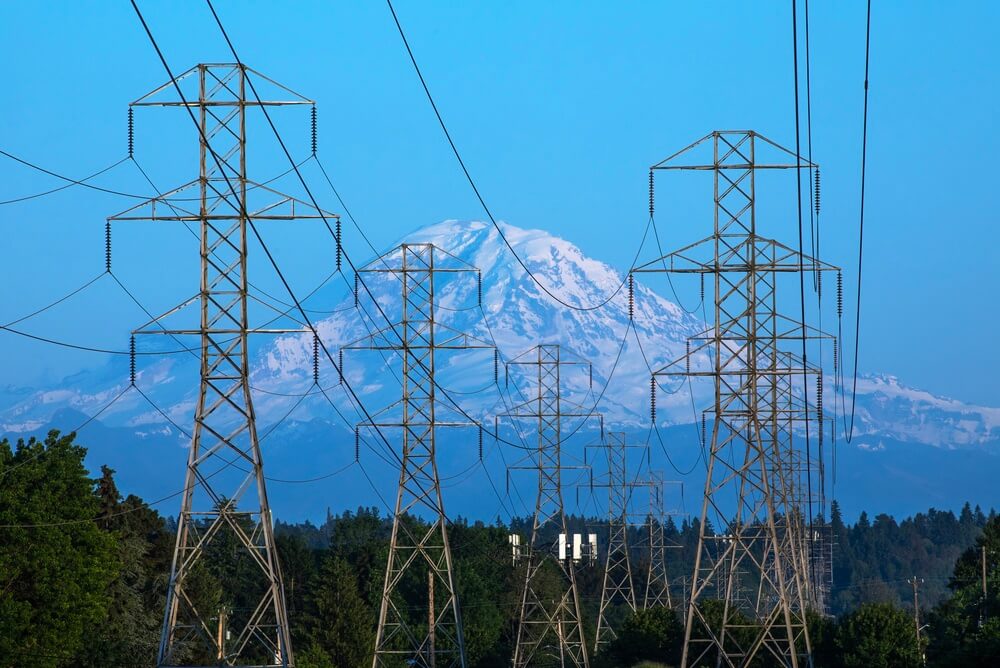
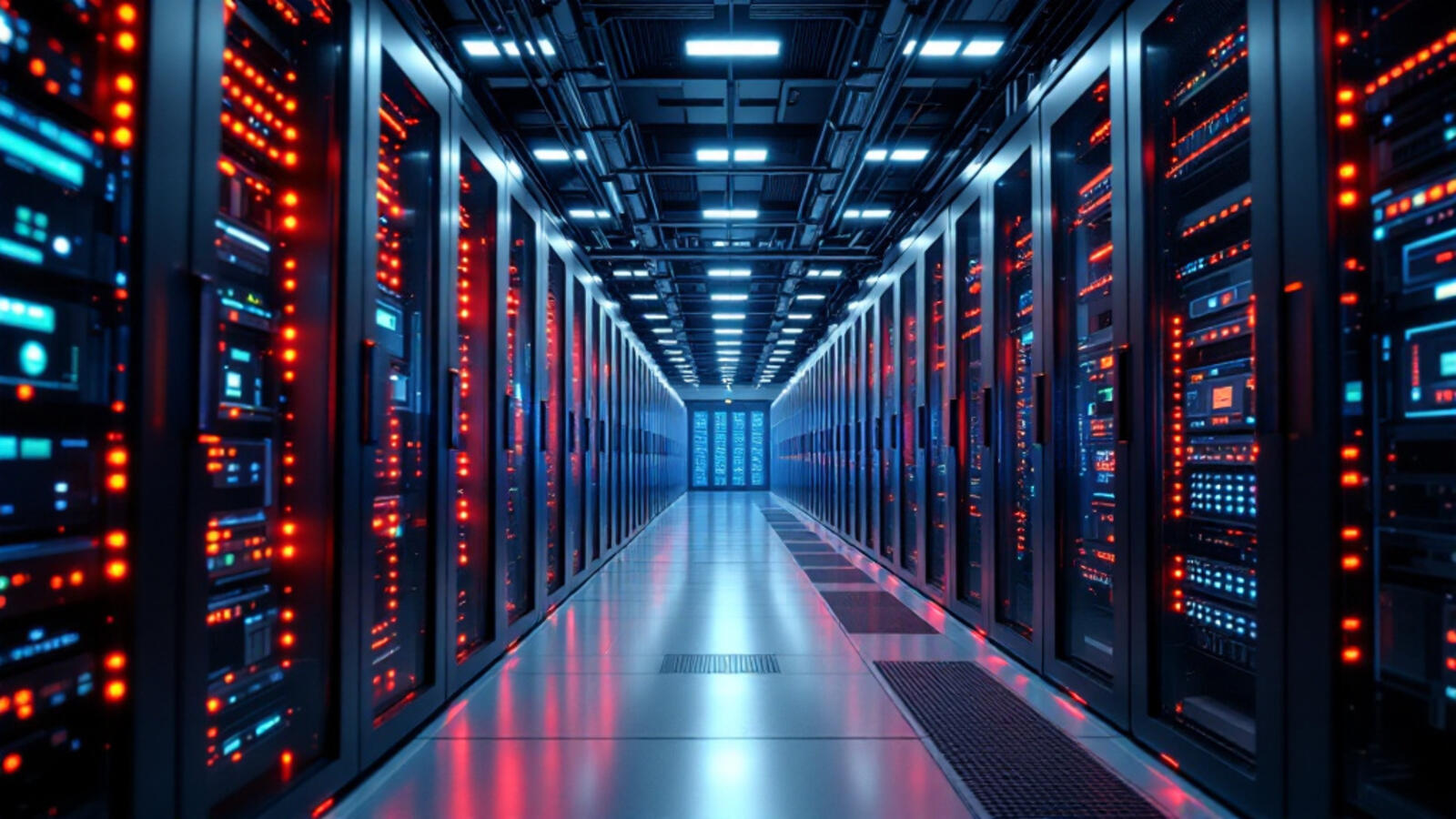
Nvidia's strategic alliance to build power-flexible AI data center infrastructure directly addresses the critical cost barrier limiting AI adoption among mid-sized e-commerce sellers. The initiative tackles a fundamental infrastructure challenge: existing data center electrical systems designed for previous-generation computing cannot sustain exponential AI workload growth without massive cooling and power distribution upgrades. Industry observers project 12-24 months for infrastructure improvements, creating a critical window where sellers face elevated cloud computing costs while competitors gain AI-powered advantages in inventory management, demand forecasting, and customer personalization.
For cross-border e-commerce sellers, this development has immediate and measurable implications. Data center power constraints directly inflate cloud infrastructure costs for sellers relying on AWS, Google Cloud, and Microsoft Azure for AI-dependent operations. Current power limitations increase hosting costs by 8-15% annually while limiting access to GPU-accelerated machine learning services that competitors use for dynamic pricing, fraud detection, and recommendation engines. The Nvidia alliance's standardization of power management protocols promises to reduce peak power requirements and associated cooling costs, potentially lowering cloud infrastructure expenses by 15-25% once solutions deploy. Mid-sized sellers ($1-10M annual revenue) who previously faced prohibitive energy costs for AI infrastructure will gain accessibility to machine learning tools currently dominated by enterprise competitors.
The automation opportunity is immediate and quantifiable. Sellers can RIGHT NOW implement AI-powered inventory management systems (Keepa, Helium 10, Jungle Scout) that optimize stock levels based on demand forecasting—reducing carrying costs by 12-18% and freeing capital for marketing. Dynamic pricing automation using tools like Repricing Central or Amazon's native repricing can adjust prices 50-100 times daily based on competitor actions and demand signals, capturing 3-7% margin improvements. Customer service automation via ChatGPT-powered systems (Tidio, Drift) can handle 60-70% of routine inquiries, reducing support costs by $2,000-5,000 monthly for mid-sized sellers. The power cost reductions from Nvidia's alliance will make these AI tools economically viable for sellers currently priced out by high cloud infrastructure costs.
Strategic positioning matters now. Sellers who adopt AI automation tools TODAY—before power costs decline—will establish competitive moats through superior data collection and model training. Early adopters building recommendation engines and demand forecasting models will have 6-12 month advantages in prediction accuracy (typically 15-25% improvement in forecast accuracy) before competitors catch up. The 12-24 month infrastructure upgrade timeline creates urgency: sellers must decide whether to invest in AI infrastructure now at higher costs or wait for price reductions while competitors gain market share. AWS, Google Cloud, and Microsoft Azure will likely adjust pricing models as Nvidia's power-efficient solutions deploy, potentially creating sudden cost shifts that disadvantage unprepared sellers.
Questions 8
How should sellers evaluate cloud provider pricing changes as Nvidia's solutions deploy?
Sellers should establish quarterly monitoring of AWS, Google Cloud, and Microsoft Azure pricing for GPU-accelerated services, data transfer, and storage costs. Create baseline cost models for current AI infrastructure usage (machine learning training, inference, recommendation engines) and project 15-25% cost reductions as Nvidia's power-efficient solutions deploy. Compare pricing across providers monthly—cloud providers may adjust rates differently based on their infrastructure upgrade timelines. Negotiate volume discounts with cloud providers by demonstrating commitment to increased AI usage as costs decline. Consider multi-cloud strategies that distribute workloads across providers to capture best pricing. Document all infrastructure decisions and cost impacts to inform future AI investment decisions. Sellers should also monitor Nvidia announcements and industry reports for deployment timeline updates, as delays could extend the high-cost period.
What data analysis can AI perform to uncover hidden e-commerce opportunities?
AI can analyze seller data to reveal hidden patterns: (1) Demand forecasting identifies emerging product trends 4-8 weeks before competitors by analyzing search volume, social media mentions, and seasonal patterns; (2) Customer segmentation AI reveals high-value buyer cohorts (repeat purchasers, high-margin buyers) enabling targeted marketing that improves conversion 8-15%; (3) Competitive intelligence AI monitors competitor pricing, inventory, and marketing strategies in real-time, enabling rapid response to market changes; (4) Product recommendation AI identifies cross-sell and upsell opportunities that increase average order value 12-25%; (5) Churn prediction AI identifies at-risk customers before they leave, enabling retention campaigns that save 20-40% of at-risk revenue. These analyses require GPU-accelerated machine learning infrastructure that becomes economically viable as Nvidia's power-efficient solutions reduce hosting costs 15-25%.