


Europe's Q4 Energy Crisis Drives 12-15% Shipping Cost Surge for Cross-Border Sellers
- 510,000 barrel daily jet fuel deficit forces logistics price hikes; sellers shipping to EU face margin compression through Q4 2024


Overview
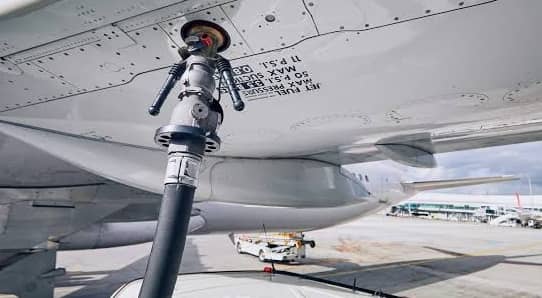
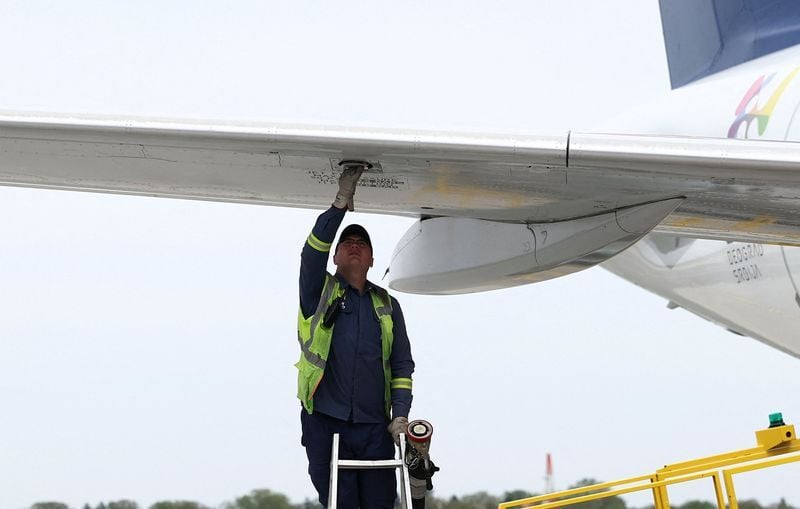
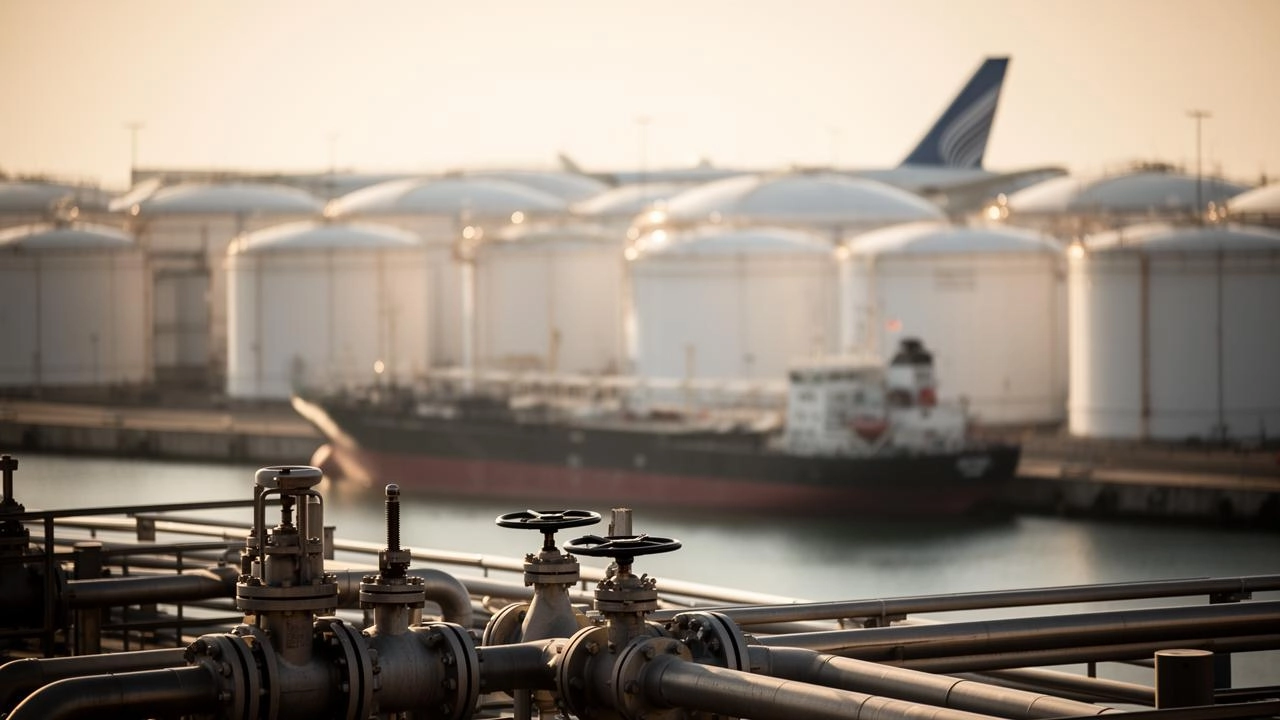
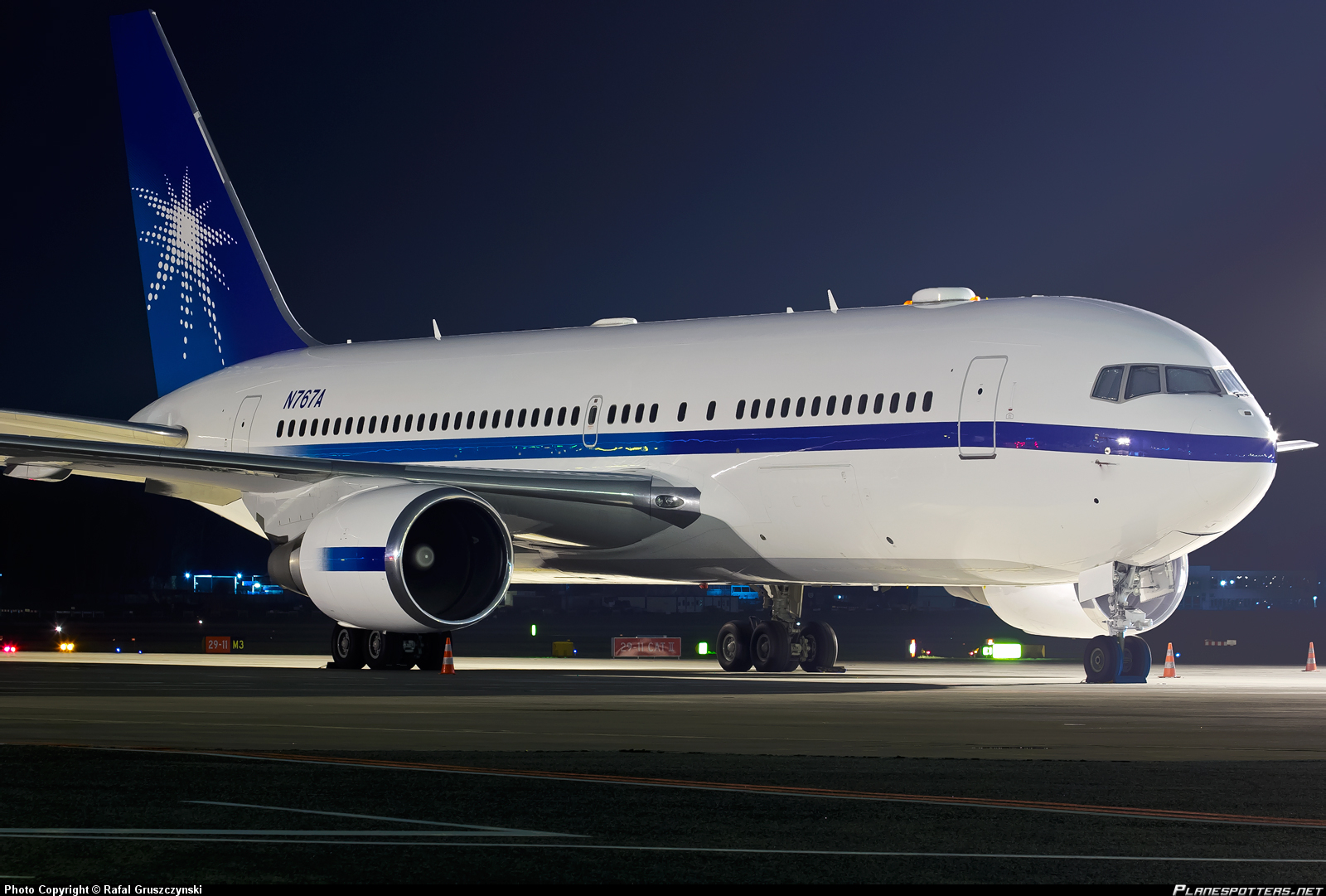
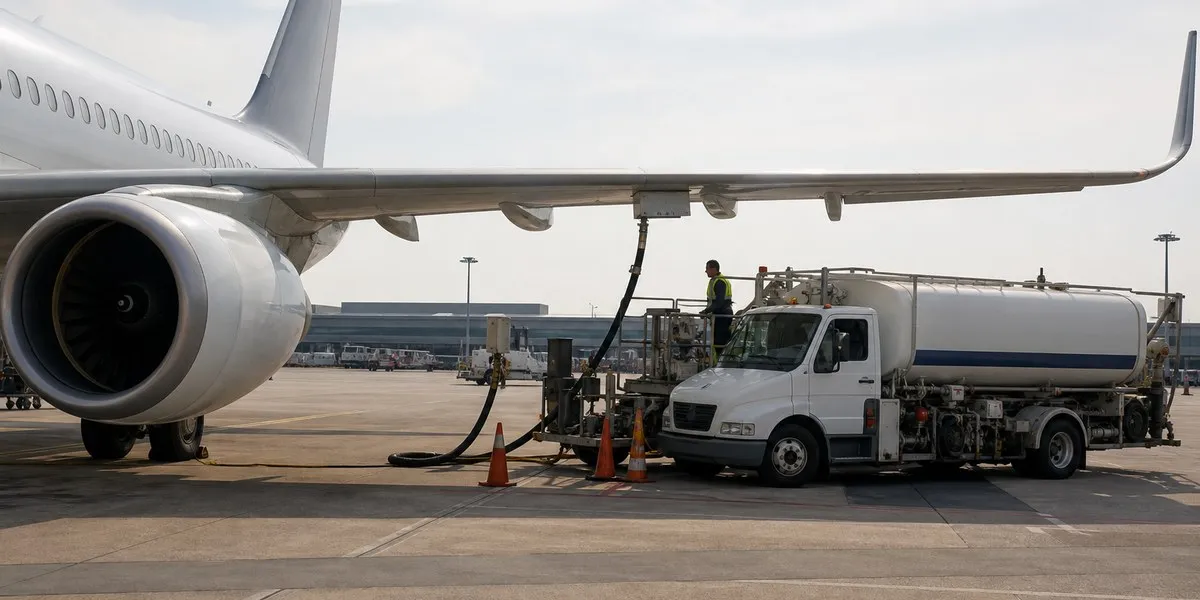
Europe faces a critical energy supply crisis that directly impacts cross-border e-commerce logistics costs. The continent confronts a 510,000 barrel-per-day jet fuel deficit in Q4 2024, driven by Middle Eastern geopolitical disruptions (Iran war cutting off ~50% of traditional supplies) and Saudi Arabia's cancellation of crude shipments to European buyers. Jet fuel inventories at the Amsterdam-Rotterdam-Antwerp (ARA) hub hit a seven-year low of 454,000 tons as of September 2024, while kerosene shortages loom for winter heating demand. This dual crisis directly translates to elevated logistics costs for sellers operating 3PL networks, FBA fulfillment centers, and temperature-controlled warehouses across the EU.
For cross-border sellers, the operational impact is immediate and quantifiable. Energy inflation reached 14.3% in August 2024, with diesel and gasoline hitting all-time peaks. Sellers relying on fuel-dependent transportation—particularly those shipping temperature-sensitive categories (electronics, beauty, pharmaceuticals, perishables)—face 12-15% shipping cost increases through Q4. Airlines including Wizz Air have already reduced winter capacity by 5% due to fuel surcharges, signaling broader logistics constraints. The widening price spread between Asian and European diesel benchmarks makes long-haul imports increasingly expensive, compressing margins for sellers sourcing from Asia-Pacific suppliers. Smaller carriers with weak fuel hedging positions face greater vulnerability, potentially triggering freight delays and warehouse congestion at European distribution hubs.
Strategic sourcing shifts are accelerating. South Korea has emerged as Europe's largest jet fuel supplier (129,000 barrels daily in September 2024—a four-year high), while Nigeria's Dangote Refinery supplies 80,000 barrels daily. This reshapes shipping routes and transit times: fuel now travels longer distances to European airports, justifying premium pricing for traders but increasing costs for sellers. Sellers with inventory in European warehouses face elevated storage costs due to heating fuel scarcity and operational inefficiencies. The supply deficit is expected to persist through Q4 2024, with industry analysts warning that energy costs will remain elevated, directly impacting consumer prices and industrial competitiveness. For sellers with tight margins in categories like apparel, home goods, and electronics, this represents a 2-4% margin compression unless prices are adjusted or sourcing strategies are diversified away from fuel-intensive routes.
Competitive advantage shifts toward sellers with supply chain flexibility. Large sellers with diversified 3PL networks across multiple regions (US, Canada, Asia-Pacific) can route shipments to avoid peak European congestion. Medium-sized sellers relying on single-source European fulfillment face the greatest pressure. Sellers should immediately audit their logistics partnerships, negotiate fuel surcharge caps with carriers, and consider shifting inventory to less-congested distribution hubs in North America or Asia-Pacific for Q4 2024. The timing window is critical: fuel costs are expected to remain elevated through December 2024, making this a 90-day operational challenge requiring immediate action.
Questions 7
How long will Europe's energy crisis impact shipping costs and when should I expect relief?
Europe's energy crisis is projected to persist through Q4 2024, with industry analysts warning that energy costs will remain elevated through December. The 510,000 barrel-per-day jet fuel deficit and seven-year low inventory levels at ARA hub indicate structural supply constraints lasting 90+ days. Relief is unlikely before January 2025 unless Middle Eastern geopolitical tensions ease or alternative suppliers (South Korea, Nigeria) significantly increase volumes. Plan for elevated logistics costs through December 2024 and budget 12-15% shipping cost increases in your Q4 financial models. Monitor energy price trends weekly and adjust pricing strategies accordingly to protect margins.
Which sellers have competitive advantage during Europe's energy crisis?
Large sellers with diversified 3PL networks across multiple regions (US, Canada, Asia-Pacific) can route shipments to avoid peak European congestion and fuel surcharges. Sellers with North American sourcing gain advantage over Asia-Pacific sourcing due to shorter, less fuel-intensive routes. Sellers in high-margin categories (electronics, beauty, luxury goods) can absorb cost increases better than low-margin sellers. Sellers with strong carrier relationships and fuel surcharge hedging contracts maintain pricing power. Medium-sized sellers relying on single-source European fulfillment face greatest pressure. Small sellers with limited logistics flexibility should consider marketplace diversification (eBay, Shopify) to reduce Amazon FBA exposure during Q4 2024.