


Walmart's Anti-Personalized Pricing Stance | AI Transparency Reshapes Retail Competitive Dynamics
- Walmart commits to "price the product, not the person" strategy; digital shelf labels (DSLs) rolling out nationwide by year-end 2026; AI-driven pricing transparency becomes competitive differentiator for sellers






Overview
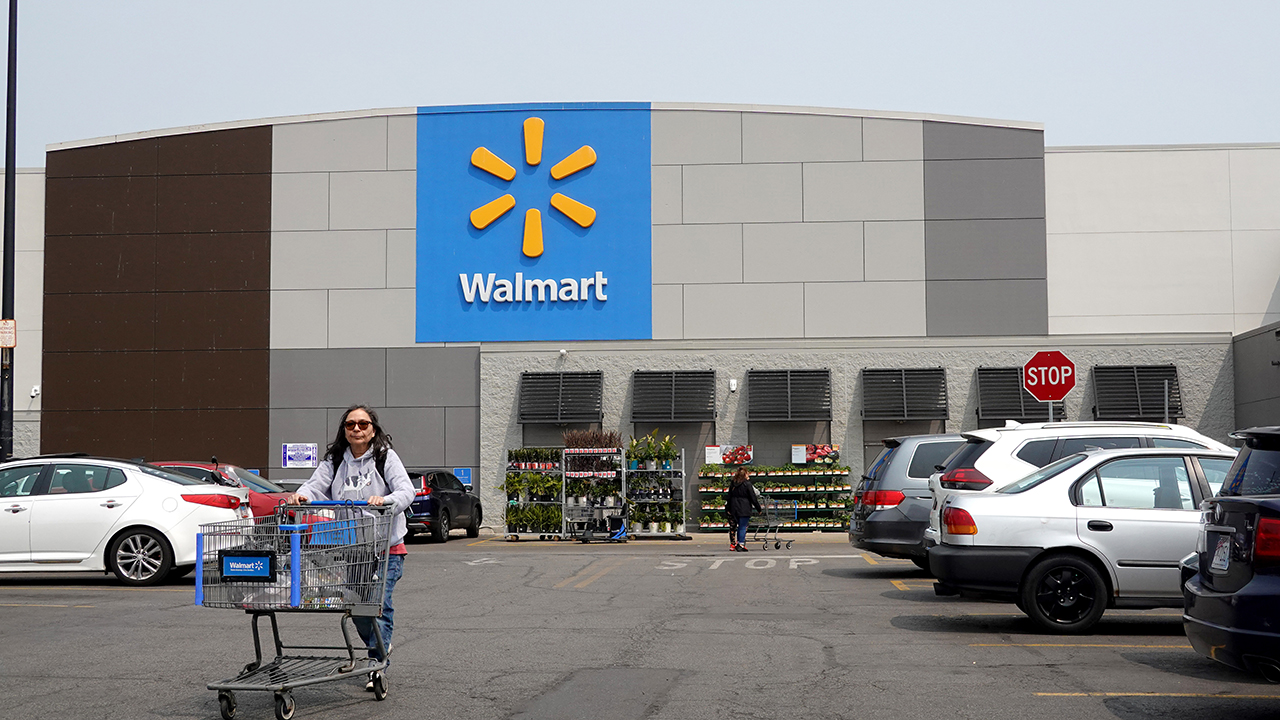
Walmart's formal commitment against personalized pricing represents a critical inflection point for retail AI strategy and seller competitive positioning. On September 27, 2026, CEO John Furner issued an explicit pledge that Walmart will not use customer personal data, shopping history, income levels, or AI-powered insights to implement discriminatory pricing—a direct response to growing consumer and regulatory scrutiny of dynamic pricing practices. The company outlined three binding commitments: (1) prices will not vary based on customer identity or time of day, (2) Sparky AI shopping assistant interactions will not trigger price increases or conceal lower-priced options, and (3) customer data will remain under consumer control. This positioning directly contradicts industry trends toward algorithmic pricing optimization, where retailers like Amazon and others leverage demand signals, inventory levels, and competitor pricing for real-time margin maximization.
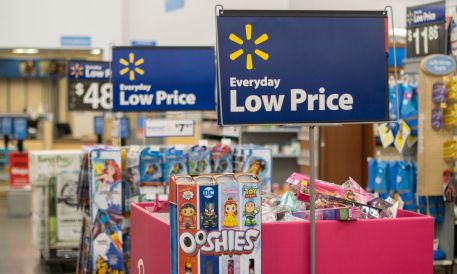
For third-party sellers and marketplace operators, Walmart's stance creates immediate competitive intelligence opportunities and operational challenges. The digital shelf label (DSL) rollout—underway since 2024 with nationwide completion targeted by year-end 2026—enables Walmart to update prices remotely across its entire network while maintaining transparency about cost-driven adjustments only. This infrastructure investment reduces manual labor costs (estimated 15-25% reduction in shelf-management hours per store) while simultaneously building consumer trust through visible pricing consistency. Sellers supplying Walmart must now anticipate that their products will compete in a "trust-based" pricing environment where margin compression from dynamic pricing is explicitly prohibited. Simultaneously, sellers on competing platforms (Amazon, eBay, Shopify) face a strategic dilemma: continue pursuing algorithmic pricing optimization or adopt transparency-first positioning to match Walmart's consumer-trust narrative.
The regulatory and consumer sentiment backdrop amplifies the competitive stakes. Harvard Business School research confirms dynamic pricing can optimize margins by 5-15% through demand-responsive adjustments, yet consumer advocates and regulators increasingly view personalized pricing as discriminatory. Walmart's public commitment effectively sets a new industry standard for pricing transparency, forcing competitors to either match this stance or risk reputational damage and regulatory scrutiny. For sellers, this creates a 6-18 month window to audit their own pricing algorithms, assess compliance with emerging transparency expectations, and potentially shift toward cost-justified pricing models. Sellers currently relying on AI-driven dynamic pricing for margin protection must develop alternative efficiency strategies—inventory optimization, supply chain cost reduction, or category expansion—to maintain profitability in a transparency-first retail environment.
Questions 8
What are the immediate actions sellers should take in response to this announcement?
Sellers should immediately audit their own pricing algorithms and assess compliance with emerging transparency expectations (0-30 days). Review whether current dynamic pricing strategies align with cost-justified adjustments only, or if they incorporate demand signals, customer data, or inventory levels for margin optimization. Evaluate pricing transparency in product listings and marketing materials—consider whether current messaging aligns with Walmart's 'price the product, not the person' positioning. For sellers on competing platforms, assess whether to adopt transparency-first positioning to match Walmart's consumer-trust narrative (1-3 months). Develop alternative efficiency strategies beyond algorithmic pricing: inventory optimization, supply chain cost reduction, or category expansion (3-6 months). Monitor regulatory developments regarding algorithmic pricing discrimination, as Walmart's commitment may accelerate regulatory action (ongoing). Finally, for Walmart suppliers specifically, prepare for potential margin compression and develop cost-reduction strategies to maintain profitability in a transparency-first environment.
What is the timeline for Walmart's digital shelf label rollout and what does it mean for sellers?
Walmart has been rolling out digital shelf labels (DSLs) since 2024 with plans to complete nationwide implementation by year-end 2026. This 2-3 year rollout window represents a significant operational shift enabling faster price updates and reduced labor costs. For sellers, this means Walmart's pricing infrastructure will become increasingly automated and transparent by late 2026. Sellers should expect that price negotiations and promotional strategies will need to align with Walmart's cost-justified pricing model. The DSL infrastructure also enables real-time inventory-based pricing adjustments (within Walmart's transparency constraints), so sellers should monitor how their products are positioned in Walmart's pricing hierarchy and ensure cost structures support competitive positioning in this environment.