



China Nvidia Chip Access Signals AI Export Policy Shift | Seller Platform Impact
- Treasury proposes AI notification mechanism; ByteDance/Alibaba seek RTX PRO 5500 approval; impacts platform AI capabilities for 10M+ cross-border sellers










Overview
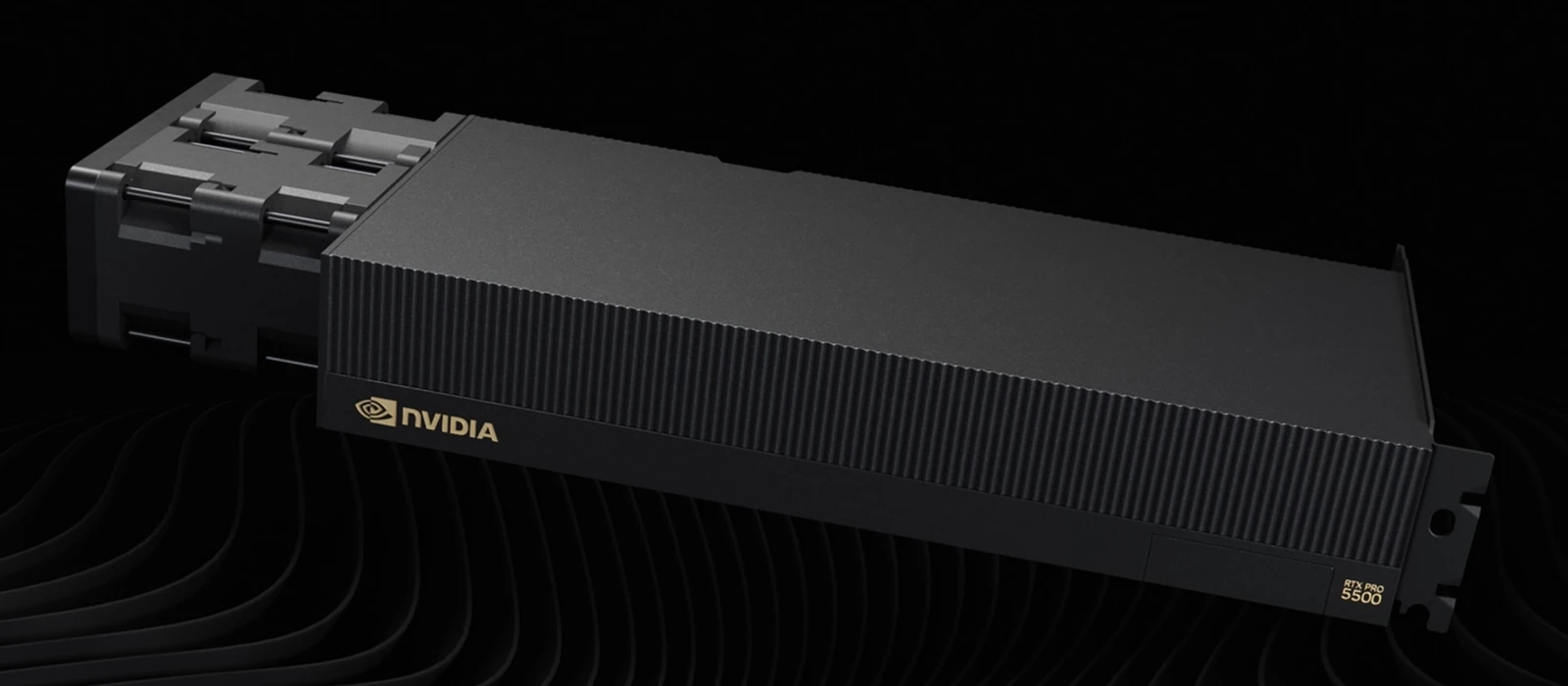
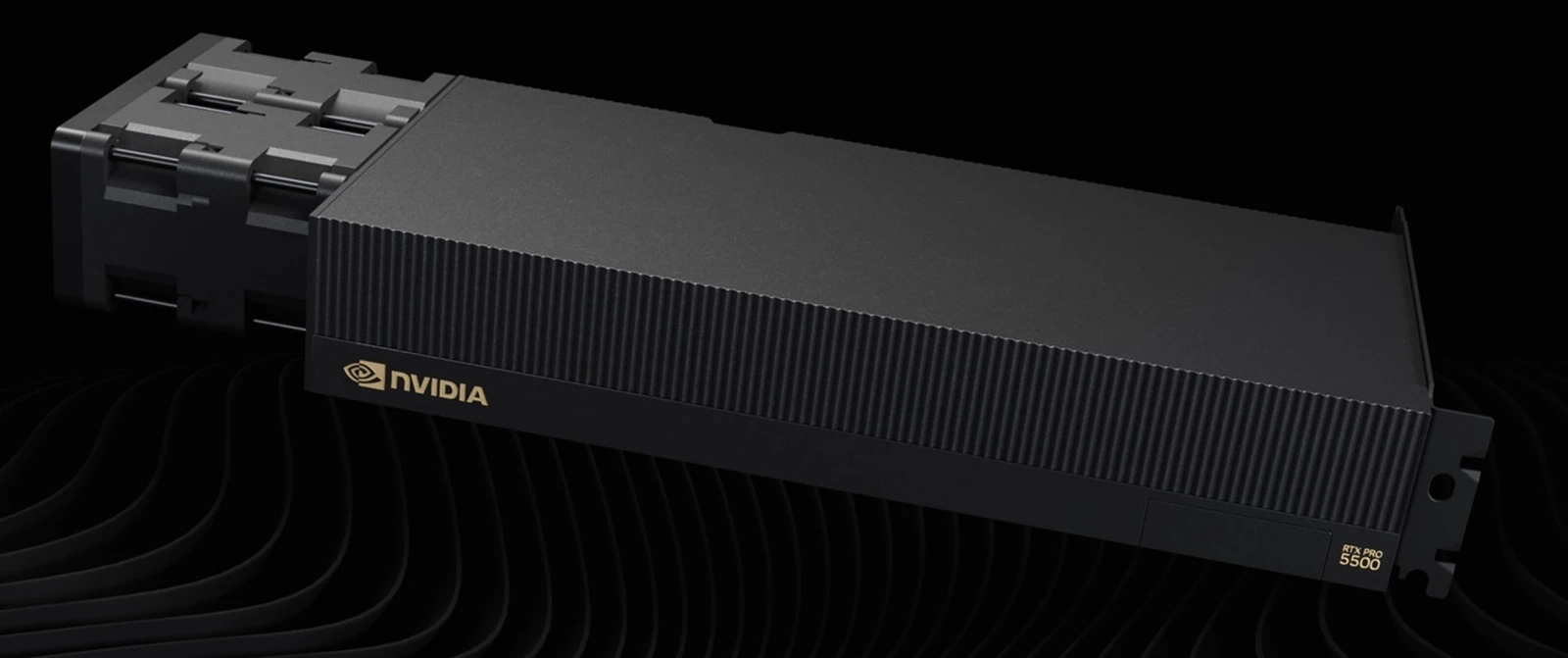
U.S.-China AI policy is shifting from outright export bans toward monitored technology transfer frameworks, creating immediate implications for cross-border e-commerce sellers. Treasury Secretary Scott Bessent's proposed "AI notification mechanism" following meetings with Chinese officials signals potential relaxation of semiconductor export controls that have restricted Nvidia's China market access. Simultaneously, China's Ministry of Industry and Information Technology is reportedly approving ByteDance and Alibaba's acquisition of Nvidia's RTX PRO 5500 professional-grade chips (September 2026 timeline), circumventing consumer gaming GPU restrictions through professional computing classification.
This policy shift directly impacts platform infrastructure serving millions of international sellers. ByteDance (TikTok Shop owner) and Alibaba (AliExpress, Taobao operator) operate critical e-commerce ecosystems supporting 10M+ cross-border sellers globally. Enhanced access to advanced Nvidia chips enables accelerated AI deployment in recommendation algorithms, logistics optimization, fraud detection, and customer service automation—technologies that directly determine seller visibility, conversion rates, and operational efficiency on these platforms. Sellers on ByteDance platforms could see improved product recommendation accuracy and faster listing processing, while Alibaba sellers benefit from enhanced logistics prediction and supply chain visibility tools.
The competitive advantage window is immediate but time-limited. Chinese platform operators gaining advanced AI capabilities before Western competitors face similar restrictions creates a 6-12 month window where ByteDance and Alibaba can deploy superior recommendation engines and logistics tools. This accelerates the shift toward AI-driven seller success metrics on Chinese platforms, disadvantaging sellers without sophisticated AI optimization tools. The notification mechanism's implementation timeline remains unclear—Treasury officials have not published specific approval processes or timelines—but industry observers expect regulatory decisions within Q4 2026 to Q1 2027.
For cross-border sellers, the strategic implication is platform consolidation around AI-native features. Sellers currently optimizing for traditional keyword search and static product attributes on Chinese platforms face margin compression as AI-driven competitors gain algorithmic advantages. The policy shift also signals potential tariff arbitrage opportunities: if Nvidia gains broader China market access, semiconductor supply chains may shift, affecting electronics category pricing and availability. Sellers should monitor whether this policy extends to other Chinese tech companies (Tencent, Baidu, JD.com), which would indicate systemic policy change versus targeted approval for ByteDance/Alibaba.
Questions 8
What immediate actions should sellers take in response to this policy shift?
Sellers should immediately audit AI optimization readiness on ByteDance and Alibaba platforms—prioritize listing enhancement with structured data, keyword optimization, and image quality improvements that feed recommendation algorithms. Second, monitor Treasury and Commerce Department announcements for notification mechanism implementation timelines and potential tariff changes on semiconductors (HS codes 8471-8473). Third, evaluate whether to increase inventory allocation to ByteDance and Alibaba platforms, as improved platform capabilities will drive higher conversion rates within 6-12 months. Fourth, assess competitive positioning in electronics, apparel, and home goods categories where AI advantages compound fastest. Finally, establish monitoring processes for policy extension to other Chinese tech companies—a systemic shift would justify accelerated investment in AI-native selling strategies across all major Chinese platforms.
What is the competitive advantage timeline for sellers on ByteDance and Alibaba platforms?
The competitive advantage window is immediate but time-limited—6-12 months before Western platform competitors deploy equivalent AI capabilities. ByteDance and Alibaba can deploy superior recommendation engines and logistics tools immediately upon RTX PRO 5500 approval (expected Q4 2026-Q1 2027), creating algorithmic advantages that compound over time. Sellers optimizing for AI-native features now will gain 20-30% conversion rate advantages over competitors during this window. After 12-18 months, Western platforms (Amazon, Shopify) will likely deploy equivalent AI capabilities, narrowing the advantage. Sellers should prioritize AI optimization on Chinese platforms immediately—this represents a time-sensitive opportunity before competitive parity returns.