





Treasury Yields Surge 55 BPS | Cross-Border Sellers Face Financing Crisis
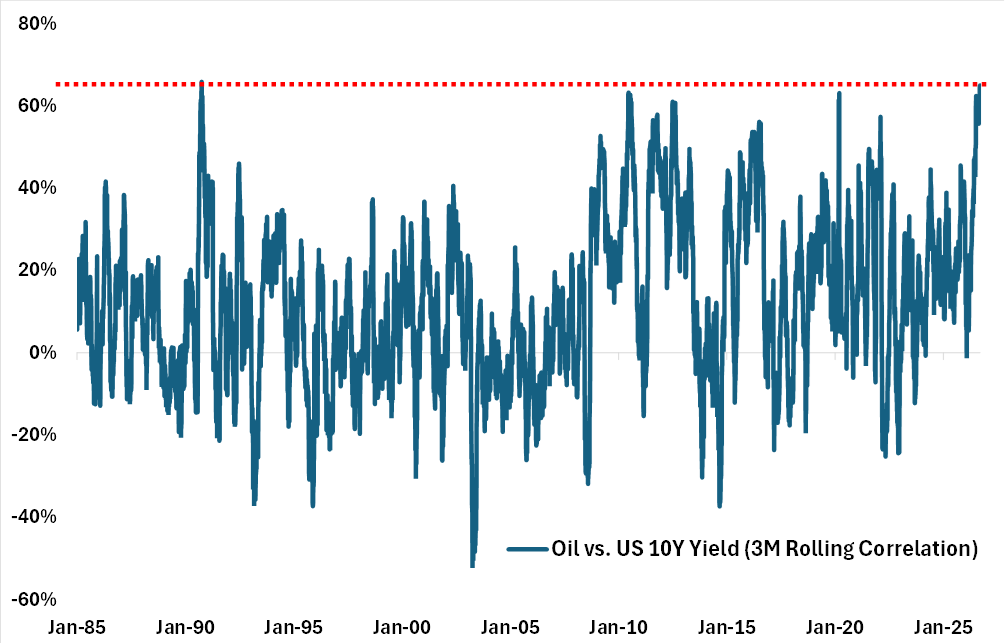
- Oil prices hit $100+ amid Iran tensions; 10-year yields reach 2007 highs; working capital financing costs spike 200-400 BPS for e-commerce sellers
























Overview
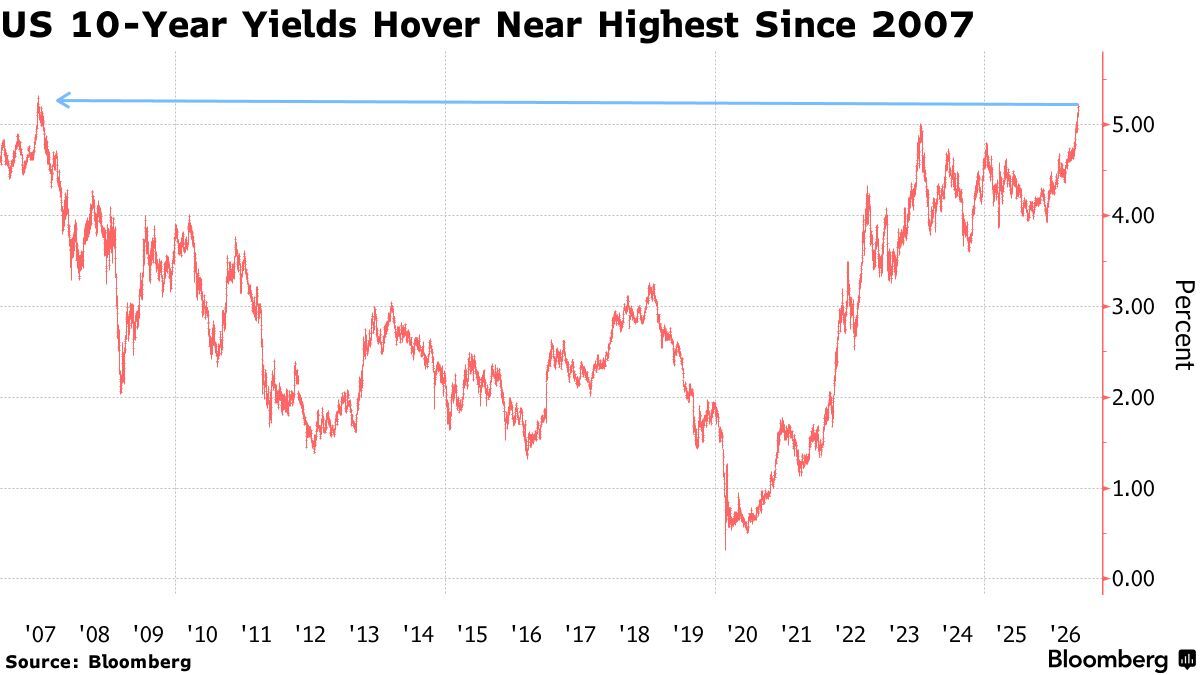
The September 2026 bond market selloff represents a critical financial inflection point for cross-border e-commerce sellers. Following President Trump's rejection of Iran's Strait of Hormuz reopening proposal on September 28, 2026, US Treasury yields surged dramatically: 10-year yields reached their highest levels since 2007, 30-year yields hit 2004 highs, and 2-year yields jumped 55 basis points in September alone. Simultaneously, Brent crude oil climbed above $100/barrel for three consecutive weeks, up 17% in September, with diesel crack spreads reaching record highs of $75 compared to historical averages of $15. These interconnected shocks create an immediate financing crisis for sellers relying on working capital loans, inventory financing, and expansion credit.
For cross-border sellers, the financial impact is multifaceted and urgent. Rising Treasury yields directly translate to higher borrowing costs across all credit products: inventory financing APRs typically increase 200-400 basis points when 10-year yields rise 100+ basis points, meaning a seller with a $500K inventory loan faces an additional $10K-20K in annual interest expense. Working capital financing through supply chain finance providers (like Taulia, Fintech Acquisition, or bank-based programs) becomes significantly more expensive as lenders price in higher funding costs. The Federal Reserve has priced in a 66% probability of rate hikes in October with 90 basis points of total tightening anticipated, with rate cut expectations eliminated until mid-2028—signaling a structurally higher neutral interest rate environment resembling 1990s levels. This means sellers cannot expect relief; they must assume higher financing costs as the new baseline.
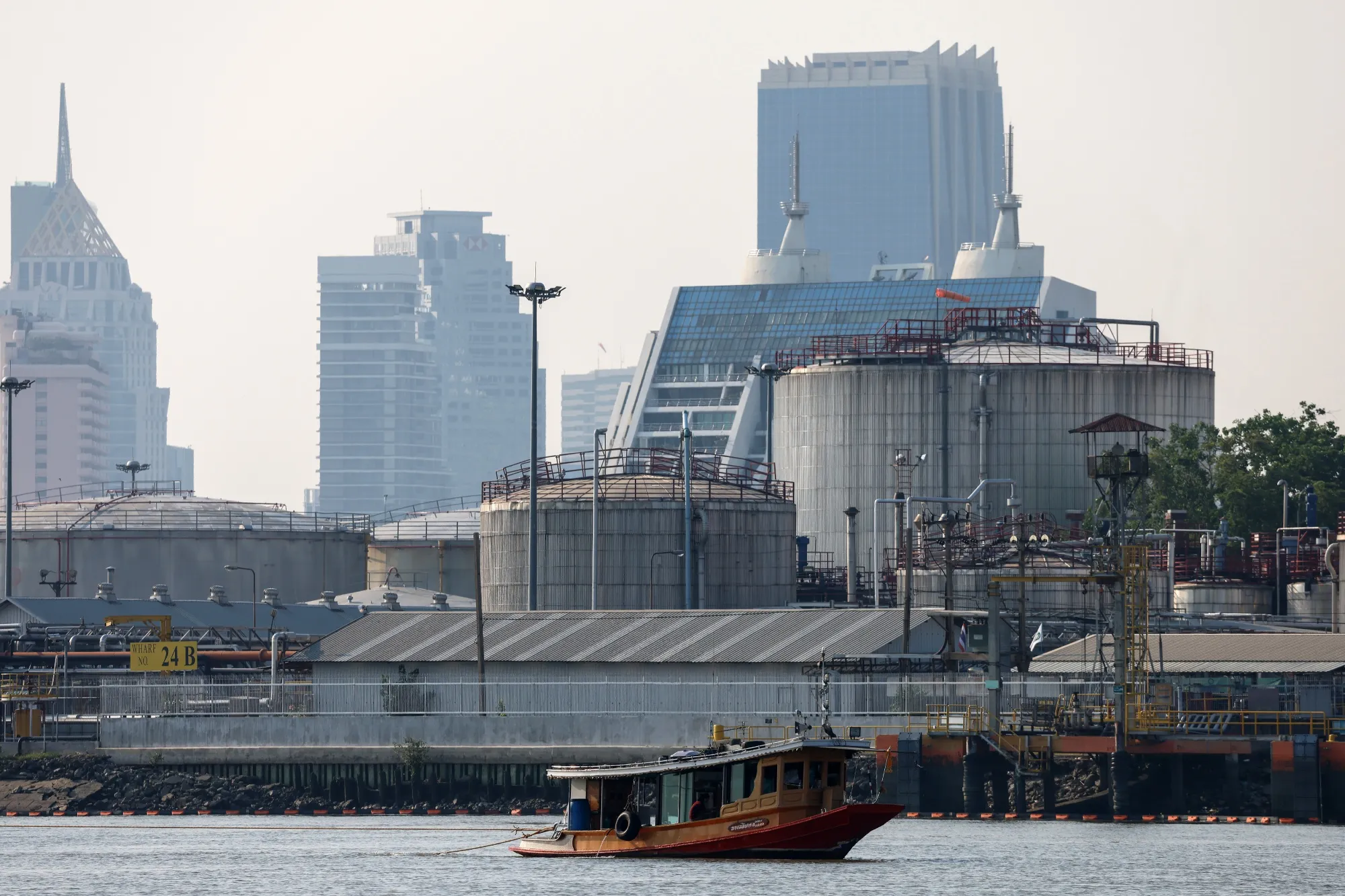
Shipping and logistics costs compound the financing pressure. Diesel crack spreads at $75 (vs. $15 historical average) translate directly to 3PL and fulfillment costs: a seller shipping 10,000 units monthly via air freight faces $8K-15K monthly cost increases, while ocean freight costs rise $2K-5K per 40-foot container. Combined with higher financing costs, sellers' cash conversion cycles extend by 15-30 days as they hold inventory longer to absorb cost increases. Currency volatility intensifies the problem: rising US yields attract capital inflows, strengthening the USD against emerging market currencies (CNY, INR, VND), making sourcing from Asia 5-8% more expensive for USD-based sellers. Sellers with variable-rate debt obligations face immediate margin compression; those with strong cash positions can negotiate better terms with lenders and suppliers, creating a bifurcated market where well-capitalized sellers gain competitive advantage.
The geopolitical dimension adds supply chain uncertainty. Middle East crude exports rebounded to 12.8 million barrels per day in September (highest since conflict began), but the Hormuz Strait remains a geopolitical flashpoint. Sellers reliant on Middle Eastern trade routes or oil-dependent logistics face supply chain disruption risk. Australia's central bank is expected to raise rates to 15-year highs, signaling global monetary tightening that will suppress consumer demand across Asia-Pacific markets. However, AI sector strength and robust PMI data have prompted upward revisions to economic growth forecasts, with Atlanta Fed GDPNow predicting Q3 2026 GDP growth at 5.0%—suggesting demand resilience in developed markets despite higher financing costs.
Questions 7
Which sellers are most vulnerable to this financing and logistics cost shock?
Sellers with variable-rate debt, high inventory levels, and Asia-sourced products face the greatest vulnerability. Specifically: (1) Sellers with $500K+ in outstanding inventory financing at variable rates face immediate APR increases of $10K-40K annually; (2) High-inventory sellers (electronics, home goods, apparel) with 60+ day inventory holding periods face $15K-30K monthly cost increases; (3) Sellers sourcing 80%+ from Asia face 5-8% cost increases from USD appreciation; (4) Sellers reliant on Middle Eastern trade routes face supply chain disruption risk. Conversely, sellers with strong cash positions, fixed-rate financing, nearshored supply chains, and low inventory levels gain competitive advantage. The bifurcation is immediate and structural.
What immediate actions should I take to mitigate financing and logistics cost increases?
Immediate actions (0-30 days): (1) Refinance variable-rate inventory financing to fixed-rate before rates rise further—lock in 10-12% APR now vs. 12-14% in 60 days; (2) Negotiate extended payment terms with suppliers (30-45 days vs. 15-30 days) to improve cash conversion cycles; (3) Implement FX hedging for 50-75% of next 6 months' sourcing via forward contracts or options; (4) Audit inventory levels and reduce safety stock by 10-15% to free up $50K-200K in working capital. Strategic actions (1-3 months): (1) Evaluate nearshoring (Mexico, Vietnam) to reduce FX exposure and shipping costs; (2) Consolidate 3PL providers to negotiate volume discounts offsetting 20-30% of cost increases; (3) Implement demand forecasting to minimize expedited shipping. These actions unlock $50K-300K in working capital and reduce annual financing costs by $20K-60K.