


Record Diesel Prices Surge Logistics Costs 5-15% | Critical Impact for E-Commerce Sellers
- Fuel surcharges on 3PL and FBA shipments increase 5-15% as diesel hits record levels; small sellers face margin compression while large carriers consolidate market


































Overview
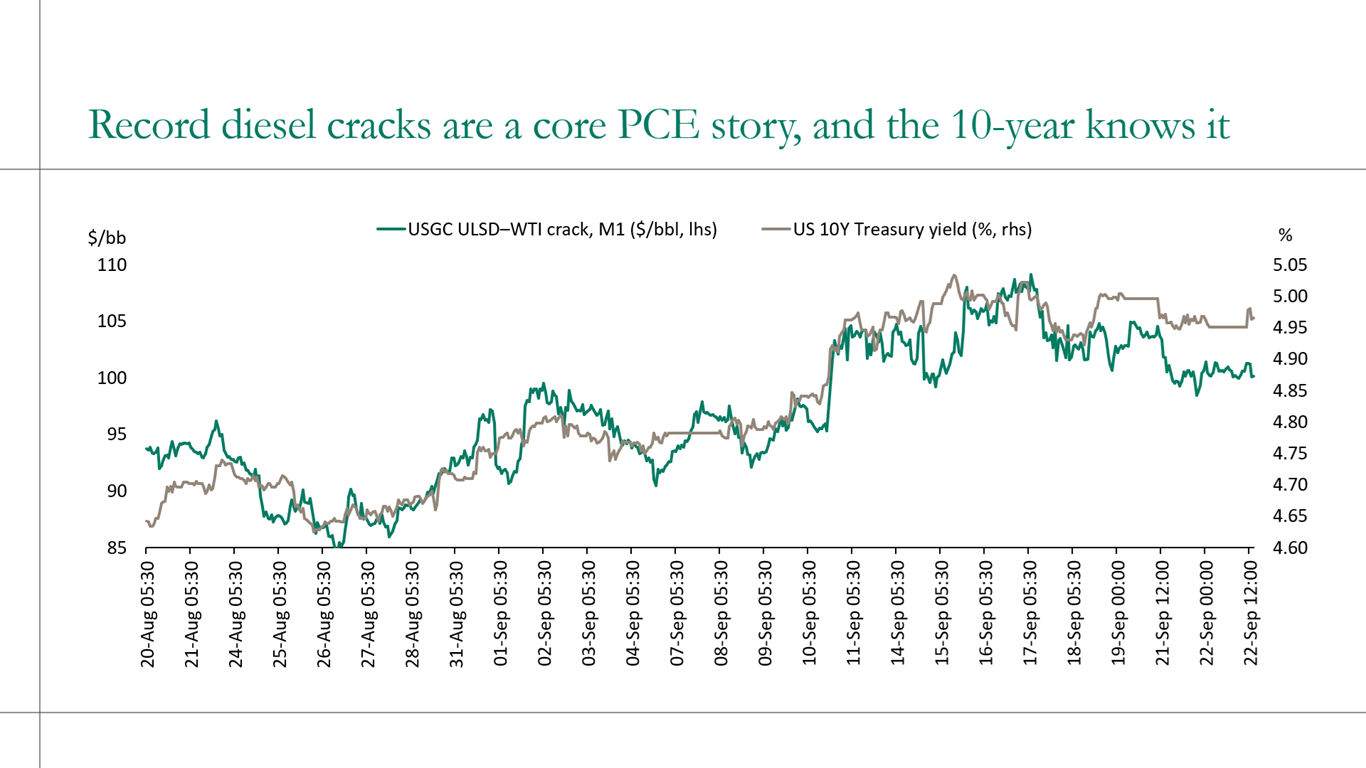
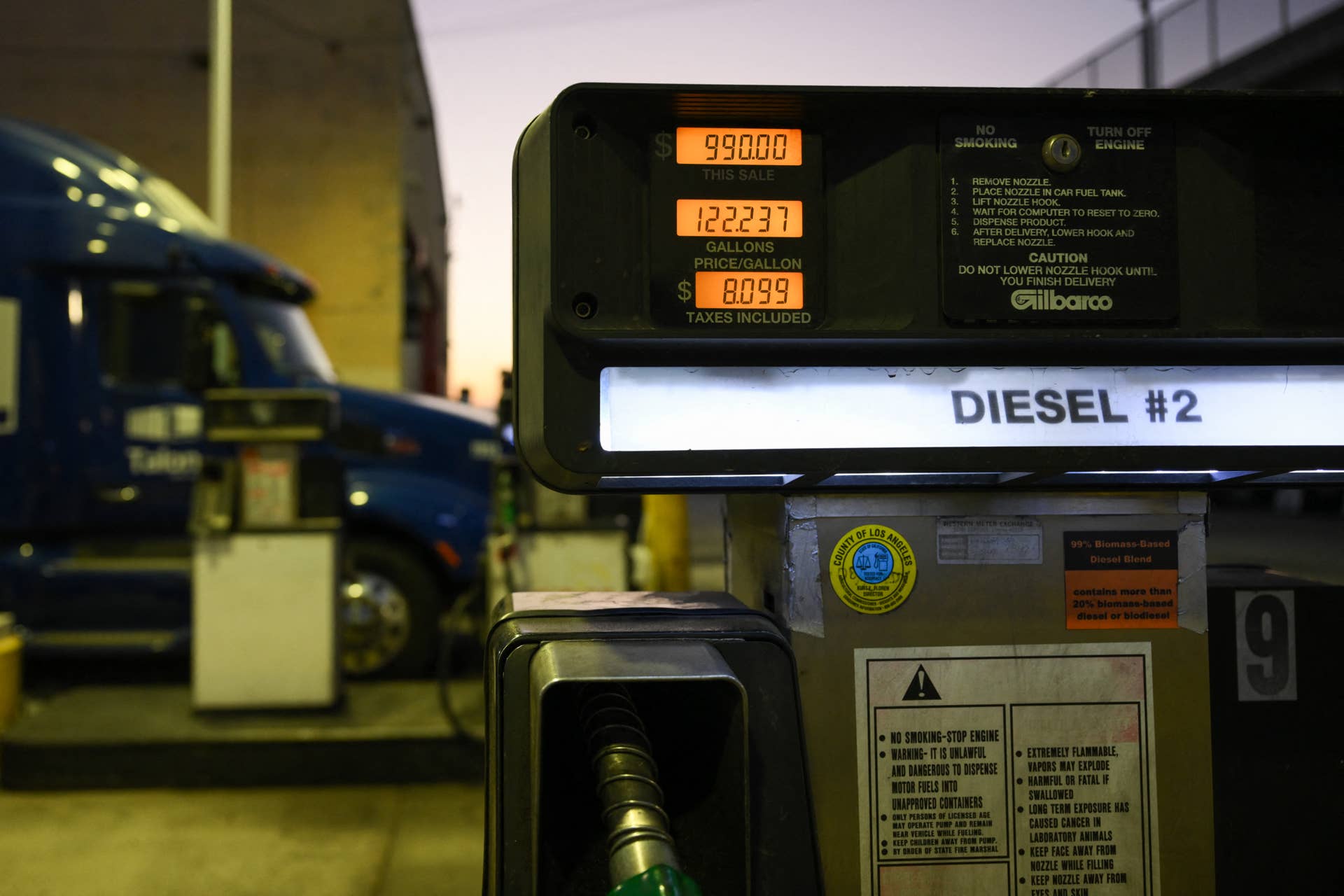
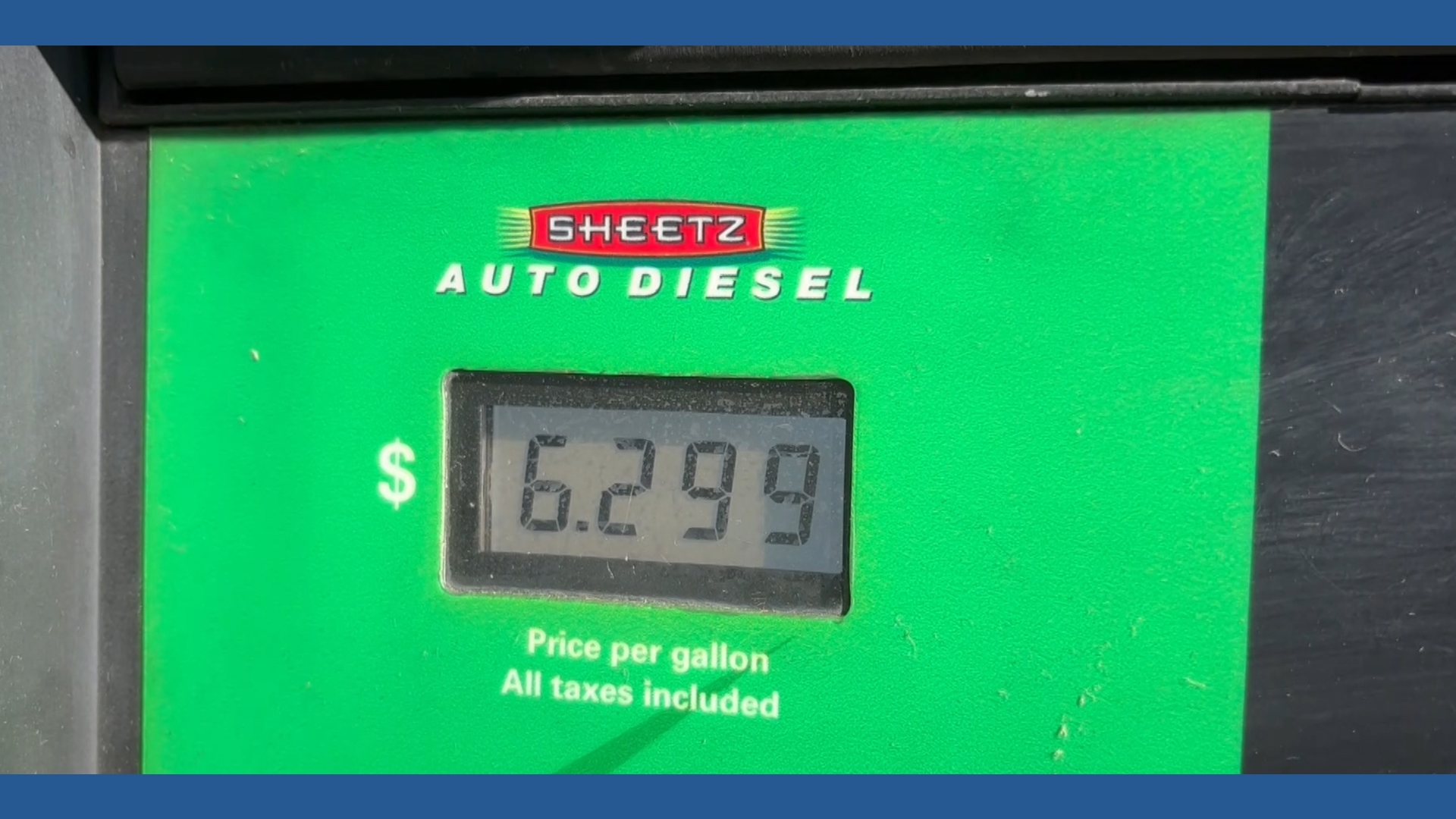
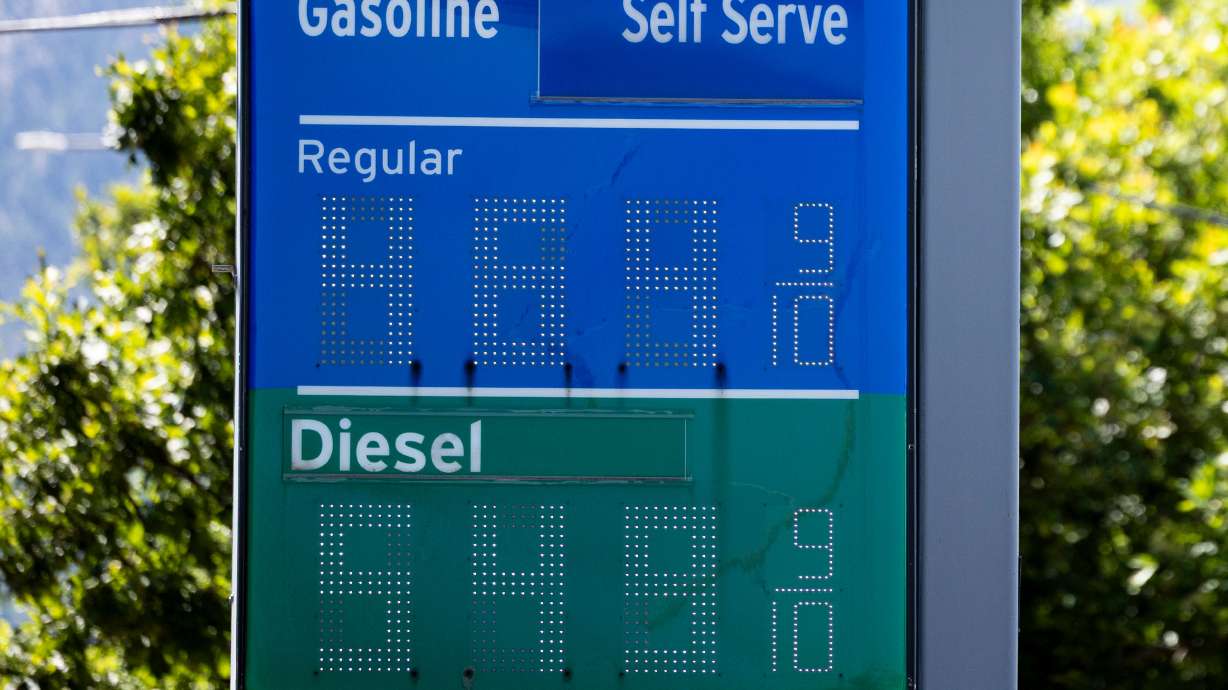
Record diesel prices are creating an immediate cost crisis for cross-border e-commerce sellers, with fuel surcharges on ground transportation and last-mile delivery now ranging 5-15% of base shipping rates. JPMorgan's strategic positioning in diesel markets signals confidence in sustained high energy costs, indicating this is not a temporary spike but a structural shift in logistics economics. For e-commerce merchants, elevated diesel directly impacts three critical cost centers: freight expenses for inventory movement, warehouse operations (3PL handling and storage), and last-mile delivery fees—collectively representing 15-25% of total landed costs for most sellers.
The impact is asymmetric across seller segments. Large enterprise sellers (Amazon, Walmart, major brands) have negotiating power to lock fixed-rate contracts with carriers and can absorb fuel surcharges through volume discounts. Small and medium-sized sellers (SMBs) operating on 10-30% net margins face acute pressure, as carriers increasingly pass fuel costs directly to merchants through quarterly surcharge adjustments tied to diesel benchmarks. The Utah trucking industry's crisis—with independent operators and small fleet owners reporting fuel expenses consuming unsustainable portions of revenue—signals potential market consolidation. Smaller 3PL providers may exit or merge, reducing fulfillment options and increasing rates for SMB sellers who depend on competitive carrier pricing.
Immediate logistics strategy shifts are essential. Sellers should: (1) Negotiate fixed-rate contracts NOW before Q1 2025 quarterly adjustments—locking rates for 6-12 months protects against further surcharge increases; (2) Consolidate shipments to reduce per-unit transportation costs—combining multiple SKUs into fewer, heavier shipments lowers fuel surcharge impact; (3) Evaluate regional fulfillment positioning—shifting inventory to warehouses closer to customer bases (e.g., US Midwest for domestic, EU distribution centers for European markets) reduces transportation distances and fuel exposure; (4) Audit 3PL contracts for fuel surcharge clauses—many carriers have automatic pass-through provisions that can increase costs 8-12% quarterly. For sellers shipping 1,000+ units monthly, these actions can preserve 2-4% margin points. Cross-border sellers should prioritize air freight consolidation routes (e.g., Asia-to-US via consolidated LCL services) and consider nearshoring inventory to reduce ground transportation dependency. Monitor carrier announcements quarterly—fuel surcharges typically adjust in January, April, July, and October based on diesel index benchmarks.
Questions 7
What's the total landed cost impact of diesel price increases on my products?
For a typical cross-border seller, fuel surcharges add 2-4% to total landed cost (manufacturing + shipping + tariffs + storage). Example: Product with $10 manufacturing cost, $3 ocean freight, $1 tariff, $0.50 storage = $14.50 landed cost. A 10% fuel surcharge adds $0.30-0.40 to landed cost, compressing margins from 30% to 27-28%. For sellers with thin margins (10-15%), this translates to 15-25% margin compression. High-volume sellers (10,000+ units monthly) can negotiate fixed-rate contracts to mitigate impact, while SMBs absorb costs or raise prices 3-5%. Calculate your specific impact: multiply monthly shipping volume × current fuel surcharge rate × average shipment weight. If impact exceeds 2% of revenue, prioritize contract negotiation and fulfillment repositioning immediately.
How do fuel costs affect my Amazon FBA and Shopify fulfillment strategy?
Amazon FBA costs are indirectly affected through increased logistics expenses that Amazon passes to sellers via storage and fulfillment fees. While FBA fees don't explicitly include fuel surcharges, Amazon's fulfillment network costs rise with diesel prices, potentially triggering fee increases in Q2-Q3 2025. For Shopify sellers using 3PL fulfillment, fuel surcharges directly impact shipping costs—expect 5-15% increases on ground transportation. Consider hybrid fulfillment: use FBA for fast-moving SKUs (BSR <10,000) where Amazon's logistics efficiency justifies fees, and use regional 3PLs for slower-moving inventory to avoid FBA storage fees while managing fuel surcharge exposure. For sellers with high inventory turnover (>4x annually), FBA remains cost-effective despite fuel pressures. For slower-moving categories, 3PL with optimized regional positioning offers better economics.