





AI Cost Crisis Drives Open-Weight Adoption | Sellers Save 60-80% on Automation Tools
- Major AI vendors slash prices 50% while infrastructure costs soar; businesses shift to open-weight models to control $1M-$10M annual AI expenses


















Overview
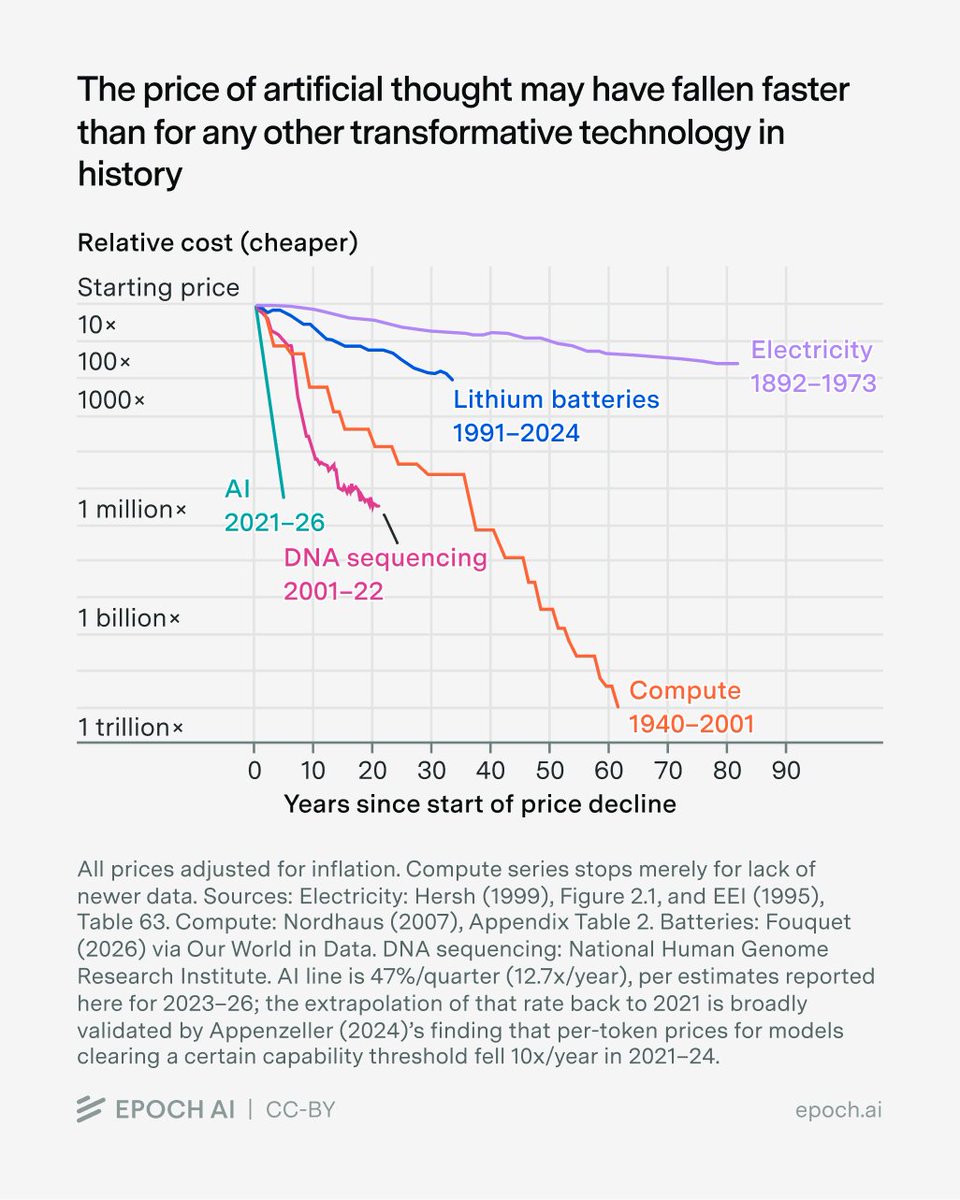
The artificial intelligence industry faces a critical pricing paradox that directly impacts e-commerce sellers' operational costs and automation strategy decisions. Major vendors including Microsoft, Amazon, Workday, and Figma are slashing AI model prices up to 50% to retain customers migrating to competitors Anthropic and OpenAI, while simultaneously infrastructure costs escalate dramatically—Anthropic alone negotiating a $40 billion data center lease. This divergence reveals fundamental economic stress: only 1 in 10 companies demonstrate measurable ROI from AI implementations, indicating weak demand relative to supply.
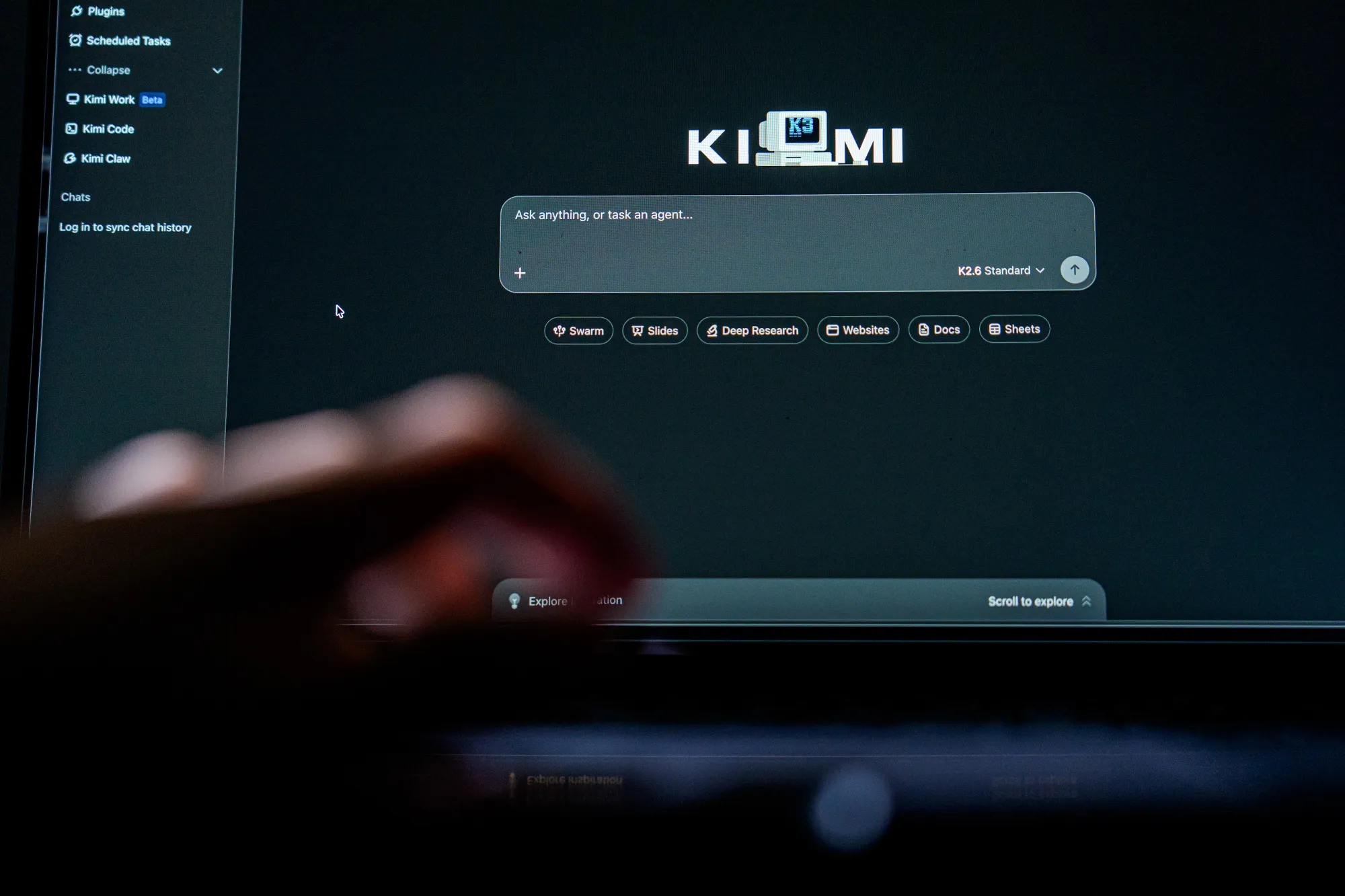
For e-commerce sellers, this creates an immediate automation opportunity. Open-weight AI models—which organizations run on their own hardware—offer 60-80% cost savings compared to proprietary solutions. According to AlphaSense research, management references to open-weight AI surged sixfold in August-September 2026 versus 2025, with major corporations including logistics provider CH Robinson and financial services firms publicly adopting these models. Tinder's CTO disclosed the company routed non-technical customer queries to open-weight models, reducing AI infrastructure costs from escalating patterns ($1M annually in January to $10M by July 2026). This demonstrates frontier models like OpenAI's Astra and Claude Fable possess sufficient capability for 90% of required tasks—meaning sellers can achieve equivalent automation results at fraction of cost.
The immediate automation wins for sellers are substantial: Product research automation, dynamic pricing optimization, customer service chatbots, and inventory forecasting can migrate from expensive proprietary APIs ($500-2,000/month) to open-weight alternatives ($50-200/month). Mid-market sellers currently spending $10,000-50,000 annually on AI-powered tools can reduce costs by $6,000-40,000 by adopting open-weight models. The tradeoff involves increased responsibility for system management, but the financial pressure is forcing this shift across industries. As AI deployment expands beyond isolated chatbots into enterprise functions—finance, procurement, compliance—sellers gain access to production-grade automation at consumer-grade pricing. This pricing collapse creates a 6-12 month window where early adopters gain competitive advantage through lower operational costs before market equilibrium restores margins.
Questions 8
When should sellers begin migrating to open-weight AI models?
Sellers should begin immediately with non-critical functions to gain experience and validate cost savings. Start with customer service chatbots, product research automation, or inventory forecasting—functions where 90% capability is sufficient and failures have limited impact. Allocate 2-4 weeks for pilot testing, then expand to additional functions based on results. The pricing advantage window is 6-12 months before market equilibrium restores margins, so early adoption creates competitive cost advantages. However, avoid migrating mission-critical functions (payment processing, order management) until open-weight solutions prove reliability and security. Establish internal technical capabilities for model management, security updates, and performance monitoring before full migration.
What does the AI pricing paradox mean for seller tool vendors and SaaS providers?
The pricing paradox creates pressure on seller-focused AI tool vendors. If major infrastructure providers (Microsoft, Amazon, Anthropic) continue cutting prices while open-weight adoption accelerates, specialized seller tools face margin compression. Vendors must either differentiate through domain expertise (e-commerce-specific optimization), superior user experience, or integrated workflows that justify premium pricing. Alternatively, vendors can shift to open-weight infrastructure to reduce costs and pass savings to sellers. The 6-12 month window of pricing advantage will compress as competition intensifies. Sellers should evaluate tool vendor viability and consider whether to build internal capabilities using open-weight models rather than depend on third-party tools.